Taxi
"High-octane French chaos with a pizza-delivery soul."
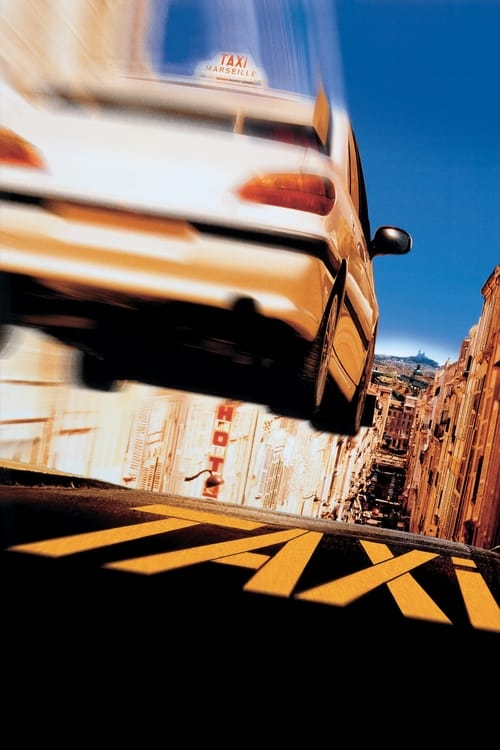
There is a specific brand of adrenaline that only exists in French action cinema from the late 1990s. It’s a mix of Euro-hip hop style, high-speed practical stunts, and a total disregard for traffic laws that would make a Los Angeles highway patrolman go into early retirement. Taxi didn't just arrive in 1998; it screeched onto the screen with a modified Peugeot 406 that had more gadgets than a Bond car and more attitude than a Parisian waiter at a tourist trap. I watched this for the third time last Tuesday on a laptop with a failing battery while sitting in a laundromat, and honestly, the rhythmic thumping of an industrial dryer nearby matched the engine revving perfectly.
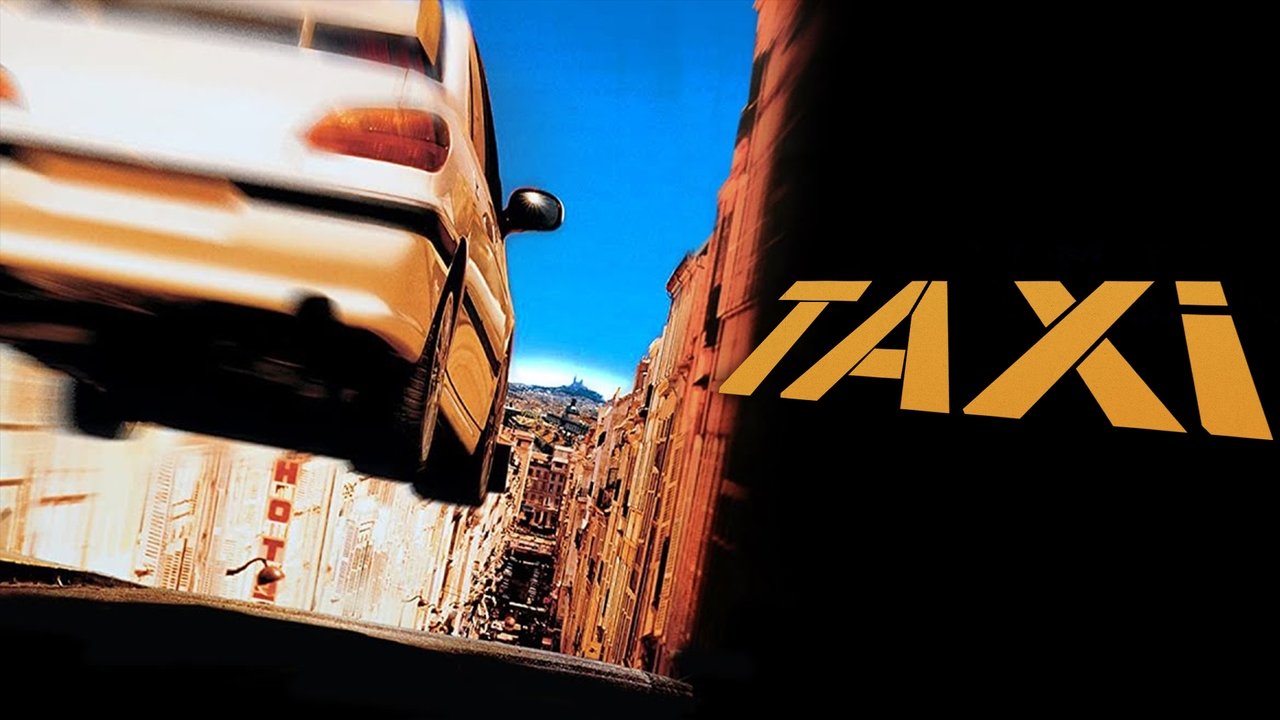
Produced and written by Luc Besson—who reportedly banged out the script in thirty days while waiting for the green light on The Fifth Element—Taxi is the quintessential "cool" movie of its era. It arrived at a time when the "Cinema du Look" was evolving into something more populist and high-octane. It’s loud, it’s vibrant, and it treats the city of Marseille like a giant, sun-drenched go-kart track.
The Odd Couple in Overdrive
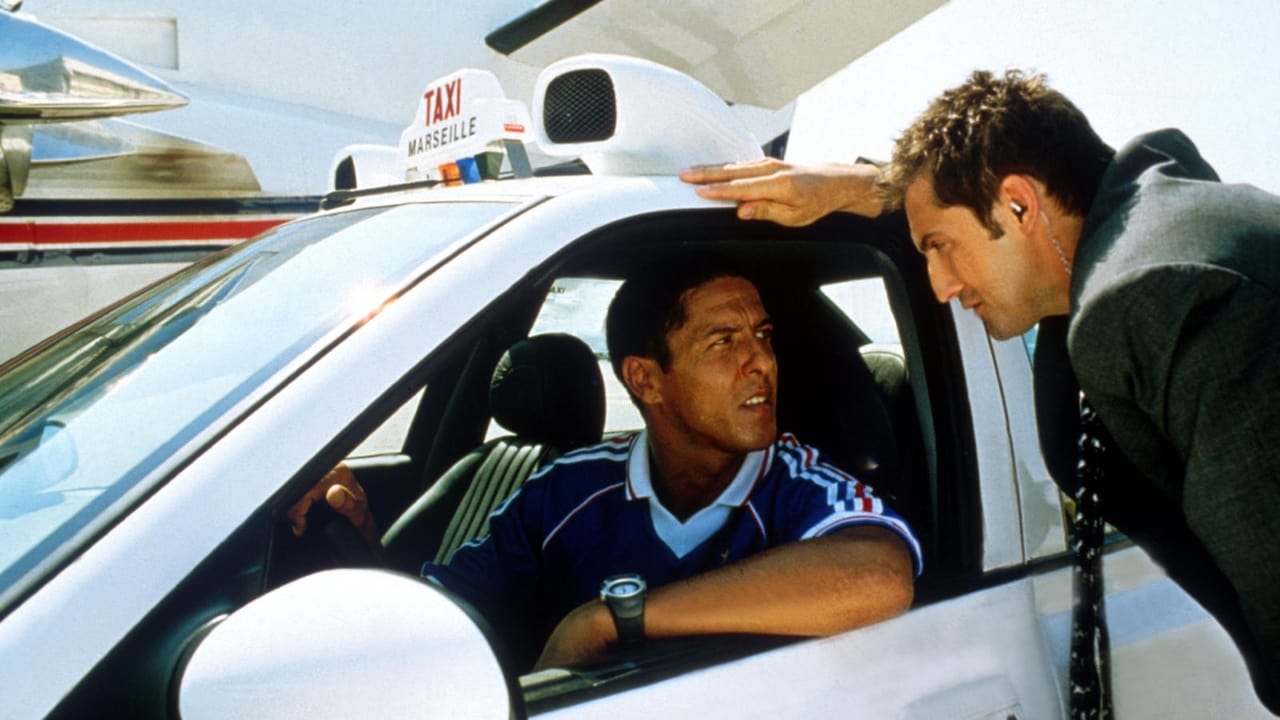
The plot is a classic setup: Daniel (Samy Naceri), a former pizza delivery boy who treats a scooter like a fighter jet, finally gets his taxi license. His car is a transformer in the most literal, pre-CGI sense—push a button and spoilers sprout, steering wheels swap, and the car becomes a land-bound missile. After getting caught shattering the sound barrier by Émilien (Frédéric Diefenthal), a bumbling police inspector who has failed his driving test eight times, Daniel is forced into an uneasy alliance. They have to stop the "Mercedes Gang," a group of German bank robbers who use high-powered red sedans to outrun the entire French police force.
The chemistry between Samy Naceri and Frédéric Diefenthal is what keeps the movie from stalling between chases. Naceri has this effortless, street-smart swagger that was huge in the 90s, while Diefenthal plays the "loser cop" with a sincerity that makes you actually root for him, even when he’s driving a car into a pile of cardboard boxes. Marseille looks like a place where laws are merely polite suggestions, and the film leans into that lawless, Mediterranean energy with every gear shift.
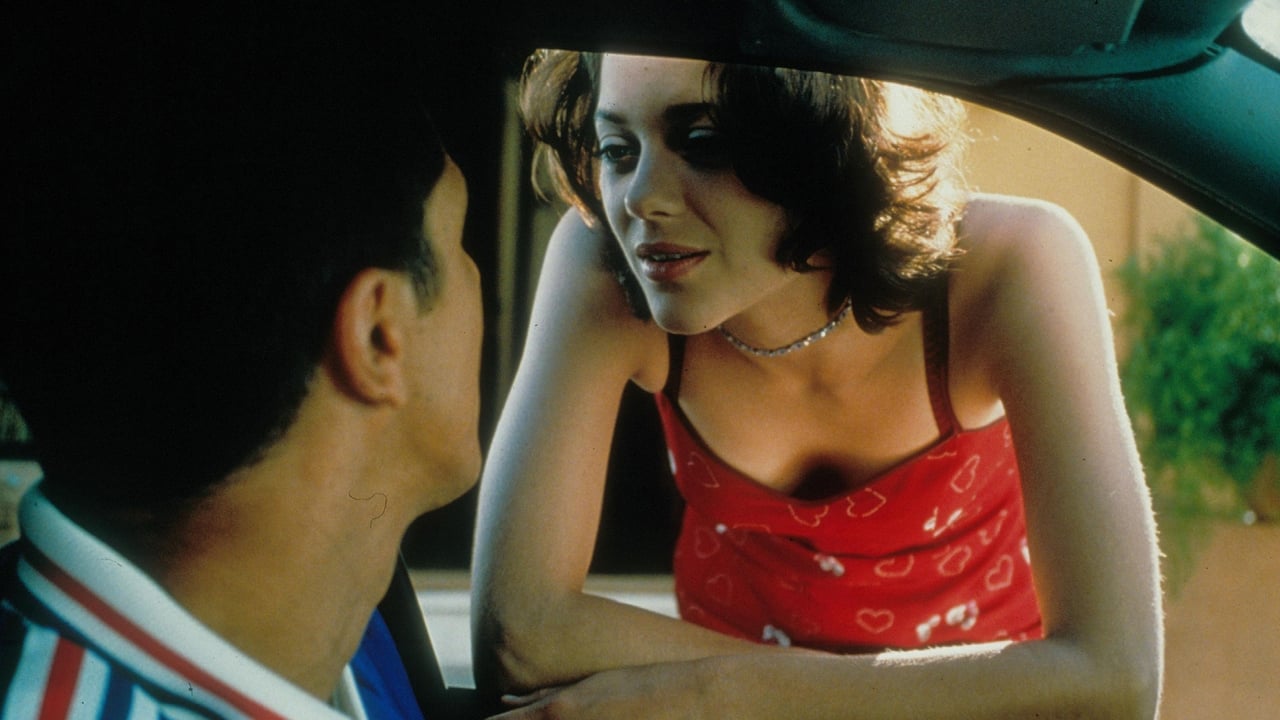
It’s also a fascinating time capsule for Marion Cotillard. Long before she was winning Oscars for La Vie en Rose or haunting Leonardo DiCaprio's dreams in Inception, she was here as Lilly, Daniel’s long-suffering girlfriend. Even in a role that mostly requires her to look annoyed at Daniel’s obsession with his car, her screen presence is undeniable. You can see the "it" factor even through the lens of a late-90s action-comedy.
Practical Stunts in a Digital Dawn
What strikes me most looking back is the total lack of digital trickery. We are currently living in an era where every car chase feels like a weightless cartoon, but in Taxi, you can practically smell the burnt rubber and the exhaust fumes. The director, Gérard Pirès, relied on real stunt drivers and actual modified cars to sell the speed. When that Peugeot weaves through Marseille traffic at 120 mph, the physics feel terrifyingly real because they are.
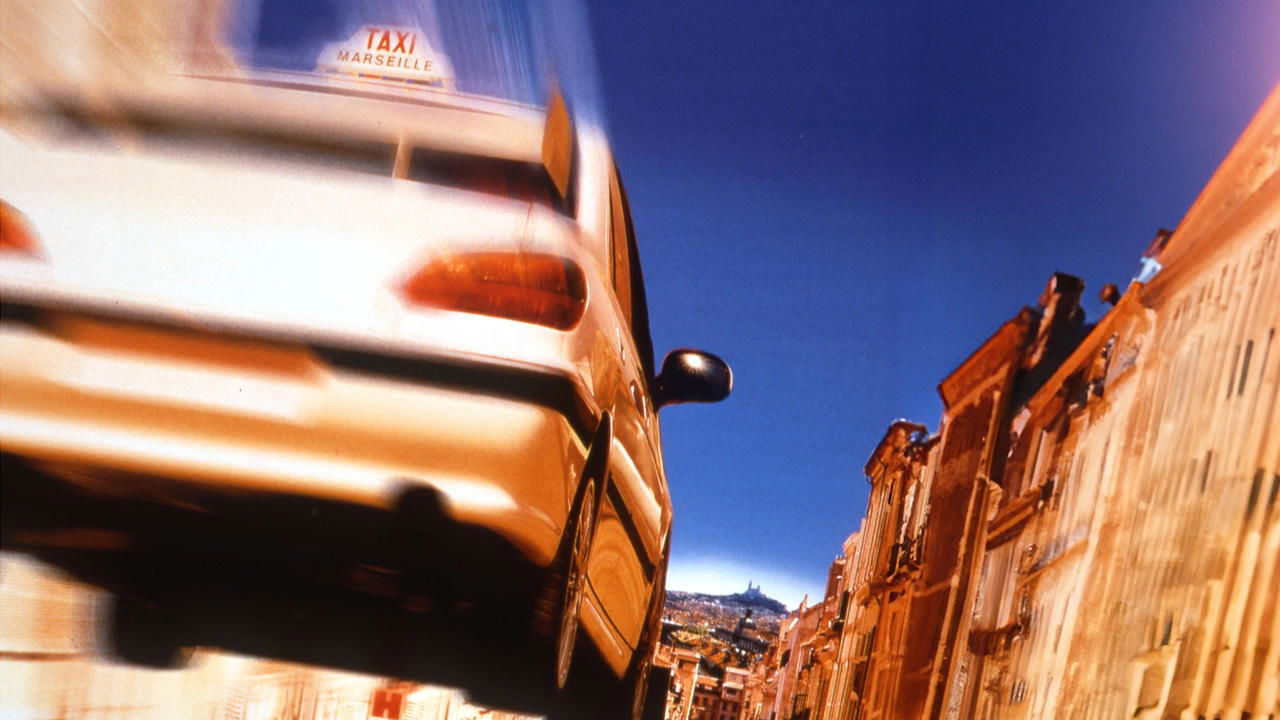
There’s a legendary bit of trivia that the production actually used real police officers as extras in several scenes, which might explain why the "official" police in the film, led by the perpetually confused Commissaire Gibert (Bernard Farcy), are portrayed as such absolute clowns. Farcy’s performance is pure slapstick, and while it occasionally veers into the "too much" territory, it provides a necessary comedic counterpoint to the genuine tension of the driving sequences.
The film also captures that Y2K-adjacent obsession with tech. The Peugeot’s transformation sequences—the popping of the air intakes, the swapping of the tires—were the 1998 equivalent of a superhero suit-up scene. It’s charmingly tactile. These aren't pixels moving; they're mechanical parts clicking into place. It’s a love letter to the grease-monkey era of action movies, before everything was smoothed over by a rendering farm.
The Cult of the Peugeot
Taxi became a massive cult hit, and eventually a full-blown franchise, because it understood the "vibe" of 1998 perfectly. The soundtrack, curated by Akhenaton of the legendary French rap group IAM, gives the film a gritty, rhythmic pulse that defines its identity. It’s not just an action movie; it’s a hip-hop movie. It’s a movie about the suburbs (the banlieues) and the city center clashing and then finding common ground in the pursuit of a faster car.
Interestingly, the film’s success led to a 2004 American remake starring Queen Latifah and Jimmy Fallon, which—to be perfectly honest—is a crime against humanity that should be wiped from the historical record. The original works because it is so unapologetically French. It’s about the specific rivalry between French ingenuity and German precision (represented by the Mercedes-driving robbers). It’s about the specific light of the south of France. When you transplant that to New York and add Fallon’s giggling, the soul of the machine just dies.
The Mercedes villains themselves are a stroke of genius—anonymous, efficient, and driving cars that look like they were carved out of solid blocks of granite. The final showdown, which involves a clever bit of psychological warfare and some very specific bridge architecture, is one of the most satisfying "gotcha" moments in the genre. It doesn't require a giant explosion; it just requires a better understanding of the road.
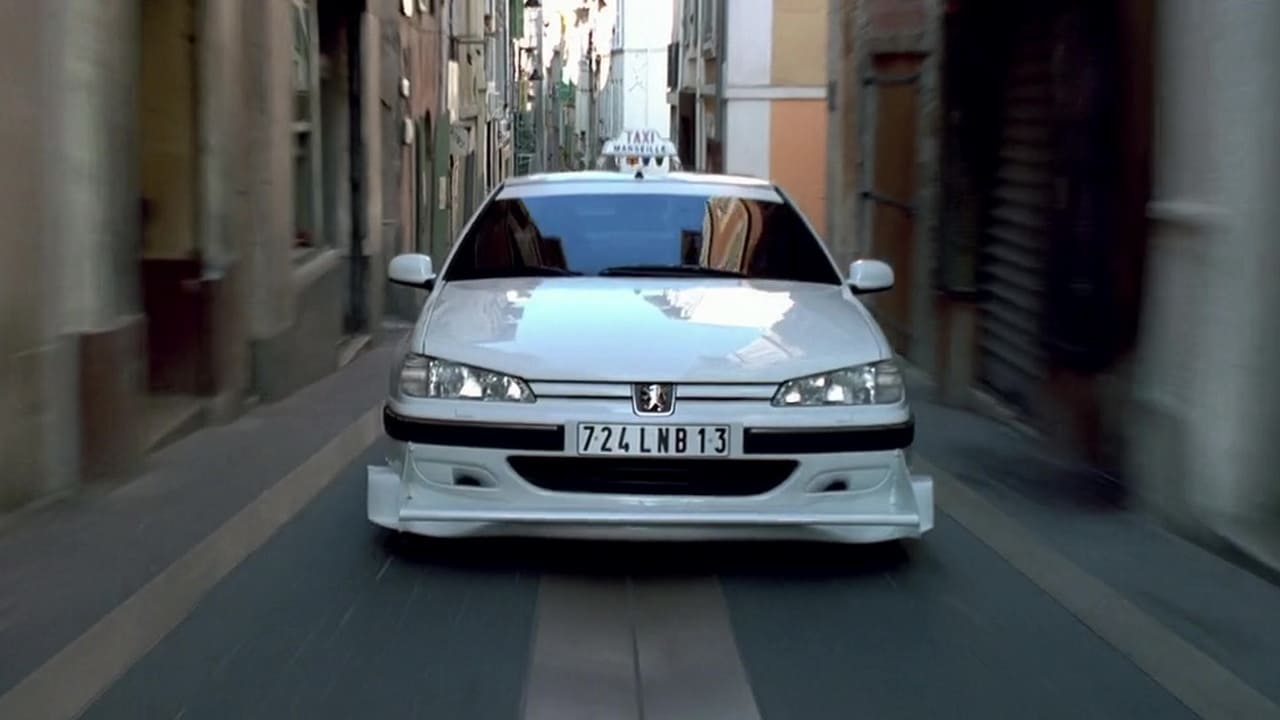
Ultimately, Taxi is a reminder that you don’t need a hundred-million-dollar budget to make a world-class action movie. You just need a fast car, a charismatic lead, and a director willing to actually drive a vehicle through a crowded square. It’s a high-speed joyride that hasn't lost an ounce of its charm, even if Daniel’s cell phone now looks like a prehistoric artifact. If you’re looking for a film that captures the transition from the practical 80s to the tech-heavy 2000s with a Gallic shrug and a middle finger to the speed limit, this is the one.
***
The "Stuff You Didn't Notice" File
The modified Peugeot 406 used in the film became so iconic in France that sales of the car actually spiked after the movie’s release, despite the fact that the real version didn't come with retractable wings. Luc Besson reportedly wrote the entire script in a single month while he was bored and waiting for the pre-production of The Fifth Element to move forward. The German robbers were played by actual German stunt drivers, and the production went through several Mercedes-Benz 500E models, which were some of the fastest sedans in the world at the time. Samy Naceri was actually discovered by Besson while he was working as an extra on the set of Léon: The Professional. * The "transformation" scenes of the taxi were filmed using different cars at various stages of modification, as the mechanical "folding" parts weren't actually fast enough to film in one take.
Keep Exploring...
-
Taxi 2
2000
-
Taxi 3
2003
-
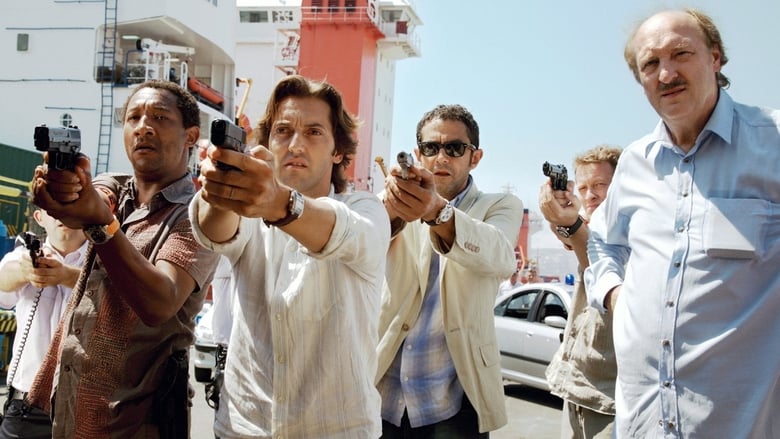
Taxi 4
2007
-
Lethal Weapon 4
1998
-
The Family
2013
-
OSS 117: Cairo, Nest of Spies
2006
-
O Brother, Where Art Thou?
2000
-
Bandidas
2006
-
Last Action Hero
1993
-
Charlie's Angels
2000
-
Shanghai Noon
2000
-
Bad Boys II
2003
-
Shanghai Knights
2003
-

Sinbad: Legend of the Seven Seas
2003
-
The Rundown
2003
-

RED
2010
-
Hot Fuzz
2007
-
Journey to the Center of the Earth
2008
-
The Three Musketeers
1993
-
Ace Ventura: When Nature Calls
1995