The Big Lebowski
"A rug, a toe, and the limits of human patience."
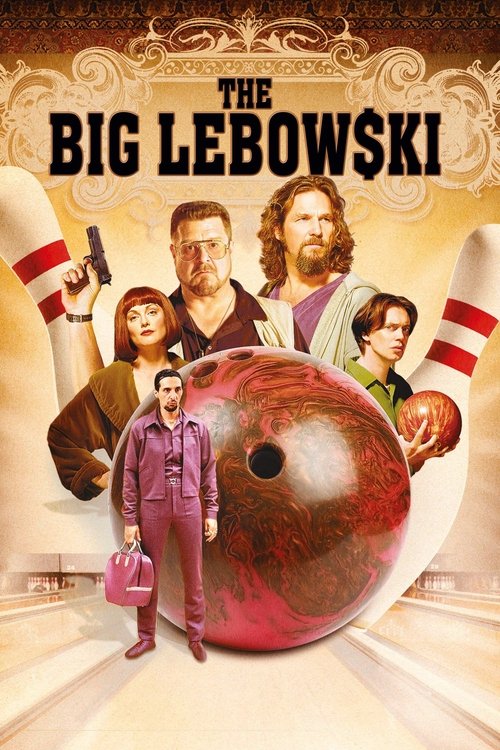
In the spring of 1998, the Coen Brothers were the darlings of the prestige circuit. They were coming off the snowy, bloody success of Fargo, and the industry expected another calculated masterwork of Midwestern noir. Instead, they handed us a sun-drenched, weed-scented shaggy dog story about a man in a bathrobe who just wanted his rug back. I vividly remember watching this on a laptop with a cracked screen while eating cold pizza, and the jagged line across the screen actually made the surreal dream sequences look more avant-garde. At the time, critics didn't know what to do with it. The box office was a shrug. But looking back from our current era of over-explained franchises, this film stands as a monolith of pure, unapologetic character study disguised as a detective story.
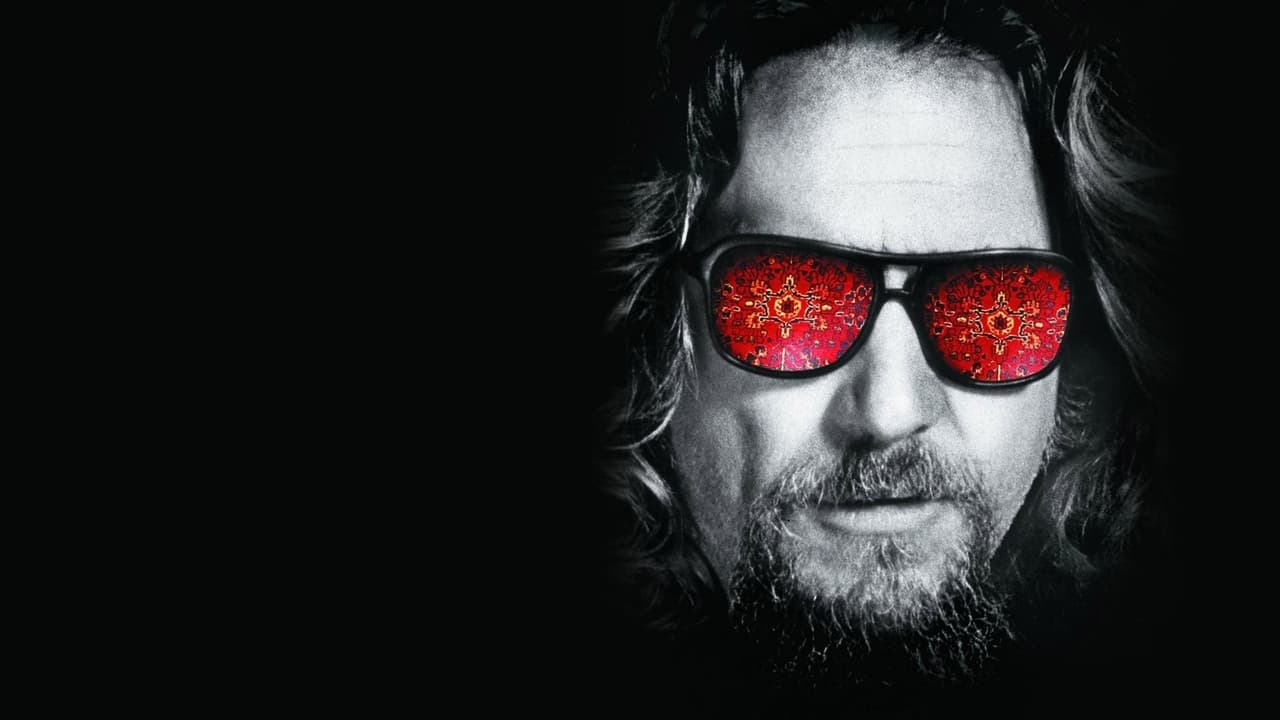
The Existential Dread of the Bowling Alley
Underneath the White Russians and the "Hey, man" veneer, there is a surprising amount of darkness in the Coens' Los Angeles. This isn't the glamorous Hollywood of the silver screen; it’s a city of pornographers, failed millionaires, and nihilists who will threaten to cut off your "johnson" for a few thousand bucks. The film operates on a frequency of lingering anxiety. Every time Jeffrey "The Dude" Lebowski (Jeff Bridges) gains a shred of peace, the world intrudes with violence or bureaucracy.
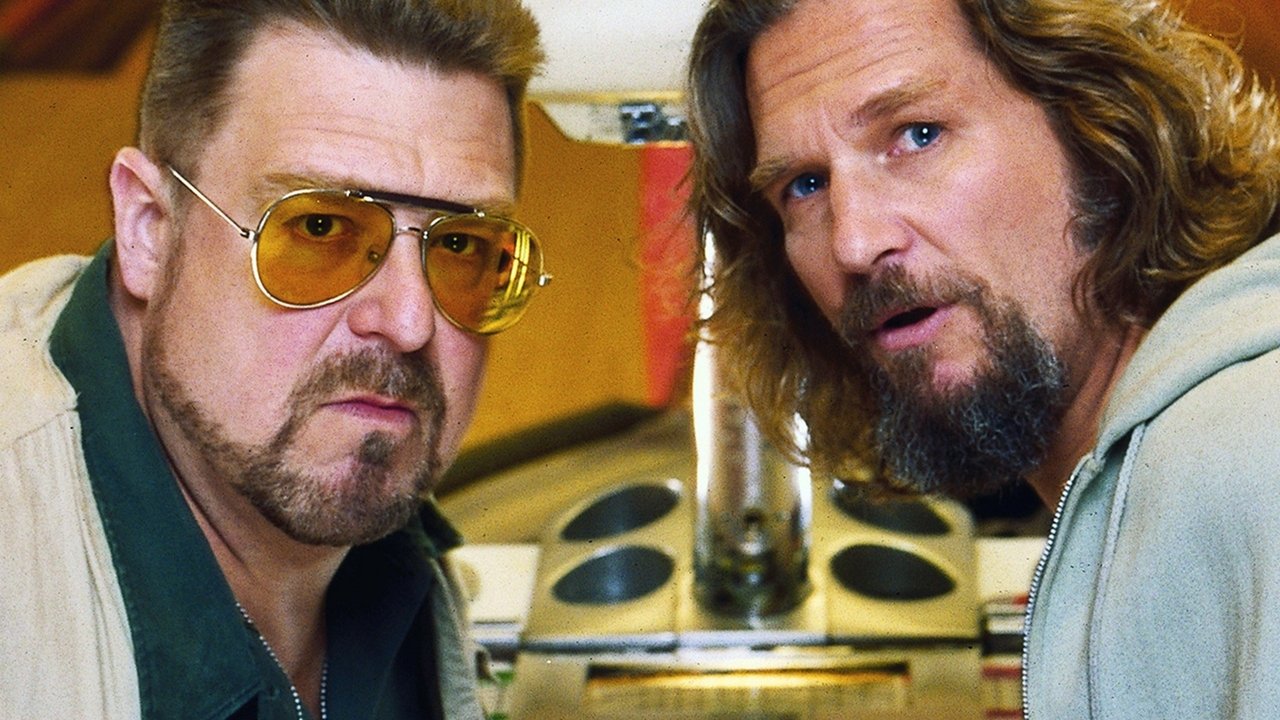
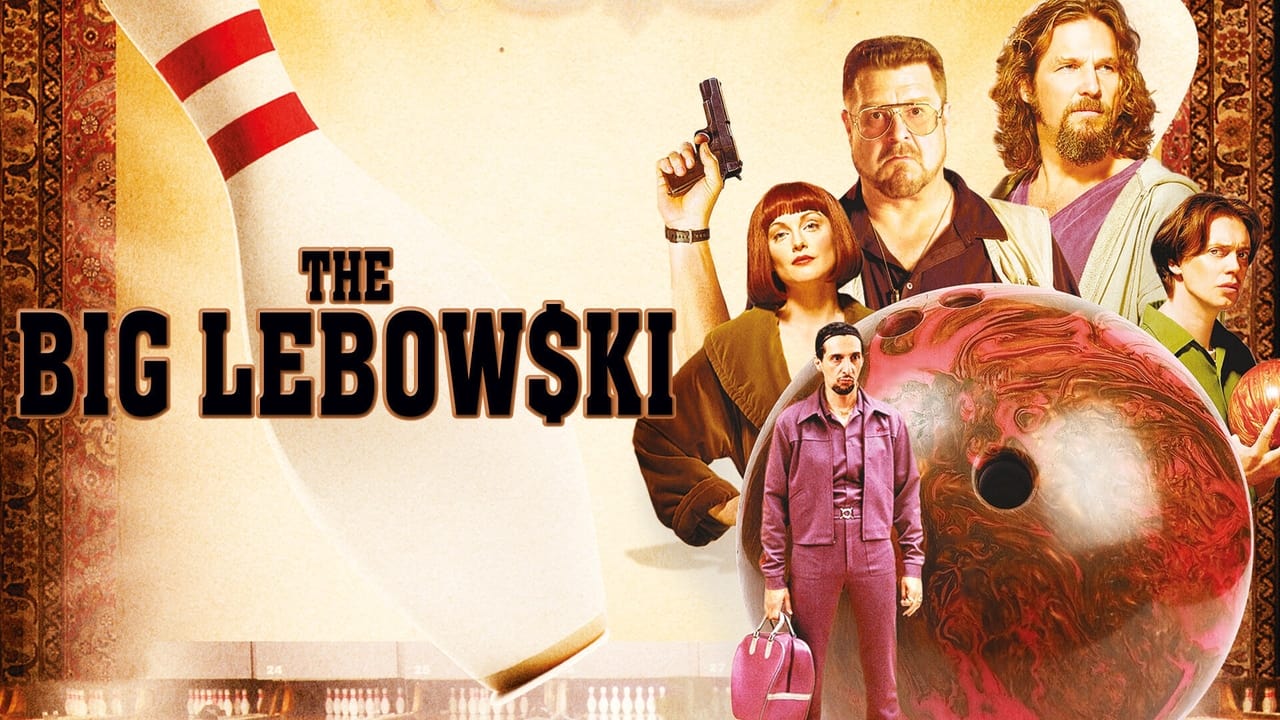
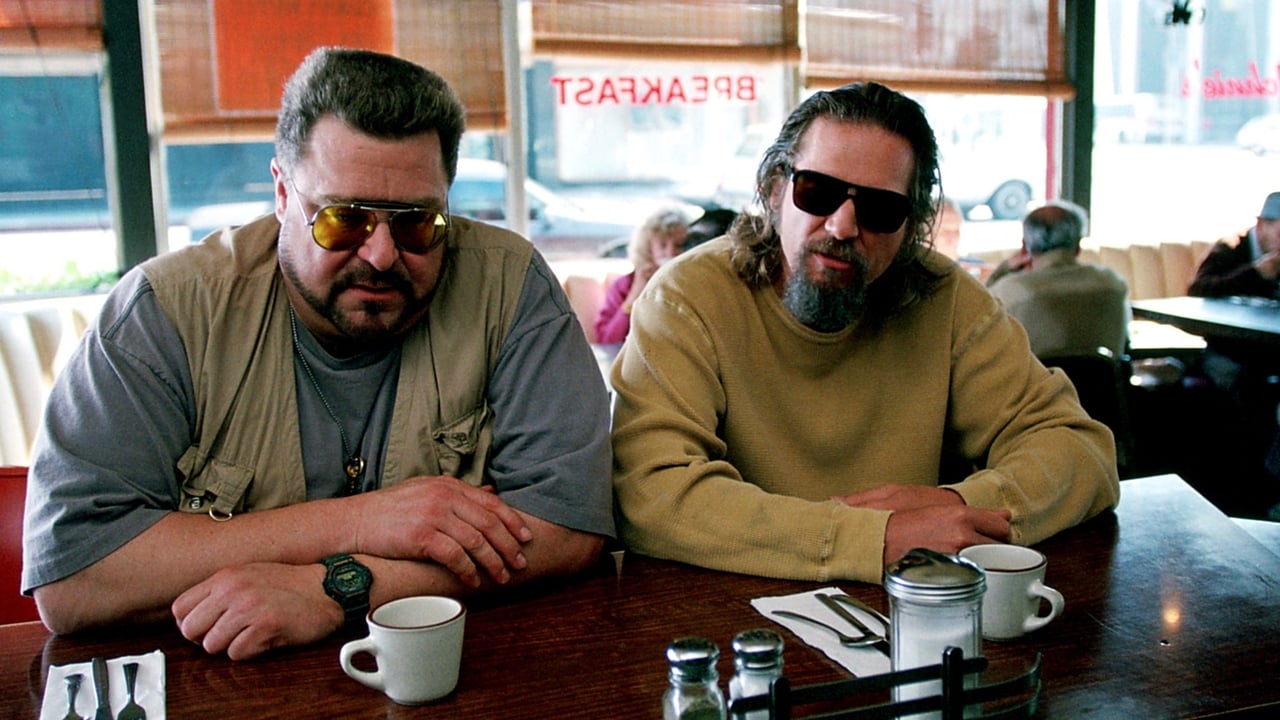
Jeff Bridges doesn't just play The Dude; he inhabits him with a physical commitment that feels almost dangerous. He’s a man who has completely opted out of the American Dream, yet he's haunted by the shadows of those who still chase it. Then there’s John Goodman as Walter Sobchak. If The Dude is the "calm," Walter is the storm—a walking PTSD trigger with a bowling bag who manages to turn a simple drop-off into a paramilitary disaster. Their chemistry is the soul of the film, a tragicomic loop of a man who wants to forget the world and a man who can’t stop fighting a war that ended decades ago.
A Masterclass in Scripted Chaos
The beauty of the Coen screenplay is its precision. For a movie that feels so loose and improvisational, it is famously rigid. Every "um," "man," and "dude" was scripted. It turns out that Jeff Bridges would frequently ask the brothers, "Did the Dude burn one on the way over?" before a take, adjusting his performance based on the specific level of mental fog required for the scene. This level of detail extends to the background; you’ll notice that Donny (Steve Buscemi) is constantly told to "shut up" because Buscemi’s character in Fargo was a motor-mouth who wouldn't stop talking.
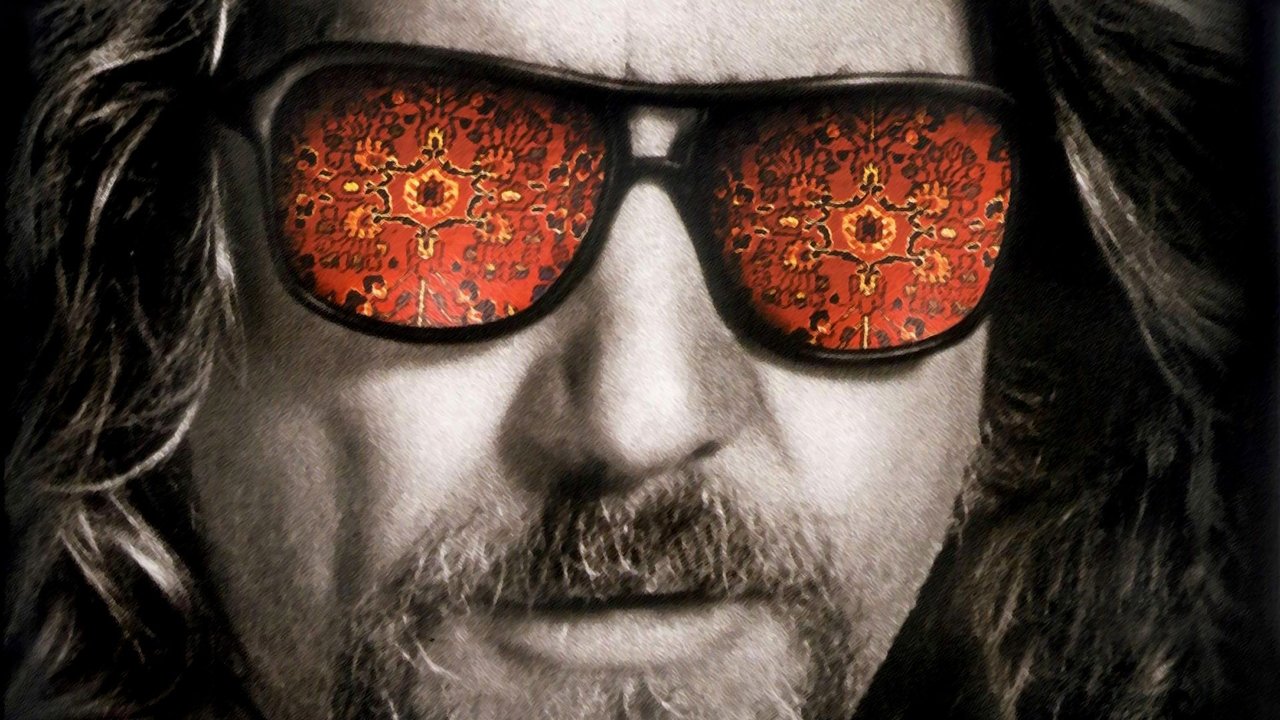
The film also captures a specific transition in cinema history. We were moving away from the high-concept blockbusters of the 80s into the "Sundance Generation" where tone and voice mattered more than a tidy plot. The "mystery" involving the Big Lebowski (David Huddleston) and his kidnapped trophy wife is intentionally hollow. It’s a MacGuffin that exists solely to push the Dude into rooms he has no business being in—like the studio of Maude Lebowski (Julianne Moore), whose performance is a sharp, avant-garde contrast to the Dude’s slouching lethality. The Dude is the most relatable cinematic hero because his only real motivation is wanting his furniture back.
The Cult of the Dude
Why does this film have its own religion (Dudeism) and annual festivals? It’s because it’s one of the few "cult classics" that actually gets better every time you watch it. On the first pass, you’re confused. On the second, you’re laughing. By the tenth, you’re noticing the subtle tragedy of the "toe" or the way Philip Seymour Hoffman’s Brandt manages to be the most uncomfortable sycophant in movie history.
The film's journey from a theatrical "flop" to a DVD-era deity is a classic discovery story. It was the kind of movie you'd find at a Blockbuster on a Tuesday night and feel like you’d stumbled onto a secret code. The trivia is endless: the "Dude" is actually based on a real-life producer named Jeff Dowd; Jeff Bridges wore many of his own clothes during filming (including those jelly sandals); and despite the entire plot revolving around a bowling tournament, the Dude is never once shown actually bowling a ball.
There’s a grim irony in the fact that the nihilists—characters who believe in nothing—are the most persistent threat in the story. They represent the ultimate void, the dark counterpart to the Dude's "abiding." In a world that is increasingly loud, judgmental, and demanding, there is something profoundly heavy about a man who just wants to listen to the sounds of a bowling league and keep his rug clean.
The Coen Brothers managed to create a film that is simultaneously a hilarious comedy and a bleak reflection on the futility of trying to control one's life. It captures a specific late-90s malaise, a moment before the world changed forever, where the biggest problem a guy could have was a case of mistaken identity and a ruined floor covering. I find myself returning to it not for the jokes, but for the atmosphere. It’s a world where the stakes are simultaneously zero and everything, and somehow, that feels like the most honest depiction of life ever put to celluloid. The Dude abides, and so does the film.
Keep Exploring...
-
O Brother, Where Art Thou?
2000
-
Fargo
1996
-
Raising Arizona
1987
-
Barton Fink
1991
-
The Man Who Wasn't There
2001
-

Miller's Crossing
1990
-
No Country for Old Men
2007
-

Adaptation.
2002
-
The Hudsucker Proxy
1994
-
Kiss Kiss Bang Bang
2005
-
25th Hour
2002
-
Chicago
2002
-
A Serious Man
2009
-
True Grit
2010
-
Arlington Road
1999
-
Don't Be a Menace to South Central While Drinking Your Juice in the Hood
1996
-
Intolerable Cruelty
2003
-
Matchstick Men
2003
-
Inside Llewyn Davis
2013
-
A Bronx Tale
1993