The Celebration
"A birthday toast served with a side of napalm."
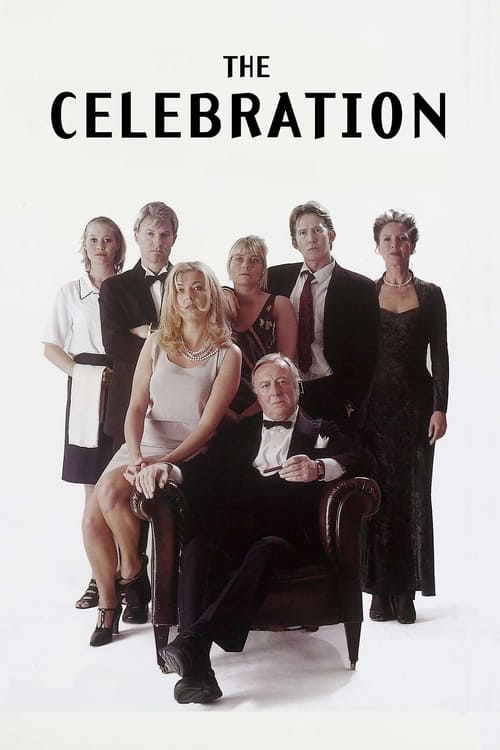
Long before "shaky cam" became the lazy visual shorthand for big-budget action sequences, a group of Danes decided it was the only way to save cinema’s soul. In 1995, Thomas Vinterberg and Lars von Trier drafted the "Dogme 95" manifesto—a "Vow of Chastity" that banned sets, props brought in from outside, and non-diegetic music. It sounded like a pretentious prank, but in 1998, Vinterberg delivered The Celebration (Festen), proving that by stripping a movie of its vanity, you could expose something terrifyingly human.
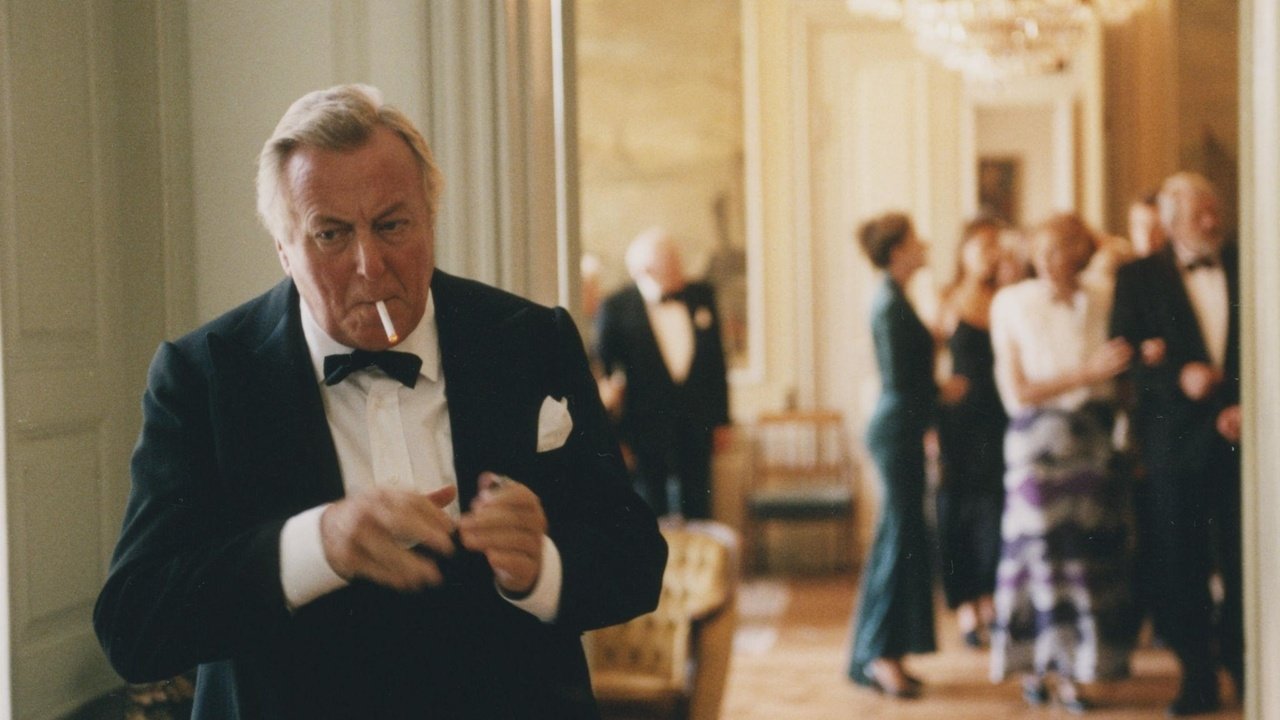
I watched this for the third time while eating a slightly stale bag of pretzel m&ms, and the crunching in my ears felt appropriately abrasive for a movie that looks and sounds like it was filmed by a drunk uncle on a stolen camcorder. Yet, despite the grainy, low-res aesthetics of the 90s digital revolution, the film has aged better than almost any of its high-budget contemporaries.
The Toast Heard ’Round the World
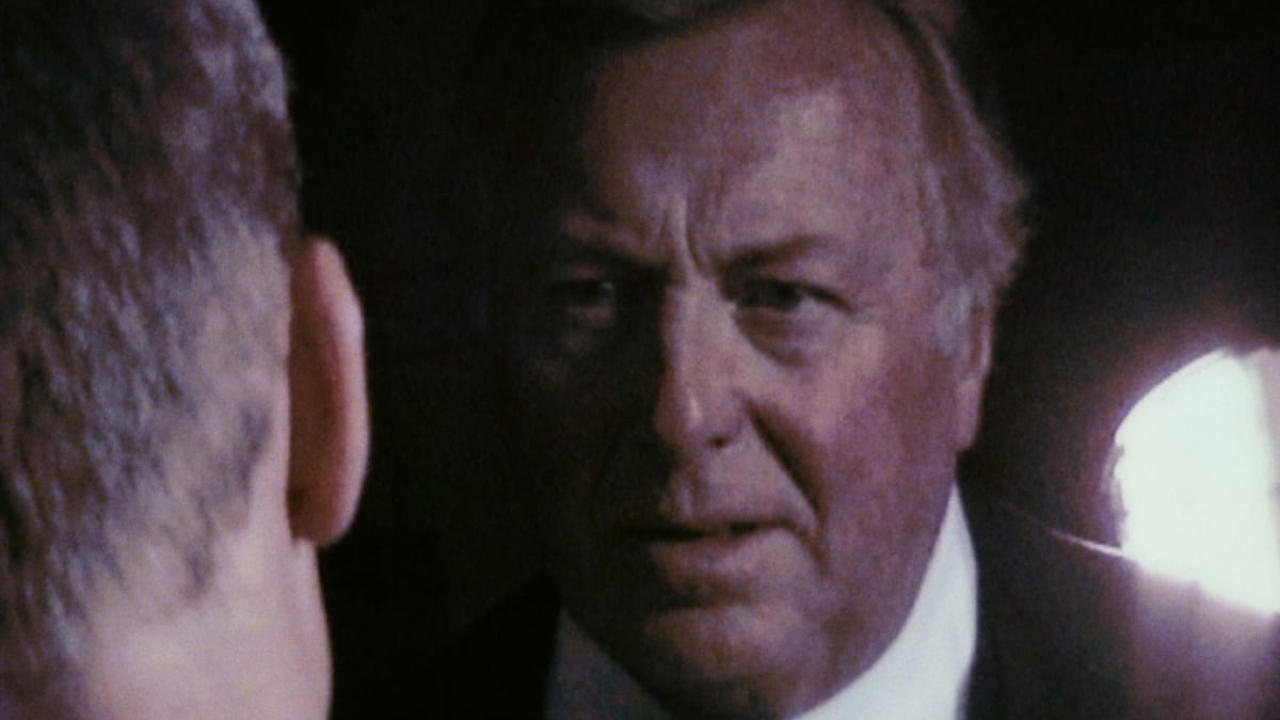
The setup is classic drama: a wealthy family gathers at a remote country manor to celebrate the 60th birthday of the patriarch, Helge (Henning Moritzen). There is wine, there is laughter, and there is the suffocating weight of upper-class politeness. Then Christian (Ulrich Thomsen), the eldest son, stands up to give a toast. He offers the guests a choice between two speeches. They choose the "green" one, and Christian proceedes to calmly, methodically accuse his father of sexually abusing him and his late twin sister.
The brilliance of the screenplay, written by Vinterberg and Mogens Rukov, isn't just in the accusation, but in the reaction. Or rather, the lack of one. The guests don't gasp and run for the exits; they awkwardly titter, pour more wine, and try to keep the party moving. Ulrich Thomsen is a revelation here. He plays Christian with a chilling, hollowed-out stillness. He isn't screaming for attention; he’s performing a surgical extraction of the truth in a room full of people determined to remain under anesthesia.
Aesthetics of the Ugly
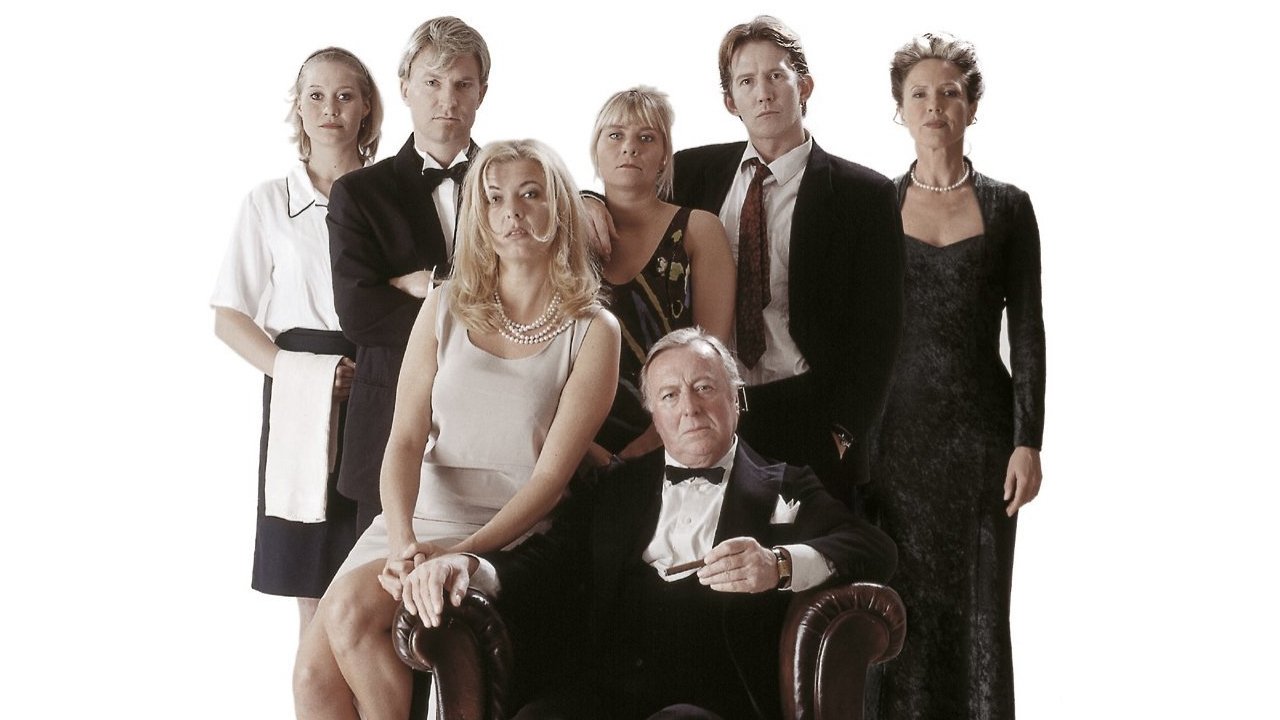
Because this was the first official Dogme 95 film, Vinterberg had to follow the rules. This meant no tripods and no special lighting. Cinematographer Anthony Dod Mantle used a small Sony DCR-VX1000 digital camera, which was basically a high-end consumer toy at the time. This choice was revolutionary. In the late 90s, we were transitioning from the warmth of analog film to the crispness of digital, but The Celebration leaned into the "ugliness" of early digital.
The result is an intimacy that feels almost illegal. The camera doesn't just observe the dinner; it's a frantic, uninvited guest, ducking behind chairs and peering over shoulders. By removing the polished "look" of a professional movie, Vinterberg removes the safety barrier between the audience and the trauma on screen. When Michael (Thomas Bo Larsen), the volatile and racist younger brother, starts losing his mind, the handheld chaos makes his violence feel dangerously unpredictable. Larsen brings a frantic, pathetic energy to the role that serves as the perfect foil to Thomsen’s icy composure.
The Polite Silence of Monsters
Beyond the technical gimmicks, The Celebration is a deeply cerebral look at the mechanics of denial. It asks a haunting question: How much truth can a community ignore to maintain its comfort? The film isn't just about one man’s crimes; it’s about a collective agreement to keep the lights off. Even after the secret is out, the ritual of the dinner continues. The way the staff—led by Trine Dyrholm as Pia—conspires to keep the family trapped in the house so they are forced to face the truth is a masterful bit of narrative engineering.
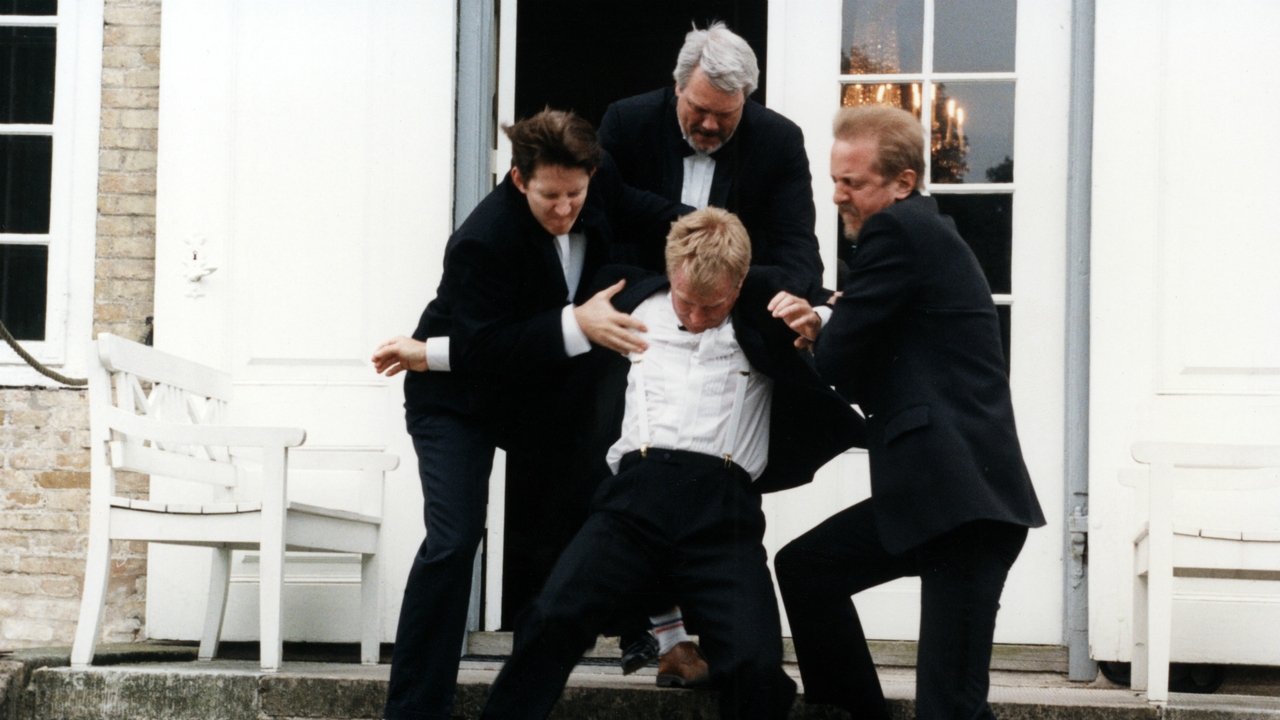
There’s a specific kind of dark, Scandinavian humor at work here, too. Paprika Steen as the sister, Helene, and Birthe Neumann as the mother, provide layers of complicated grief and complicity. The film suggests that the "secret" isn't actually a secret at all—everyone knew, or suspected, but the social cost of acknowledging it was simply too high. It’s a psychological horror movie disguised as a family drama, and it hits harder than any slasher flick because we’ve all been at a dinner party where the tension was a physical weight in the room.
Thomas Vinterberg’s experiment remains a landmark of the indie film renaissance. It proved that you don't need a massive budget or flawless 35mm stock to create a masterpiece; you just need a script that refuses to blink. While the Dogme 95 movement eventually faded into a historical footnote, the raw power of this specific film hasn't diminished. It’s a reminder that cinema’s greatest special effect is, and always will be, a well-timed, devastating truth.
If you haven't seen it, prepare to feel uncomfortable, angry, and strangely exhilarated. Just maybe don't watch it right before your own family reunion.

Keep Exploring...
-
The Hunt
2012
-
Another Round
2020
-
The Postman
1994
-
Central Station
1998
-
Bowling for Columbine
2002
-
Good Bye, Lenin!
2003
-
Night on Earth
1991
-

Mysterious Skin
2005
-
Like Stars on Earth
2007
-
The Man from Earth
2007
-
Before Midnight
2013
-

Short Term 12
2013
-
I Origins
2014
-
Mommy
2014
-
Before Sunrise
1995
-
La Haine
1995
-
In the Mood for Love
2000
-
Chungking Express
1994
-
The Adventures of Priscilla, Queen of the Desert
1994
-
Friday
1995