The Legend of 1900
"The world is a ship too big to sail."

I first encountered this film on a scratched "Director’s Cut" DVD I found in a bargain bin at a Suncoast Video. It was 2003, and the world was obsessed with the high-octane digital wizardry of The Matrix sequels, yet here was this three-hour Italian fable about a man who refuses to set foot on dry land. I watched it in my dorm room while eating a slightly stale biscotti that I’d dipped in lukewarm coffee—a crumbly, messy experience that somehow mirrored the beautiful, fractured logic of the film itself.
The Man Between the Keys
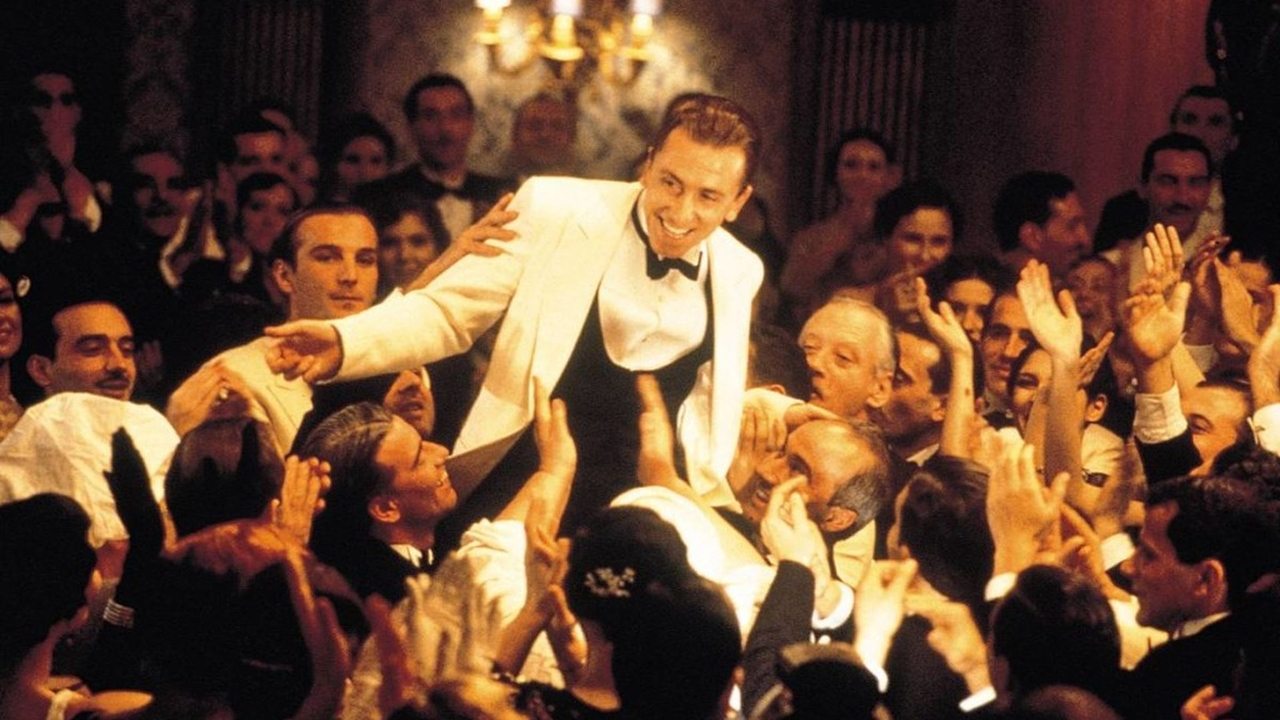
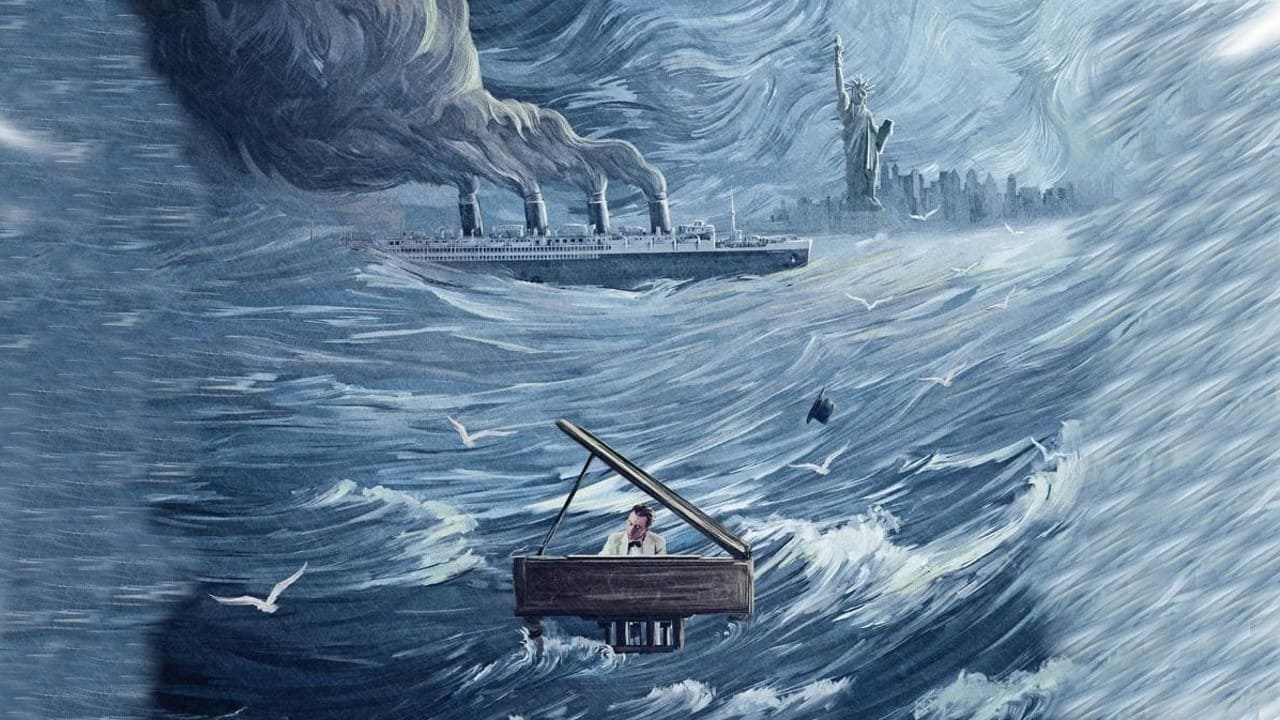
Directed by Giuseppe Tornatore—the man who previously made us all weep with Cinema Paradiso (1988)—The Legend of 1900 feels like the last great gasp of the 20th-century epic before the genre was swallowed whole by franchises and green screens. It tells the story of Danny Boodmann T.D. Lemon Nineteen Hundred, or simply "1900," played with a twitchy, ethereal brilliance by Tim Roth. Found as a baby in a lemon crate on the ocean liner Virginian, 1900 grows up to be a piano virtuoso who never leaves the vessel.
Tim Roth is an absolute revelation here. Before this, I mostly knew him as the frantic "Mr. Orange" in Quentin Tarantino’s Reservoir Dogs (1992) or the snidely villain in Rob Roy (1995). Seeing him transform into this wide-eyed, socially stunted genius is like watching a magician pull a rabbit out of a hat you thought was empty. He plays 1900 with a physical language that suggests he’s always balancing against the sway of the sea, even when the ship is docked. His chemistry with Pruitt Taylor Vince, who plays the narrator and trumpet player Max Tooney, provides the film's emotional anchor. Max is the pragmatist; 1900 is the poetry.
A Duel in the Fog
If there is one sequence that cements this as a cult classic, it’s the piano duel between 1900 and the self-proclaimed inventor of Jazz, Jelly Roll Morton (played with wonderful arrogance by Clarence Williams III). It is a masterclass in tension and musical choreography. Apparently, Tim Roth had never played a note of piano in his life before taking the role. He spent six months training with a teacher just to master the posture and the finger movements so he could accurately mime the complex arrangements.
The payoff is legendary: 1900 plays a piece so fast and furious that the piano strings become hot enough to light a cigarette. In an era where we were starting to see CGI used for everything, there’s something deeply satisfying about the tactile, sweating, wood-and-wire intensity of this scene. The cigarette trick wasn’t a digital effect, either; they actually heated the strings to see if it would work. It’s a moment of pure cinematic bravado that makes you want to stand up and cheer in your living room.
The Philosophy of 88 Keys
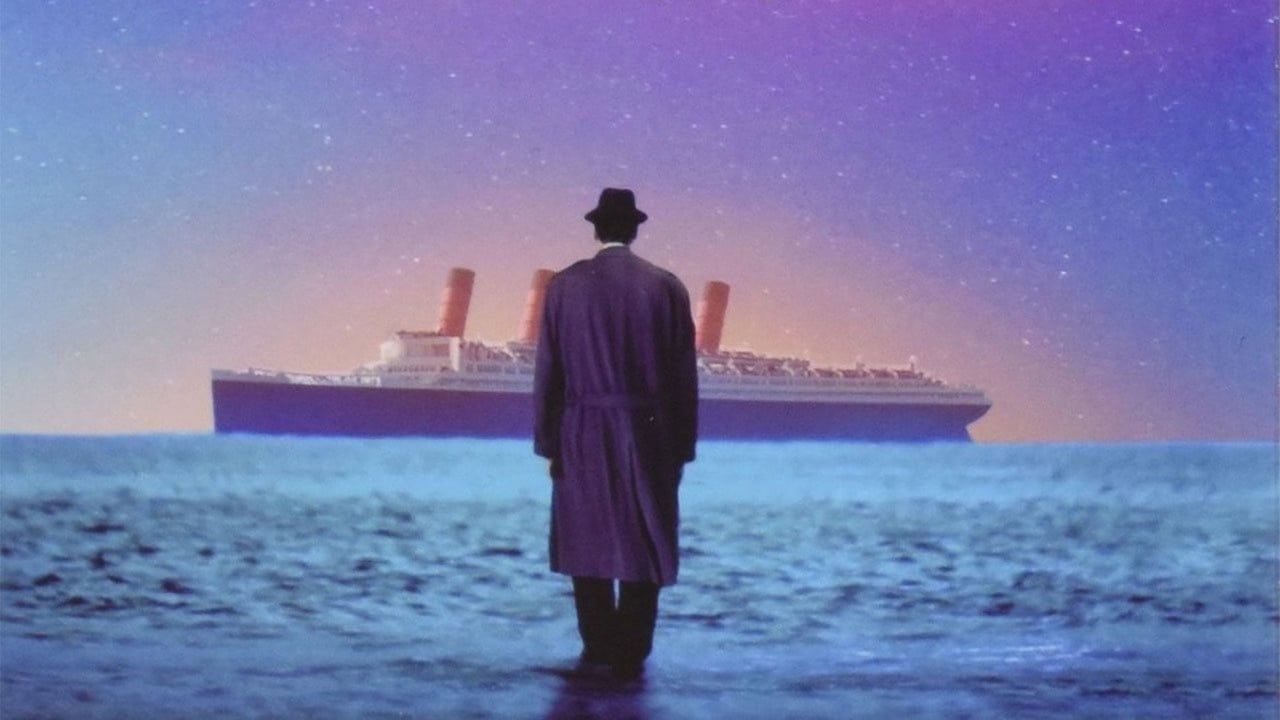
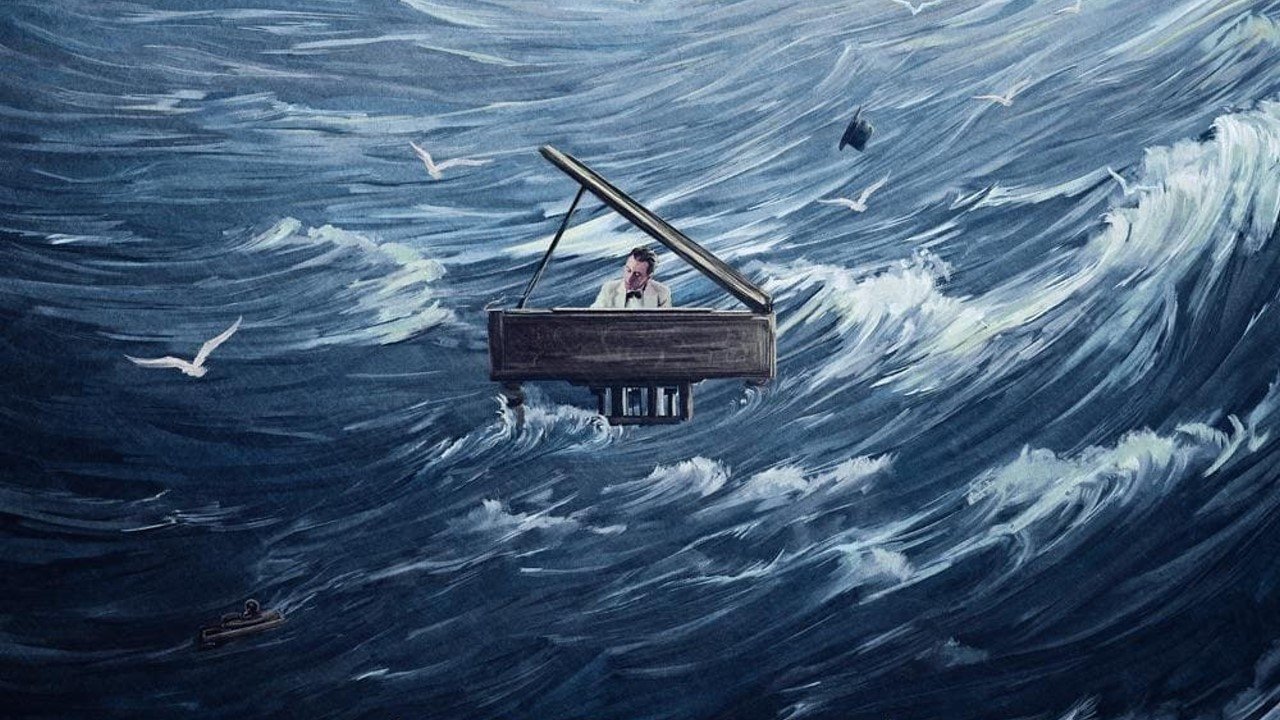
While the first half of the film plays like a whimsical tall tale, the second half dives into some heavy, cerebral waters. This is where Tornatore asks the big questions: Is a life limited by physical boundaries actually more "free" than one lived with infinite choices? 1900 views the piano’s 88 keys as a manageable universe. Land, to him, is a piano with infinite keys—and you can't play music on a piano that never ends.
Looking back from our current era of "infinite scroll" and overwhelming digital choices, his refusal to leave the ship feels less like madness and more like a radical act of self-preservation. He chooses his "frame." It’s a hauntingly beautiful concept that Tornatore explores through sweeping shots of the Virginian and a score by the late, great Ennio Morricone. Morricone, who also scored The Good, the Bad and the Ugly (1966), supposedly spent nearly a year working on this music, and it shows. The "Love Theme" for The Girl (Mélanie Thierry) is the kind of melody that stays in your head for weeks, acting as a ghost of a life 1900 almost lived.
Behind the Porch Light
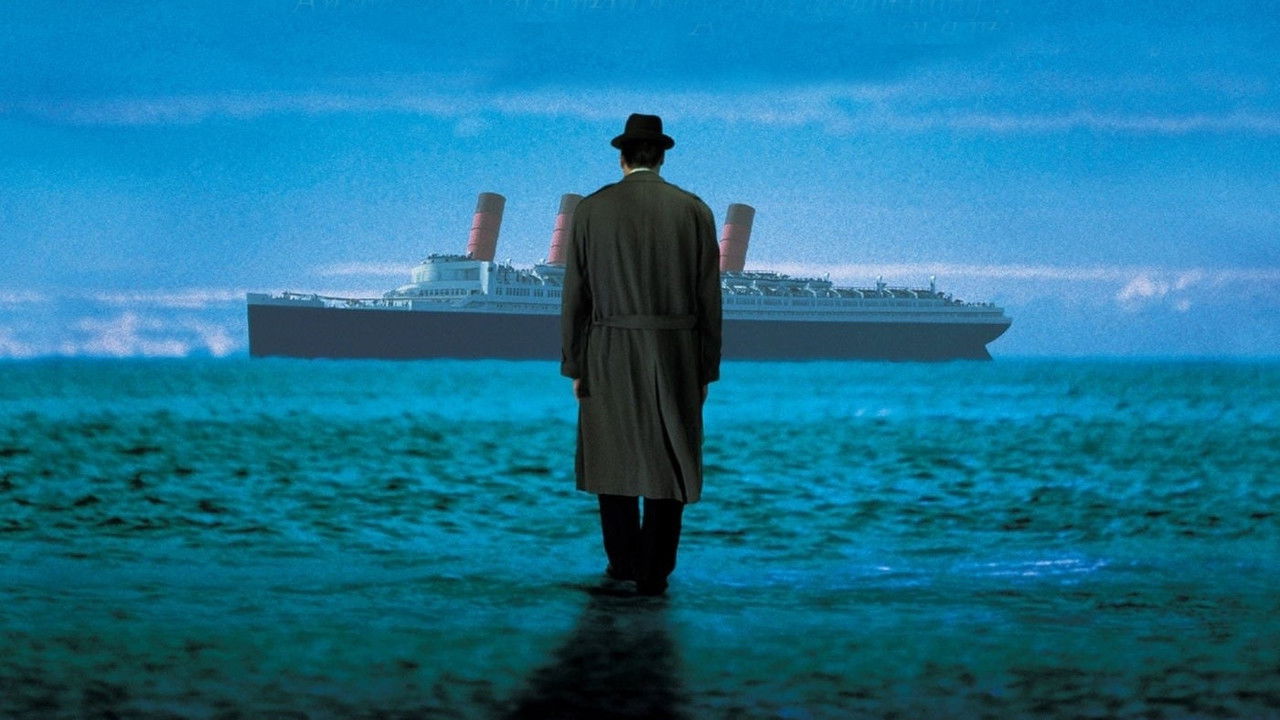
The production itself was a bit of a localized behemoth. To capture the scale of the Virginian, the crew didn't just rely on miniatures. They built a massive, full-scale section of the ship in an old hangar in Rome. It gives the film a weight and a "smell" that you just don't get in modern, sterile productions. Bill Nunn, who many remember as Radio Raheem in Do the Right Thing (1989), brings a lovely, grounded warmth as the sailor who finds the baby 1900, adding a layer of found-family drama that hits harder than I expected.
Interestingly, the version most of us saw on VHS or cable back in the day was a heavily edited 120-minute cut. If you can, seek out the 170-minute Italian cut. The American theatrical edit was essentially a hatchet job by Harvey Weinstein’s Miramax, which was notorious in the 90s for "trimming" international films until they lost their soul. The longer version allows the friendship between 1900 and Max to breathe, making the inevitable, explosive conclusion feel earned rather than abrupt.
This film is a rare bird: a big-budget, philosophical drama that isn't afraid to be deeply sentimental. It’s a movie for people who feel a little bit out of sync with the modern world, who find comfort in the idea that you don't have to go everywhere to be someone. It’s a fable about the courage it takes to stay exactly where you belong, even when the rest of the world is screaming at you to move.
Watching it today, in an age where we are all "connected" to everything yet feel moored to nothing, the story of the man who lived on a ship feels more relevant than ever. It’s a lush, melodic, and deeply moving experience that reminds us that sometimes the most ordinary thing you can do is try to be everything to everyone. If you have three hours and a quiet room, let 1900 play you a song. You won't regret the ticket price.
Keep Exploring...
-
Malena
2000
-
The Best Offer
2013
-
Selena
1997
-
Cinema Paradiso
1988
-
Moulin Rouge!
2001
-

What's Eating Gilbert Grape
1993
-
Boogie Nights
1997
-
10 Things I Hate About You
1999
-
All About My Mother
1999
-
Girl, Interrupted
1999
-
Magnolia
1999
-

I Am Sam
2001
-
Almost Famous
2000
-
The Great Beauty
2013
-
Whisper of the Heart
1995
-
Spirit: Stallion of the Cimarron
2002
-
Big Fish
2003
-
August Rush
2007
-
Begin Again
2014
-
Awakenings
1990