The Lion King II: Simba's Pride
"The sins of the father meet the pride of the daughter."
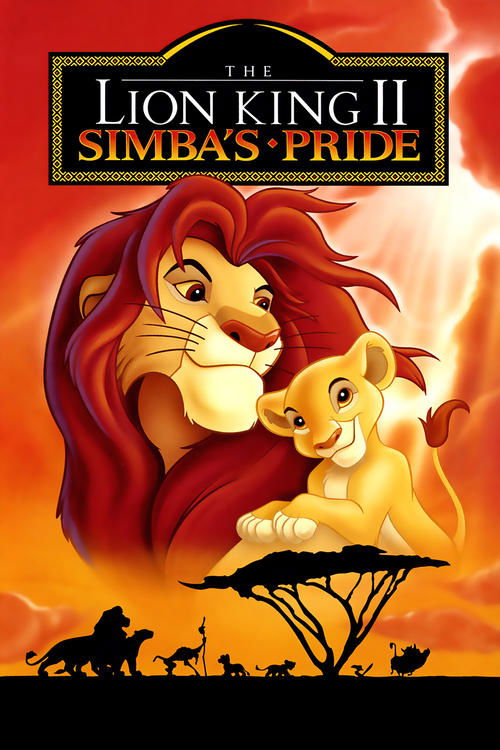
In the late 90s, the "Disney Direct-to-Video Sequel" was a phrase that usually inspired a special kind of dread. It suggested clunky animation, off-brand voice actors, and songs that felt like rejected jingles for breakfast cereal. But when I first popped the clamshell VHS of The Lion King II: Simba’s Pride into my VCR, something strange happened. I was sitting on a beanbag chair, nursing a mild headache from dropping a giant bowl of neon-orange Cheeto puffs on my parent's white carpet—a stain that would eventually become a permanent monument to my afternoon in the Pride Lands—and I realized this wasn't just another cash grab. It was actually... a movie.

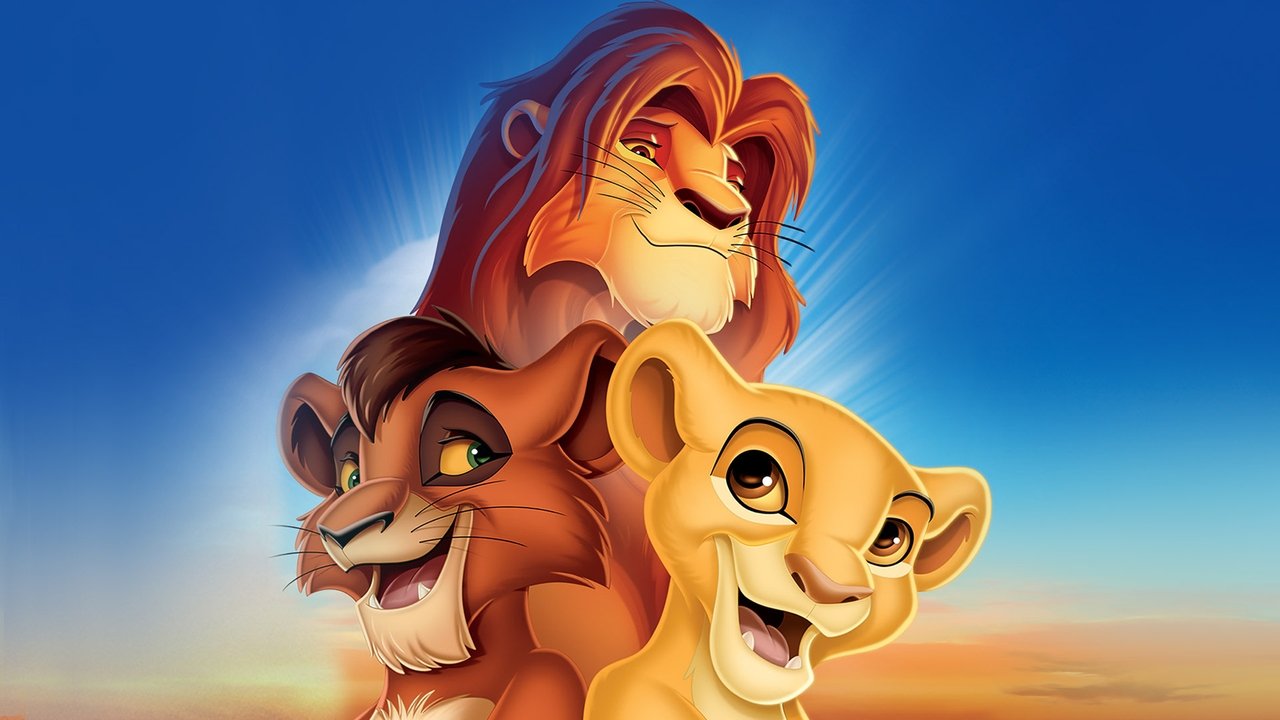
While the 1994 original was famously Hamlet with fur, the 1998 sequel pivots to Romeo & Juliet. It’s a bold move for a "cheapquel," and while the animation occasionally betrays its lower budget compared to its predecessor, the emotional weight of the story is surprisingly heavy. We aren't just retreading Simba’s journey; we’re watching a middle-aged, anxious father try to prevent his daughter from making the same mistakes he did.
The Shakespearean Shadow of the Savannah
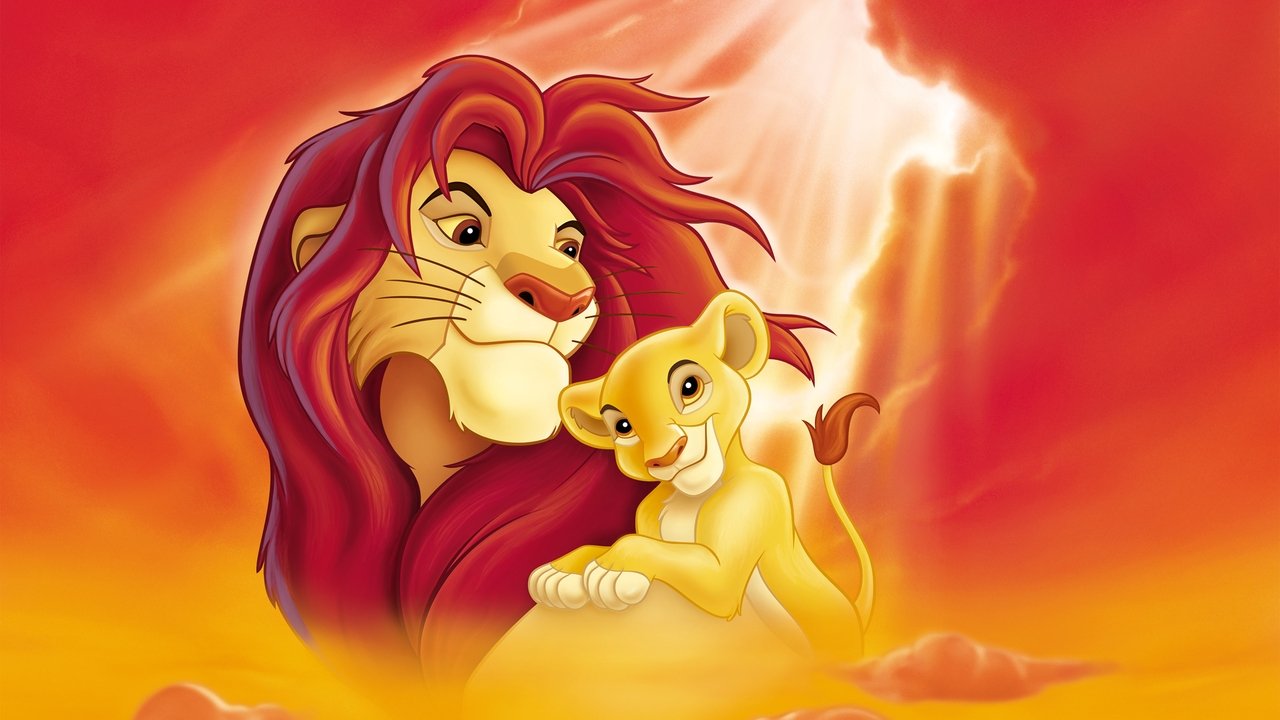
The drama here hinges on Simba's transition from the carefree "Hakuna Matata" prince to a hyper-vigilant helicopter parent. Matthew Broderick (returning from the first film, as well as Ferris Bueller's Day Off) imbues Simba with a believable sense of trauma. He isn't just being a jerk; he’s a king who remembers the exact moment his world collapsed in a gorge, and he’s terrified of history repeating itself. Looking back, it’s a surprisingly nuanced take on PTSD in a family film. Simba became the very thing he ran away from: a killjoy with a heavy crown.
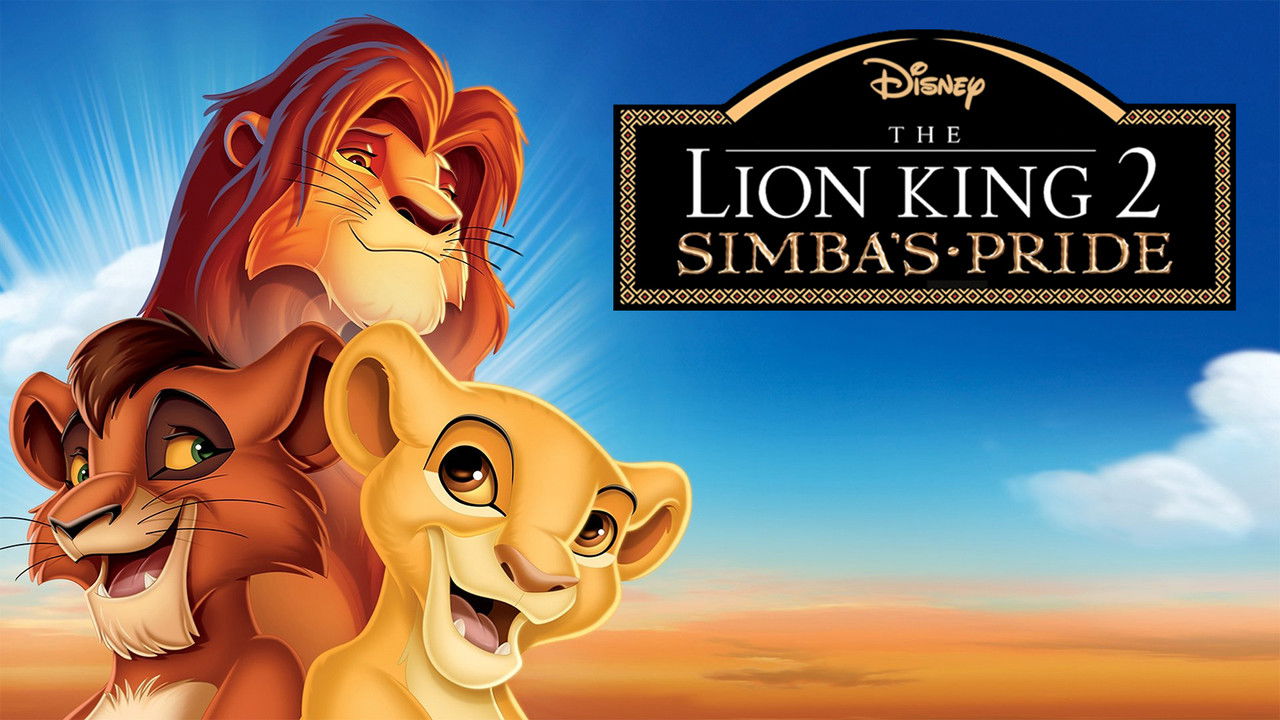
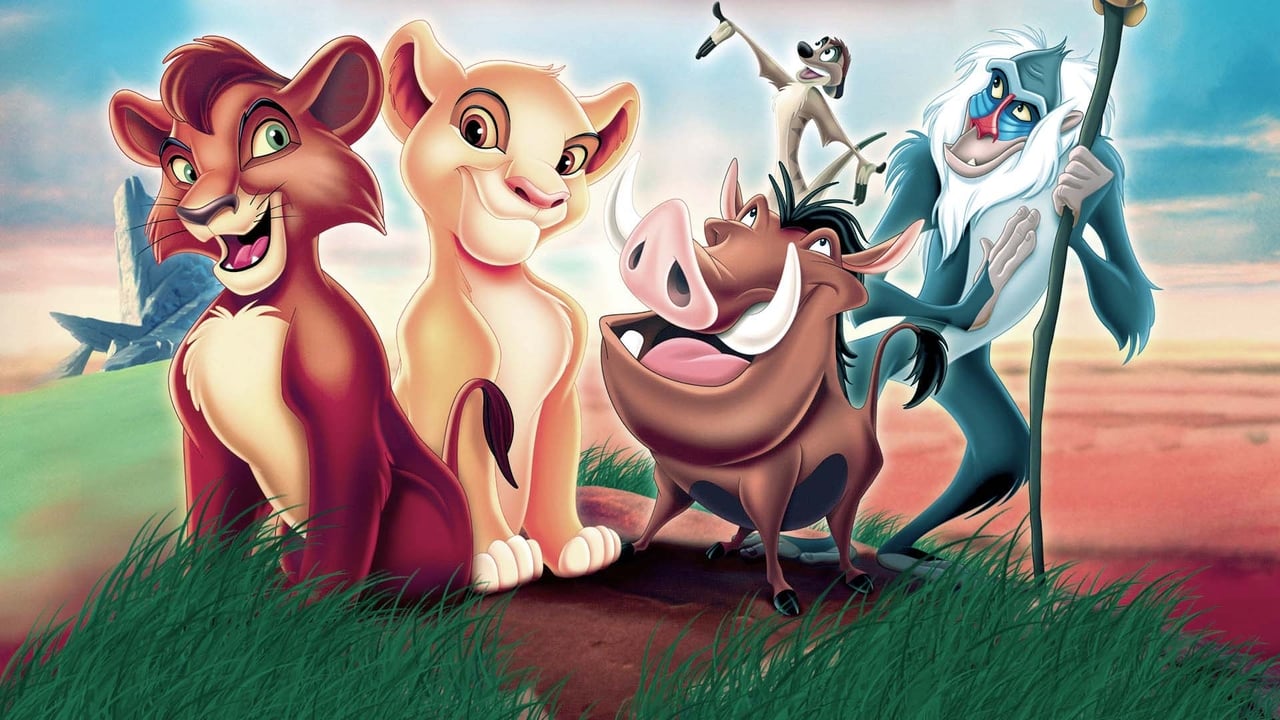
Enter Kiara, voiced by Neve Campbell (fresh off the Scream franchise and Party of Five). She captures that late-90s "it-girl" rebellion perfectly—headstrong, slightly annoyed by her father’s shadow, and looking for something more than just a royal title. Her counterpart, Kovu, is voiced by Jason Marsden (the definitive voice of Goofy’s son Max in A Goofy Movie). Kovu is the "Romeo" of the piece, the chosen heir of the late Scar, raised by the vengeful Zira to be an assassin. It’s a classic "nature vs. nurture" conflict that gives the film a darker edge than your typical Disney sequel.
A Villainess for the Ages
One of the most impressive things about Simba's Pride is Zira. Voiced with terrifying, rasping conviction by Suzanne Pleshette (known for The Birds and The Bob Newhart Show), she is arguably a more chilling villain than Scar. Scar was a droll, sarcastic schemer; Zira is a religious extremist. Her devotion to a dead tyrant is chilling, and her lullaby "My Lullaby" is a masterclass in musical-theater-style villainy.
Apparently, the production had to tone Zira down quite a bit. There’s a deleted scene—which surfaced years later in the DVD era’s "special features"—showing Zira’s original death. Instead of accidentally falling, she intentionally lets go of a cliff, smiling as she plummet to her death. It was deemed too dark for a "G" rating, but that intensity remains in the final cut. The Outlanders, a group of mangy, starving lions loyal to Scar, provide a stark visual contrast to the lush Pride Lands, reflecting the socio-political divide that underpins the drama.
The Music That Earned Its Place
It is a rare feat for a sequel’s soundtrack to rival the original, but "He Lives in You" is a legitimate banger. Originally written for a concept album called Rhythm of the Pride Lands and later used to open the Broadway musical, the song serves as the film’s spiritual backbone. It captures the transition from analog-era grandeur to the more streamlined, digital-assist animation of the late 90s.
The rest of the cast keeps the spirit alive. Nathan Lane and Ernie Sabella return as Timon and Pumbaa, though their bickering feels a bit more like a practiced comedy routine this time around. Andy Dick voices Nuka, Kovu’s unhinged older brother, providing a frantic, twitchy energy that balances out the more stoic moments. Interestingly, Rowan Atkinson didn't return to voice Zazu; the role was taken over by Edward Hibbert (Frasier), who voiced the hornbill so well most kids never even noticed the switch.
The Lion King II: Simba’s Pride holds a special place in the "Modern Cinema" era because it proved that the direct-to-video market could sustain genuine storytelling. It isn't as visually breathtaking as the original, and the "Circle of Life" themes are perhaps a bit more heavy-handed, but it treats its characters with respect. It addresses prejudice and the cycle of violence in a way that feels earned, not forced.
If you haven't revisited this since the days of rewinding tapes, it’s worth a look. Kovu was the blueprint for every "misunderstood bad boy" crush of the late 90s, and the film's final message of reconciliation still feels remarkably poignant. It’s a rare sequel that doesn't just want to be its father; it wants to find its own place in the sun. It may have been a "cheapquel" by budget, but it’s a heavyweight in heart.
Keep Exploring...
-
The Lion King
1994
-
The Lion King 1½
2004
-
Lady and the Tramp II: Scamp's Adventure
2001
-

The Return of Jafar
1994
-
Hercules
1997
-
Dinosaur
2000
-
Spirit: Stallion of the Cimarron
2002
-

The Cat Returns
2002
-
A Goofy Movie
1995
-

Pocahontas
1995
-
The Prince of Egypt
1998
-
Tarzan
1999
-
Mulan II
2004
-
Balto
1995
-
Anastasia
1997
-
Antz
1998
-

The Emperor's New Groove
2000
-
The Road to El Dorado
2000
-
A Knight's Tale
2001
-
Atlantis: The Lost Empire
2001