The Mask of Zorro
"The blade is sharp, but the chemistry is lethal."
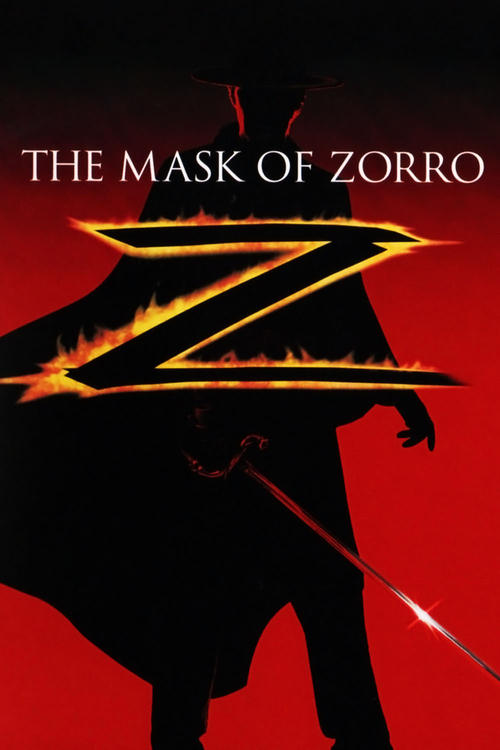
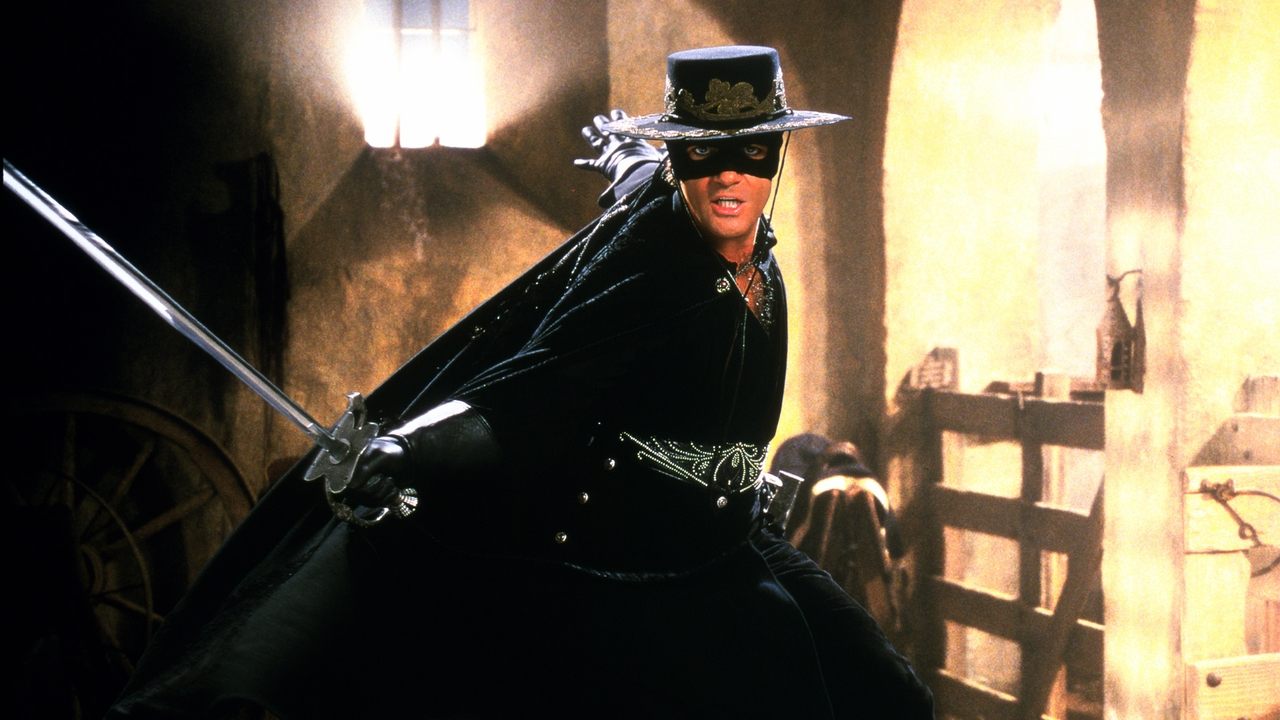
I remember exactly where I was when I first saw the "Z" slashed across a movie poster with such aggressive 90s confidence. I was sitting in a waiting room, flipping through a dog-eared copy of Premiere magazine, distracted by a lukewarm cup of vending machine coffee that tasted faintly of cardboard, while the world was obsessing over the looming digital shadow of The Phantom Menace. In an era where Hollywood was beginning to pivot hard toward pixels, The Mask of Zorro felt like a defiant, sweat-soaked middle finger to the burgeoning CGI revolution. It was old-school, it was practical, and it was impossibly cool.
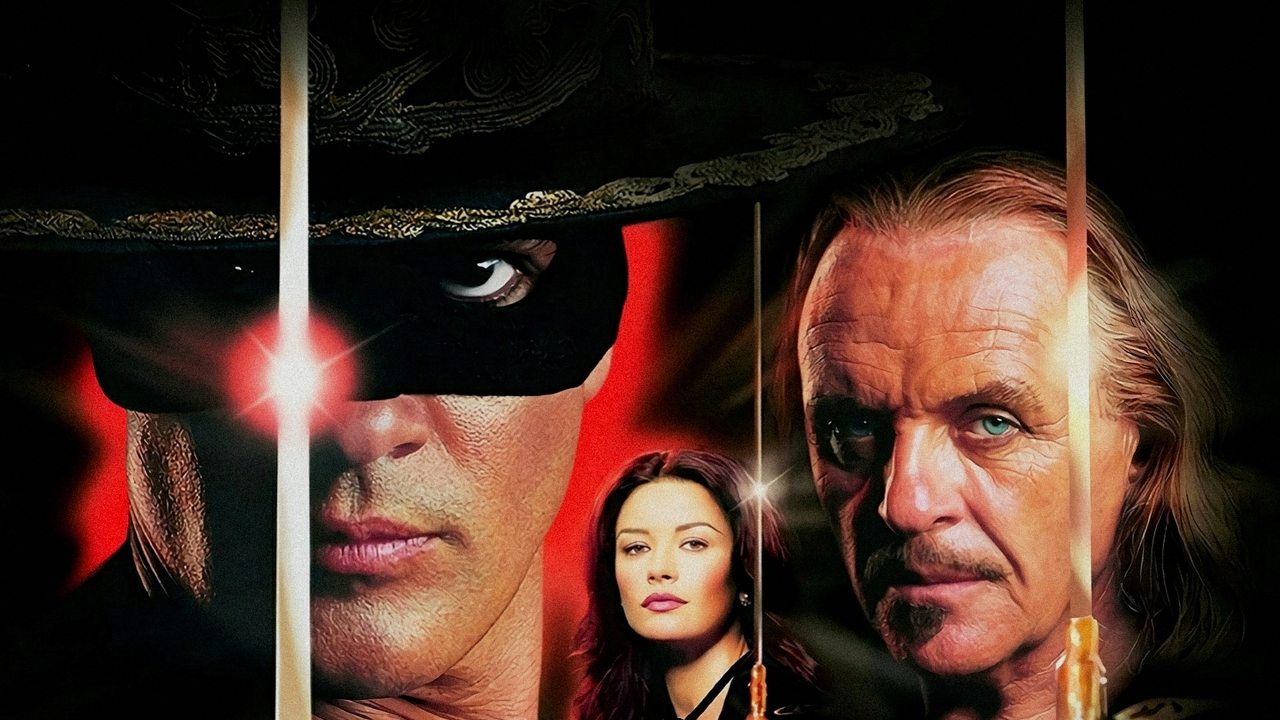
Looking back, 1998 was a weird crossroads for action cinema. We had the digital destruction of Godzilla and the high-concept gloss of Armageddon, but tucked between them was Martin Campbell’s swashbuckling masterclass. Coming off the success of GoldenEye (where he single-handedly saved James Bond), Campbell did the same for the man in the black mask. He understood that a hero like Zorro doesn't need a green screen; he needs a sharp rapier, a faster horse, and a lead actor who looks like he could impregnate a stone statue just by glancing at it.
A Masterclass in Passing the Torch
The genius of the screenplay by Terry Rossio and Ted Elliott—the duo who would later go on to define the pirate genre with Pirates of the Caribbean—is the mentor-student dynamic. It takes the legendary Anthony Hopkins as a refined, older Don Diego de la Vega and pairs him with Antonio Banderas’ Alejandro Murrieta, a drunken, disheveled bandit with a massive chip on his shoulder.
Anthony Hopkins brings a Shakespearean weight to a role that could have been a cartoon, but it’s Antonio Banderas who carries the film’s soul. He plays Alejandro with a perfect blend of slapstick incompetence early on and smoldering precision later. Watching the training sequences—where Diego breaks Alejandro down to build the hero—reminded me of the "DVD Culture" era. I spent hours watching the behind-the-scenes features on the Special Edition disc, seeing how Banderas actually trained with the legendary Bob Anderson, the Olympic fencer who also coached the cast of The Princess Bride and played Darth Vader in the Star Wars lightsaber duels.
Physicality Over Pixels
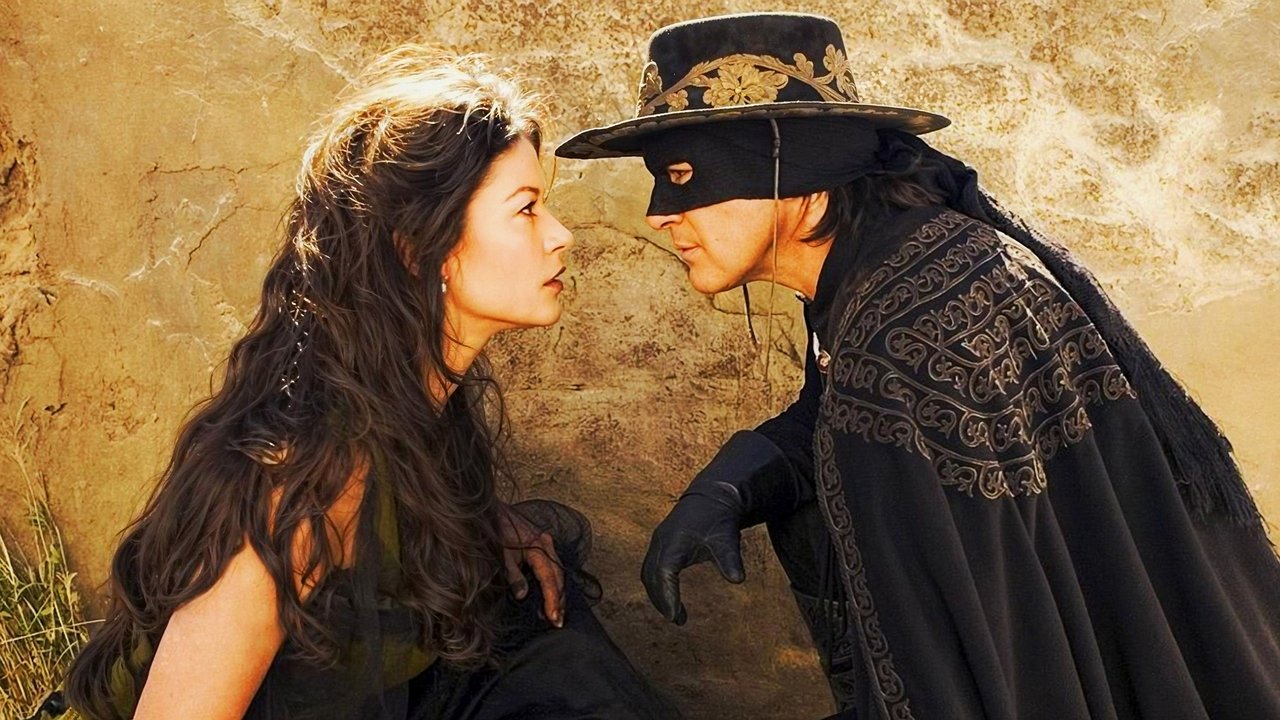
In retrospect, the action in this film is a dying art. The sword fights aren't just "fights"—they're conversations. Every parry and thrust tells us something about the characters' ego or desperation. The barn fight between Alejandro and Catherine Zeta-Jones (playing Elena) is arguably the most erotic thing to ever happen in a PG-13 adventure movie while everyone stays fully clothed. If you can watch that sword-assisted "unclothing" scene without realizing Zeta-Jones was the biggest star on the planet in 1998, you’re watching a different movie.
The stunts are refreshingly tactile. When you see a horse jump through a window or a bridge explode, you’re seeing the work of a second unit that wasn't afraid of a little gunpowder and gravity. Apparently, Robert Rodriguez was originally attached to direct, but his version was rumored to be a blood-drenched gore-fest that the studio balked at. While I love a good Rodriguez flick, Campbell was the right choice here. He captured a classicism that feels timeless rather than dated.
The Legend and the Lore
It’s easy to forget how much this movie leaned into the "Spanish Western" vibe, a subgenre that rarely gets this much budget. The villain, Stuart Wilson as Don Rafael Montero, is delightfully oily, and Matt Letscher’s Captain Love is the kind of sociopathic military man you just can’t wait to see get his comeuppance.
Some of the best trivia involves the casting: Anthony Hopkins was initially hesitant because of a bad back, and the role almost went to Sean Connery. While Connery would have been fun, Hopkins brings a specific, quiet grief to Diego that makes the revenge plot actually land. And then there’s the horse—Tornado. Turns out, the horse Banderas rode was so spirited that he frequently did things not in the script, forcing the actors to just react to the chaos.
The score by James Horner is also a standout. It’s one of his best, utilizing flamenco foot-stomps and soaring trumpets that practically demand you go buy a cape and a sword immediately after the credits roll. It captures that pre-9/11 sense of adventure—earnest, heroic, and unburdened by the gritty "realism" that would swamp the genre a few years later.
This is the gold standard for how to reboot a classic character without losing the magic of the source material. It bridges the gap between the practical grit of 80s action and the polished storytelling of the early 2000s. Whether it’s your first time watching or a twenty-year rewatch, the film holds up because charisma and practical stunt work don’t have an expiration date. It’s a reminder that sometimes, all you need for a perfect night at the movies is a hero who knows how to make an entrance—and a mark.

Keep Exploring...
-
The Legend of Zorro
2005
-
Vertical Limit
2000
-
GoldenEye
1995
-

Small Soldiers
1998
-

Sinbad: Legend of the Seven Seas
2003
-
Casino Royale
2006
-
The Lone Ranger
2013
-

The 13th Warrior
1999
-
Last Action Hero
1993
-
Waterworld
1995
-
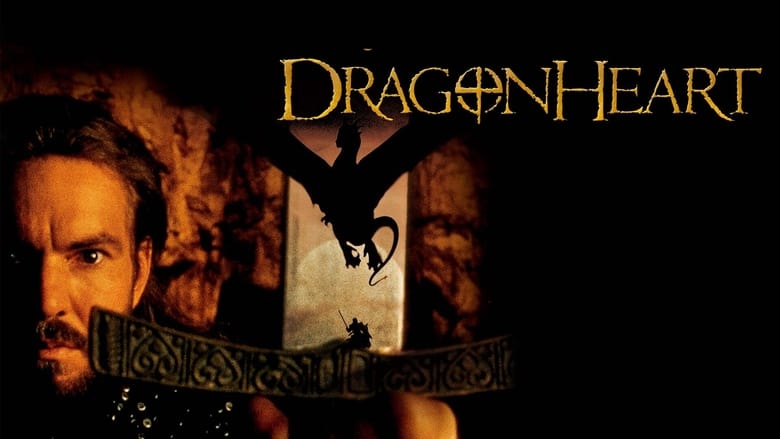
DragonHeart
1996
-
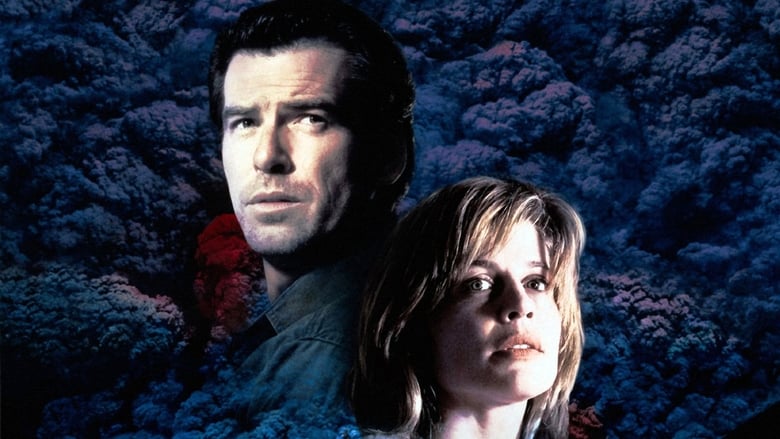
Dante's Peak
1997
-

Starship Troopers
1997
-
The Jackal
1997
-
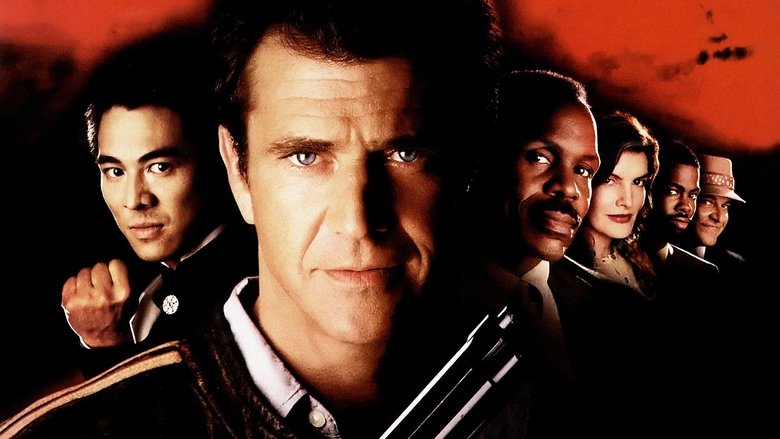
Lethal Weapon 4
1998
-
Charlie's Angels
2000
-
Shanghai Noon
2000
-

The Perfect Storm
2000
-
A Knight's Tale
2001
-
Lara Croft: Tomb Raider
2001