The Parent Trap
"Twice the charm, double the chaos, and zero parental logic."
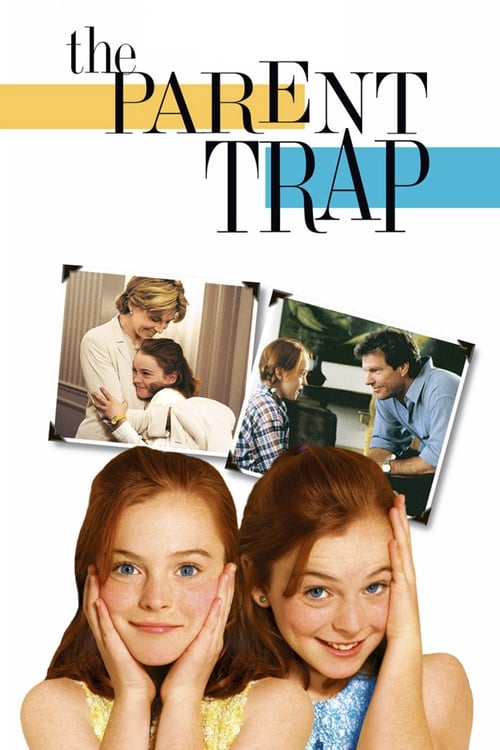
Before the tabloid headlines and the career-defining "Mean Girls," there was a girl, a green screen, and a very precise wig. In the summer of 1998, Disney didn't just release a remake of a 1961 Hayley Mills classic; they essentially engineered a blueprint for the modern "lifestyle" movie. Directed by Nancy Meyers, The Parent Trap remains a fascinating artifact of late-90s cinema—a time when we were transitioning from the grainy texture of analog film to the seamless, slightly surreal perfection of digital trickery.
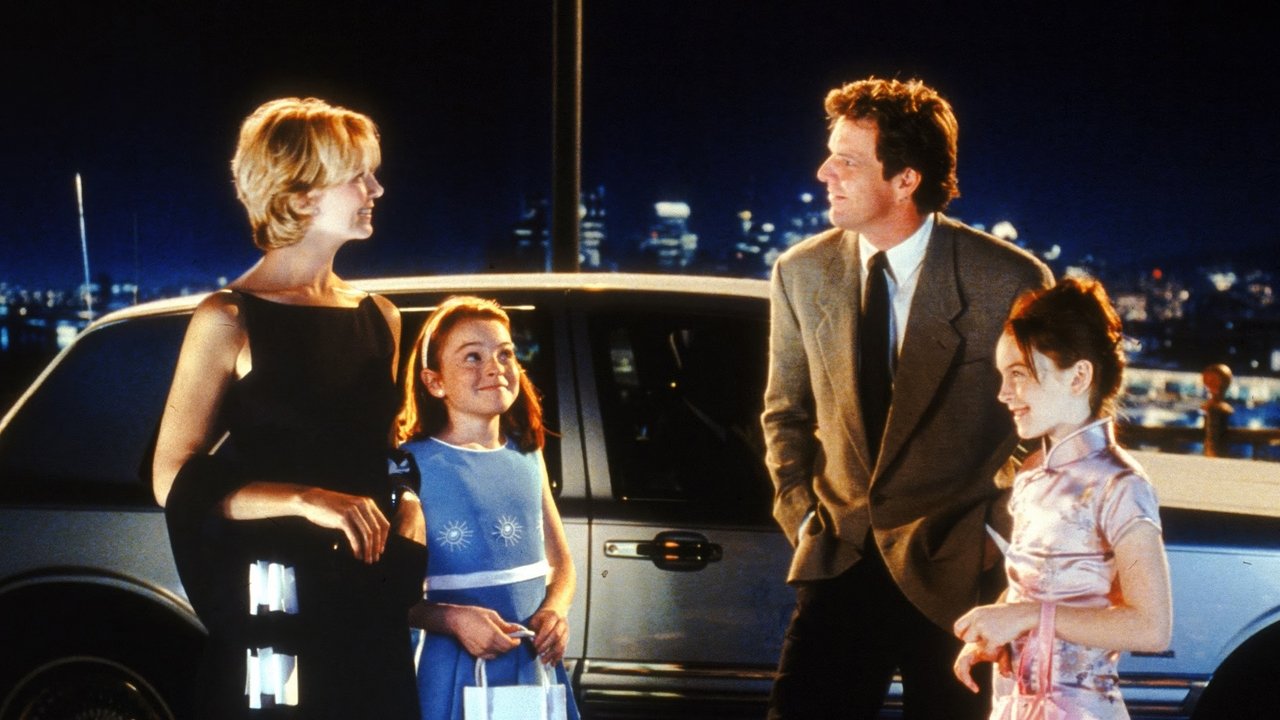
I watched this most recent viewing on a laptop with a cracked screen while my neighbor was loudly practicing the bassoon, and honestly, the bassoon gave the Camp Walden scenes a strangely regal, Ivy League energy that I hadn't noticed before.
The Lohan Illusion and Digital Sorcery
The most striking thing about rewatching this today isn’t the plot—which involves a level of parental negligence that would trigger a multi-state legal battle in 2024—but the performance of an 11-year-old Lindsay Lohan. Playing both Hallie Parker and Annie James, she isn't just reciting lines; she's navigating two distinct personalities with a nuanced grasp of class and physicality.
Technically, this was the "CGI Revolution" in its most domestic form. While Jurassic Park was using computers to breathe life into T-Rexes, Meyers was using "motion control" cameras and a body double named Erin Mackey to let Lohan give herself a high-five. As a kid, I was convinced Lohan had a secret twin. Looking back, the effects hold up surprisingly well because they rely on spatial clarity rather than flashy pixels. They didn't just slap two images together; they let the girls interact, touch, and—most importantly—exist in the same frame without that weird "shimmer" that plagued earlier split-screen efforts.
The "Meyers" Aesthetic and the 90s Dream
This film marked Nancy Meyers' directorial debut, and her fingerprints are all over the $15 million production. If you’ve ever wondered why your kitchen doesn't look like a catalog for high-end cabinetry, it’s probably because you aren’t living in a Meyers film. Whether it’s the sun-drenched Napa Valley vineyard of Nick Parker (Dennis Quaid) or the chic, cream-colored London townhouse of Elizabeth James (Natasha Richardson), the movie sells a specific kind of aspirational comfort.

It’s a world where everyone is impossibly tan, the wine is always flowing, and the tragedy of a broken family is softened by the presence of a live-in butler. Natasha Richardson is the soul of the film; she brings a warmth and a slight, melancholic fragility that keeps the movie from drifting into pure slapstick. Opposite her, Dennis Quaid plays the "cool dad" with such a squinty-eyed, rugged charm that you almost forget he’s the guy who agreed to split his children up and never speak to them again. Nick Parker is basically a golden retriever in denim who probably shouldn't be trusted with a goldfish, let alone a child.
The Cult of Meredith Blake
We have to talk about the villains and the staff. The internet has spent the last decade undergoing a massive cultural reassessment of Meredith Blake, played with icy perfection by Elaine Hendrix. Meredith Blake was just a 26-year-old woman who knew her worth and didn't want to raise someone else's bratty campers. Re-watching her get "pranked" with a lizard on her head feels less like justice and more like a very stressful day at work.
The supporting cast is where the comedy truly breathes. Lisa Ann Walter as Chessy and Simon Kunz as Martin the butler provide the film’s heartbeat. Their budding romance is the kind of subplot that usually feels like filler, but here, it adds to the sense of a found family. Apparently, the famous "handshake" between Annie and Martin took hours of rehearsal, and you can see the pride in Simon Kunz’s eyes every time they nail it.
A Time Capsule of Practical Magic
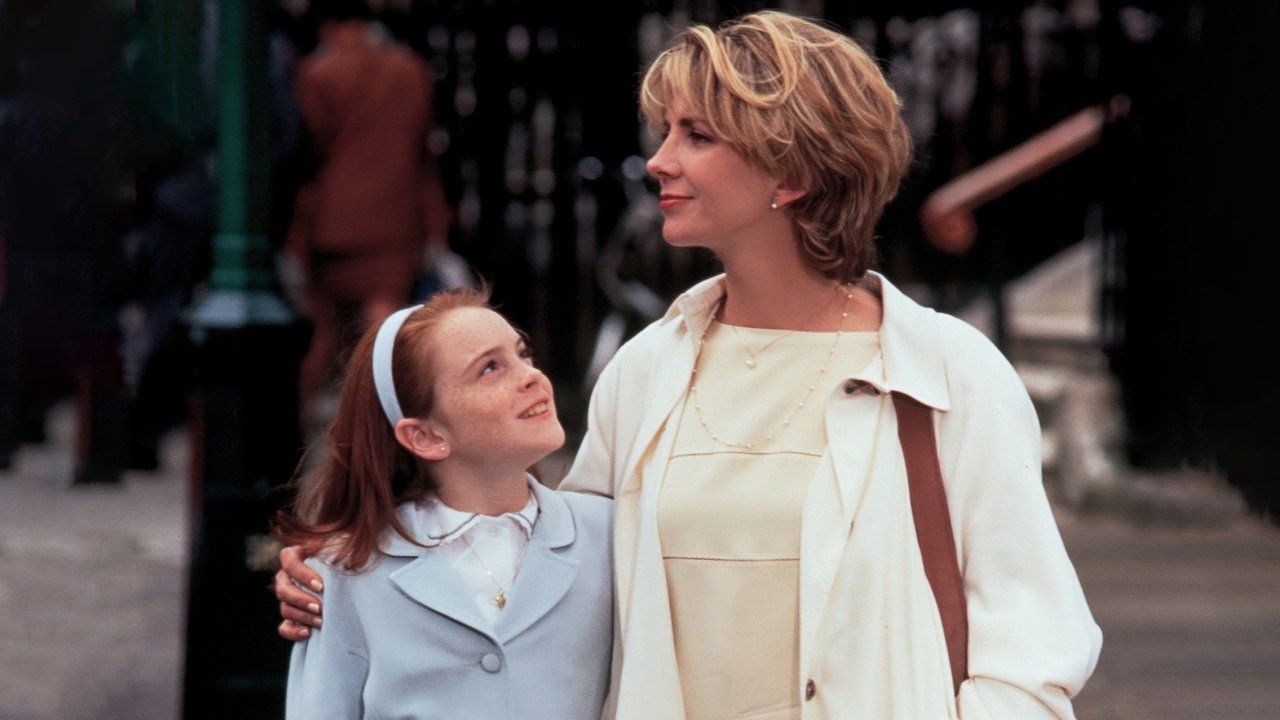
There’s a specific joy in the "stuff" of this movie. The Cuervo Gold, the Oreos with peanut butter, the blue trunk, the torn photograph. It captures a moment before the internet made the world small. The stakes of the girls switching places feel higher because there were no smartphones to accidentally reveal the truth.
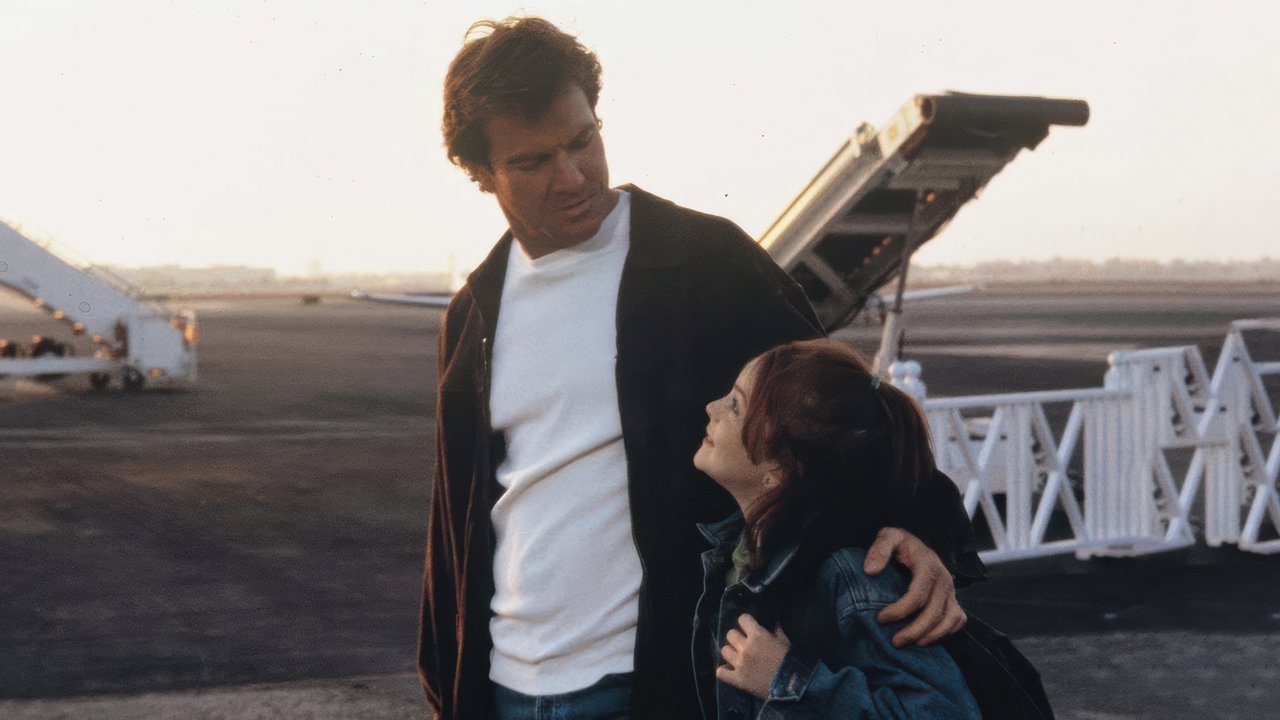
The trivia behind the scenes is just as charming. Hallie and Annie were named after Nancy Meyers’ own daughters, and Lindsay Lohan’s mother and siblings actually have cameos in the airport scene. It feels like a family affair, which perhaps explains why it has survived the "remake" stigma to become a definitive version in its own right. It’s a film that trusts its audience to enjoy the artifice, celebrating the "double the trouble" tagline with a wink and a very expensive glass of Napa red.
The Parent Trap is a rare remake that surpasses its predecessor by leaning into the specific, polished optimism of the late 90s. It’s funny, it’s technically impressive for its time, and it features a child performance that still feels like a miracle of casting. Even if the central premise is legally horrifying, the execution is pure cinematic comfort food. It remains a foundational text for anyone who ever dreamt of finding their long-lost twin at a summer camp and orchestrating a multi-continental identity heist.

Keep Exploring...
-
The Holiday
2006
-
Something's Gotta Give
2003
-
Freaky Friday
2003
-

It's Complicated
2009
-
Hercules
1997
-
What Women Want
2000
-
High School Musical 2
2007
-
A Goofy Movie
1995
-
It Takes Two
1995
-
The Princess Diaries
2001
-
What a Girl Wants
2003
-
A Cinderella Story
2004
-
Herbie Fully Loaded
2005
-
Another Cinderella Story
2008
-

The Little Rascals
1994
-

Camp Rock
2008
-
Addams Family Values
1993
-
Groundhog Day
1993
-
Hocus Pocus
1993
-
Clueless
1995