The Prince of Egypt
"Two brothers, one empire, and a sea between them."
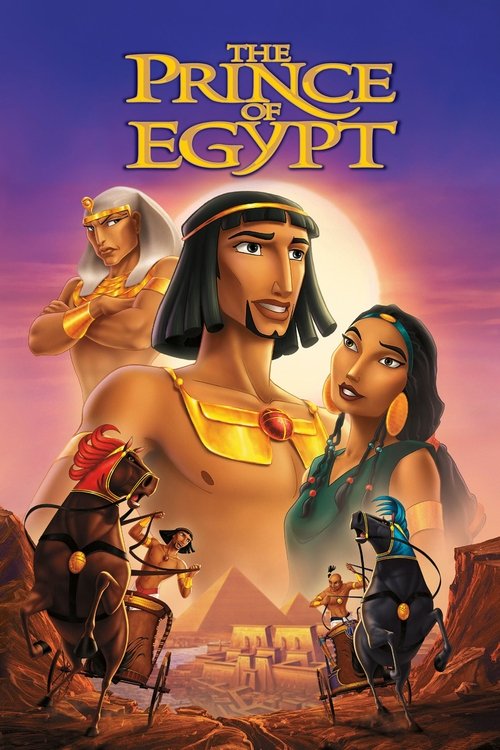
In 1998, the "Animation Wars" were in full swing, and DreamWorks Pictures was the scrappy, slightly rebellious teenager trying to prove it could hang with the Disney elite. While the Mouse House was busy with the fun, frantic energy of Mulan, Jeffrey Katzenberg—who had left Disney with a massive chip on his shoulder—decided to gamble $70 million on a story about slavery, plagues, and a fratricidal divine mandate. It shouldn't have worked. A "biblical epic" in animation usually sounds like something you’d find in a dusty church basement on a worn-out VHS, but The Prince of Egypt remains one of the most visually daring and emotionally heavy-hitting dramas of the 90s.
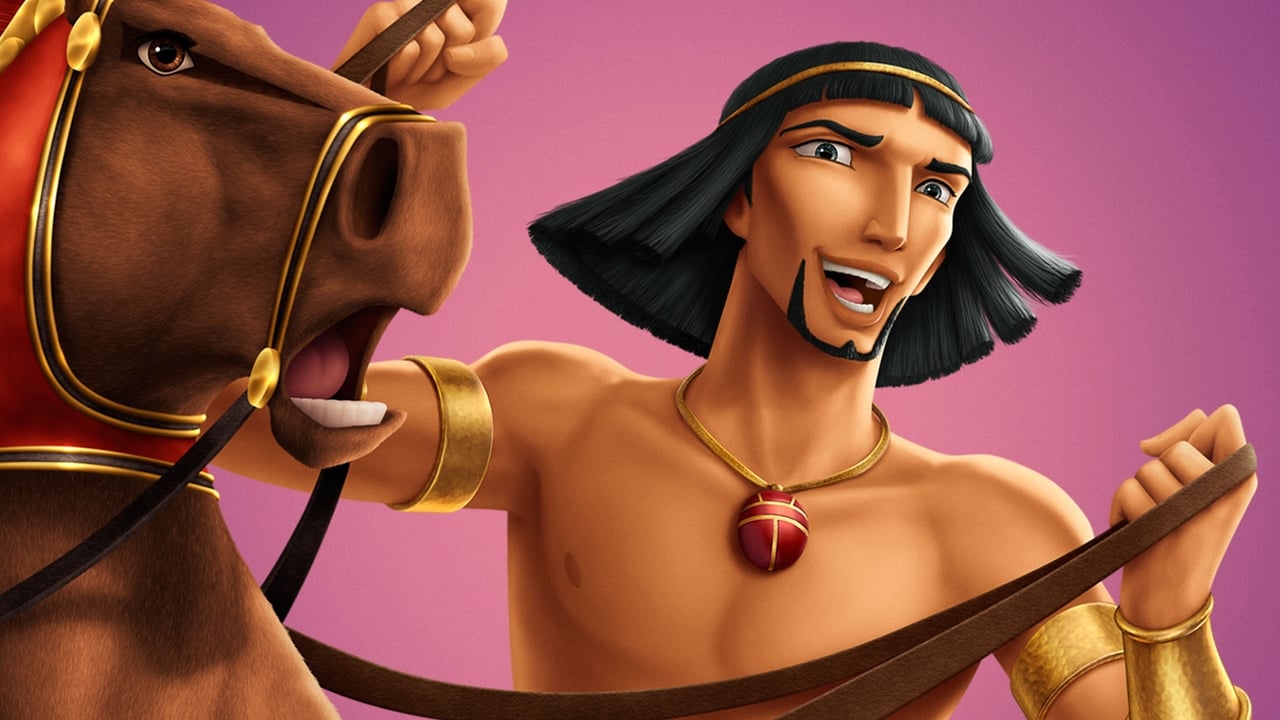
I recently rewatched this while eating a bowl of cereal that had gone slightly soggy because I was too mesmerized by the opening sequence to pick up my spoon, and honestly, the milk-soaked flakes only added to the experience. From the first frame of the "Deliver Us" sequence, you realize this isn't a "cartoon" for toddlers. It’s a sweeping, cinematic tragedy.
The Tragedy of the Two Brothers
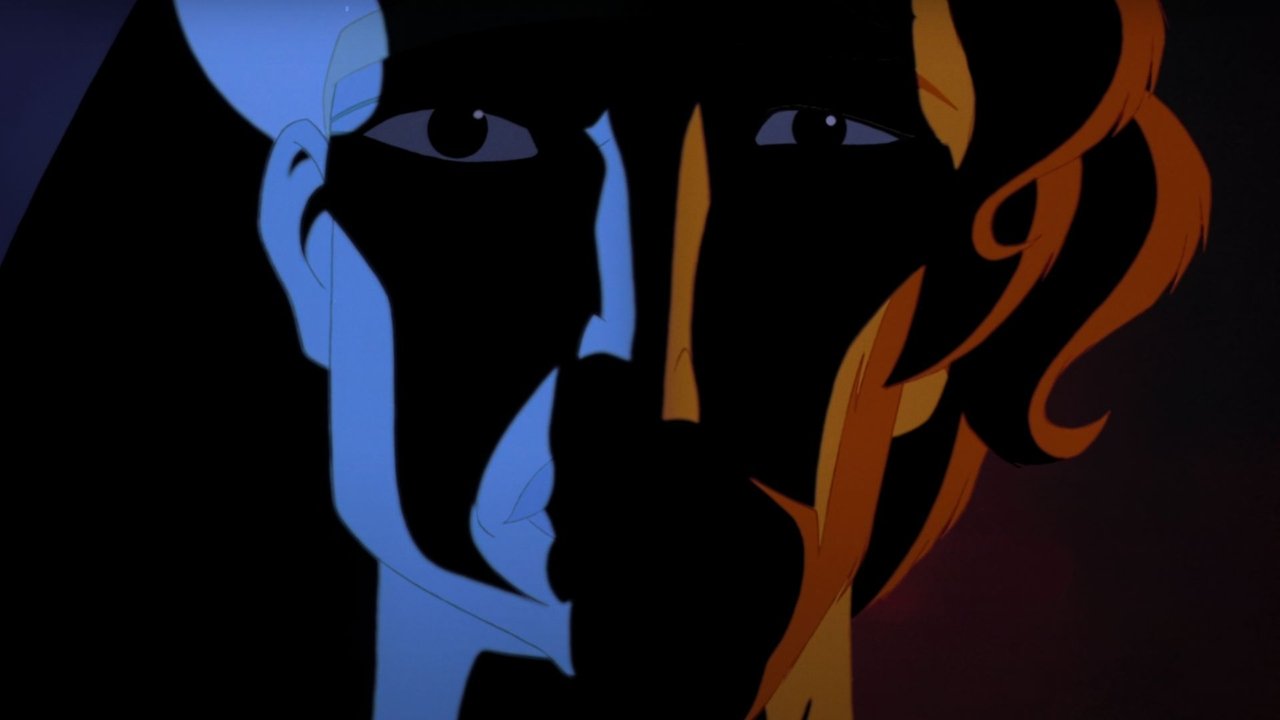
The genius of the screenplay by Philip LaZebnik isn't the miracles; it's the relationship between Moses and Rameses. By framing the Exodus as a family breakup, the stakes feel intimate even when the scale is infinite. Val Kilmer gives Moses a fascinating arc, moving from a pampered, reckless prince to a man literally shaking under the weight of God’s voice. But it’s Ralph Fiennes as Rameses who steals the show. He isn't a mustache-twirling villain. He’s a man trapped by the crushing expectations of his father, Seti, and the legacy of a "Morning Star."
When they argue, you don't see a hero and a villain; you see two brothers who desperately want to love each other but are being pulled apart by tectonic shifts in faith and justice. Their chemistry is palpable, which is impressive considering they likely recorded their lines in separate booths months apart. The chariot race in the first act makes Ben-Hur look like a grocery store kiddy ride, establishing a bond that makes their eventual confrontation in the ruins of a plague-stricken Egypt genuinely heartbreaking.
A High-Water Mark for Hand-Drawn Ambition
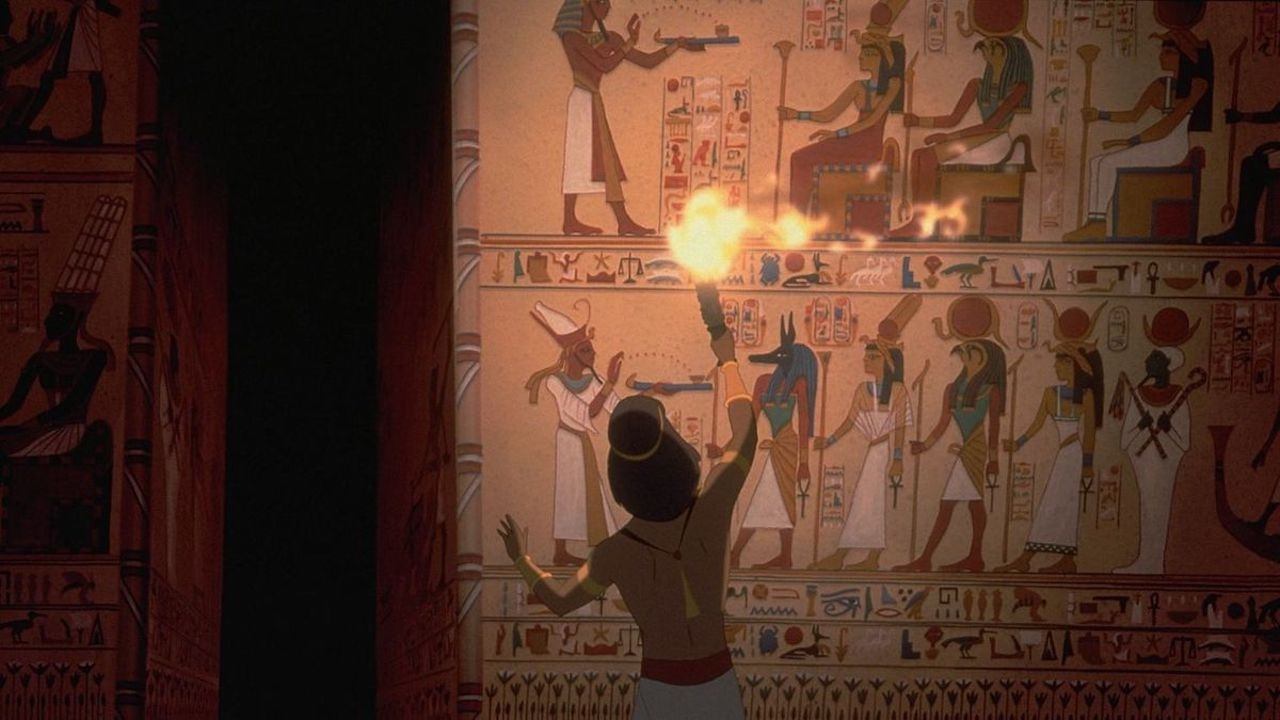
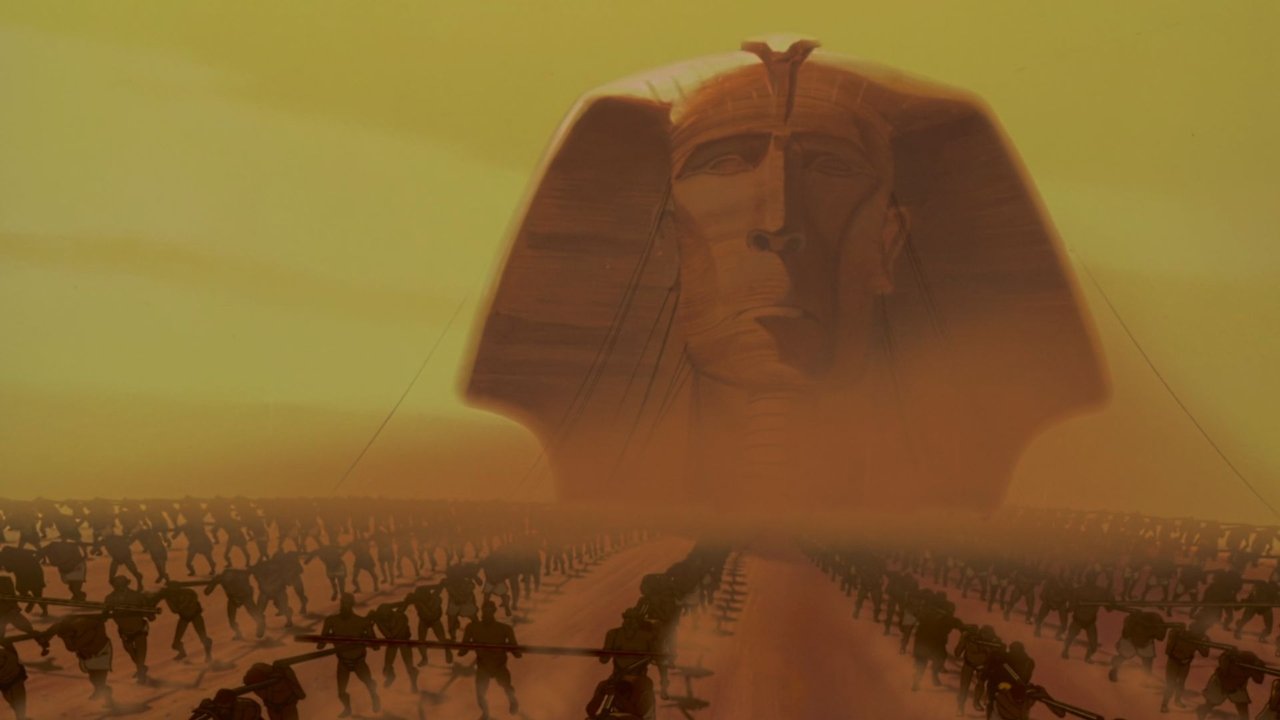
Looking back, the late 90s were a weird, experimental transition for CGI. Filmmakers were trying to figure out how to marry the warmth of hand-drawn art with the scale of digital rendering. The Prince of Egypt is arguably the peak of this hybrid era. The "Deep Canvas" technology used here allowed for camera movements that were previously impossible in 2D animation, giving the city of Pi-Rameses a sense of terrifying verticality.
The "Plagues" sequence is a masterclass in tone. It’s dark, moody, and leans into a "hieroglyphics come to life" aesthetic that feels incredibly sophisticated. It’s also surprisingly brutal for a "Family" film. DreamWorks didn't shy away from the grim reality of the source material. They actually consulted roughly 600 religious experts to ensure they weren't being flippant, though I suspect the theologians weren't the ones asking for the (thankfully brief) comic relief from the high priests played by Steve Martin and Martin Short.
The Sound of the Divine
We have to talk about the music. Hans Zimmer was fresh off The Lion King, and here he decided to go full "Epics of the Golden Age." The score is massive, utilizing Middle Eastern instruments and choral arrangements that make your chest vibrate. Stephen Schwartz’s songs, particularly "When You Believe" (which became a massive Whitney Houston and Mariah Carey hit), are iconic, but for my money, the best track is "The Plagues." The way the melodies of Moses and Rameses’ previous songs are twisted and layered against each other is a brilliant piece of musical storytelling.
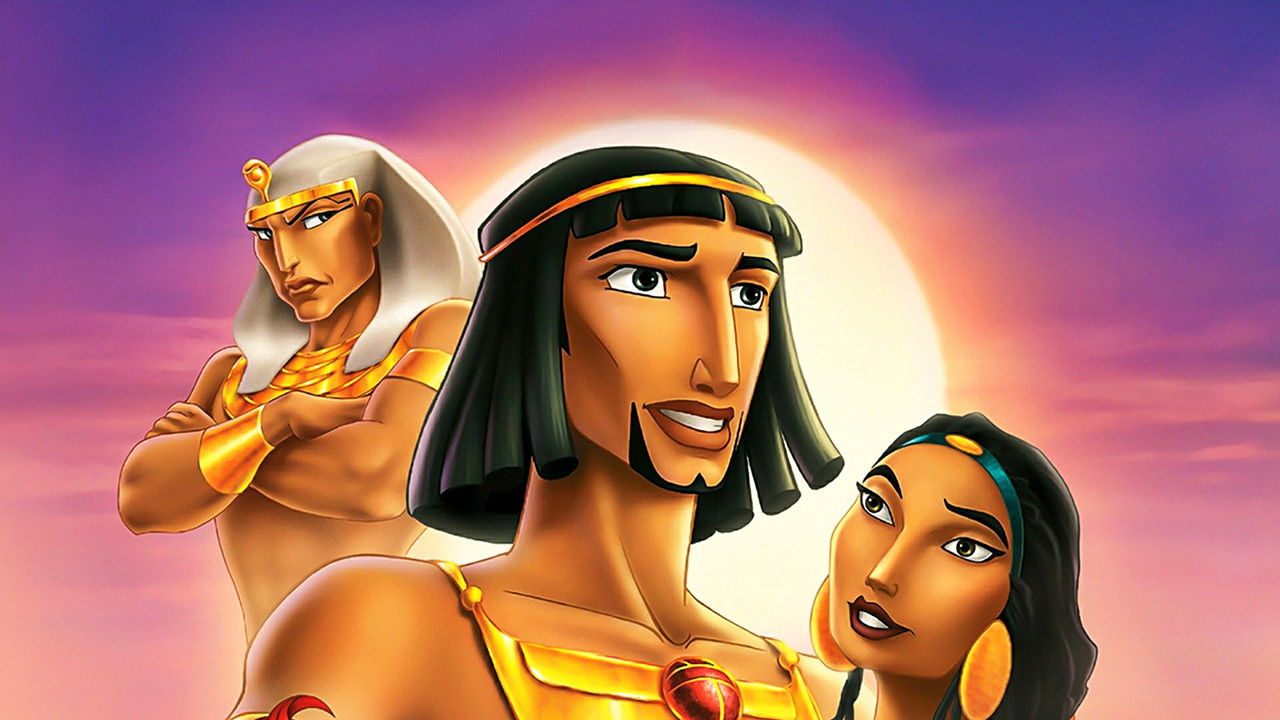
The cast is equally "blockbuster" in scale. You have Michelle Pfeiffer bringing a fierce dignity to Tzipporah, Sandra Bullock and Jeff Goldblum as Moses' biological siblings, and Danny Glover as a warm, booming Jethro. It was a time when studios threw every A-lister at the wall to see who would stick, but here, the casting feels purposeful. Fun fact: Val Kilmer actually provided the voice for the Burning Bush as well, whispered at a frequency that suggests he’s both the brother and the God.
The Prince of Egypt is a reminder of what happens when a studio stops worrying about selling toys and starts worrying about telling a story. It’s a film that respects its audience’s intelligence, offering a complex look at faith, guilt, and the cost of freedom. Whether you’re religious or not, the sheer craft on display—from the parting of the Red Sea to the quiet, tearful goodbye between two former brothers—is undeniable.
This film hasn't just aged well; it’s actually gotten better as the industry has leaned further into safe, formulaic sequels. It’s a massive, beautiful, and slightly scary achievement that proves animation can handle the heaviest of human dramas. If you haven't seen it since you were a kid, watch it again. You’ll be surprised by how much of that "power" is still very real.
Keep Exploring...
-
Tarzan
1999
-

Balto
1995
-
Mulan
1998
-

Brave
2012
-
Spirit: Stallion of the Cimarron
2002
-
The Lion King
1994
-
The Lion King II: Simba's Pride
1998
-

Pocahontas
1995
-
The Hunchback of Notre Dame
1996
-

A Bug's Life
1998
-
Shrek
2001
-

Ice Age
2002
-

The Cat Returns
2002
-
Toy Story
1995
-
Dinosaur
2000
-
Treasure Planet
2002
-

Sinbad: Legend of the Seven Seas
2003
-

Wallace & Gromit: The Curse of the Were-Rabbit
2005
-
Shrek 2
2004
-
The Incredibles
2004