The Thin Red Line
"Nature doesn't care if you're a hero."
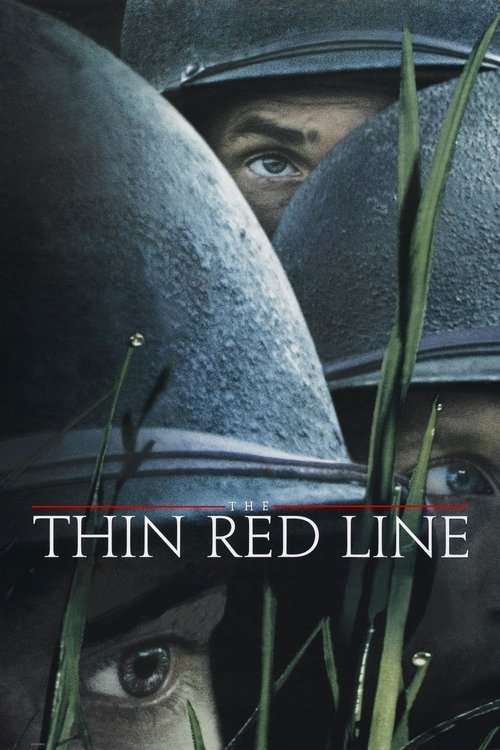
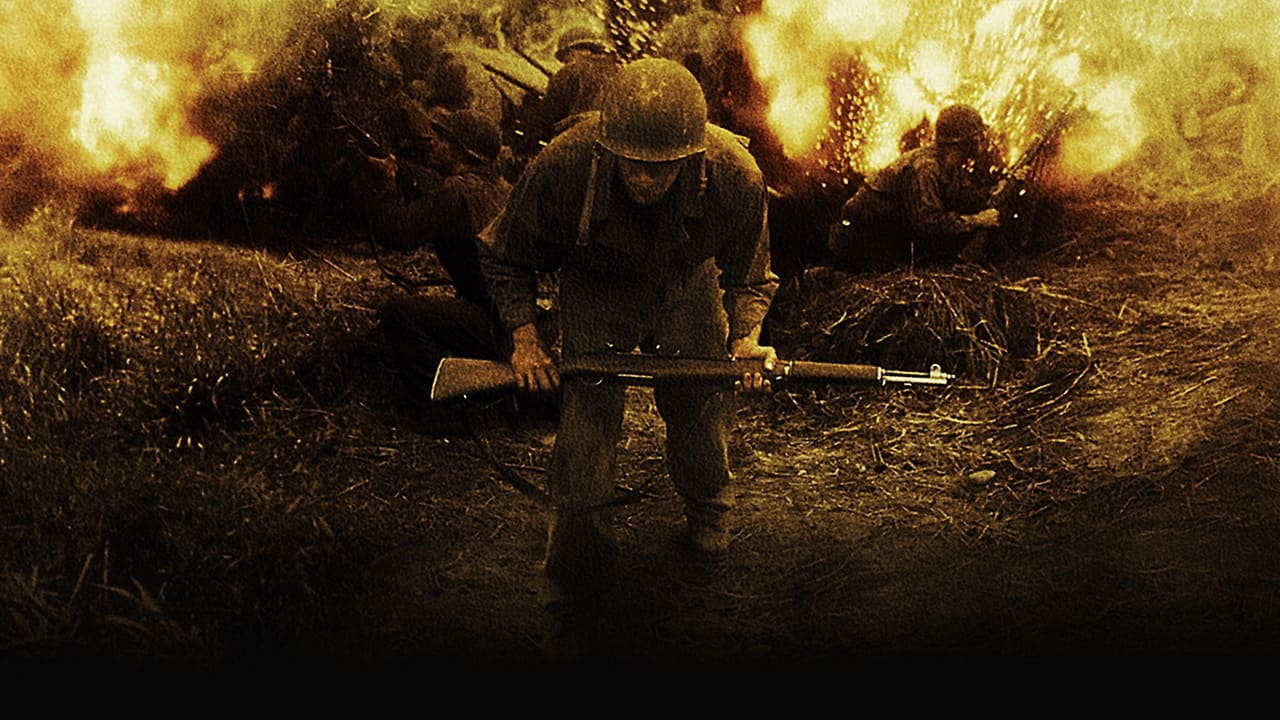
When 1998 rolled around, everyone thought they knew what the "definitive" World War II movie looked like. Steven Spielberg had just dropped Saving Private Ryan, a film that essentially rewired our collective brains to associate the 1940s with shaky cameras and the sound of whizzing bullets. But then, after a twenty-year vanishing act that would make Howard Hughes blush, Terrence Malick resurfaced. He didn't just bring a movie; he brought a three-hour tone poem that felt less like a history lesson and more like a fever dream.
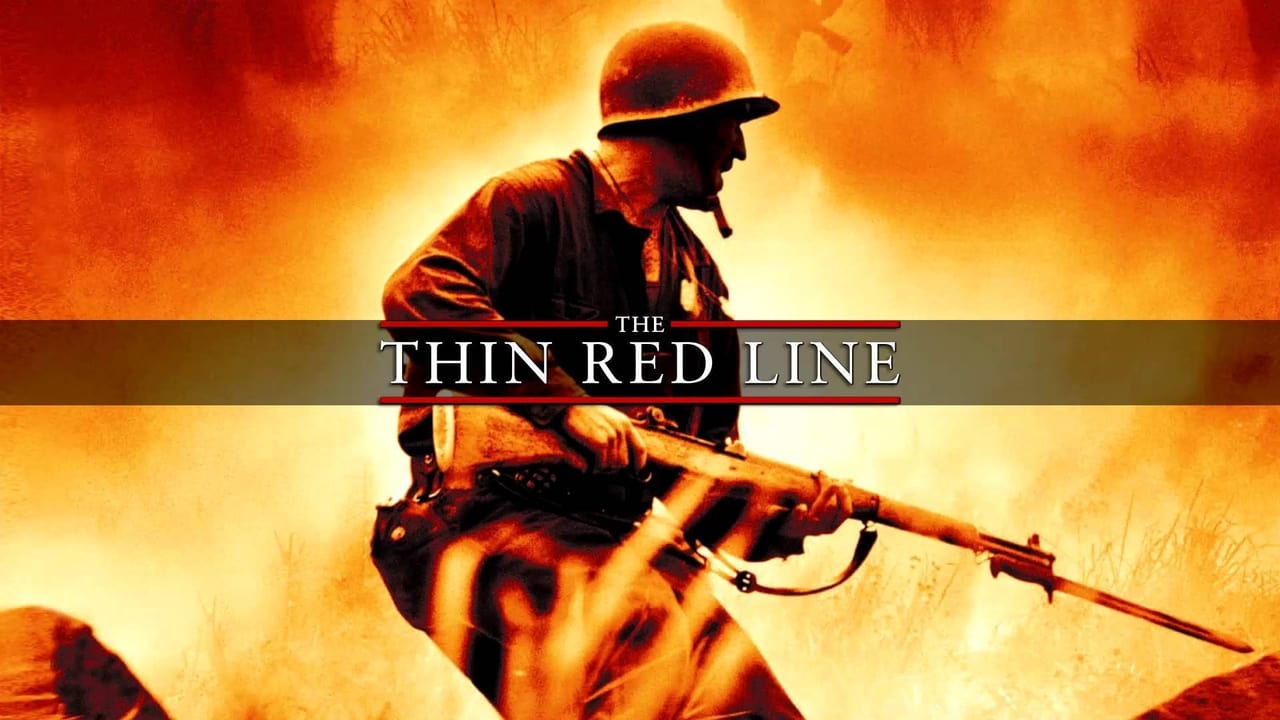
I remember watching this on a humid Tuesday evening while nursing a bag of lukewarm grapes, and something about the stickiness of the fruit perfectly matched the oppressive, sweaty atmosphere on screen. While other directors were obsessed with the mechanics of the "Great Crusade," Malick seemed more interested in the way sunlight hits a blade of grass while a man is bleeding out next to it. It’s a jarring, beautiful, and deeply unsettling experience that asks why nature is so indifferent to our self-inflicted extinctions.
The Great Cutting Room Floor Massacre
The production of this film is the stuff of Hollywood legend, mostly because of who isn’t in it. In the late 90s, every A-lister in town was tripping over themselves to work with Malick after his two-decade hiatus. Apparently, the first cut of the film was over five hours long. By the time Malick was done hacking away at the celluloid, stars like Bill Pullman, Mickey Rourke, and Billy Bob Thornton had been erased entirely.
The most famous casualty, though, was Adrien Brody. He showed up to the premiere expecting to see himself as the lead, only to find out he’d been reduced to a handful of lines and a lot of wide-eyed staring. Instead, the film centers on Jim Caviezel as Witt, a soulful deserter who seems to be searching for God in the middle of a mortar pit. Caviezel has this ethereal quality that makes him feel like he’s already half-dead, which serves as the perfect anchor for a movie that treats the soul like a battlefield.
A Different Kind of Grunt
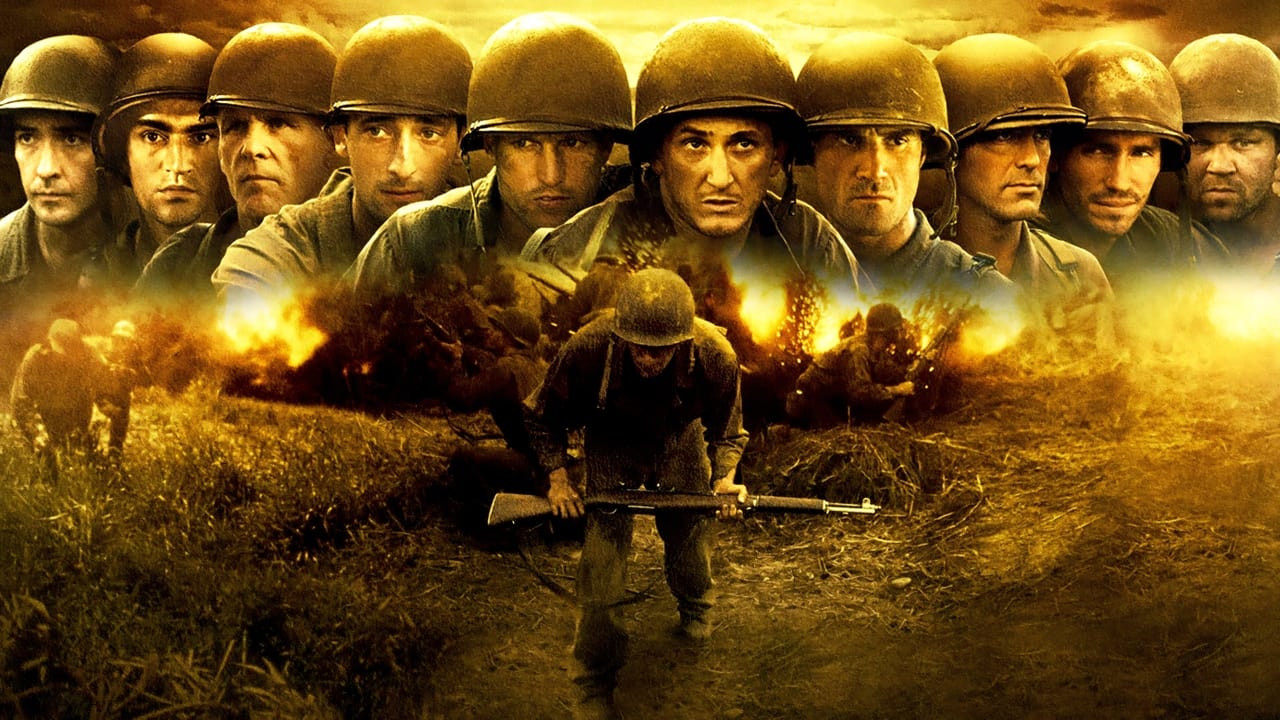
If you’re looking for a "rah-rah" recruitment poster, you’re in the wrong zip code. This is a movie where the internal monologues are louder than the explosions. Sean Penn plays Sergeant Welsh, the resident cynic who believes "property" is the only thing worth fighting for, while Nick Nolte gives a career-best performance as Colonel Tall. Nolte is a powder keg of career-anxiety and aging rage; his scenes with Elias Koteas—who plays the compassionate Captain Staros—are the highlight of the film.
There’s a specific tension in their telephone arguments that captures the bureaucratic horror of war. When Nolte screams about "the objective," you realize he’s not fighting the Japanese; he’s fighting his own fear of being irrelevant. Terrence Malick treats human dialogue like an annoying distraction from a particularly nice-looking fern, but when he lets these two go at it, the drama is as sharp as a bayonet. It’s a reminder that in the 90s, before every blockbuster required a post-credits scene and a digital cape, we actually let actors chew on complex moral dilemmas for ten minutes at a time.
The Sound of Silence and Grass
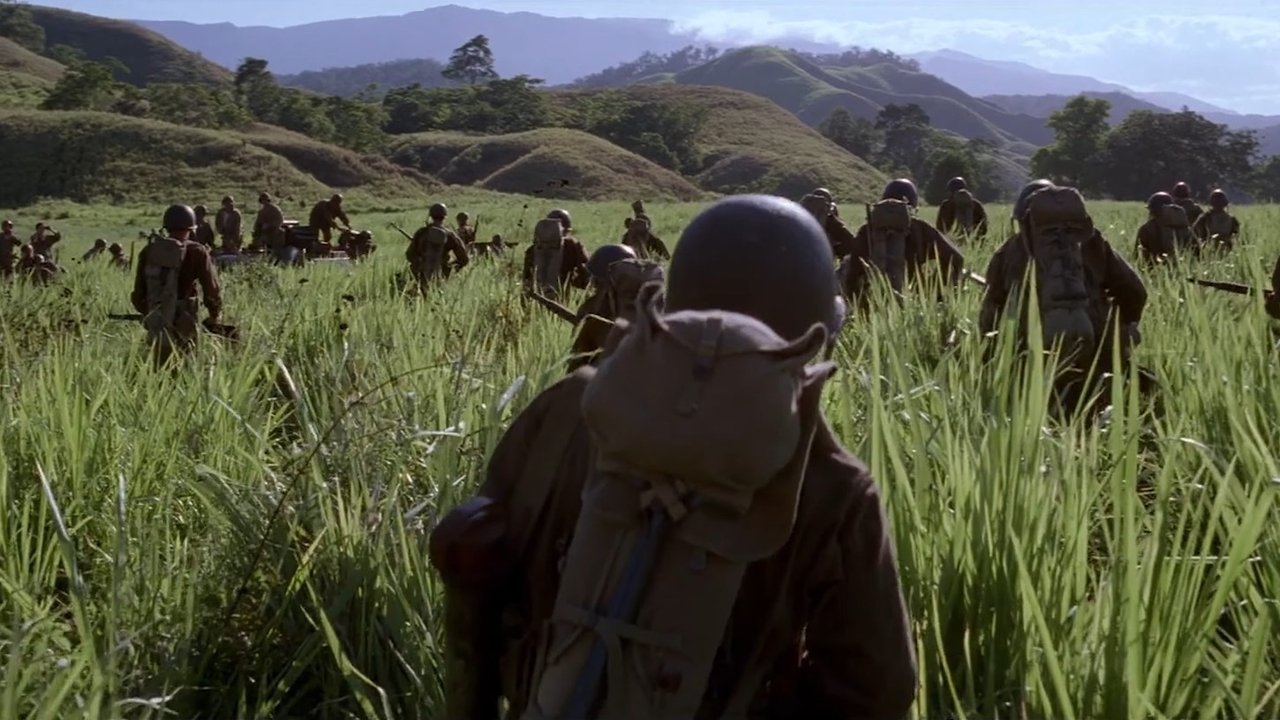
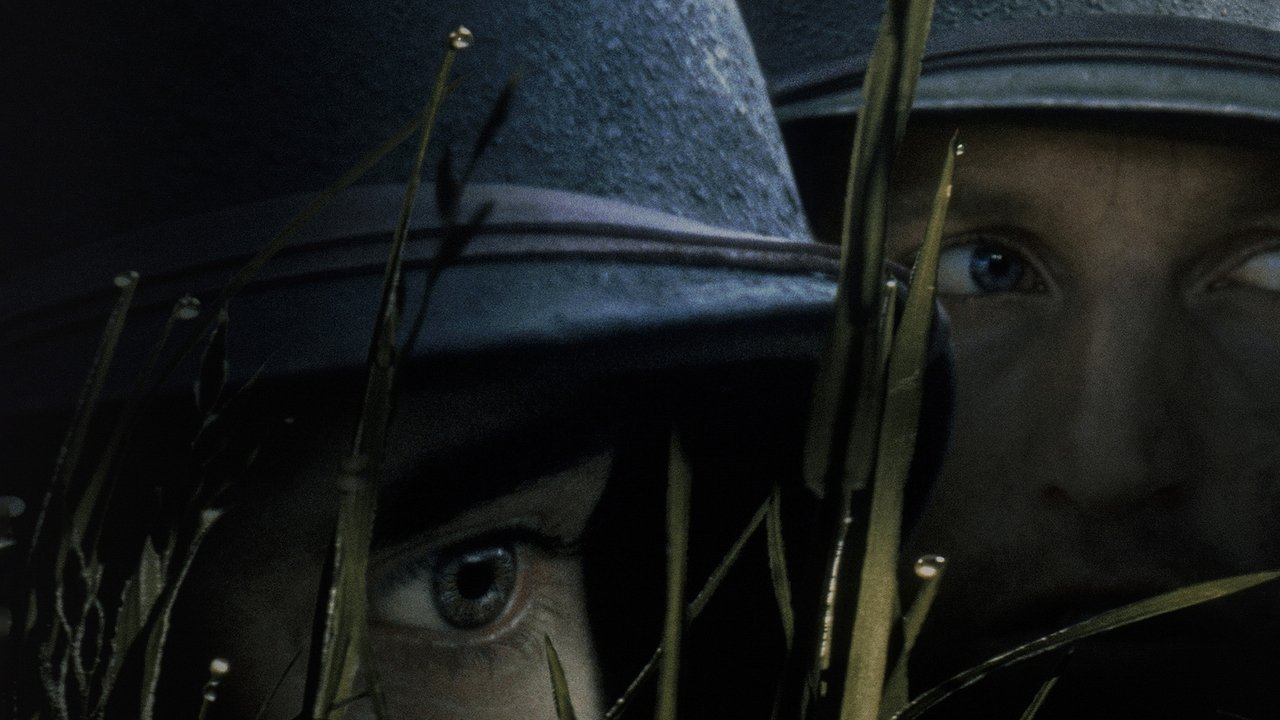
We have to talk about the look of this thing. John Toll, the cinematographer who also shot Braveheart and Legends of the Fall, captures Guadalcanal in a way that makes it look like Eden after the Fall. The "Thin Red Line" refers to the slim margin between the sane and the mad, and the camera reflects that by constantly drifting away from the carnage to look at a colorful bird or a crawling insect. It’s a deliberate choice that makes the violence feel even more grotesque because it’s happening in such a lush paradise.
Then there’s the score. Hans Zimmer—who usually loves a good "BRRRRRRRAAAAAAAAM" synth blast—composed "Journey to the Line," a piece of music so influential that it has been used in about a thousand movie trailers since. It’s a ticking clock of a melody that builds a sense of dread I haven't quite shaken off decades later. Interestingly, Zimmer actually wrote several hours of music before a single frame was shot, allowing Malick to play the themes on set to set the mood.
Looking back, it’s a miracle a studio spent $52 million on a philosophical inquiry into the nature of evil. In the era of the burgeoning franchise, The Thin Red Line stands as a relic of a time when "epic" meant the scale of a director's ambition, not just the size of the explosions. Watching this movie is like being punched in the soul by a very poetic cloud. It’s long, it’s demanding, and it’s arguably the most honest war movie ever made because it admits that, in the end, the grass doesn't care who won the hill.
It’s easy to see why this became a cult favorite for the "film bro" crowd and a point of frustration for those expecting a standard action flick. If you’re used to the hyper-kinetic, digital sheen of modern war cinema, Malick’s slow, analog pace might feel like a chore. But if you give in to the rhythm, you’ll find a movie that captures the terrifying loneliness of being a person in a world that’s much bigger—and much older—than you. It’s a haunting reminder that even in the middle of a world war, the biggest battle is the one happening inside your own head.
Keep Exploring...
-
The Patriot
2000
-
Enemy at the Gates
2001
-
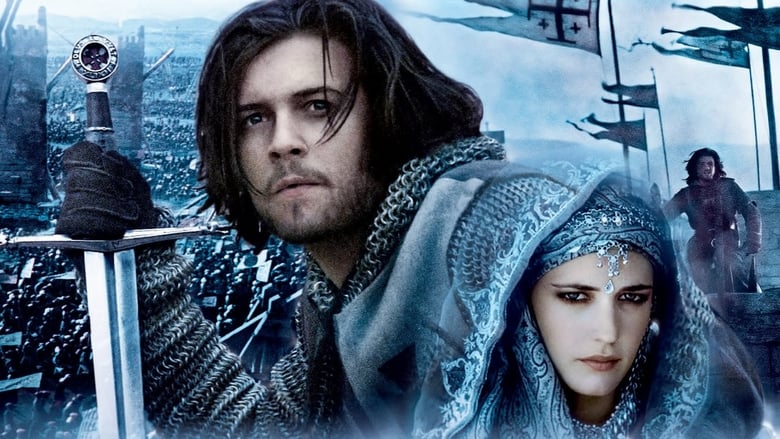
Kingdom of Heaven
2005
-
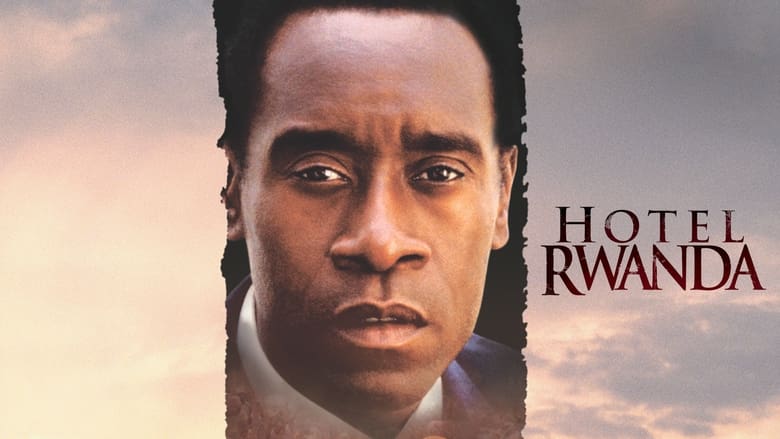
Hotel Rwanda
2004
-

Braveheart
1995
-
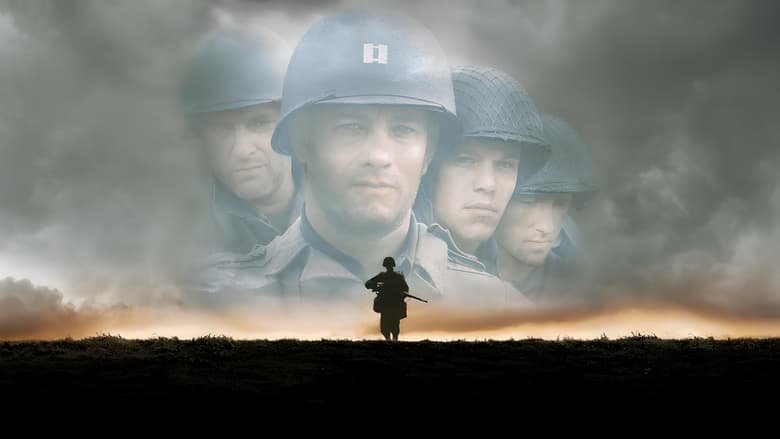
Saving Private Ryan
1998
-
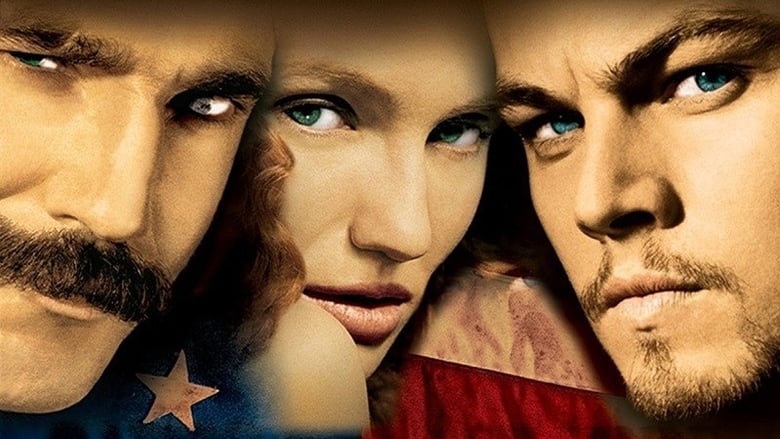
Gangs of New York
2002
-
The New World
2005
-

The Tree of Life
2011
-
Black Hawk Down
2001
-

We Were Soldiers
2002
-
Master and Commander: The Far Side of the World
2003
-
The Count of Monte Cristo
2002
-
Red Cliff
2008
-
The Flowers of War
2011
-

The Imitation Game
2014
-
Troy
2004
-
Munich
2005
-

Unbroken
2014
-
Downfall
2004