The Truman Show
"A prophetically paranoid masterpiece that turned Jim Carrey’s rubber face into a tragic mask."
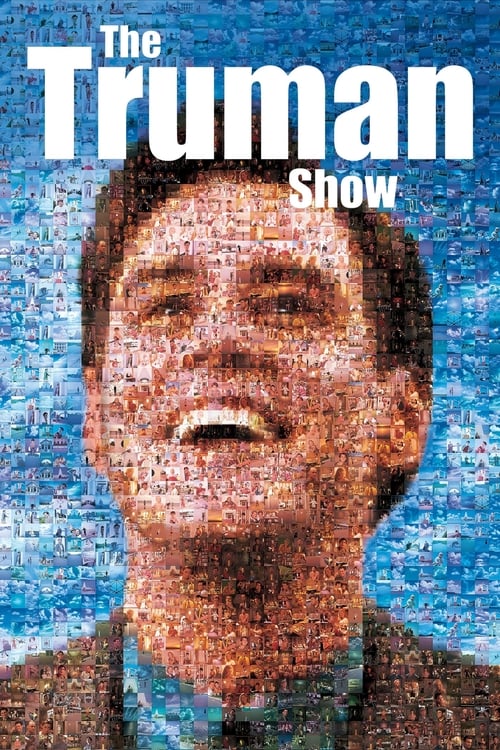
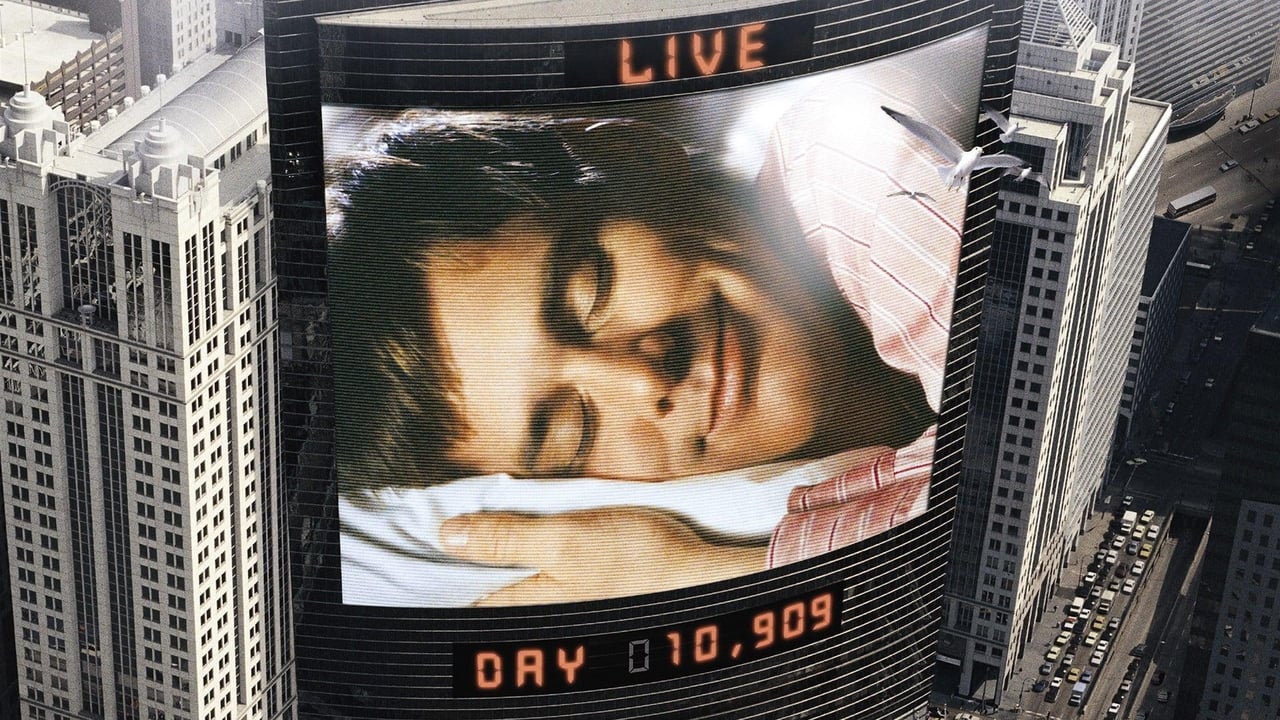
There is a specific, itchy kind of discomfort that comes from watching a movie that predicted your own future. Sitting on my couch recently, I realized that my phone was probably listening to me mention "new sneakers" just so it could feed me an ad five minutes later. It reminded me of the first time I saw Jim Carrey trapped in a giant dome. I watched this particular screening on a flight where the person next to me was reading a book called How to Disappear Completely, which felt aggressively on-brand for a movie about a man trying to escape the ultimate surveillance state.

The Truman Show arrived in 1998, a few years before Survivor and Big Brother turned the "real people in fake situations" gimmick into a global epidemic. Looking back, it’s wild how well director Peter Weir (the man behind Dead Poets Society) captured the looming anxiety of the digital age using purely analog metaphors. It’s a prestige drama disguised as a high-concept comedy, and it’s one of the few films from the late 90s that feels more relevant every single year.
The Face of a False Heaven
The genius of the casting cannot be overstated. In 1998, Jim Carrey was the biggest comedic force on the planet. We were used to him talking with his butt or twisting his limbs into knots. By casting him as Truman Burbank, Peter Weir weaponized our expectations. Truman’s "Good morning, and in case I don't see ya..." routine isn't just a catchphrase; it’s a survival mechanism for a man whose subconscious knows something is wrong.
When Truman finally starts to notice the cracks—the falling studio light, the rain that only falls on him, the way his wife, Meryl, held by a terrifyingly brittle Laura Linney, turns every argument into a product placement for "Mococoa"—Carrey shifts gears. He doesn't go full "Ace Ventura"; he gives us a man undergoing a slow-motion nervous breakdown. Laura Linney is actually the secret MVP here. Her performance is a masterclass in "acting like a bad actress." The way she smiles through gritted teeth while holding a box of kitchen utensils is enough to make your skin crawl. She deserves a lifetime achievement award for making a sweater look like a prison uniform.
The God in the Control Room
While Truman is the heart, Ed Harris is the brain—and the ego. As Christof, the beret-wearing creator of the show, Harris represents the ultimate "auteur" gone wrong. He’s stationed in the moon (literally), playing God with a headset. Ed Harris snagged an Oscar nomination for this, and it’s easy to see why. He doesn’t play Christof as a mustache-twirling villain; he plays him as a man who genuinely believes he has given Truman a better life than the "sick" real world.
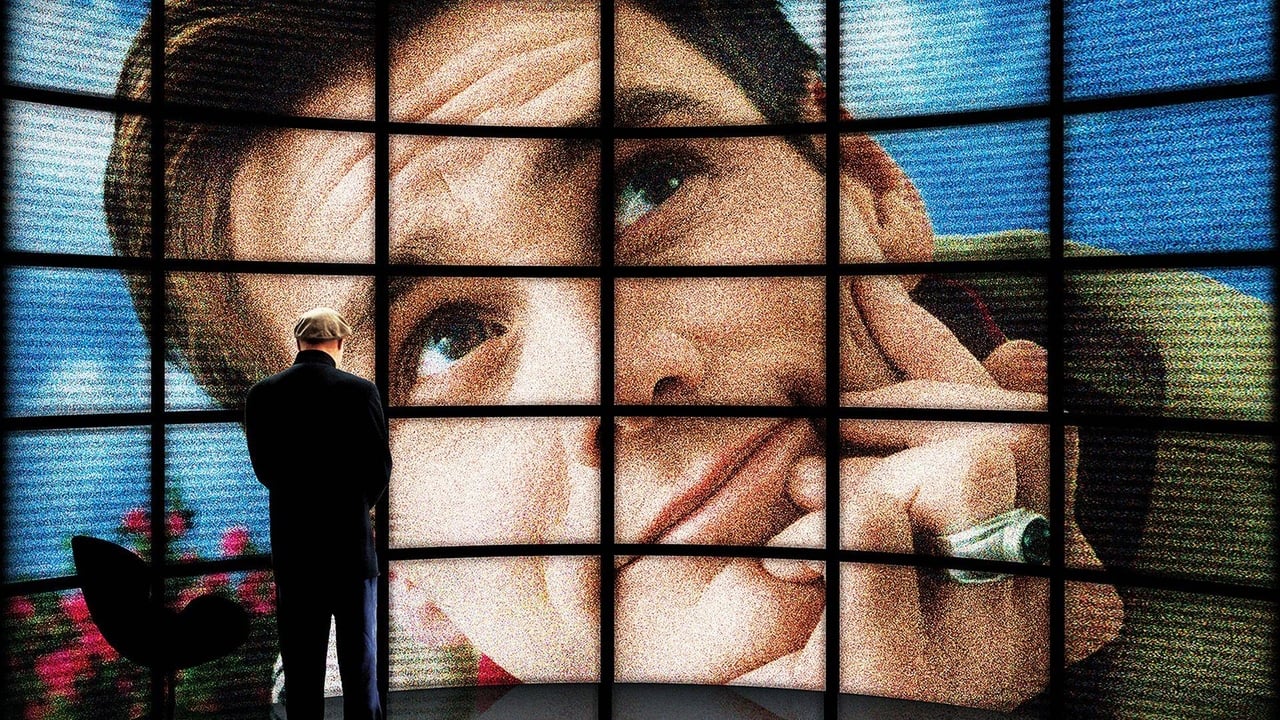
The production design by Dennis Gassner is equally brilliant. They filmed in Seaside, Florida, a real-life planned community that looks so perfect it’s inherently sinister. Everything is too pastel, the grass is too green, and the streets are too circular. It’s the architectural equivalent of a forced smile. The cinematography by Peter Biziou (who shot Mississippi Burning) uses hidden camera angles—looking through "buttons" or car radios—to make us, the audience, feel like accomplices in Truman's imprisonment. It’s a dirty feeling, and the movie wants you to sit in it.
Behind the Curtains of Seahaven
The film was a massive critical darling, earning three Academy Award nominations (Director, Supporting Actor, and Screenplay). However, the big scandal of 1999 was the "snub" heard 'round the world: Jim Carrey failing to get a Best Actor nomination despite winning the Golden Globe. It felt like the Academy wasn't quite ready to admit the "funny guy" could out-act the dramatic heavyweights.
Interestingly, the original script by Andrew Niccol (who also wrote and directed the sci-fi hit Gattaca) was way darker. It was set in a gritty, simulated New York City, and Truman had a drinking problem. Peter Weir made the right call by pivoting to the "Stepford-esque" bright colors of Seahaven. The contrast between the cheerful aesthetic and the existential horror of being a literal slave to a TV network makes the drama hit twice as hard. Also, keep an ear out for the score—Burkhard von Dallwitz combined with the minimalist beauty of Philip Glass creates a hypnotic, repetitive soundscape that perfectly mimics the loops of Truman’s life.
The Ending That Still Bites
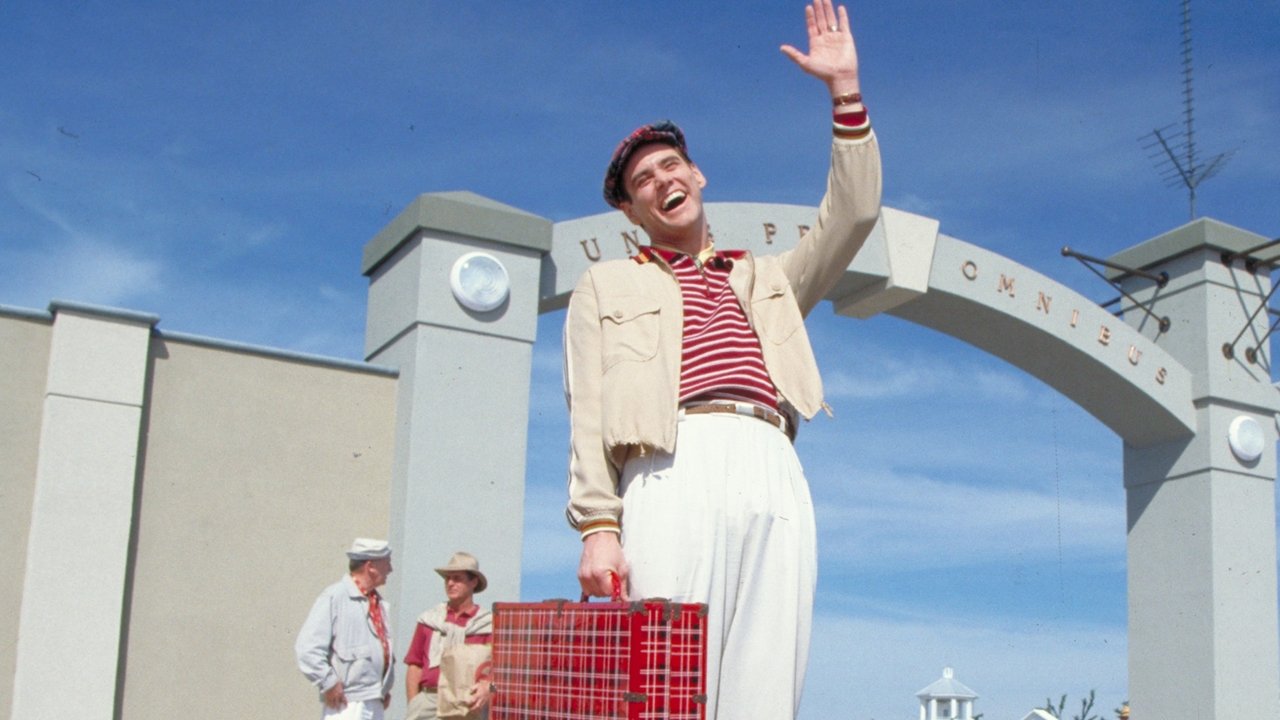
The ending of The Truman Show is often remembered as triumphant, but the more I watch it, the more cynical it feels. Yes, Truman bows and exits stage left into the unknown. But the final scene shows two security guards immediately looking for something else to watch on the TV guide.
It’s a scathing indictment of us—the viewers. We want the drama, we want the catharsis, and then we want to know what else is on. The film managed to be a prestige awards contender while also being a prophetic warning about the commodification of human life. It’s a drama that earns every tear because it’s not just about a guy on a TV show; it’s about anyone who has ever felt like they’re living a life designed by someone else.
The Truman Show is that rare 90s gem that hasn't aged a day. If anything, it’s only grown sharper and more terrifying as our world has become one giant Seahaven. It’s a beautifully acted, meticulously directed piece of cinema that reminds us why we go to the movies in the first place: to find some truth in the fiction. Do yourself a favor and revisit this one—just try not to look too closely at your neighbors.

Keep Exploring...
-

Man on the Moon
1999
-
Forrest Gump
1994
-

Master and Commander: The Far Side of the World
2003
-

Stepmom
1998
-
The Wolf of Wall Street
2013
-

Dilwale Dulhania Le Jayenge
1995
-
Life Is Beautiful
1997
-
As Good as It Gets
1997
-

Pleasantville
1998
-
A Beautiful Mind
2001
-
The Grand Budapest Hotel
2014
-

Eternal Sunshine of the Spotless Mind
2004
-

Dazed and Confused
1993
-

Mrs. Doubtfire
1993
-
Ed Wood
1994
-
The Cable Guy
1996
-
Deconstructing Harry
1997
-

EverAfter
1998
-

Fear and Loathing in Las Vegas
1998
-

Happiness
1998