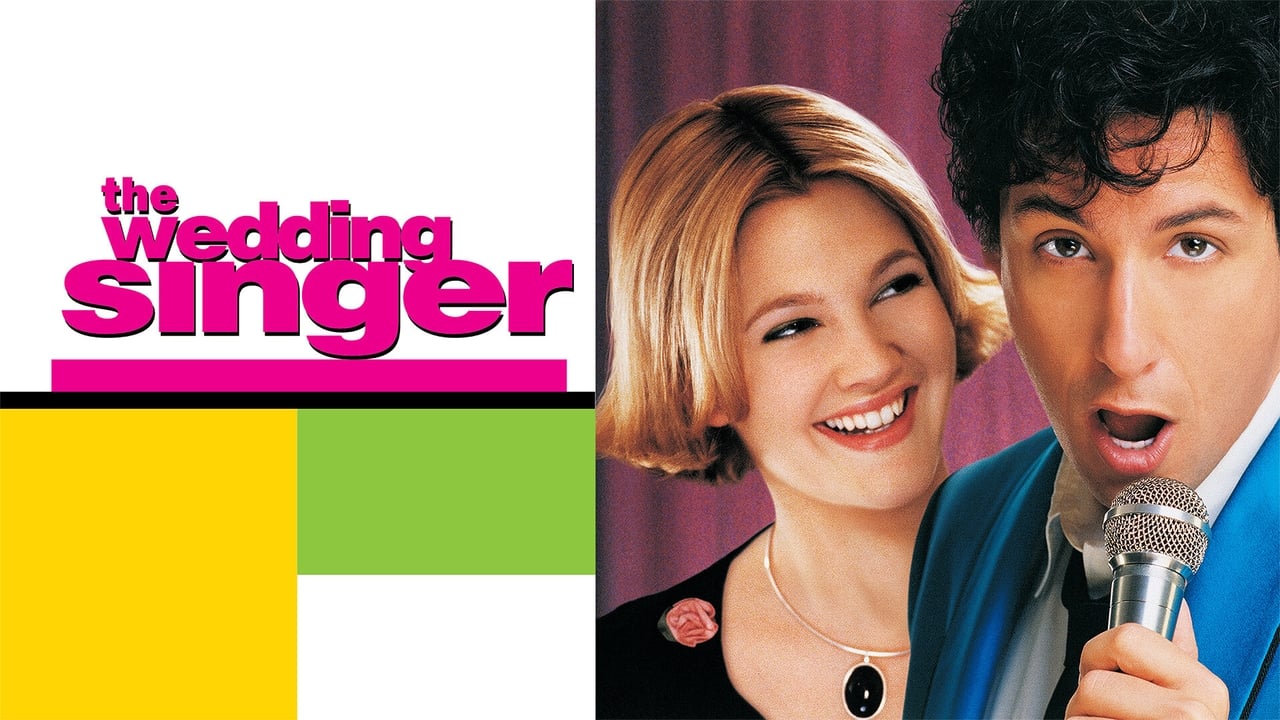
The Wedding Singer
"Love is a mixtape, and the 80s are calling."
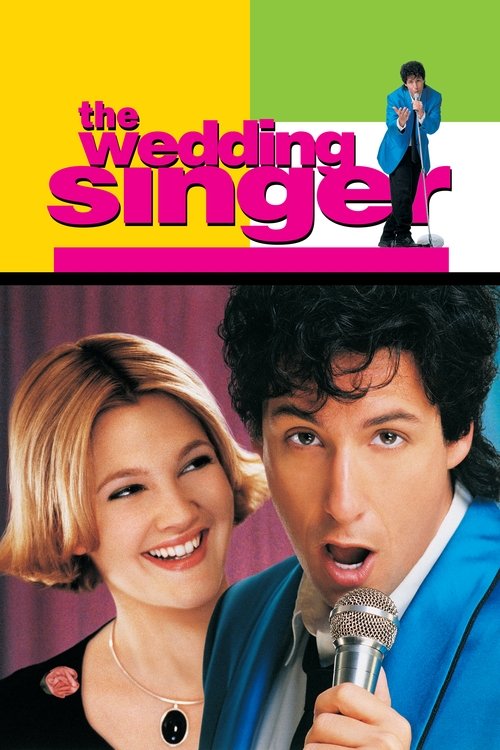
In 1998, the general public was just beginning to realize that the 1980s—an era we had spent the previous seven years aggressively fleeing in favor of flannel shirts and brooding cynicism—were actually a lot of fun. Director Frank Coraci didn’t just nudge us back toward the neon; he shoved us headfirst into a pile of lace gloves and blue eyeshadow. I watched this most recent time on a dusty VHS copy I found at a garage sale, still sporting a "Be Kind Rewind" sticker that was peeling off like a sunburned shoulder, and honestly, the slight tracking static only added to the vibe.
The Pivot from Slapstick to Soul
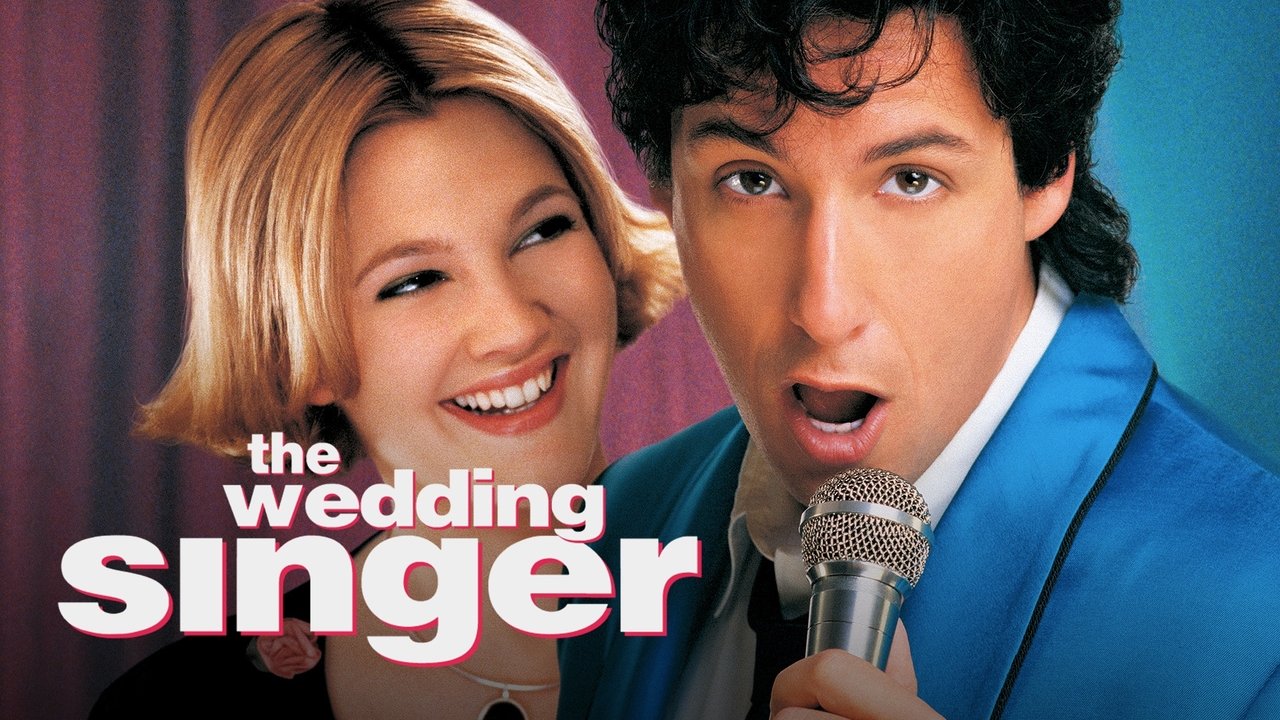
Before this film, Adam Sandler was the guy who talked to penguins and got into fistfights with Bob Barker. He was the king of the "angry man-child" subgenre. But The Wedding Singer changed the trajectory of his career by revealing something his Saturday Night Live fans hadn't quite seen yet: the guy has a genuine, beating heart. As Robbie Hart, a small-town wedding singer who gets his soul crushed at the altar, Sandler trades the screeching for a vulnerability that is surprisingly affecting.
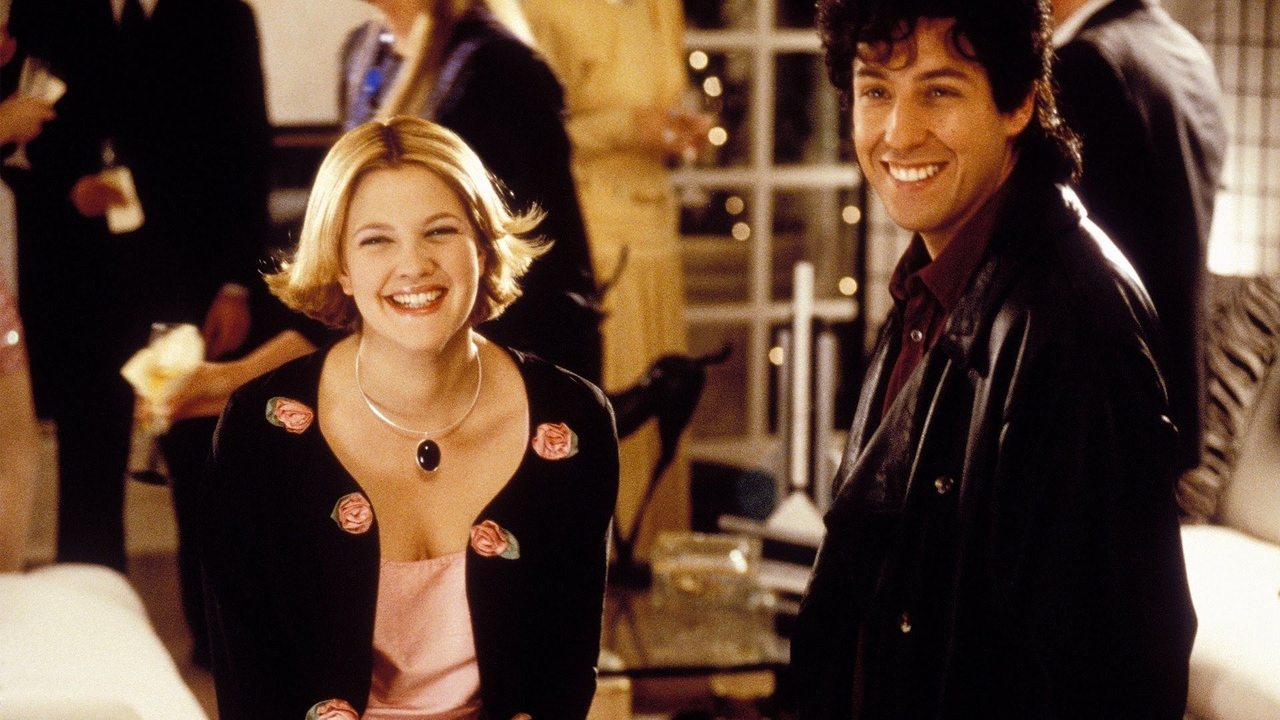
When he’s trapped in a dumpster singing "Somebody Kill Me," he manages to be hilariously pathetic without losing our sympathy. It’s a delicate balance. If he’s too sad, the comedy dies; if he’s too wacky, the romance feels unearned. But then he meets Drew Barrymore as Julia Sullivan, and the chemistry is so immediate it practically hums. Barrymore was in the midst of her "America’s Sweetheart" reinvention, and she plays Julia with a luminous, wide-eyed sincerity that makes you understand why a man would fly to Vegas to stop a wedding. They are the cinematic equivalent of a warm blanket and a cup of cocoa.
80s Nostalgia (Through a 90s Lens)
What’s fascinating about looking back at this film now is the layers of time at play. In 1998, the 1985 setting was a punchline. Today, we’re looking at a 90s movie about the 80s. It’s a double-stuffed Oreo of nostalgia. The script by Tim Herlihy (who also penned Billy Madison and Happy Gilmore) uses the period setting for more than just cheap sight gags. Sure, we get the Billy Idol lookalikes and the "Where’s the Beef?" lady, but the film also captures that specific pre-digital innocence.
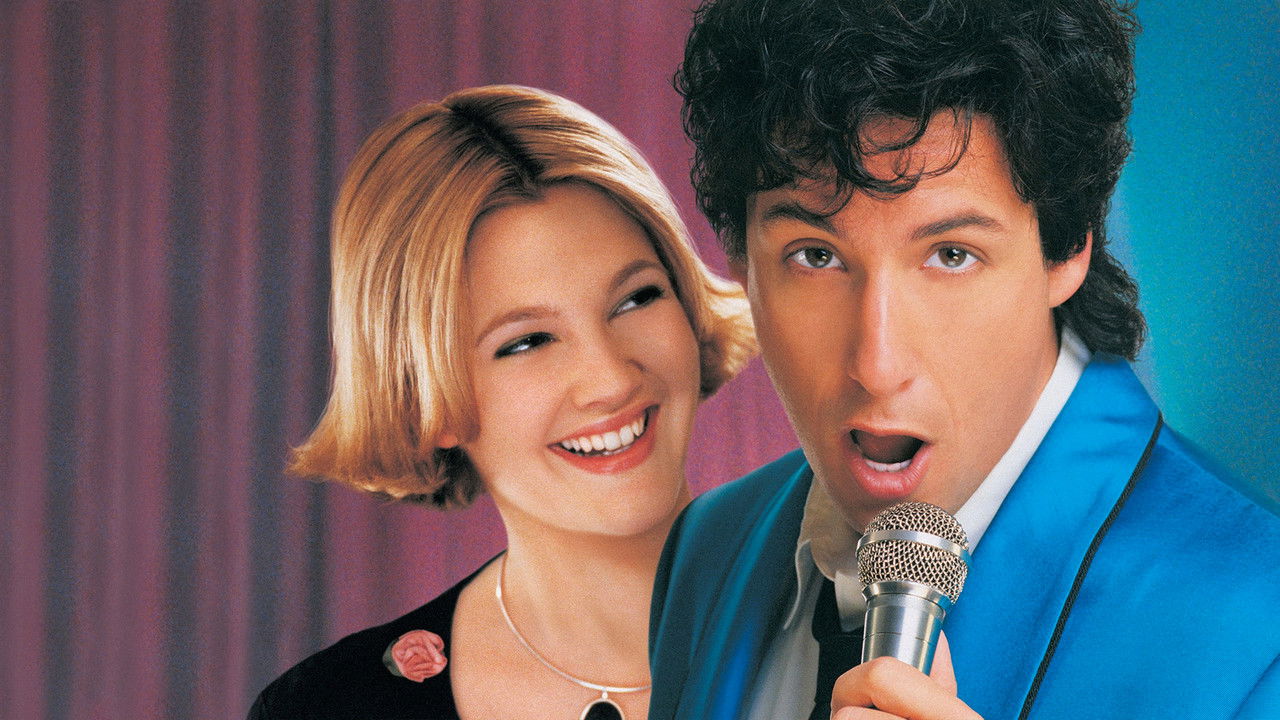
The conflict relies on the fact that you couldn't just text someone to say your fiancée was a cheating jerk. You had to wait by a landline or hope to run into them at the local Bar Mitzvah. The supporting cast leans into the era's tropes with infectious joy. Allen Covert is perfect as the Michael Knight-obsessed best friend Sammy, and Matthew Glave turns Glenn Gulia into the ultimate 80s yuppie villain—a guy who loves Miami Vice and considers "The Wedding Singer" a bottom-tier profession.
The $123 Million Mixtape
Technically, this was a massive gamble that paid off in ways Robert Simonds Productions probably didn’t anticipate. With a modest $18 million budget, the film went on to rake in over $123 million worldwide. It wasn't just a hit; it was a cultural reset for the romantic comedy genre which, at the time, was getting a bit too "white wine and Manhattan apartments." This was blue-collar, suburban, and delightfully tacky.
The soundtrack was its own phenomenon, eventually going double platinum. It didn't just feature 80s hits; it integrated them into the narrative. Whether it’s the rapping grandmother (Ellen Albertini Dow doing a legendary rendition of "Rapper’s Delight") or the heart-wrenching "Grow Old With You" performed on an airplane, the music is the glue. Speaking of that airplane scene, the Billy Idol cameo remains one of the greatest "playing themselves" moments in history. Idol’s sneering approval of Robbie’s romantic grand gesture is the only validation anyone should ever need.
Behind the scenes, the production was a family affair. Frank Coraci and Tim Herlihy were college buddies of Sandler’s, and that shorthand shows on screen. There’s a loose, improvisational energy to the scenes in the reception halls—the kind of "lightning in a bottle" feel you get when a cast actually likes each other. Even the deleted scenes (which I remember devouring on an early DVD release) showed a team that was having almost too much fun with the era's fashion casualties.
The Wedding Singer is the rare comedy that feels better with age. It’s a time capsule of a time capsule, anchored by two lead performances that remind us why we fell in love with these actors in the first place. It doesn't try to be high art, and it doesn't apologize for its sweetness. It’s a movie that understands that sometimes, the best way to deal with a broken heart is a Flock of Seagulls haircut and a song written for the girl in the front row.
If you haven't revisited this one in a while, do yourself a favor and put it on. It’s a reminder that before the world got complicated, all you needed for a happy ending was a plane ticket, a guitar, and a very supportive punk rock legend sitting in first class.
Keep Exploring...
-
Blended
2014
-
The Waterboy
1998
-
Punch-Drunk Love
2002
-
Bedtime Stories
2008
-
Mr. Deeds
2002
-
The Three Musketeers
1993
-
The Mask
1994
-

While You Were Sleeping
1995
-
Shakespeare in Love
1998
-

There's Something About Mary
1998
-
Big Daddy
1999
-
About a Boy
2002
-
Freaky Friday
2003
-
As Good as It Gets
1997
-
Stepmom
1998
-
Notting Hill
1999
-
Two Weeks Notice
2002
-
Lost in Translation
2003
-
Something's Gotta Give
2003
-
Bird on a Wire
1990