The X-Files
"Black oil, white snow, and the truth in between."
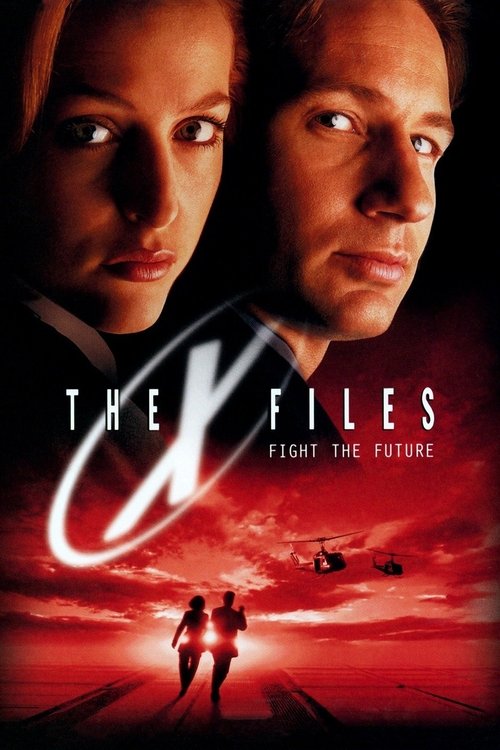
I remember the summer of 1998 vividly, not because of the heat, but because of the sheer audacity of Chris Carter. At the absolute peak of The X-Files fever, he didn’t just give us a season finale; he gave us a cliffhanger that required a trip to the multiplex and a ten-dollar ticket to resolve. It was a bridge—a literal cinematic link between Season 5 and Season 6. Looking back, this was a proto-version of the "everything is connected" cinematic universe model we’re buried under today, but back then, it felt like an event of seismic proportions.
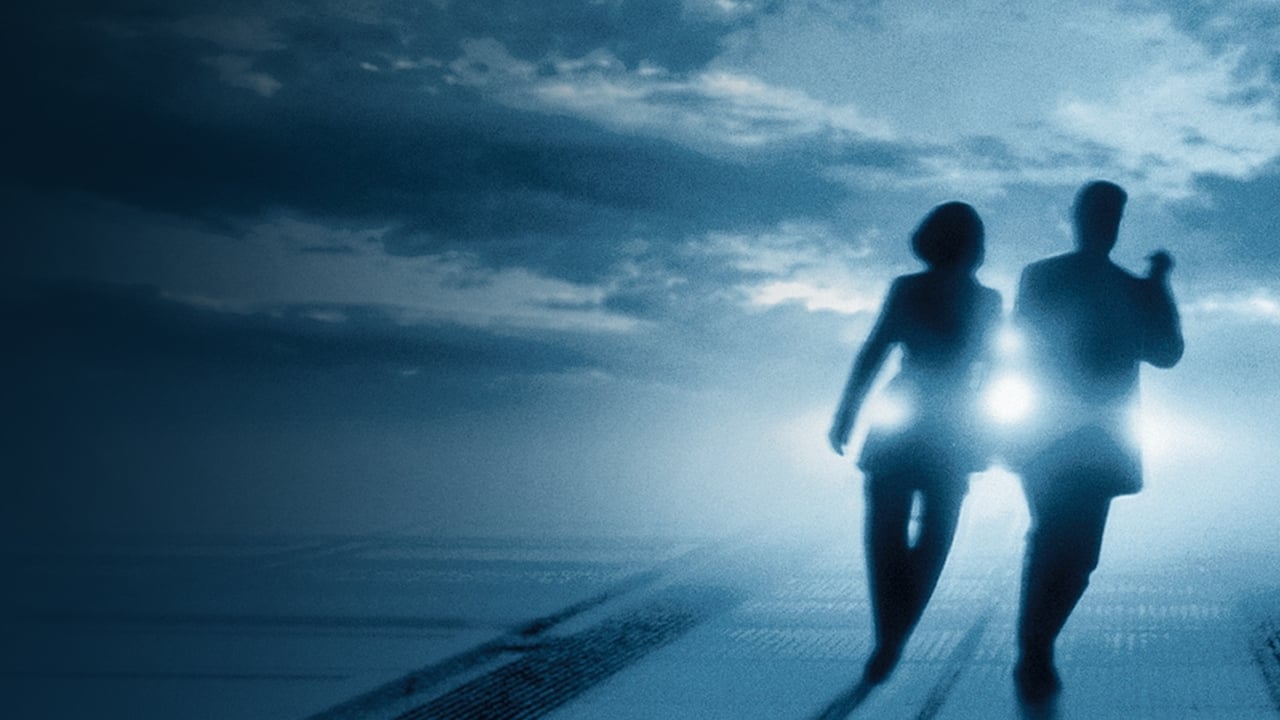
I recently rewatched this on a Tuesday afternoon while eating a slightly stale bagel with way too much cream cheese, and honestly, the film’s transition from the grainy, 4:3 glow of a CRT television to the widescreen sprawl of 35mm film is still a sight to behold.
Flashlights and Fireballs
The movie starts with a bang—literally. After a prologue in North Texas involving a prehistoric alien and a very unlucky kid, we’re thrust into a bomb threat in Dallas. This is where director Rob Bowman (who cut his teeth on the show and later directed Reign of Fire) shows off the studio's $66 million budget. On the small screen, a bomb threat would involve a tense conversation in a hallway; here, we get a massive, building-leveling explosion that feels heavy and terrifying in a way that pre-9/11 action cinema often did. It was spectacle with stakes.
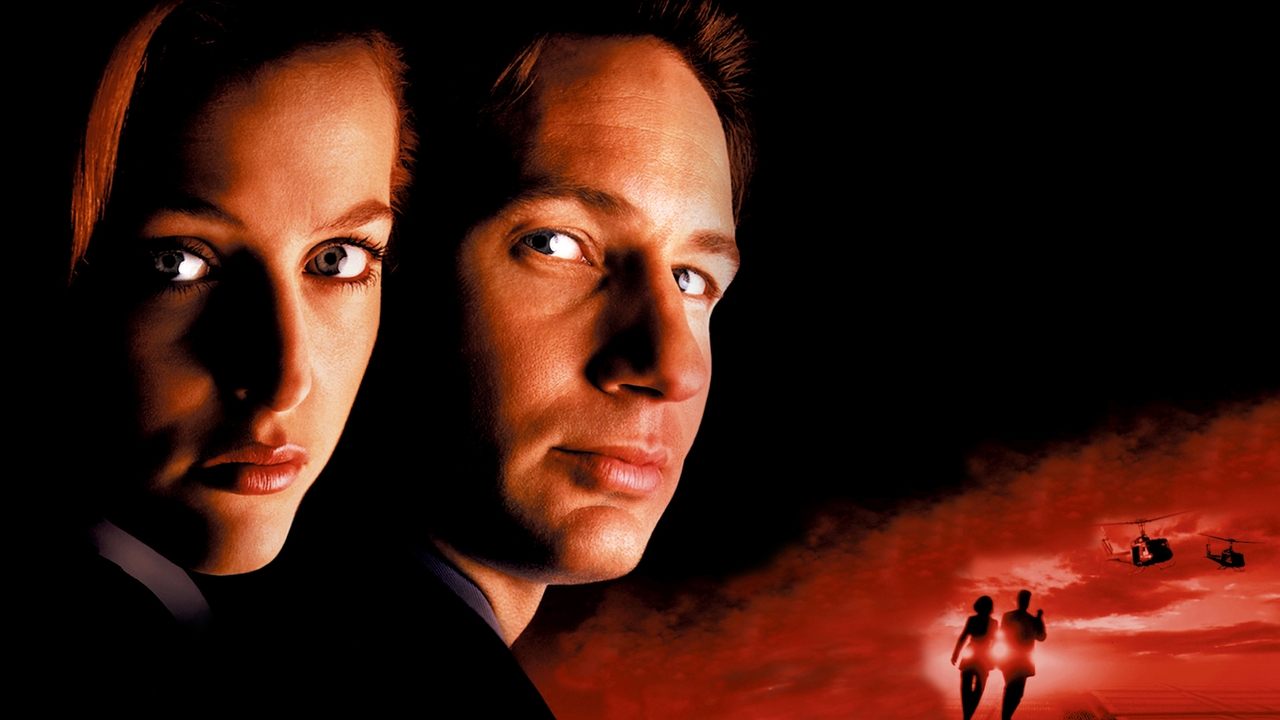
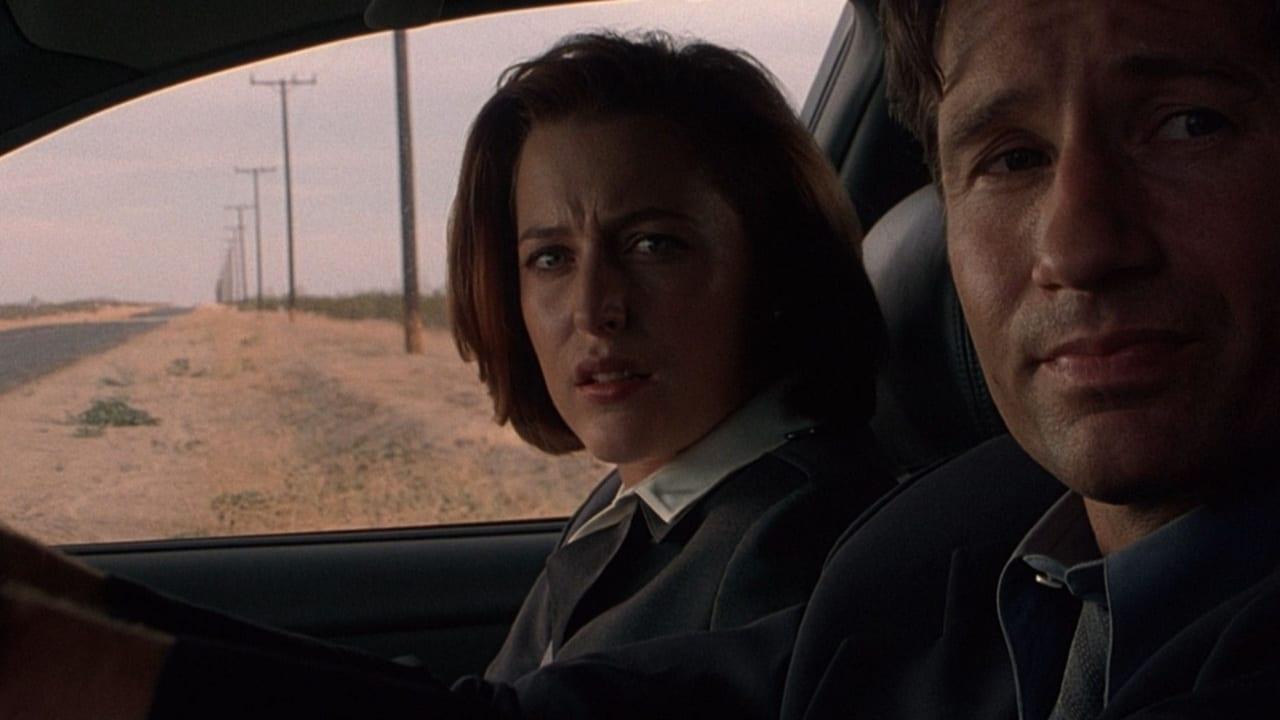
What’s fascinating is how well the "analog" nature of the 90s holds up. David Duchovny as Fox Mulder and Gillian Anderson as Dana Scully are at the height of their powers here. They aren't using smartphones to track the Syndicate; they’re using payphones, pagers, and those iconic, heavy-duty flashlights that could double as blunt-force weapons. There’s a texture to the film—the grain, the practical sets, the rain-slicked pavement—that feels more "real" than the polished, digital sheen of modern blockbusters. The cinematography by Ward Russell captures that signature X-Files gloom but expands the horizon, moving from the claustrophobic forests of Vancouver to the blinding whites of the Antarctic.
The Mythology Problem
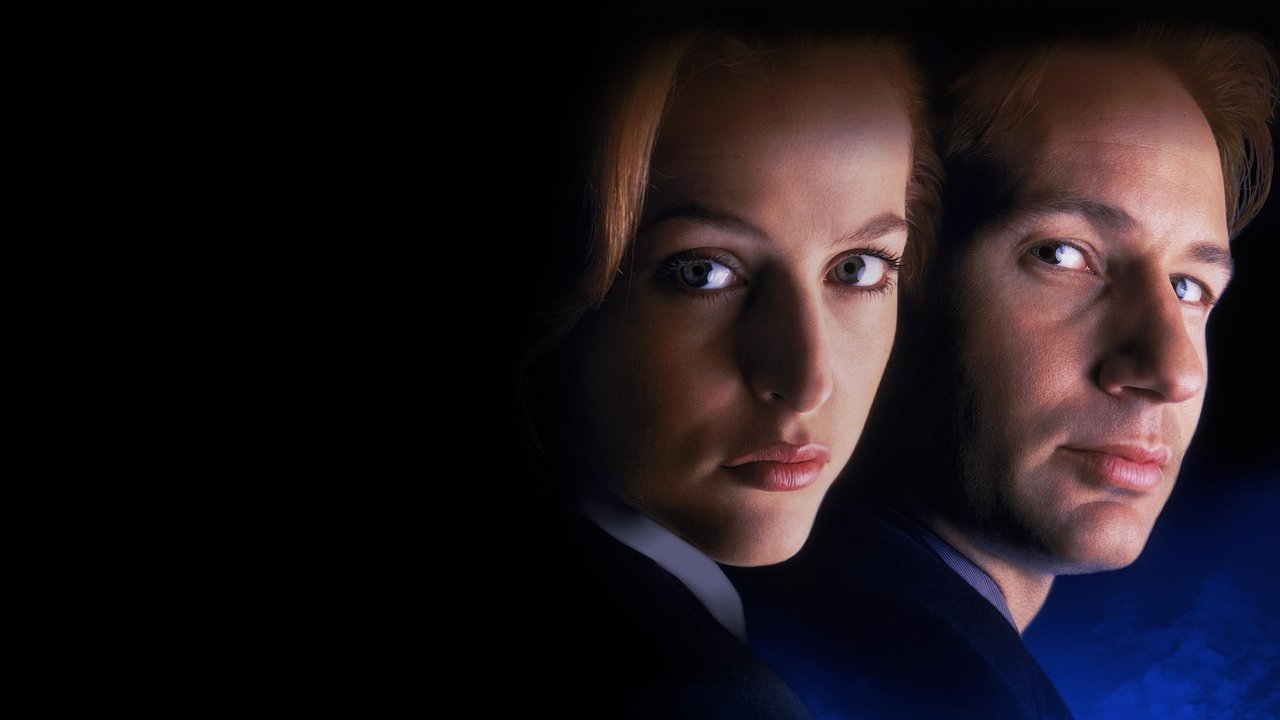
If you weren't a "X-Phile" in 1998, the plot might feel like a fever dream. We have the "Black Oil," a sentient alien virus that uses humans as incubators; a shadow government led by William B. Davis (The Cigarette-Smoking Man) and John Neville (The Well-Manicured Man); and a frantic Martin Landau playing Kurtzweil, a paranoid doctor who serves as the film’s exposition engine.
While the film tries to be a standalone thriller, it’s undeniably steeped in the show’s convoluted mythology. To me, the bees are essentially the world’s most frustrating plot device, acting as a literal deus ex machina to prevent the one thing every fan wanted: a Mulder/Scully kiss. Watching it now, that moment in the hallway is almost agonizing. The chemistry between Duchovny and Anderson is so potent it practically vibrates off the screen. They don't need a script; they just need to look at each other while whispering about "the truth."
The film also serves as a peak into late-90s paranoia. Before the internet became a tool for actual radicalization, the idea of "The Syndicate" hiding the truth about aliens was a fun, almost comforting kind of conspiracy. It was a world where Mitch Pileggi’s Walter Skinner could still be a gruff ally and the bad guys wore well-tailored suits instead of posting on social media.
Practical Magic vs. Digital Birth
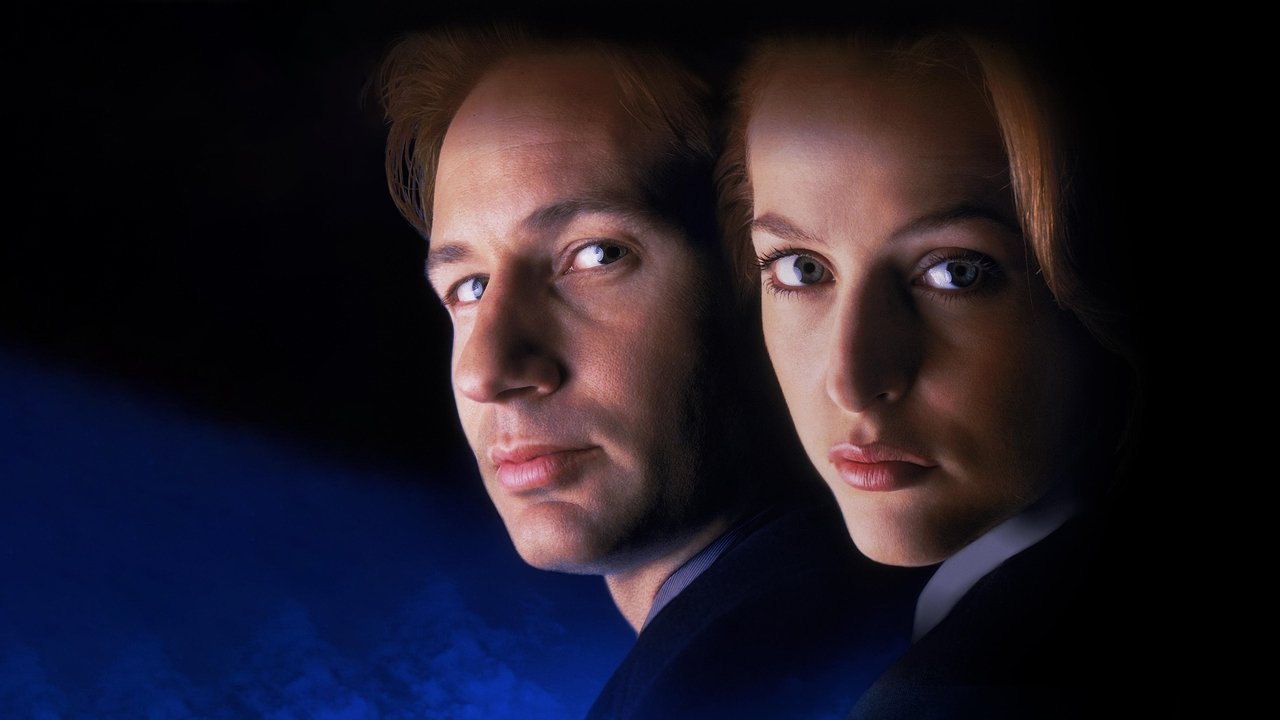
1998 was a transitional year for visual effects. We were five years post-Jurassic Park and one year pre-The Matrix. The X-Files movie strikes a great balance. The creature designs—especially the "Stage II" alien that pops out of a chest—are mostly practical animatronics that look fantastic. There’s a weight to them that CGI often struggles to replicate.
However, when we get to the massive spaceship finale in the Antarctic, the early CGI starts to show its seams. It’s not "bad," but it has that slightly soft, weightless quality that defined the era's digital ambitions. Yet, it doesn't matter because the score by Mark Snow is doing the heavy lifting. He takes his iconic TV theme and inflates it into a sweeping, orchestral masterpiece that makes a giant ship rising from the ice feel like a religious experience.
The DVD culture of the early 2000s actually helped this movie's legacy. I remember pouring over the "Making Of" featurettes, seeing how they built the massive cornfields in the middle of a desert. It gave us an appreciation for the "how" of filmmaking that we sometimes lose in the era of "we’ll fix it in post."
The X-Files movie is a relic of a time when a TV show could command the big screen without feeling like a "special episode." It’s moody, handsome, and just the right amount of pretentious. Even if the conspiracy logic eventually eats itself, the journey across the ice with Mulder and Scully is one I’ll always be willing to take. It reminds me that sometimes, the search for the truth is more entertaining than actually finding it.
Keep Exploring...
-

The X Files: I Want to Believe
2008
-

Paycheck
2003
-
The Thirteenth Floor
1999
-
Sky Captain and the World of Tomorrow
2004
-
Sphere
1998
-
The 6th Day
2000
-
Signs
2002
-
The Forgotten
2004
-
The Jacket
2005
-

The Fourth Kind
2009
-

Time Lapse
2014
-
Twelve Monkeys
1995
-
Gattaca
1997
-
Blindness
2008
-

The Long Kiss Goodnight
1996
-
Conspiracy Theory
1997
-
The Saint
1997
-
Volcano
1997
-
Snake Eyes
1998
-
Star Trek: Insurrection
1998