Urban Legend
"Don't look in the back seat."
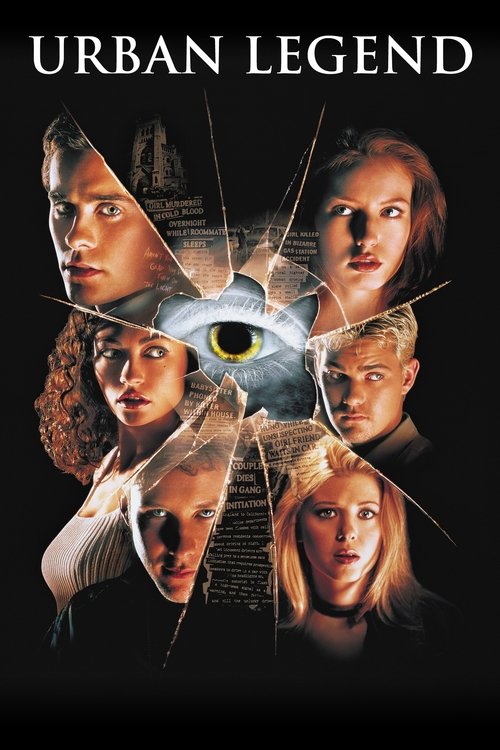
There was a specific, frantic energy to the late 1990s that I like to call "The Scream Hangover." After Wes Craven and Kevin Williamson revitalized the slasher genre by making it self-aware, every studio in Hollywood spent three years trying to catch lightning in a bottle twice. We got I Know What You Did Last Summer, Final Destination, and, perhaps the most shamelessly fun of the bunch, Urban Legend. It arrived in 1998, a year when the "WB-aesthetic" was at its peak—everyone was impossibly attractive, the lighting was perpetually moody, and the soundtrack was loaded with mid-tempo alt-rock.
Watching Urban Legend today is like opening a time capsule buried beneath a pile of cargo pants and Nokia 5110s. I recently revisited it on a rainy Tuesday afternoon while my neighbor was loudly power-washing his driveway for three straight hours, and honestly, that rhythmic drone provided a weirdly appropriate industrial soundtrack to the film's collegiate carnage. It’s a movie that knows exactly what it is: a glossy, high-concept body count flick that prioritizes "cool kills" over deep logic.
The Gothic Campus and the Parka-Clad Killer
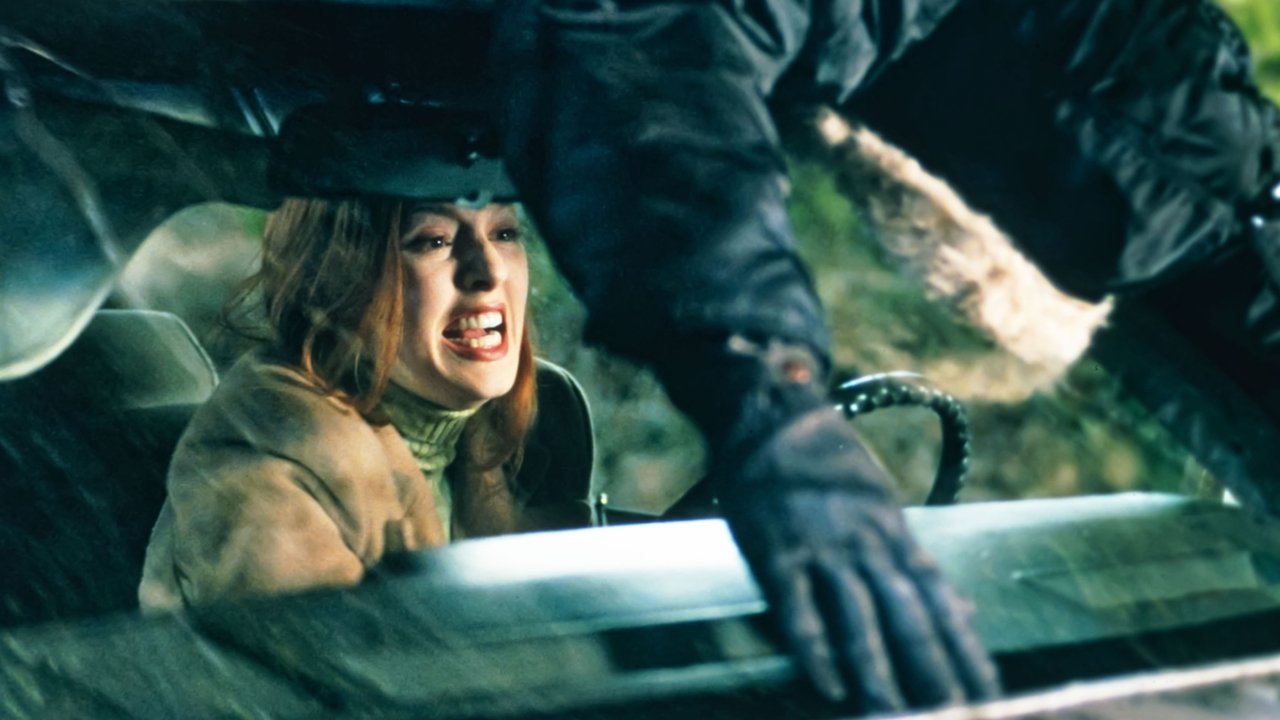
The setup is classic slasher geography. We’re at Pendleton University, a school that looks like it was designed by someone who thought Harvard wasn't "dark academia" enough. Our protagonist is Natalie, played by Alicia Witt, who carries a certain wide-eyed "Final Girl" sincerity that balances out the cynicism of her peers. People start dying, and Natalie realizes the murders are reenactments of famous urban legends: the "hook on the car door," the "pop rocks and soda," and the "roommate's death while the other sleeps."
Director Jamie Blanks—who famously got this gig after sending a mock-trailer for I Know What You Did Last Summer to the producers—brings a surprisingly lush visual style to the table. For a movie with a mid-range budget, it looks expensive. The cinematography by James Chressanthis treats the campus like a haunted mansion, all deep shadows and oppressive architecture. And then there’s the killer’s outfit: a heavy winter parka. It’s a bold choice for a slasher villain because, while it’s menacing in a "faceless void" kind of way, the killer must have been absolutely sweating through their thermal underwear during the indoor chase scenes.
A Cast That Defined a Decade
The real joy of Urban Legend in retrospect is the "before they were famous" bingo game. You’ve got Jared Leto as the investigative journalist student, Paul Gardener. It’s fascinating to see Leto here, years before his Oscar and his peculiar brand of method acting took over his public persona; in 1998, Leto looks like he’s trying to act through a thick layer of existential boredom, yet he still has that undeniable movie-star magnetism.
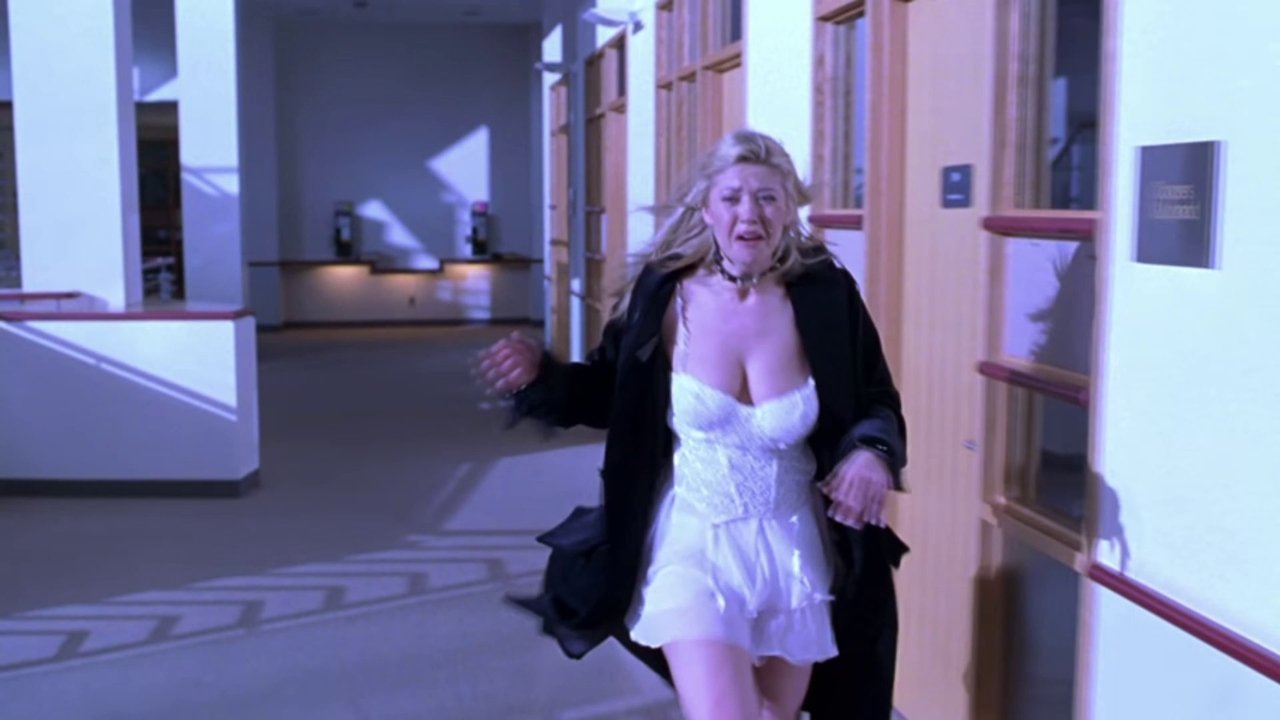
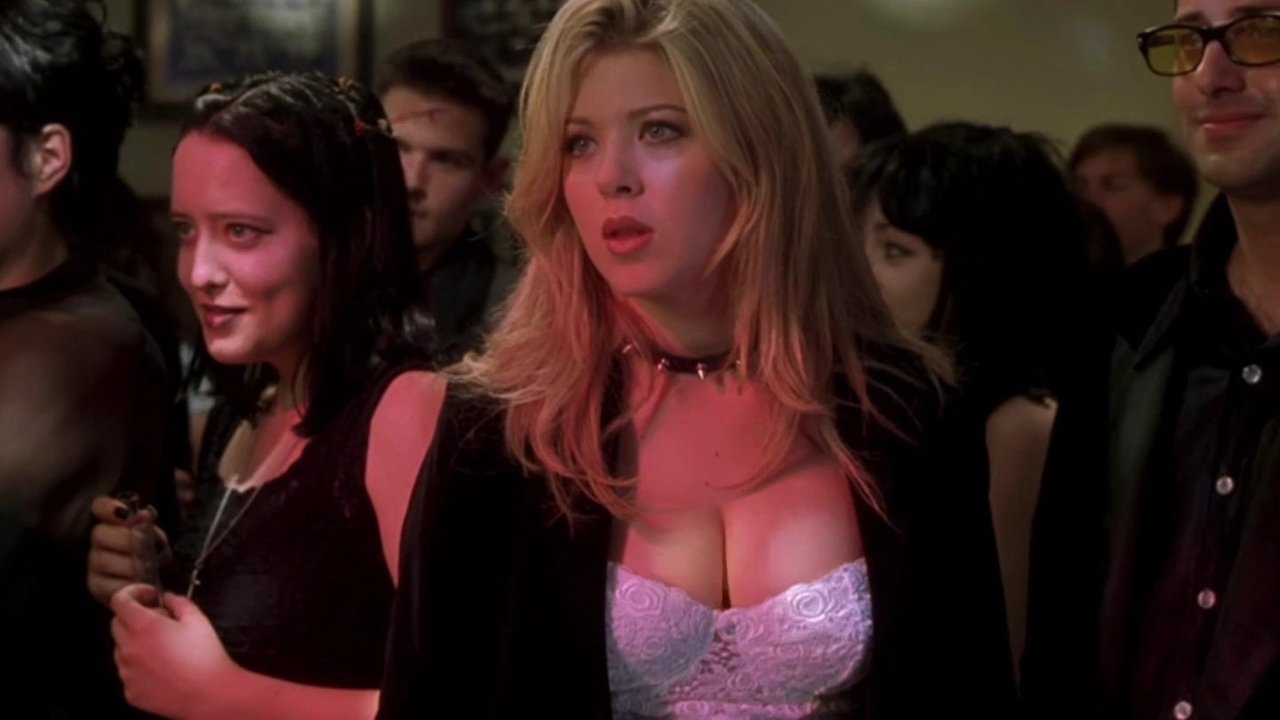
Then there’s the supporting gallery. Rebecca Gayheart is pitch-perfect as the bubbly best friend, Michael Rosenbaum (the future Lex Luthor) plays the obnoxious prankster, and Tara Reid serves as the campus radio DJ, Sasha. Reid’s chase sequence through the radio station remains one of the film's highlights—it’s well-paced, genuinely tense, and utilizes the "live on air" gimmick to its fullest potential. But the undisputed MVP is Loretta Devine as Reese, the campus security guard who is obsessed with Blaxploitation cinema and carries a gold-plated revolver. Every time she’s on screen, the movie’s charisma score doubles.
Legends, Lore, and Late-90s Logic
The film’s screenplay, written by Silvio Horta (who would later create Ugly Betty), is smarter than it usually gets credit for. While it doesn't have the meta-deconstruction of Scream, it taps into a very real cultural phenomenon. Before the internet was the primary source of misinformation, we had these stories—passed down through word-of-mouth or forwarded emails—that felt just plausible enough to be terrifying. By grounding the kills in these shared myths, the film creates a shorthand with the audience. We know the "Lover’s Lane" story, so we’re already leaning in before the first drop of blood hits the windshield.
Does it all hold up? Mostly. The mystery element is a bit clunky, and if you’ve seen more than three slashers, you can probably guess the killer by the end of the second act. Some of the digital transitions and "tech" moments are hilariously dated, but that’s part of the charm. It’s a film that captured the transition from the analog 80s horror roots to the slick, corporatized digital future. It’s also one of the last big slashers to rely so heavily on practical effects and elaborate sets before CGI started doing the heavy lifting in the early 2000s.
Urban Legend isn't a masterpiece of the genre, but it is an incredibly effective piece of entertainment that understands its assignment. It’s a slick, well-cast, and visually atmospheric mystery that treats its titular myths with just the right amount of reverence. If you’re looking for a nostalgic trip back to the era of "rules," "motives," and very expensive-looking college campuses, this is a legend worth revisiting. Just remember to check your back seat before you drive away.

Keep Exploring...
-
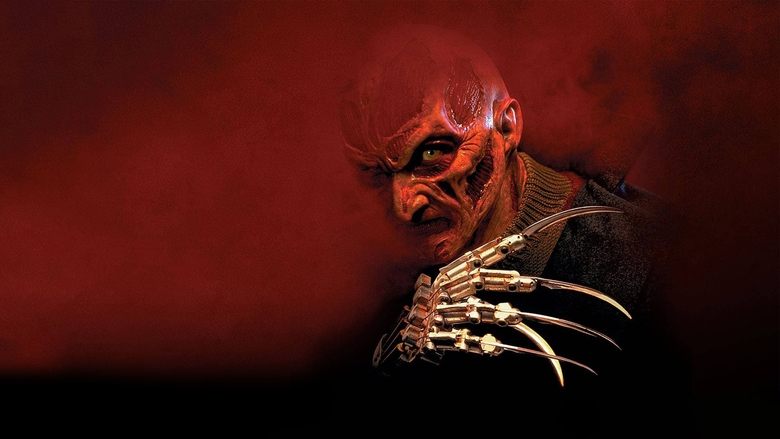
New Nightmare
1994
-

Stir of Echoes
1999
-

The Gift
2000
-
The Mothman Prophecies
2002
-
What Lies Beneath
2000
-
Dark Water
2005
-
When a Stranger Calls
2006
-
Mirrors
2008
-

The Midnight Meat Train
2008
-
Untraceable
2008
-
The Ward
2010
-

Silent Hill: Revelation 3D
2012
-
The Tall Man
2012
-
I Know What You Did Last Summer
1997
-

Scream 2
1997
-
The Ninth Gate
1999
-
Scream 3
2000
-
From Hell
2001
-
Ghost Ship
2002
-
Spider
2002