U.S. Marshals
"The hunter becomes the hunted, but with more explosions."
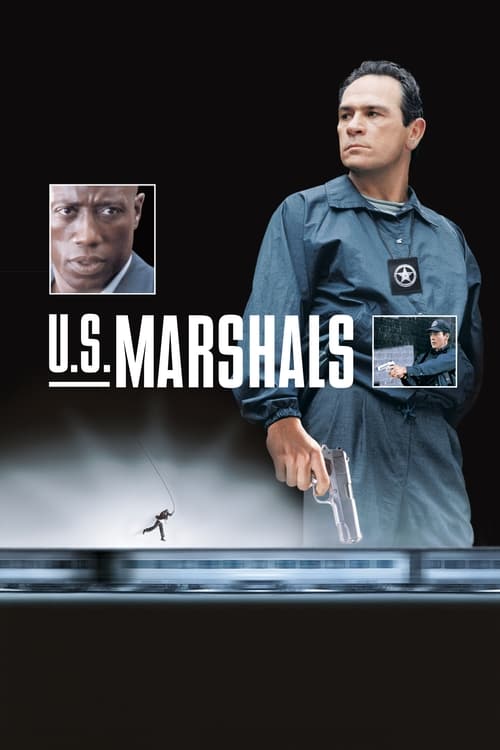
There is something deeply, primally satisfying about watching a middle-aged man in a rumpled suit be intensely good at his job. In the 1990s, Tommy Lee Jones turned "doing my job" into a high-art form of grumpiness. Following his Oscar-winning turn in The Fugitive, it was only a matter of time before Warner Bros. realized the audience didn't just want more of the doctor-on-the-run; they wanted more of the bloodhound with the dry wit.
Enter U.S. Marshals. I watched this on a Tuesday night while nursing a slightly bruised ego and a bowl of lukewarm microwave popcorn, and honestly, it’s exactly the kind of "dad cinema" that makes you feel like everything in the world can be solved if you just have enough radio frequencies and a team of loyal subordinates. It isn't the masterpiece that its predecessor was, but it's a fascinating look at the exact moment Hollywood decided that bigger is better, even if it’s a bit dumber.
The Shadow of the Fugitive
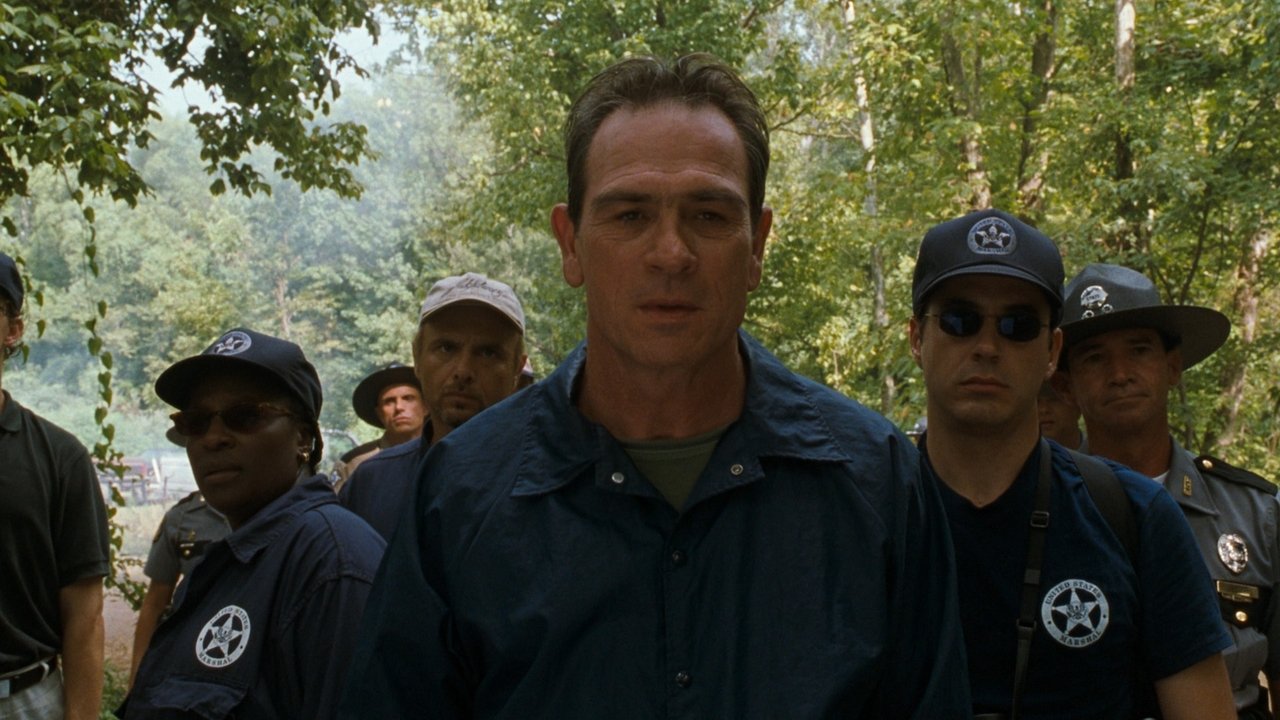
The biggest hurdle U.S. Marshals faces—one it never quite clears—is that it is structurally a carbon copy of the first film. We have the spectacular transport accident, the wrongfully accused man with special forces training, and the relentless Sam Gerard chasing him across state lines. But while The Fugitive felt like a desperate, personal scramble for justice, this sequel feels like a professional procedural with a massive pyrotechnics budget.
Tommy Lee Jones could play Sam Gerard in his sleep, and at times, he almost looks like he is, but his "sleep" is more charismatic than most actors' peak energy. He brings back the "big dogs" team—Joe Pantoliano, Daniel Roebuck, and Tom Wood—and their chemistry remains the best thing about the movie. They feel like a real unit, bickering over coffee and logistics while hunting a man across the country. My favorite moments aren't the shootouts; they’re the quiet beats where the team operates like a well-oiled machine in a mobile command center.
High-Flying Chaos and Practical Weight
If there’s one thing director Stuart Baird knows, it’s how to edit an action sequence for maximum impact. Coming off the heels of Executive Decision, Baird understood that the late 90s audience wanted spectacle that felt heavy. The centerpiece of the film—a massive prisoner transport plane crash on a highway—is a masterclass in practical stunt work.
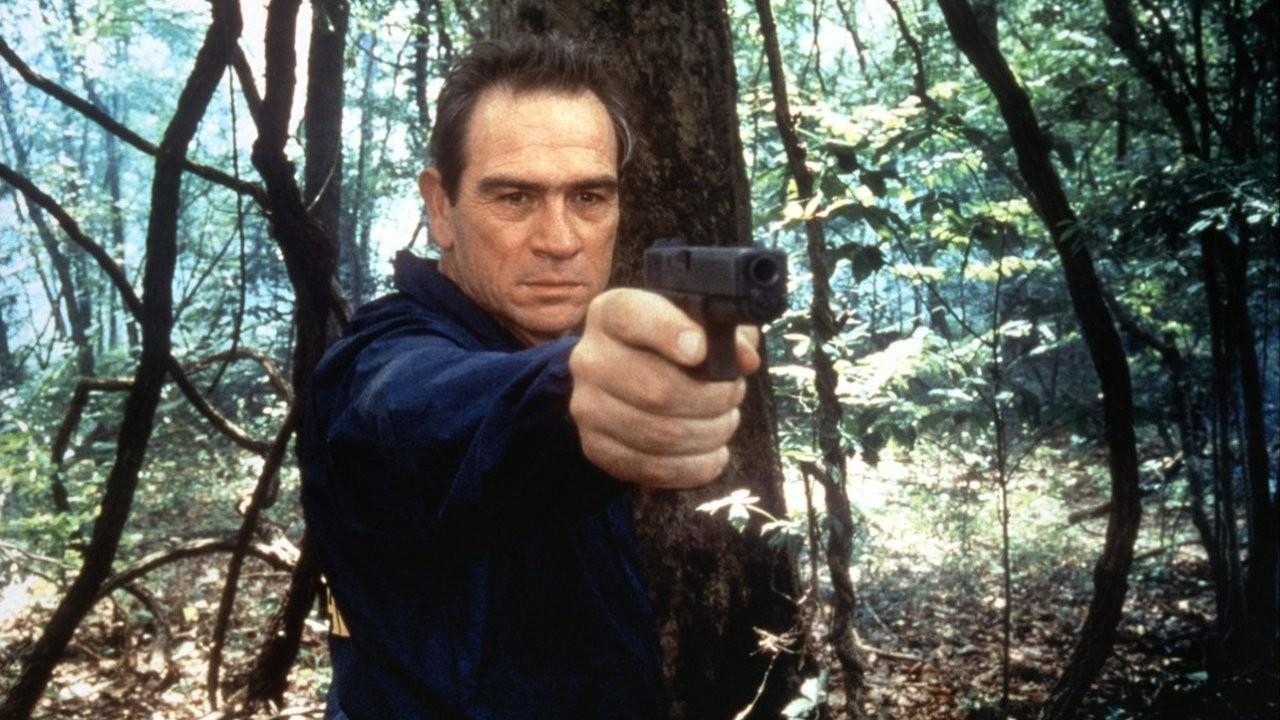
In an era where we were just starting to see the "CGI-ification" of everything, U.S. Marshals leans hard into the physical. When that Boeing 727 skids down the asphalt and flips into the water, you feel the weight of the metal. It’s the kind of sequence that makes modern green-screen action look like a Saturday morning cartoon. They actually used a real, gutted aircraft for parts of that sequence, and it shows. The sheer scale of the wreckage is something you just don't see anymore without a legion of digital artists.
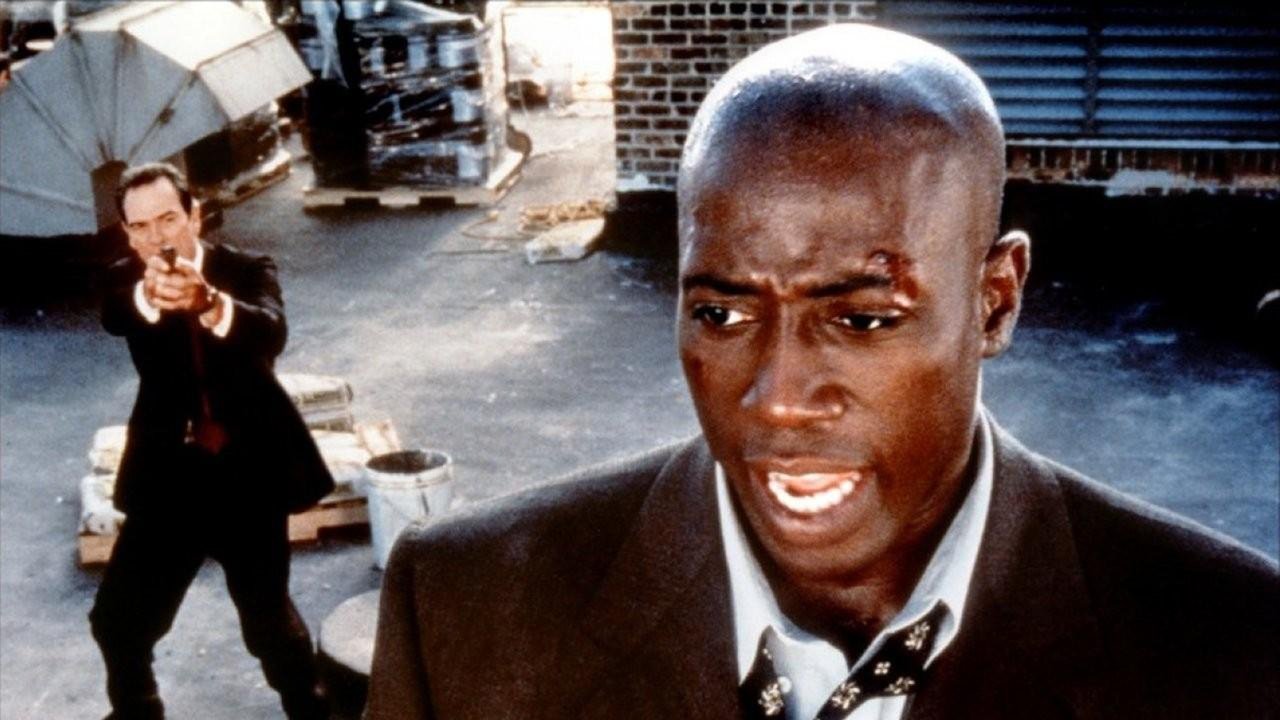
However, the film often mistakes "more movement" for "more tension." There’s a scene involving a yellow paraglider that is so 1998 it practically smells like a Blockbuster rental. It’s a sequence that makes absolutely no sense if you think about it for more than three seconds, but in the moment, you’re just happy to see Wesley Snipes jumping off things.
A Cast in Transition
Speaking of Wesley Snipes, he takes over the "fugitive" role from Harrison Ford, and he plays Mark Sheridan with a much harder edge. While Ford’s Kimble was a man of peace forced into violence, Snipes’ Sheridan is a professional—a former operative who knows how to disappear. It shifts the dynamic from a "cat and mouse" game to a "wolf and coyote" duel.
Then there’s the Robert Downey Jr. of it all. Playing John Royce, a Diplomatic Security agent forced onto Gerard’s team, Downey Jr. looks incredibly young and slightly out of place in his sharp suits. This was a turbulent time in his personal life, and you can almost see a flicker of that "I’m too smart for this movie" energy in his eyes. He and Jones have a prickly chemistry that keeps the middle act from sagging, even when the plot becomes a convoluted mess of international espionage and "moles" that you’ll stop caring about by the hour mark. Downey Jr. brings a distinct 'I’d rather be at a jazz club' energy to a film about handcuffs and mud.
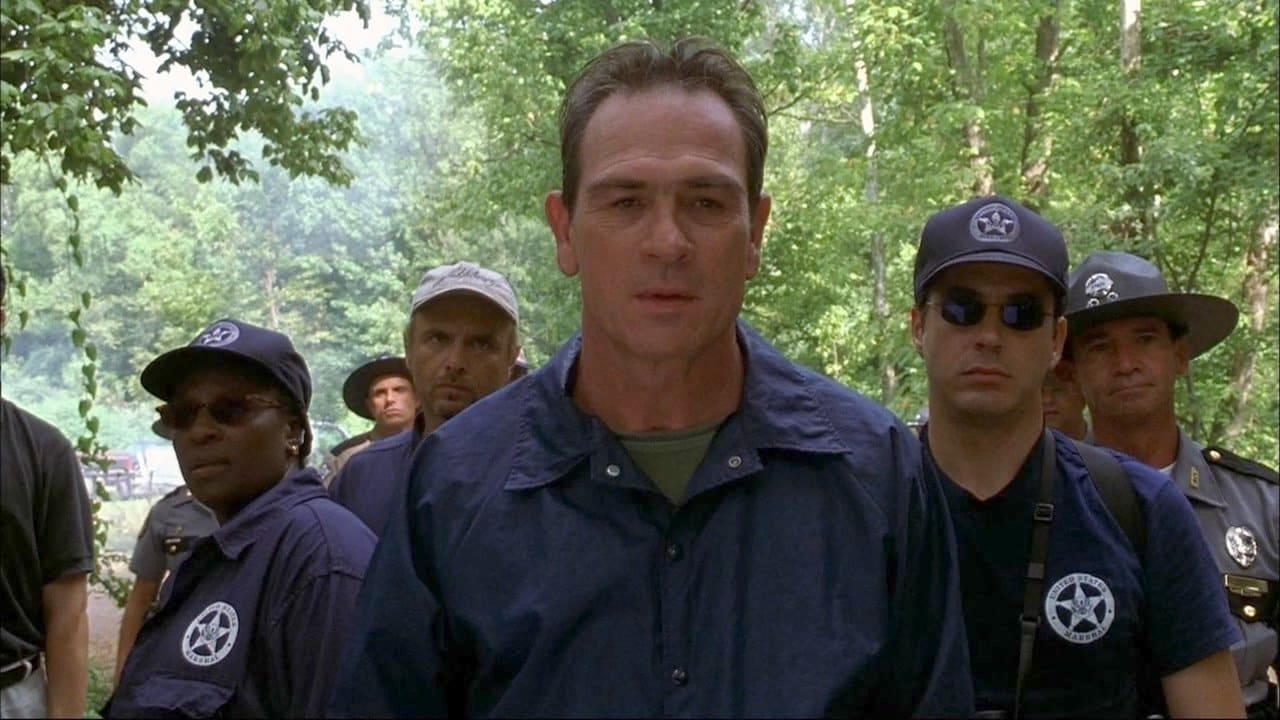
U.S. Marshals is the quintessential "Second Film." It has more money, more stars, and more explosions, but it lacks the soul and the tight-as-a-drum plotting of the original. It’s a movie that was designed to be watched on a 27-inch CRT television on a Sunday afternoon, and in that specific context, it excels. It’s a polished, professional piece of action filmmaking from a time when we still valued the sight of real cars flipping over real guardrails.
While it has largely faded into the "oh yeah, that sequel" category of 90s cinema, it’s worth a revisit for the cast alone. Seeing Jones and Snipes square off is a treat, and the plane crash remains a high-water mark for practical destruction. It won't change your life, but it will definitely kill two hours with style and a few very dry one-liners.
---
Keep Exploring...
-
The Fugitive
1993
-
The Hunted
2003
-
Executive Decision
1996
-
Star Trek: Nemesis
2002
-

The Long Kiss Goodnight
1996
-
Assassins
1995
-
The Siege
1998
-
Payback
1999
-
Along Came a Spider
2001
-
Blood Work
2002
-
Basic
2003
-
Volcano
1997
-

Hard Target
1993
-
Striking Distance
1993
-

Hackers
1995
-
Breakdown
1997
-

Romeo Must Die
2000
-
Shaft
2000
-
Kiss of the Dragon
2001
-
The Score
2001