What Dreams May Come
"Love is the only thing you can take with you."

I remember watching What Dreams May Come for the first time on a humid Tuesday evening while nursing a lukewarm Diet Coke and a bag of slightly stale pretzels. The pretzels were forgettable, but the movie felt like someone had reached into my chest, grabbed my heart, and dunked it into a bucket of neon-bright oil paint. It’s one of those 90s artifacts that feels like it shouldn't exist—a massive studio gamble on a metaphysical romance that deals almost exclusively with suicide, grief, and the logistics of the afterlife.
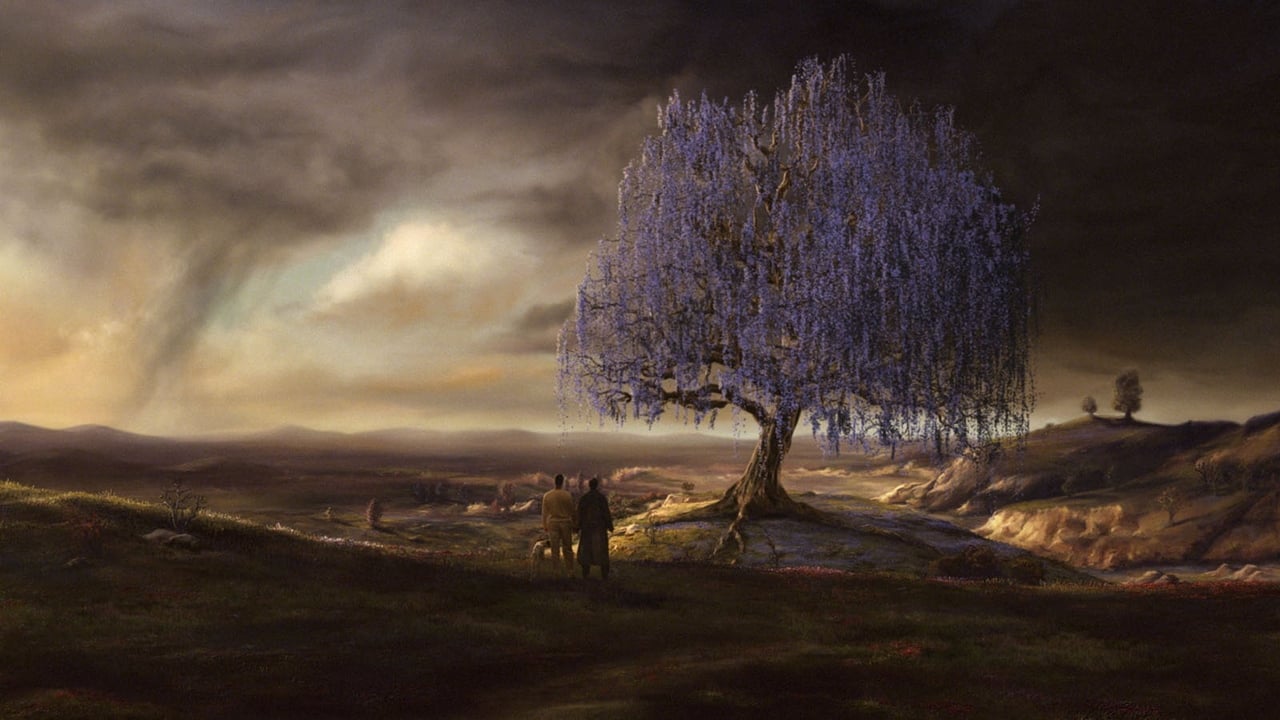
In 1998, Hollywood was in the middle of a digital gold rush. We’d seen dinosaurs in Jurassic Park and the toys come to life in Toy Story, but director Vincent Ward (who did the fascinating The Navigator: A Medieval Odyssey) used the emerging CGI tech to do something different. He didn't want realism; he wanted a living, breathing painting. The result is a film that looks like a museum exploded, and while critics at the time were busy arguing over whether it was "too much," I was just sitting there wondering how a movie could be so devastating and so beautiful at the same time.
The Orpheus of the Suburbs
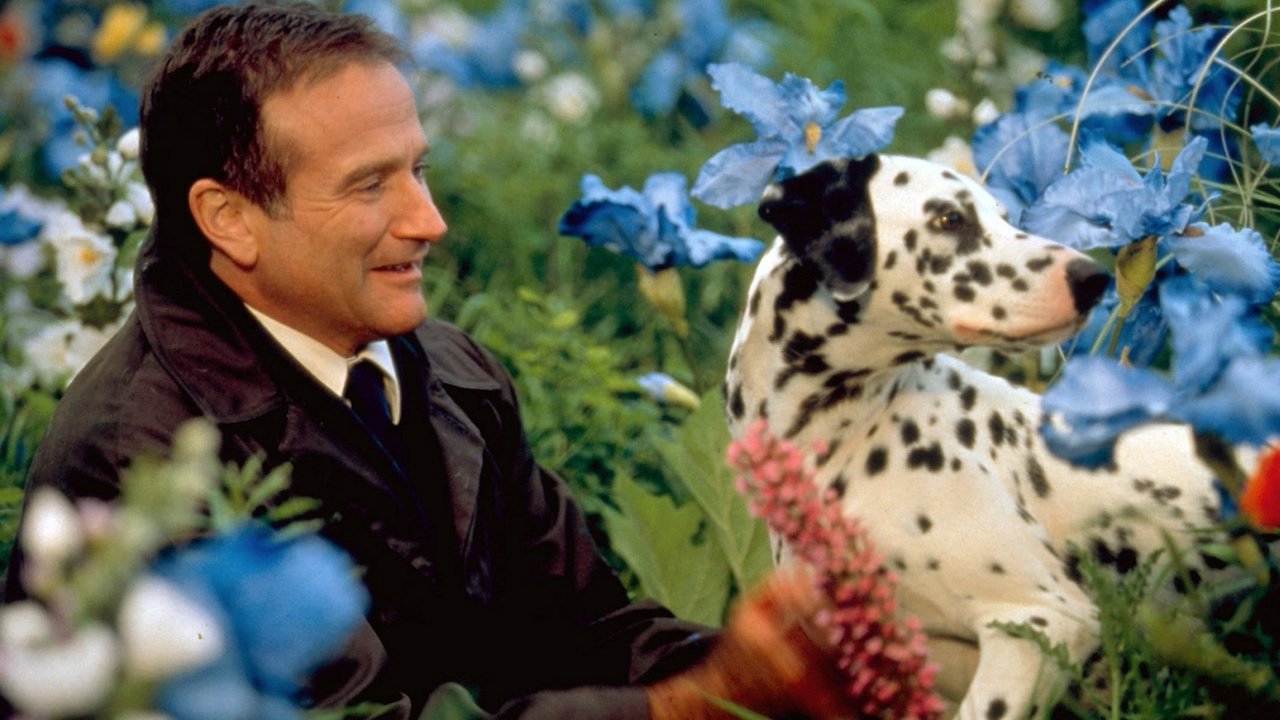
The story follows Chris Nielsen, played by Robin Williams at his most soulful. This was "Serious Robin," the era of Good Will Hunting and Insomnia, where he traded his manic energy for a quiet, weary vulnerability. After Chris dies in a car accident, he wakes up in a heaven tailored to his own imagination—specifically, the lush, Impressionist landscapes of his wife Annie’s paintings. But when Annie (Annabella Sciorra, who brings a raw, jagged edge to her grief) takes her own life and is sent to "Hell" for it, Chris decides to risk his eternal peace to find her.
It’s a classic Orpheus and Eurydice riff, but set against a backdrop that is genuinely mind-bending. Cuba Gooding Jr. pops up as Albert, a guide who helps Chris navigate the rules of the beyond, while the legendary Max von Sydow (the guy who played chess with Death in The Seventh Seal) shows up as a "Tracker." Watching Max von Sydow and Robin Williams share a screen is one of those "only in the 90s" casting miracles that I didn't appreciate enough when I was younger.
A Technicolor Fever Dream
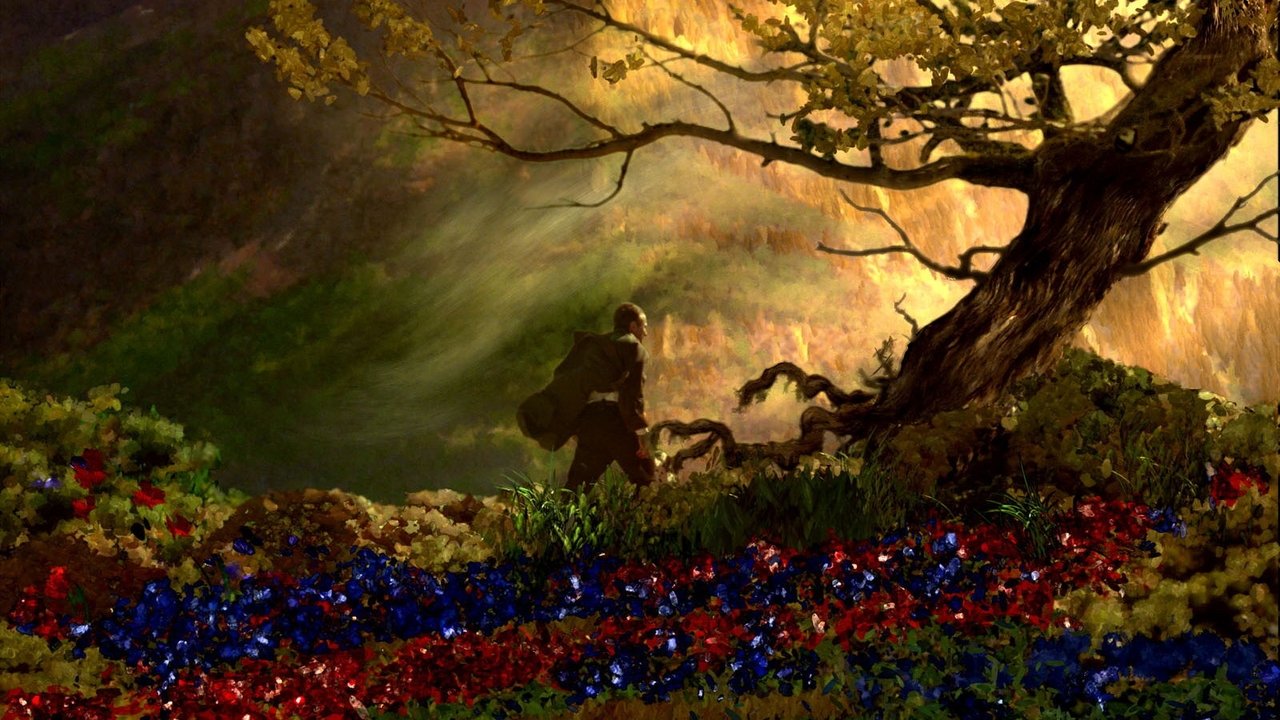
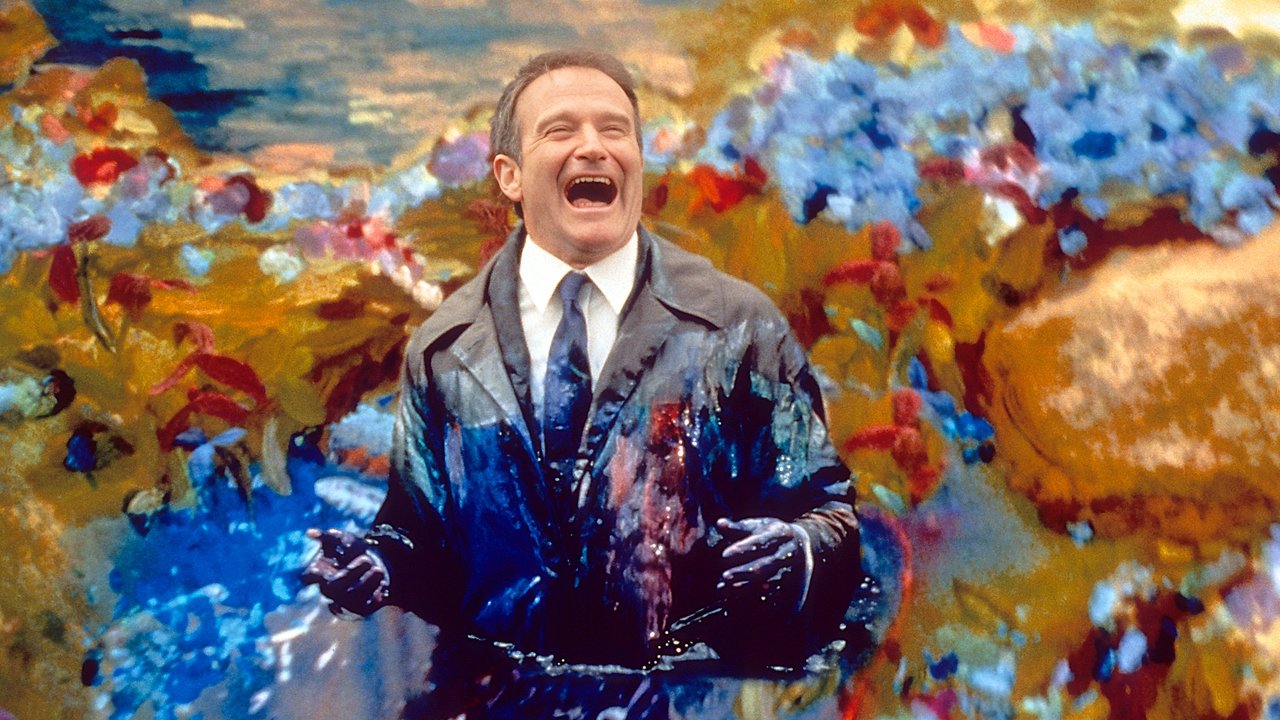
Let’s talk about those visuals, because they are the real star here. This was a pre-MCU world where high-concept CGI was still a risky, experimental playground. The "Painted World" sequence, where Chris walks through a literal wet oil painting, remains one of the most stunning things put to celluloid. Every time he steps, the ground ripples like pigment. Flowers don't just bloom; they smear. It won the Oscar for Best Visual Effects, and frankly, it makes most modern superhero backgrounds look like a cheap Windows screensaver.
Interestingly, the production was a bit of a nightmare. The "Motion Paint" software used to create the effects was cutting-edge and incredibly temperamental. It cost a fortune—the budget ballooned to $85 million, which was an insane amount of money for a movie that is essentially a two-hour meditation on depression. It’s no wonder it struggled at the box office. It wasn't the feel-good Robin Williams comedy audiences expected from the guy who did Mrs. Doubtfire. It was something much darker and weirder.
The DVD Afterlife and Cult Status
Looking back, What Dreams May Come is the ultimate "DVD Discovery." I remember the special edition disc being a staple in every film nerd’s collection in the early 2000s. The commentary tracks and behind-the-scenes featurettes were a masterclass in how much work went into every frame. It’s a film that demands a second look, not because the plot is complicated, but because the emotional subtext is so heavy.

There’s a specific kind of sincerity in this film that you just don't see anymore. It’s unironic. It’s not trying to be "cool" or "edgy." It’s a movie that looks you in the eye and asks, "If the person you loved was in a pit of despair, would you go in there and stay with them, even if you couldn't save them?" That’s heavy stuff for a Friday night rental. The film’s depiction of Hell isn't fire and brimstone; it’s a gray, stagnant sea of faces and a collapsed cathedral of rusted ships. It’s a psychological Hell, which is much more terrifying.
Turns out, the film was based on a novel by Richard Matheson, the same guy who wrote I Am Legend. He was obsessed with the idea of what happens next, and while the movie takes some liberties (the book’s ending is a bit different), the core remains a testament to human connection. Apparently, the crew even used a real, decommissioned aircraft carrier in the San Francisco Bay to film some of the more desolate afterlife scenes. That’s the kind of practical/digital hybrid work that gives the movie its weight.
What Dreams May Come isn't a perfect film. It’s sometimes so sentimental it threatens to drown you in its own tears, and the pacing in the middle act can feel as sluggish as walking through that metaphorical wet paint. But its ambition is undeniable. In an era where movies often feel like they were designed by a committee to be as inoffensive as possible, I miss this kind of bold, messy, beautiful failure. It’s a film that dares to be visual poetry, even when the rhymes are a little clunky. If you haven't seen it since the VHS days, give it another shot—it’s a trip worth taking, even if you need a box of tissues to get through it.
Keep Exploring...
-
Meet Joe Black
1998
-
The Family Man
2000
-
Just Like Heaven
2005
-
The Curious Case of Benjamin Button
2008
-
Edward Scissorhands
1990
-
City of Angels
1998
-
The Legend of Bagger Vance
2000
-
Stranger Than Fiction
2006
-
The Illusionist
2006
-

The Time Traveler's Wife
2009
-
Beastly
2011
-
Upside Down
2012
-

Phenomenon
1996
-
Only Lovers Left Alive
2013
-
DragonHeart
1996
-
Hercules
1997
-

Stepmom
1998
-
Entrapment
1999
-
A Knight's Tale
2001
-
Enemy at the Gates
2001