8MM
"Some doors are better left locked."
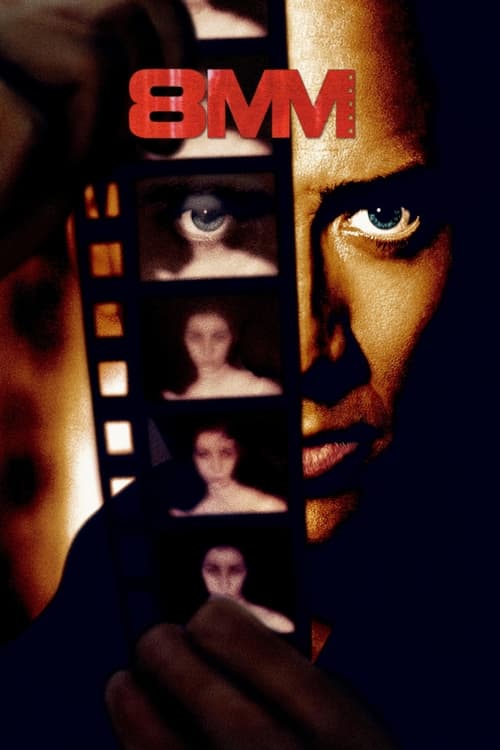
There is a specific kind of grime that only existed in late-90s thrillers—a sort of greenish-grey cinematic sludge that made you feel like you needed a tetanus shot just for watching the credits. While 1999 was busy giving us the digital wizardry of The Matrix and the neon-soaked existentialism of Fight Club, director Joel Schumacher was dragging us into the literal gutter with 8MM. It’s a film that sits in a strange, uncomfortable pocket of history: the exact moment when the analog mystery of a physical "snuff film" reel felt terrifyingly plausible, right before the internet turned the world’s darkest corners into a common search query.
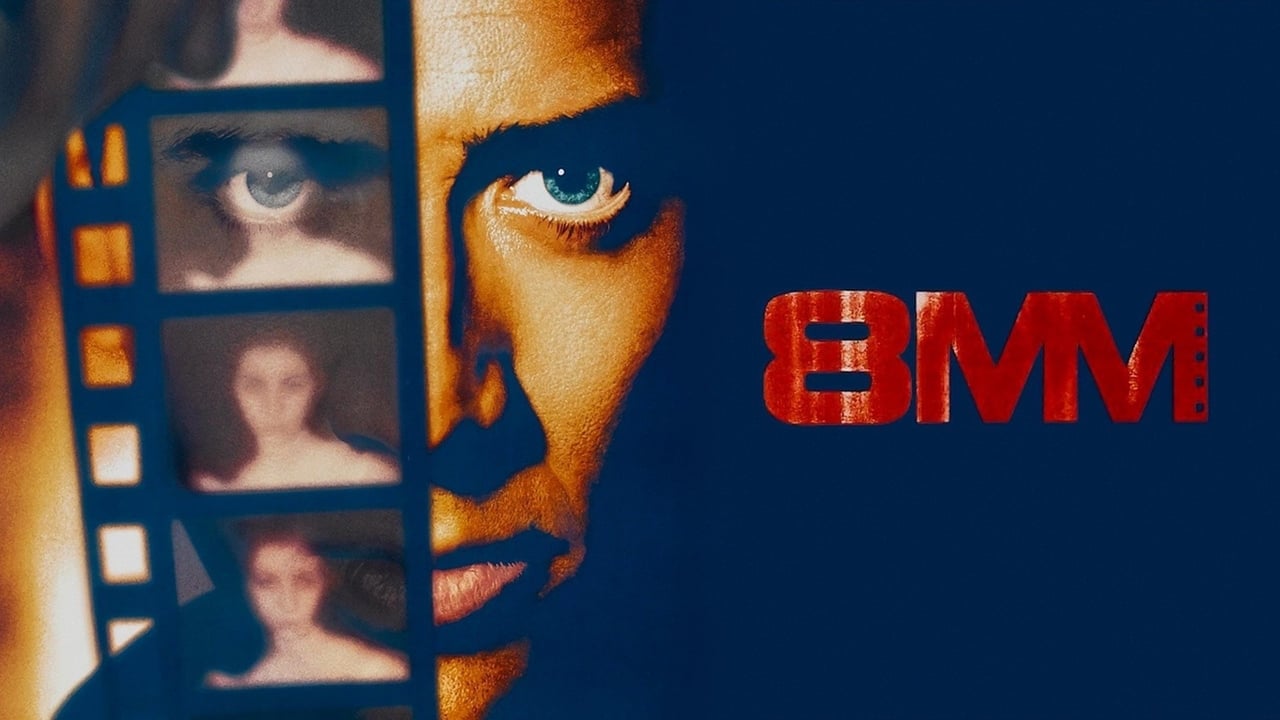
I watched this recently while sitting in a chair that has one slightly shorter leg, so I spent the entire two hours subtly wobbling back and forth. Honestly, that physical instability felt like the only appropriate way to experience a movie this dedicated to making its audience feel off-balance.
The Death of the Small-Town P.I
The setup is classic noir, but filtered through the lens of a $40 million budget and a screenplay by Andrew Kevin Walker, the man who previously traumatized us with Se7en. Nicolas Cage plays Tom Welles, a private investigator who lives a life so wholesome it practically glows. He has a loving wife, a cute baby, and a job that mostly involves catching cheating spouses in grainy stakeout photos. That all evaporates when he’s hired by a wealthy widow to determine if a 8mm film found in her late husband’s safe—showing the brutal murder of a young girl—is real.
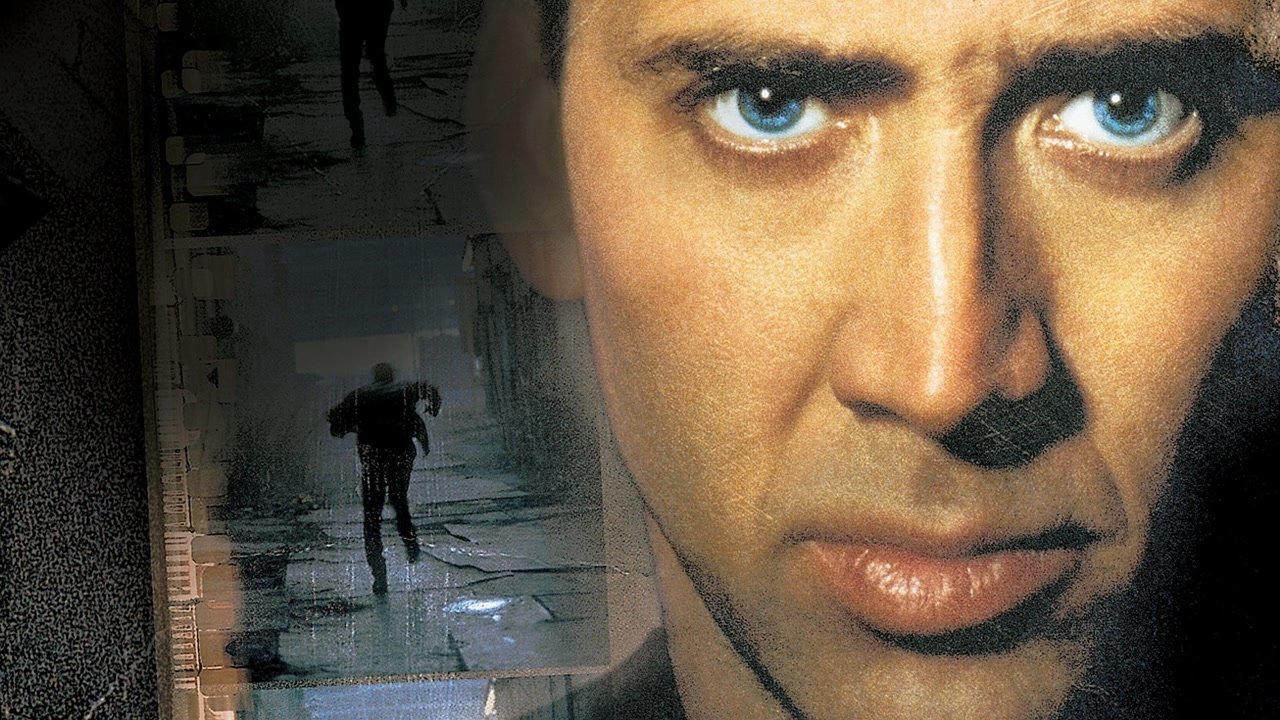
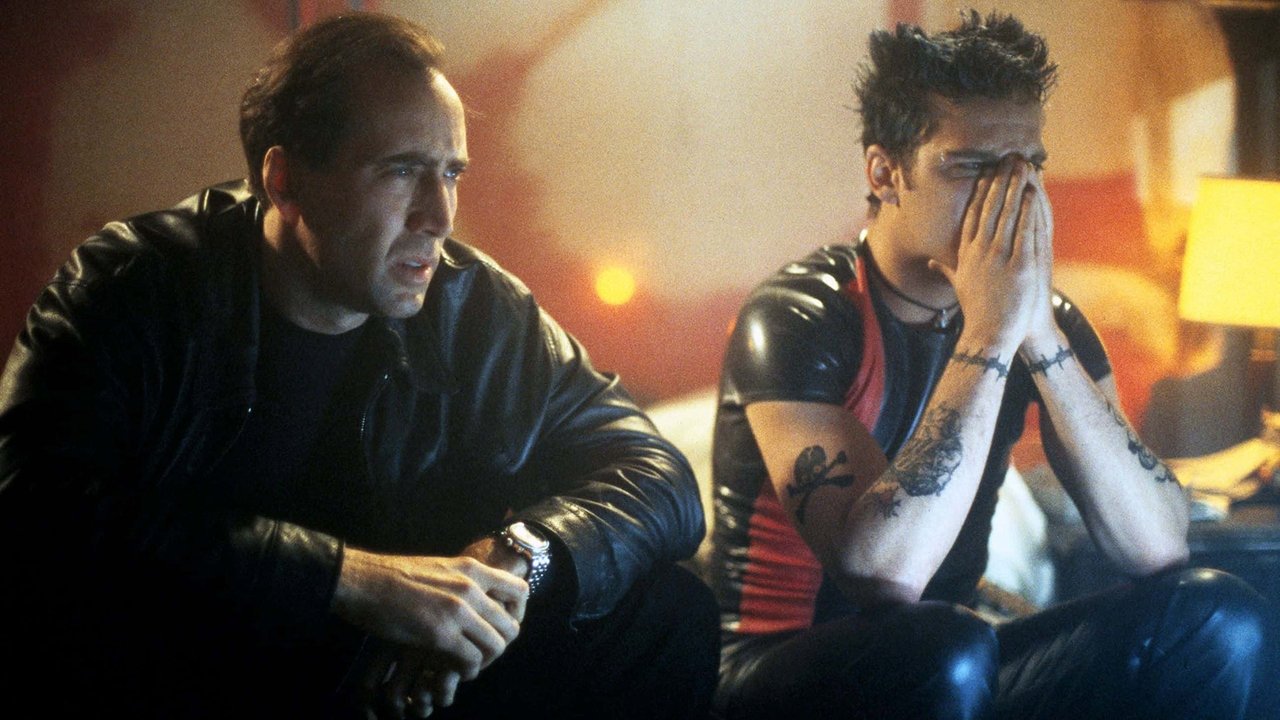
What follows isn't just a mystery; it’s a descent. Nicolas Cage is remarkably restrained here, which might surprise those who only know him for his later, more "memetic" performances. He plays Welles as a man who is slowly being hollowed out by what he’s seeing. As he travels from the pristine lawns of suburban Ohio to the industrial sex clubs of Los Angeles, you can see the light leaving his eyes. It’s a performance about the cost of looking at things you can never unsee.
A Masterclass in Supporting Sleaze
While Cage provides the emotional anchor, the movie truly comes alive when he hits the pavement in L.A. and meets Max California, played by a young, pre-Oscar-glory Joaquin Phoenix. Phoenix is incredible as the "streetwise" adult bookstore clerk who becomes Welles’ Virgil through the circles of hell. He brings a much-needed human levity to a movie that otherwise threatens to drown in its own darkness.

Then there are the villains. Before he was Tony Soprano, James Gandolfini was Eddie Poole, a low-rent porn producer with a greasy ponytail and a soul made of sandpaper. He is terrifying precisely because he feels so mundane. Alongside him is Peter Stormare (who you’ll recognize from Fargo) playing Dino Velvet, a director of "extreme" cinema who treats human suffering like high art. And we can't forget Chris Bauer as Machine, a character who basically exists to prove that the most dangerous monsters are the ones who look like they’d be invisible in a grocery store.
The chemistry between these actors is what keeps 8MM from being just another "trashy" thriller. It’s a drama disguised as a crime flick, focusing heavily on how Welles’ obsession begins to poison his marriage and his sense of self. It asks a genuine moral question: if you stare at the sun long enough, do you deserve to go blind?
The Reality Behind the Reel
The production of 8MM is almost as dramatic as the film itself. Andrew Kevin Walker reportedly hated the final product. He felt Joel Schumacher—the man who gave us the neon-lit Batman & Robin—was the wrong choice for such bleak material. Walker wanted something even darker, something more akin to a funeral march. Schumacher, however, brought a certain "slickness" to the grime.
Interestingly, the film’s central conceit—the snuff film—is a legendary urban myth. Despite the movie's grim insistence, the FBI has never actually found a verified case of a film made for commercial sale depicting a real, premeditated murder. This makes 8MM a fascinating time capsule of pre-Y2K anxieties. We were terrified of what was hidden in safes and backrooms, not realizing that within a decade, the "dark web" would make these physical reels look like ancient relics.
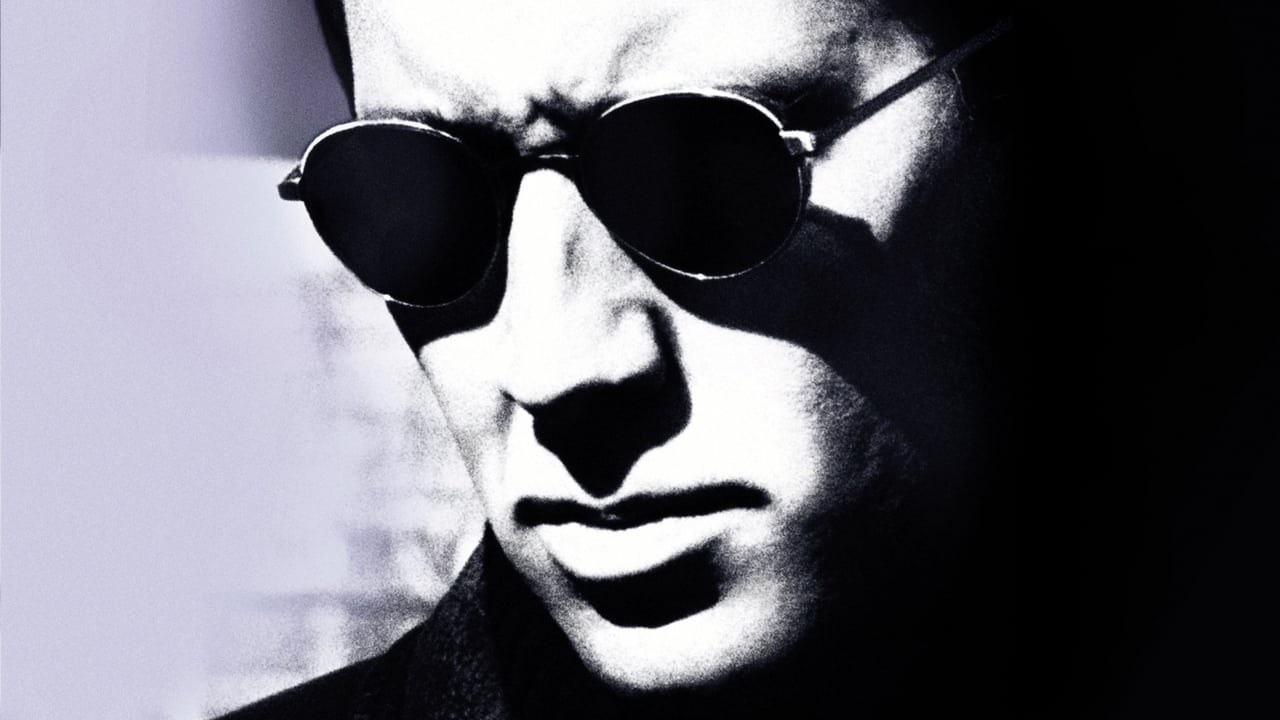
The film also captures a bridge in cinematography. Shot by Robert Elswit (who would later win an Oscar for There Will Be Blood), the movie uses deep shadows and high-contrast lighting that feels very "90s noir," but there’s an analog texture to it. You can almost feel the heat of the projector bulbs. Apparently, to get the right look for the "snuff" footage itself, they used actual 8mm cameras and processed the film poorly on purpose to create that jittery, haunting grain.
Ultimately, 8MM is a film that it’s basically a high-budget snuff-themed Law & Order episode on acid. It isn't as philosophically deep as Se7en, nor is it as fun as Face/Off, but it occupies a unique space in the "Adult Thriller" era. It’s a movie about the end of innocence, released right before the world changed forever. It’s uncomfortable, it’s dirty, and it features a cast that is frankly over-qualified for the material, which is exactly why it has maintained a cult following.
If you’re in the mood for a movie that feels like a cold shower in a basement, this is your winner. It’s a reminder of a time when Hollywood was willing to spend millions of dollars to tell a story that offered no easy answers and left you feeling like you needed to go hug your family. Just maybe don't watch it if you're already having a bad day. It’s a long, dark road, but Nicolas Cage is a hell of a driver.
Keep Exploring...
-
The Client
1994
-
The Number 23
2007
-
Phone Booth
2003
-

Falling Down
1993
-
A Time to Kill
1996
-
Snake Eyes
1998
-
The Bone Collector
1999
-
Con Air
1997
-
Gone in Sixty Seconds
2000
-
Kiss Kiss Bang Bang
2005
-
A Walk Among the Tombstones
2014
-

Sleepy Hollow
1999
-
Copycat
1995
-
The Net
1995
-
Breakdown
1997
-
Kiss the Girls
1997
-
Arlington Road
1999
-

The Boondock Saints
1999
-
The Pledge
2001
-
Mindhunters
2004