All About My Mother
"Every woman is an actress, every mother a miracle."
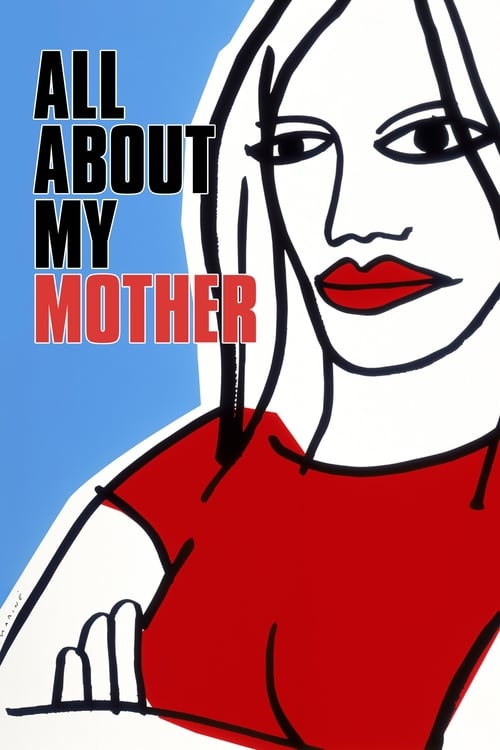
I first watched All About My Mother on a chunky, silver Sanyo CRT television in a room that smelled faintly of the damp laundry I’d forgotten in the washer. I remember the exact moment I stopped caring about my wet socks: it was the scene where the red curtains of a theater stage merged seamlessly into the red emergency lights of a rain-slicked Madrid street. In that instant, Pedro Almodóvar didn’t just grab my attention; he hijacked my emotional frequency.
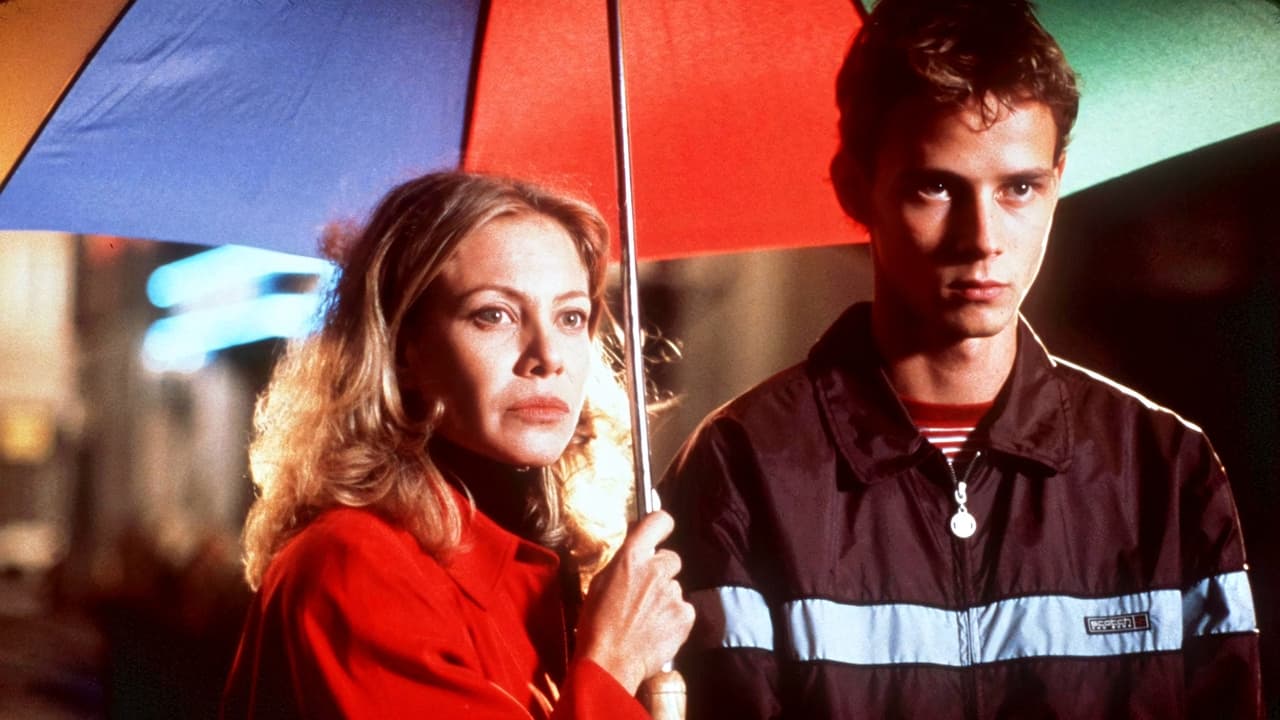
Released in 1999—a year that gave us the testosterone-fueled nihilism of Fight Club and the digital anxiety of The Matrix—this film felt like a warm, albeit tragic, embrace from a different universe. It’s a drama that treats the act of living as a performance, and it’s arguably the moment Almodóvar stopped being merely a "naughty" Spanish provocateur and became a world-class poet of the human heart.
The Art of the Authentically Fake
The plot kicks off with a gut-punch: Manuela (Cecilia Roth), a nurse who coordinates organ transplants, loses her teenage son in a freak accident after a performance of A Streetcar Named Desire. It’s a cruel irony that a woman who spends her life helping others live through loss is suddenly hollowed out by her own. Seeking closure, she heads to Barcelona to find her son’s father—a transgender woman named Lola whom she hasn't seen in eighteen years.
If that sounds like the setup for a trashy daytime talk show, you’ve clearly never experienced Almodóvar’s alchemy. He takes the tropes of "women's pictures"—the weeping mothers of Douglas Sirk and the backstage drama of All About Eve—and elevates them into something profoundly intellectual. Almodóvar makes grief look like a high-fashion editorial, and somehow it works. The primary colors are so saturated they practically bleed off the screen, creating a world where reality is heightened but the emotions remain devastatingly grounded.
A Masterclass in Radical Empathy
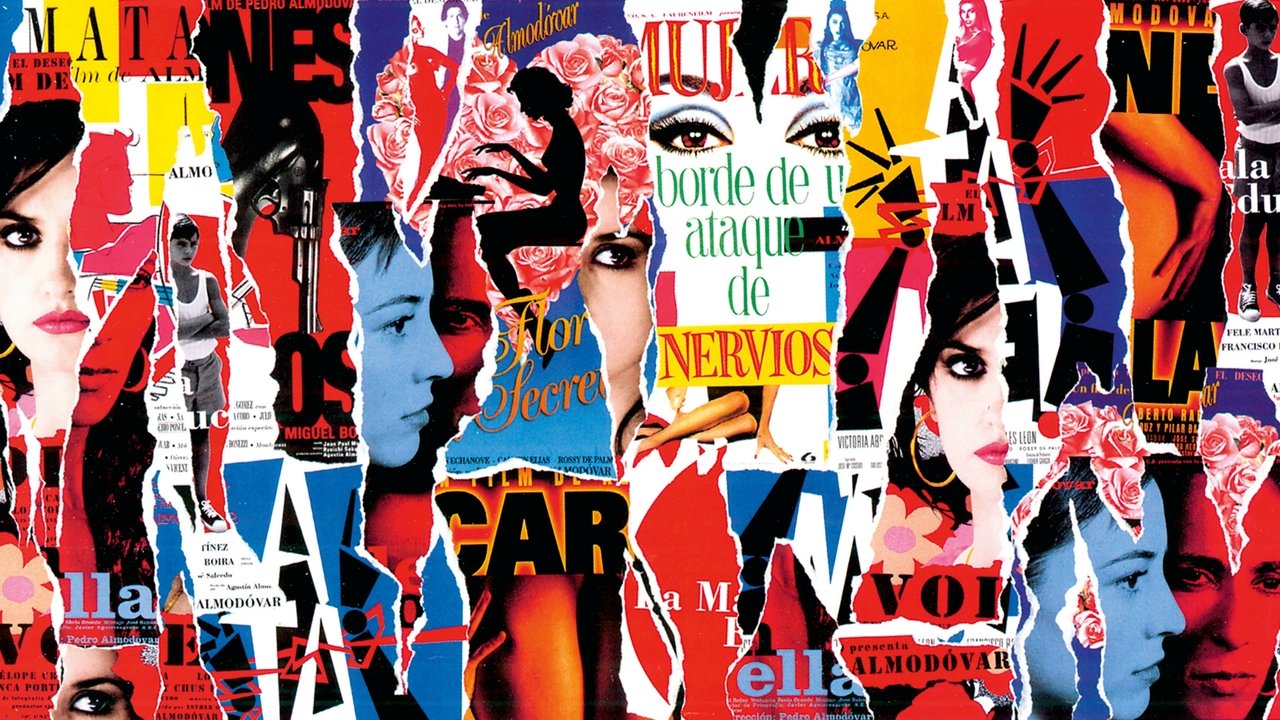
What strikes me most, looking back twenty-five years later, is how the film handles its ensemble. We meet Agrado (Antonia San Juan), a transgender sex worker with a heart of gold and a tongue of acid; Rosa (Penélope Cruz), a saintly, pregnant nun with a shocking secret; and Huma (Marisa Paredes), a legendary actress who is falling apart behind the scenes.
In the late 90s, these characters were often relegated to the "eccentric best friend" or "tragic victim" roles in Hollywood. Here, they are the pillars of a makeshift family. Antonia San Juan delivers a monologue about her plastic surgeries that serves as the film’s philosophical spine. She lists the costs of her breasts, her nose, and her lips, concluding that "you are more authentic the more you resemble the person you dreamed of being." If you don't cry during the Agrado speech, you're probably a replicant. It’s a beautiful, cerebral defense of self-creation that feels even more relevant in our current era of digital identities and curated lives.
From VHS Dust to Cinematic Royalty
Watching this in the DVD era was a revelation. I remember the Criterion Collection and early special editions allowing us to dive into Almodóvar’s "Red" aesthetic, realizing that every frame was a deliberate choice. He doesn't use CGI to build worlds; he uses wallpaper, kitchen tiles, and costume design. It’s a tactile, analog beauty that has aged significantly better than the blurry digital effects of other 1999 blockbusters.

The film is also a fascinating bridge between eras. It features a young Penélope Cruz before she became a global superstar, showing the raw, understated talent that Almodóvar always knew how to harness better than anyone in Los Angeles. It’s a movie that demands you engage with it intellectually—questioning the nature of motherhood, the fluidity of gender, and the necessity of theater—while never forgetting to make you feel like you’re sharing a drink with old friends in a smoky Barcelona bar.
All About My Mother is one of those rare films that manages to be both a "cult classic" for the queer community and a universally acclaimed masterpiece that swept the Oscars. It’s a vibrant, messy, and impeccably dressed meditation on how we survive the unthinkable. Whether you’re a fan of high drama or just someone who appreciates a director who knows exactly where to put a camera, this is essential viewing. It’s a reminder that even when our lives fall apart, we can still choose to play the lead role with dignity.

Keep Exploring...
-
Talk to Her
2002
-
Volver
2006
-
The Skin I Live In
2011
-
Bad Education
2004
-
10 Things I Hate About You
1999
-
Moonrise Kingdom
2012
-

Dilwale Dulhania Le Jayenge
1995
-
Women on the Verge of a Nervous Breakdown
1988
-
Ed Wood
1994
-
Fear and Loathing in Las Vegas
1998
-

Rushmore
1998
-

Being John Malkovich
1999
-
High Fidelity
2000
-
The Royal Tenenbaums
2001
-
Adaptation.
2002
-
Punch-Drunk Love
2002
-
The Chorus
2004
-
The Postman
1994
-
A Dog's Will
2000
-
Good Bye, Lenin!
2003