American Pie
"Apple pie will never look the same again."
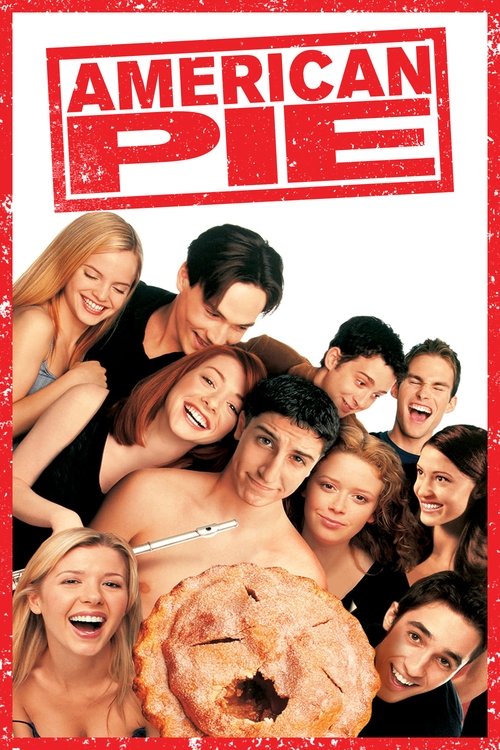
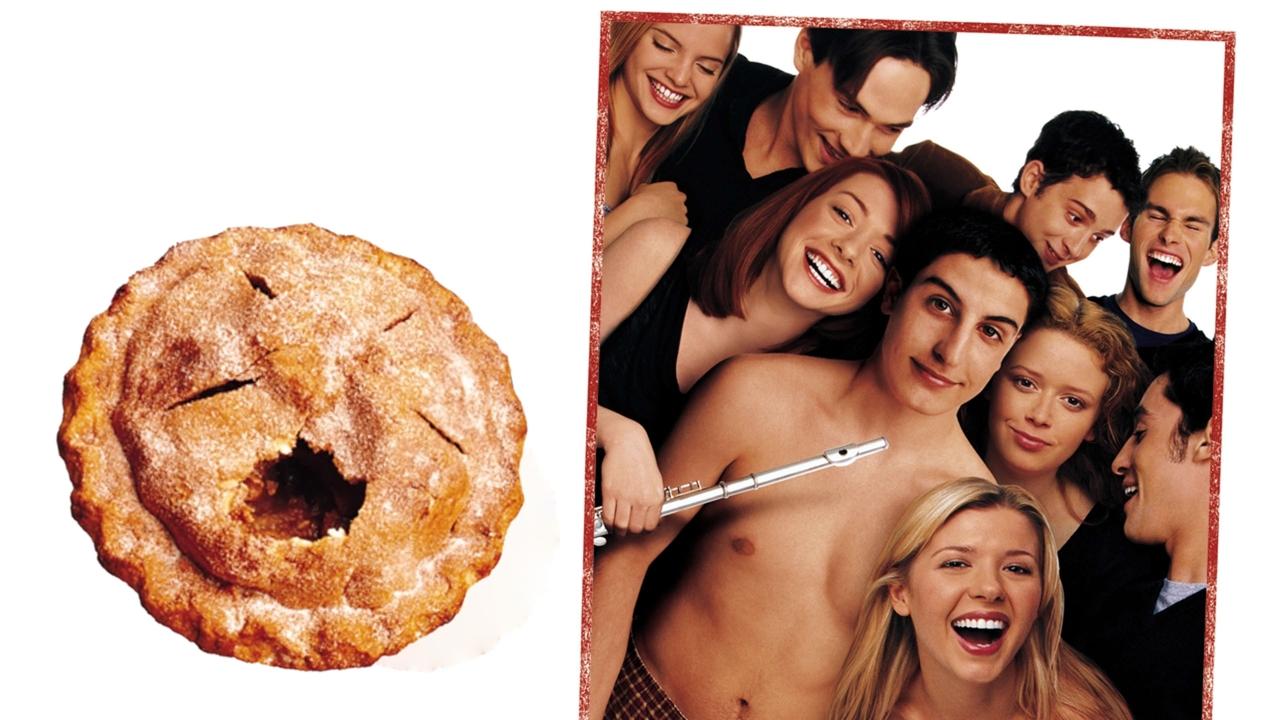
It’s hard to look at a lattice-crust apple pie without a slight shudder of recognition, even twenty-five years after the fact. Before 1999, the teen comedy was a dying breed, gasping for air after the John Hughes era had faded into the polyester malaise of the early 90s. Then came Jason Biggs, a warm pastry, and a script so shamelessly honest about the teenage libido that it didn’t just revive a genre—it kickstarted a billion-dollar franchise. I watched this last night while eating a bowl of lukewarm spaghetti, and honestly, the lack of salt in my pasta made Jim’s cringe-inducing awkwardness feel even more dehydrating.
The Anatomy of a Gross-Out Classic
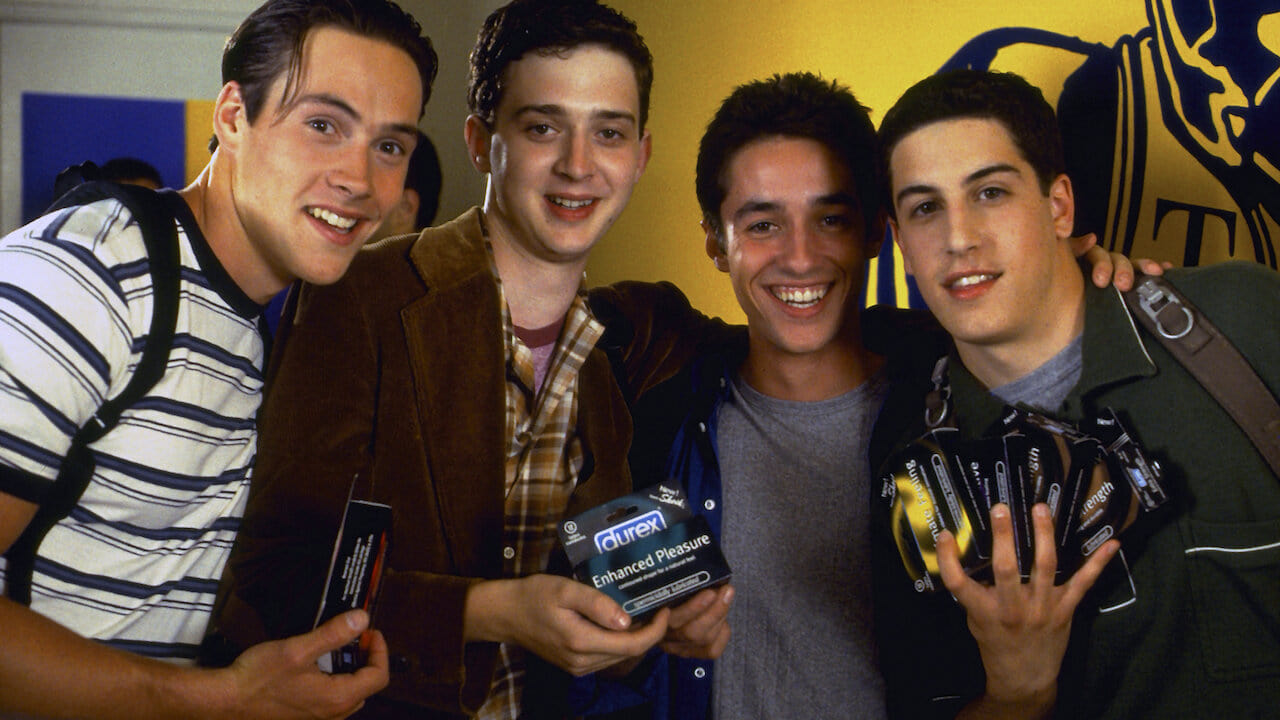
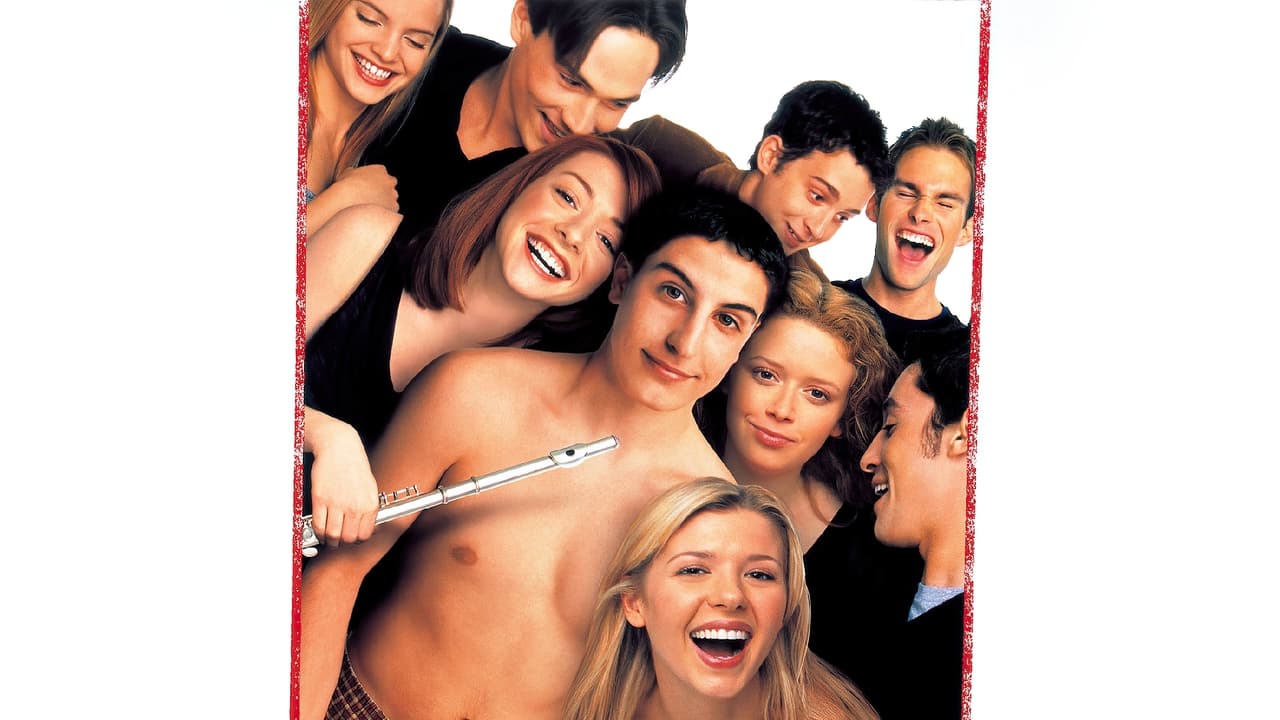
The brilliance of American Pie isn't just in the "ew" factor; it’s in the surgical precision of its comedic timing. Director Paul Weitz (who would later give us About a Boy) and writer Adam Herz understood that for a joke about a sock or a webcam to land, you need to actually care about the idiots involved. The "pact" to lose their virginity by prom is a trope as old as time, but the chemistry between Jason Biggs, Chris Klein, Thomas Ian Nicholas, and Eddie Kaye Thomas feels genuine. They aren't just archetypes; they're that specific group of friends we all had—the one who’s too sensitive, the one who’s too loud, and the one who’s perpetually terrified of saying the wrong thing.
The film serves as a perfect time capsule of that pre-9/11, Y2K-anxious bubble. Looking back, the webcam sequence is a straight-up felony by modern standards, yet in 1999, it was framed as the ultimate high-tech "oops" moment. It’s fascinating to see how the "Modern Cinema" era transitioned from the grainy VHS tapes Jim hides in his room to the burgeoning internet culture represented by Shannon Elizabeth’s Nadia. This movie captured the exact moment the digital age began to invade our private lives, and it did so while Jason Biggs was doing... well, you know what he was doing.
The Stifler Effect and the Improvised Dad
While the core four friends drive the plot, the movie belongs to the periphery. I’d argue that Seann William Scott—who isn't even part of the central "pact"—is the secret ingredient that made this a phenomenon. His Steve Stifler is a hurricane of toxic charisma and "bro" energy that shouldn't be likable, yet you can’t look away. It’s a career-defining performance that influenced nearly every R-rated comedy for the next decade.
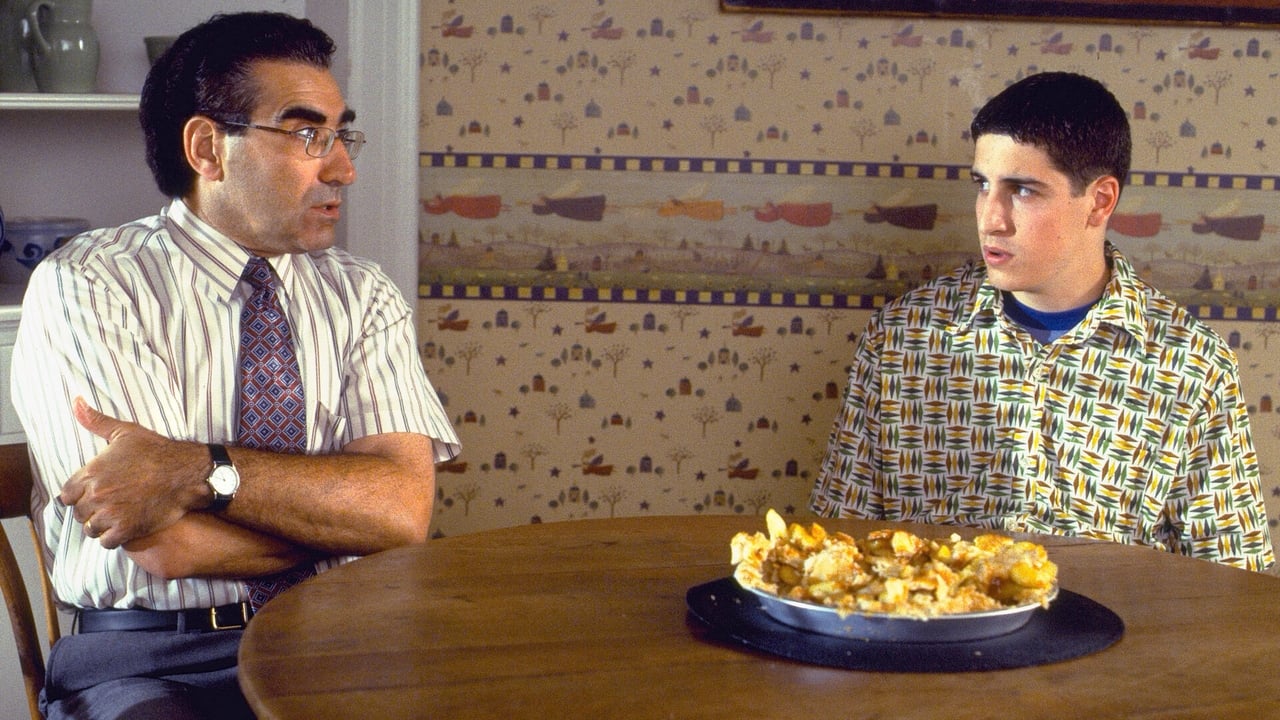
Then there’s Eugene Levy. It turns out Levy actually turned down the role of Jim’s Dad several times because the character was originally written as too "creepy" and overbearing. He eventually agreed on the condition that he could improvise the character as a well-meaning, painfully earnest father who just wants to "connect" with his son. That choice saved the movie. Without the warmth of Levy, the film would just be a series of vulgar gags. Instead, it has a heart that beats beneath the layers of reproductive fluid.
The supporting cast is equally stacked with era-defining faces. Alyson Hannigan (fresh off Buffy the Vampire Slayer) delivers the most iconic line of the decade with "One time, at band camp...", and Jennifer Coolidge practically invented a new cultural lexicon. Fun fact: the term "MILF" wasn't just a throwaway line; American Pie is credited with mainstreaming the acronym into the global vocabulary. That is a hell of a legacy for an $11 million indie-adjacent comedy.
A DVD Era Giant
We have to talk about the business of it all. This wasn't just a hit; it was a juggernaut. It raked in over $235 million worldwide, but its real life began on home video. This was the era where "Unrated" DVD cuts were the ultimate marketing tool. I remember the red-bordered DVD cases being passed around like contraband, promising "more" than what we saw in theaters. The film’s success signaled to Hollywood that the teen market was hungry for R-rated honesty, paving the way for everything from Superbad to Booksmart.
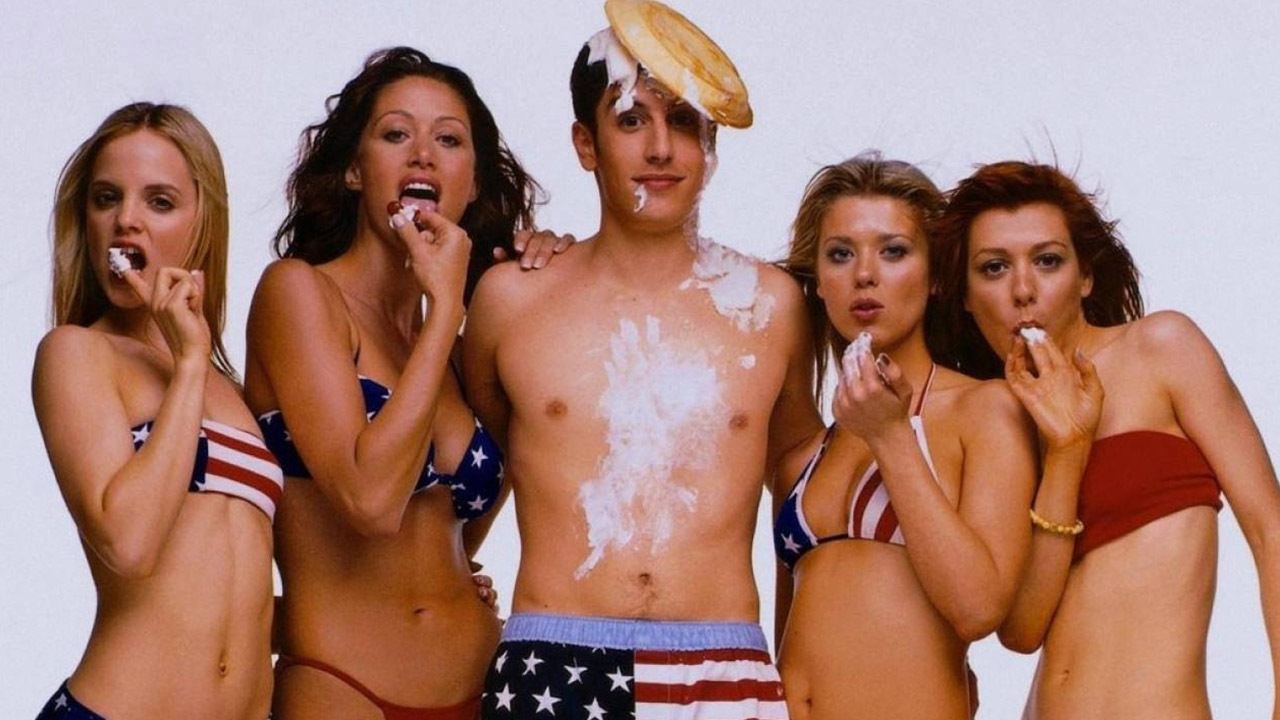
The production itself was a scrappy affair. The script was originally circulating under the very literal title Untitled Teenage Sex Comedy That Can Be Made For Under $10 Million. They eventually settled on Great Falls, and then American Pie, a nod to the Don McLean song and, of course, the pivotal scene involving Jim’s "third base" with a dessert. The crew famously had to use a pressurized can of rhubarb filling to get the "squish" sounds just right for that scene—a bit of Foley work that I personally think deserved an honorary Oscar.
American Pie is much smarter than its reputation suggests. While some of the gender politics have aged like milk left in a locker, the central theme of teenage inadequacy is universal and timeless. It’s a film that balances a high "gross-out" factor with a surprising amount of sweetness, anchored by Eugene Levy’s eyebrows and Jason Biggs’s total lack of vanity. If you can look past the 90s fashion and the questionable use of a webcam, you’ll find a comedy that still hits its marks with ruthless efficiency. It remains the gold standard for the "losing it" subgenre, proving that sometimes, the best way to tell a story about growing up is to get a little messy.
Keep Exploring...
-
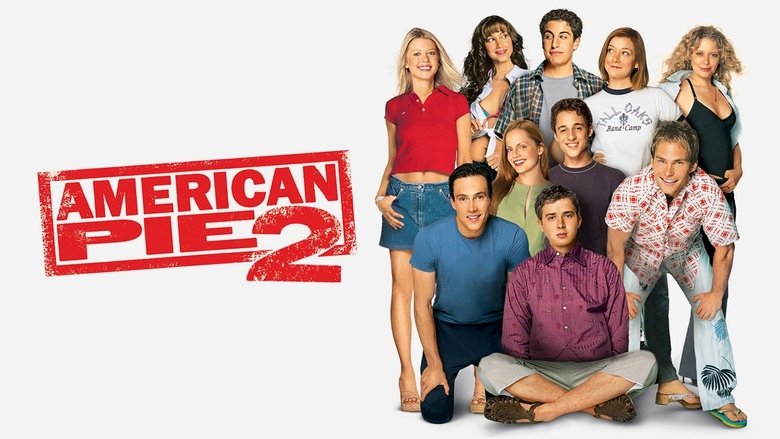
American Pie 2
2001
-
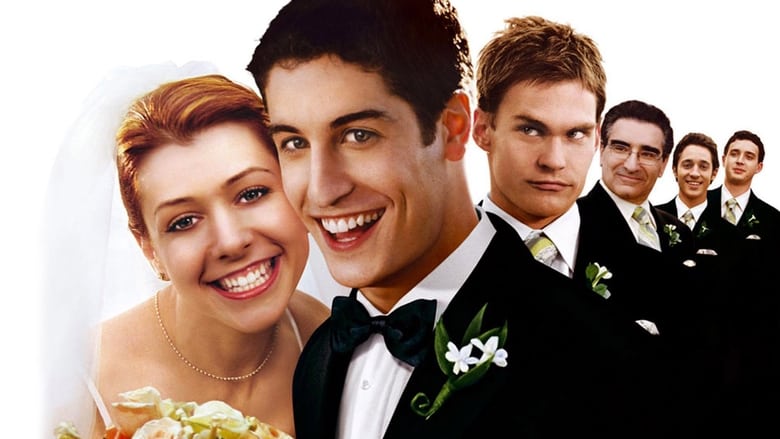
American Wedding
2003
-
American Reunion
2012
-
About a Boy
2002
-
Little Fockers
2010
-
The Mask
1994
-

While You Were Sleeping
1995
-
My Best Friend's Wedding
1997
-
Shakespeare in Love
1998
-
The Wedding Singer
1998
-
There's Something About Mary
1998
-

She's All That
1999
-
Chocolat
2000
-

Legally Blonde
2001
-
Shallow Hal
2001
-
The Princess Diaries
2001
-
Sweet Home Alabama
2002
-
Freaky Friday
2003
-
Just Married
2003
-
Along Came Polly
2004