Arlington Road
"Your neighbor has a secret. You have a nightmare."
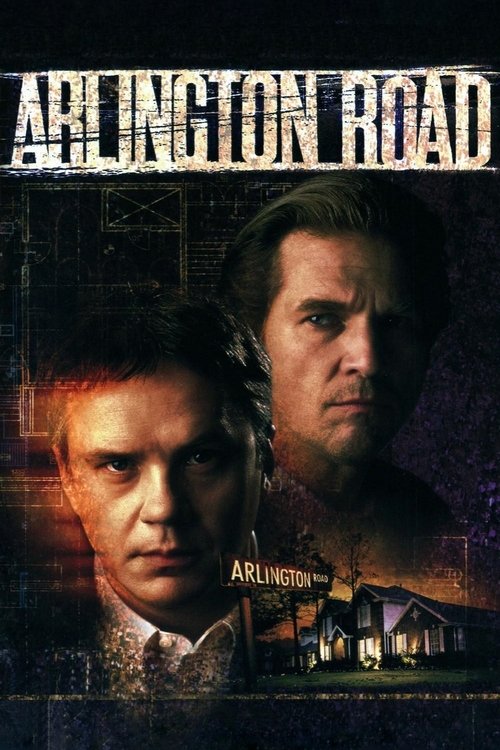
Suburban paranoia is a peculiar beast. It’s the nagging suspicion that the person mowing their lawn at 8:00 AM isn’t just a "morning person," but someone hiding a life-sized skeleton in their crawlspace. In 1999, a year already bloated with cinematic masterpieces like The Matrix and Fight Club, a lean, mean, and utterly nihilistic thriller called Arlington Road quietly slipped into theaters and proceeded to ruin the concept of a "friendly neighborhood" for an entire generation. Looking back, it feels like the last great gasp of the analog thriller before the world changed forever on 9/11, and frankly, I’m still not sure we’ve seen anything quite as ballsy since.
I watched this recently while sitting on a floor pillow that definitely needed a deep clean, holding a pint of Ben & Jerry's that sat there slowly melting into soup because I was too busy chewing my fingernails to actually pick up the spoon. That’s the effect of this movie; it demands your full, anxious attention.
The Anatomy of a Panic Attack
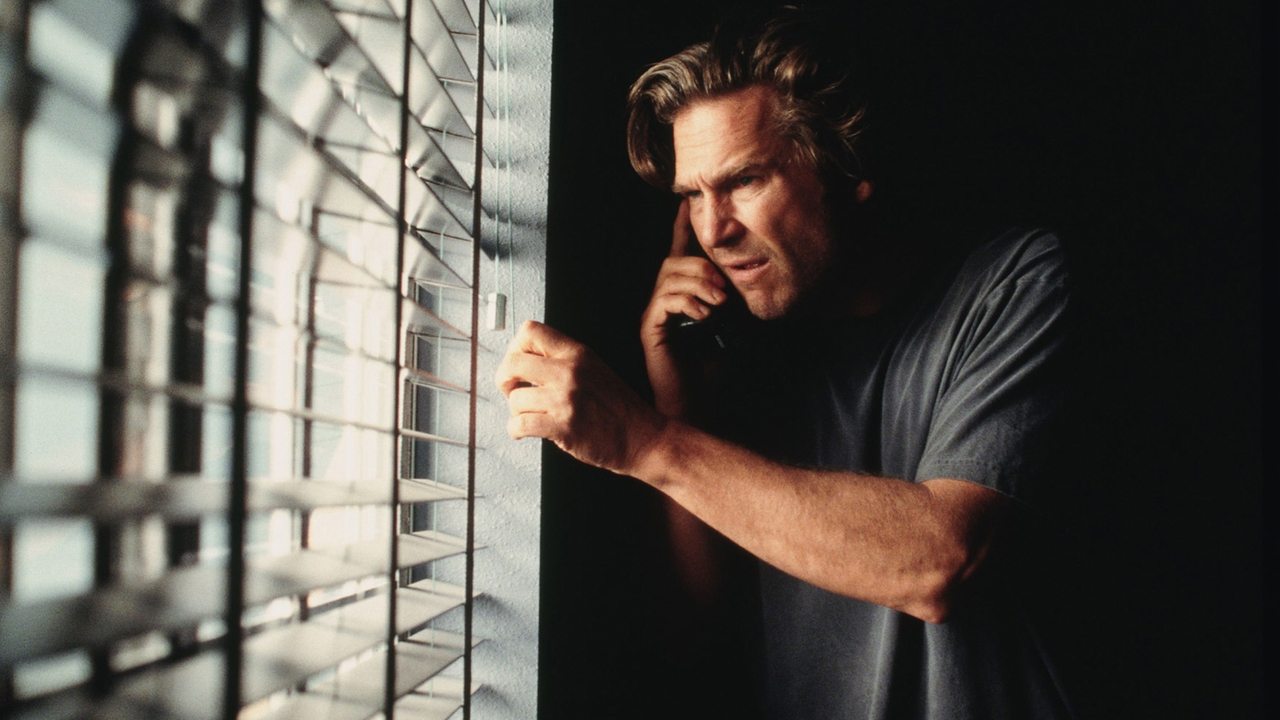
The film centers on Michael Faraday, played with a frantic, sweat-beaded intensity by Jeff Bridges. Michael is a history professor specializing in domestic terrorism—a man who lost his FBI agent wife to a botched raid and is now raising his son in a cloud of grief and growing conspiratorial dread. When he saves the young son of his new neighbors, Oliver and Cheryl Lang, he’s welcomed into their seemingly perfect "all-American" lives.
But Michael can't just accept a thank-you burger. He starts noticing discrepancies in Oliver’s stories, blueprints that don't match the house, and a general vibe that screams "I’m hiding something." Jeff Bridges is magnificent here because he plays Michael right on the edge of a breakdown. Is he a hero uncovering a plot, or is he a broken man projecting his trauma onto a nice guy who just happens to be played by Tim Robbins? For a good chunk of the runtime, director Mark Pellington lets you dance on that razor’s edge.
The Villainy of the Ordinary
If Jeff Bridges is the engine of the film’s anxiety, Tim Robbins and Joan Cusack are its cold, beating heart. Tim Robbins is a master of the "pleasant guy with dead eyes" trope. He’s all smiles and firm handshakes, but there’s a predatory stillness to him that makes your skin crawl. And then there’s Joan Cusack. We usually love her for her quirky, comedic energy, but Joan Cusack’s smile in this movie is more terrifying than any jump-scare in the last twenty years. There’s a scene in a grocery store where she confronts Michael’s girlfriend, played by a wonderful Hope Davis, and it is a masterclass in how to weaponize "niceness" into a threat.
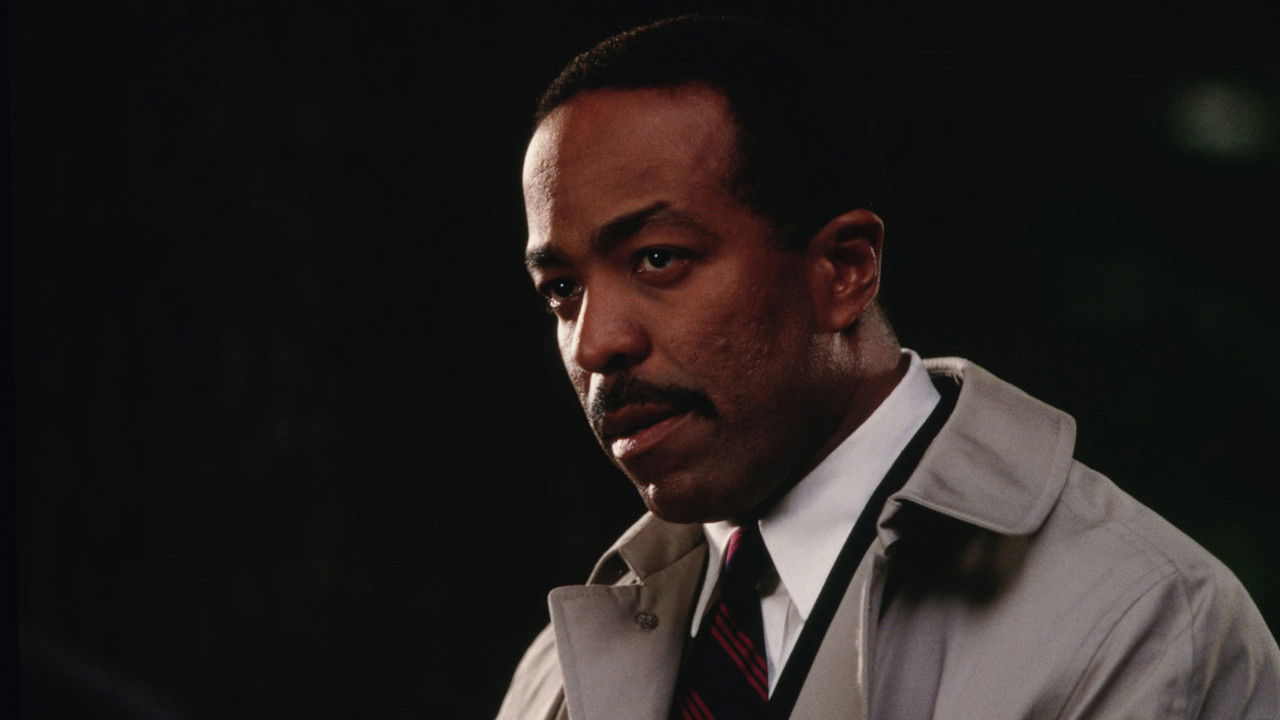
The cinematography by Bobby Bukowski supports this oppressive mood with aggressive close-ups and a jaundiced color palette. It doesn't look like a shiny Hollywood thriller; it looks like a fever dream. The score by Angelo Badalamenti (the genius behind the Twin Peaks soundscape) adds a layer of industrial, grinding dread that never lets you find your footing. It’s not a movie that wants you to be comfortable; it’s a movie that wants you to check the locks on your front door twice before bed.
A Prescient Piece of the 90s
Technically, Arlington Road is a fascinator for the way it captures pre-millennial tension. Released only four years after the Oklahoma City bombing, the film's screenplay by Ehren Kruger (who would go on to write the American remake of The Ring) tapped into a very specific American fear: that the monster isn’t a foreign entity, but the guy living at 112 Oak Street. In the context of the DVD culture that was just starting to bloom back then, this was the kind of movie you’d buy just to pause and look at the "evidence" Michael finds, trying to solve the mystery along with him.
The film also serves as a reminder of a time when thrillers were allowed to be "mid-budget" and adult-oriented. With a $31 million budget, it didn't need to set up a sequel or sell toys. It just needed to scare the hell out of you. Interestingly, the film’s release was actually delayed because of the Columbine High School shooting, as the studio (Screen Gems) feared the themes of domestic violence and explosives were too raw for the public. That delay contributed to it becoming a bit of a "forgotten" gem, overshadowed by the massive blockbusters of the summer of '99.
The Gut-Punch Legacy
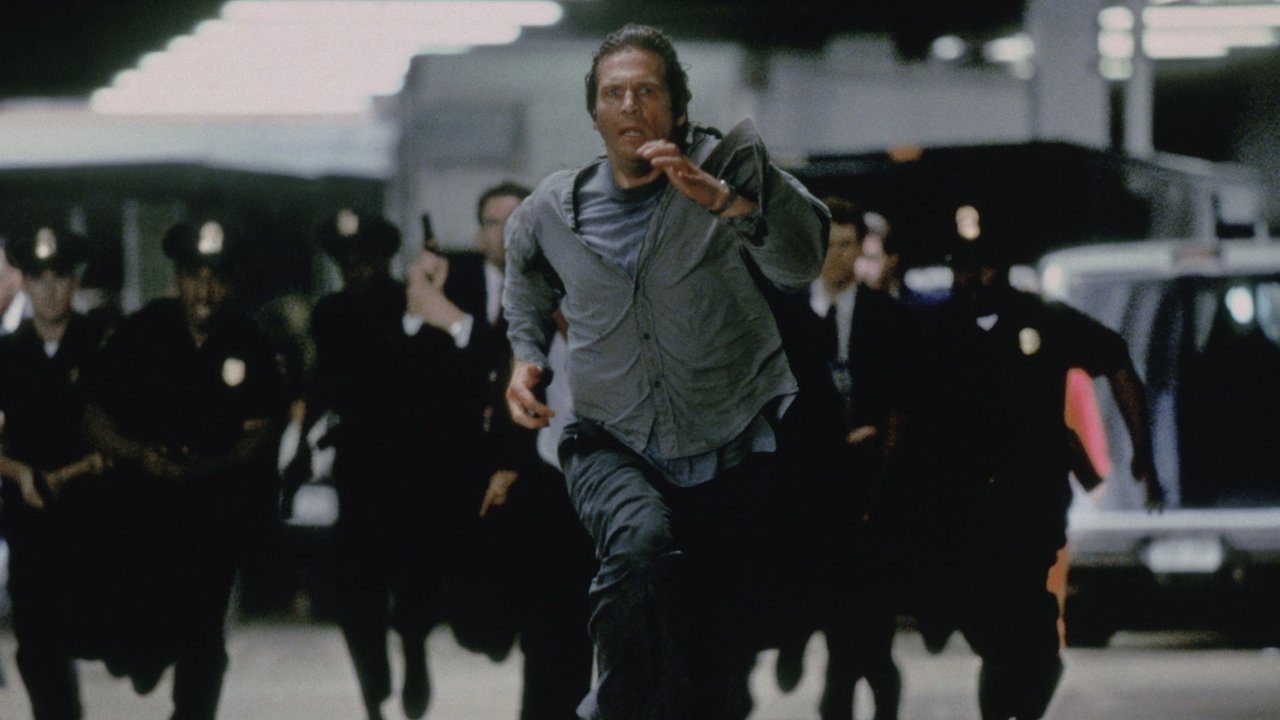
I won't spoil the ending, but I will say this: Arlington Road has one of the most unapologetically soul-crushing finales in the history of mainstream cinema. It’s the kind of ending that makes you sit in silence as the credits roll, wondering if you should call your therapist or your representative. It defies every "hero’s journey" trope that Hollywood usually clings to like a security blanket.
Does it hold up? Absolutely. While some of the technology—the chunky monitors and the reliance on physical blueprints—dates it, the core message about the fragility of trust and the blind spots of our own biases is more relevant now than it was twenty-five years ago. It’s a dark, intense, and deeply cynical film that refuses to give you the easy way out.
Arlington Road is the ultimate "neighbor from hell" movie because it suggests that the "hell" isn't just a nuisance—it’s an organized, smiling ideology. It’s a film that earns its intensity through phenomenal performances and a script that isn't afraid to go to the darkest possible places. If you’ve missed this one in the shuffle of more famous 90s hits, track it down. Just don't expect to feel particularly neighborly when the lights come up. It’s a nerve-shredding experience that reminds me why I prefer living in an apartment building with a very strict "no talking to anyone" policy.

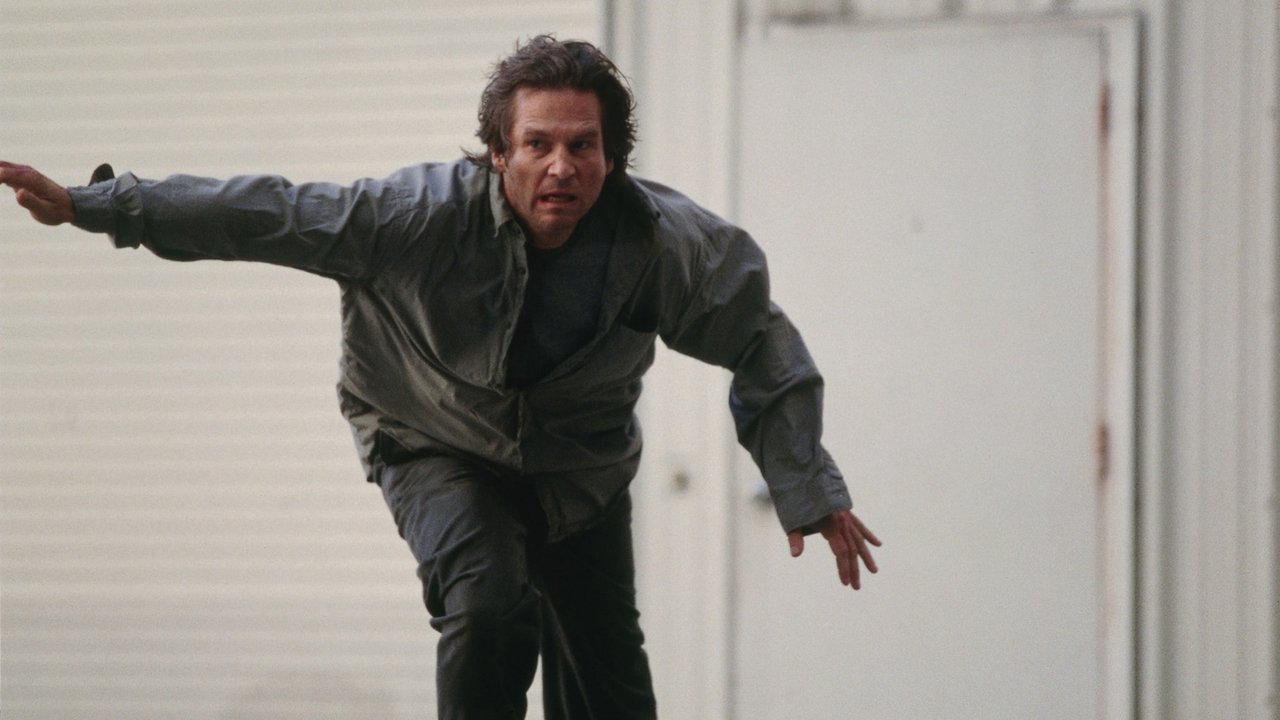
Keep Exploring...
-

Mystic River
2003
-
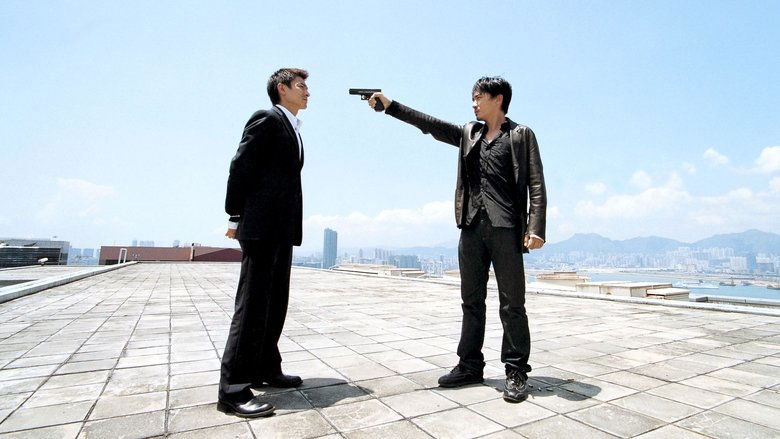
Infernal Affairs
2002
-
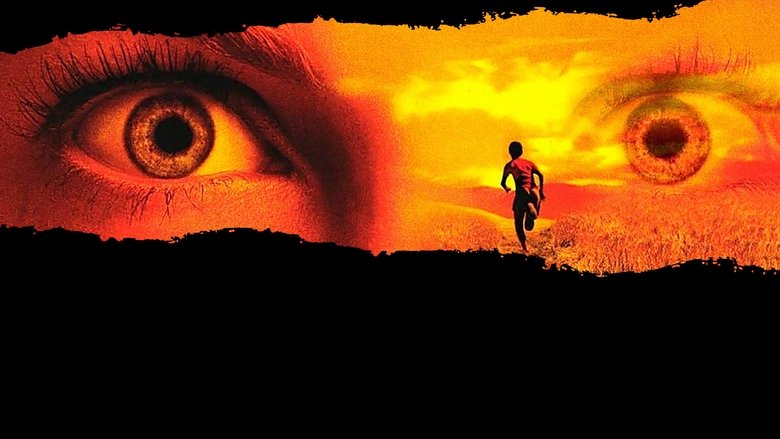
I'm Not Scared
2003
-
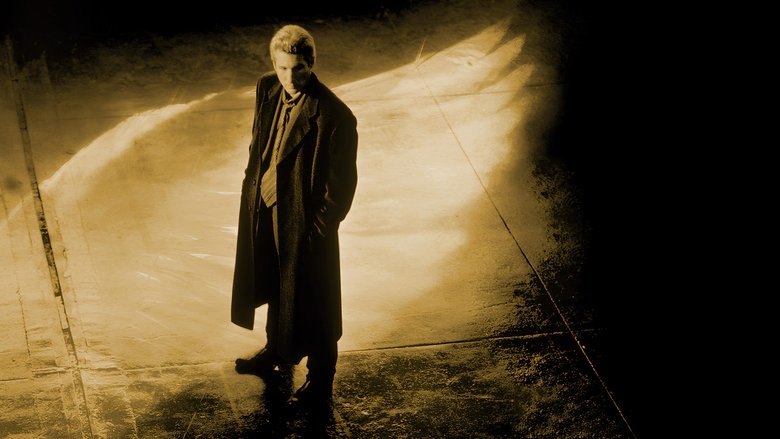
Primal Fear
1996
-
L.A. Confidential
1997
-

Tell No One
2006
-
The Client
1994
-
Breakdown
1997
-
Kiss the Girls
1997
-
The Pledge
2001
-
Strange Days
1995
-
The Rainmaker
1997
-
A Simple Plan
1998
-

Basic
2003
-
Lucky Number Slevin
2006
-

The Net
1995
-
The Mothman Prophecies
2002
-
Matchstick Men
2003
-
In the Valley of Elah
2007
-
Kill the Messenger
2014