Asterix and Obelix vs. Caesar
"Magic potions, flying Romans, and a very large Gaul."
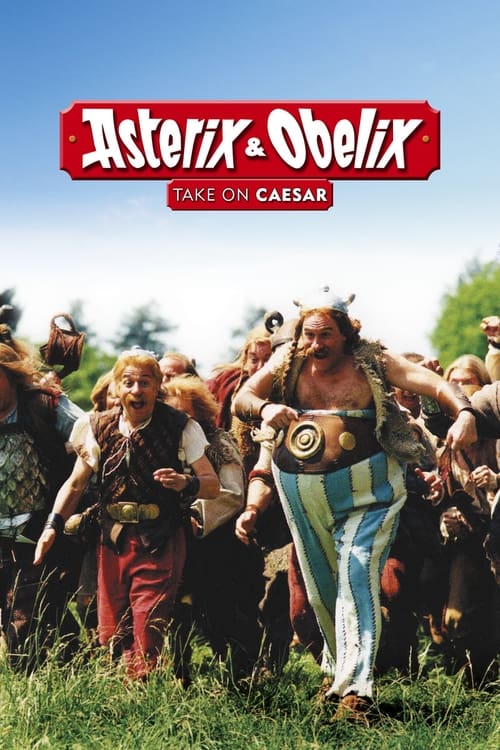
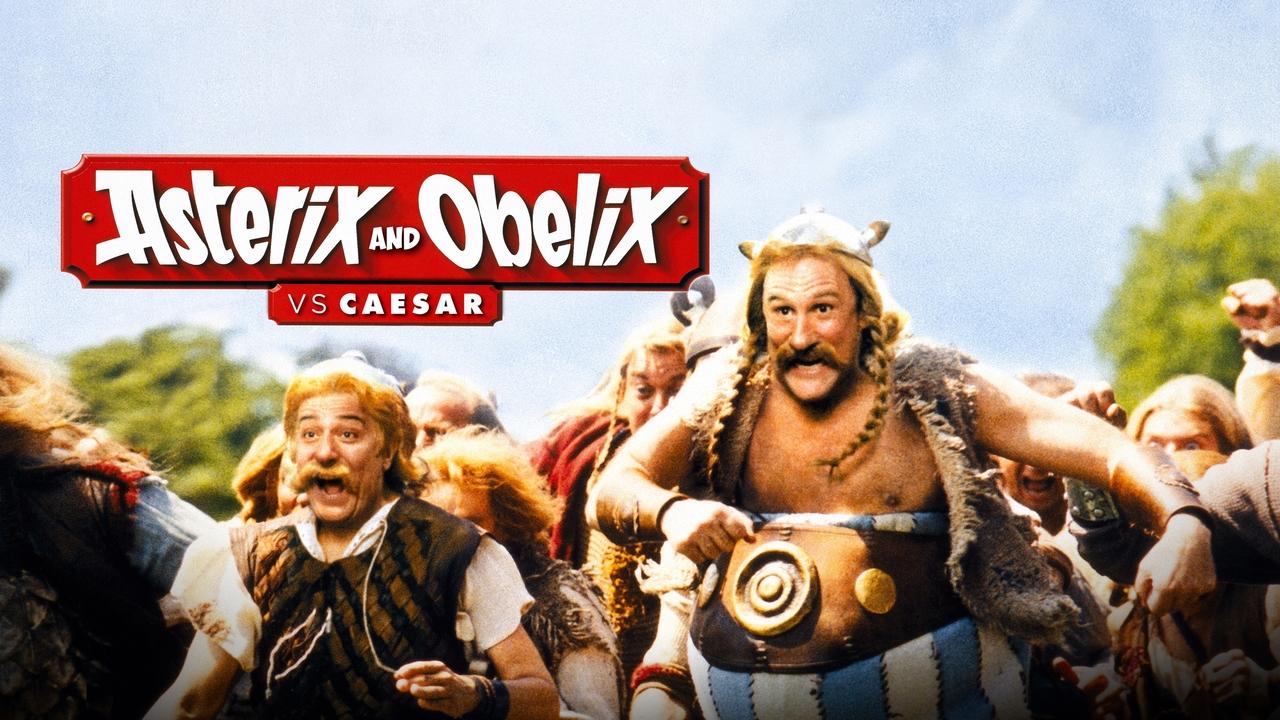
There is a specific, feverish brand of madness that only a European comic book adaptation from the turn of the millennium can provide. I first sat down with Asterix and Obelix vs. Caesar on a grainy DVD I’d borrowed from a neighbor who, oddly enough, was in the middle of trying to organize his collection of vintage garden gnomes. I remember the smell of damp earth from his yard and the absolute confusion I felt as the first Roman soldier was launched into the stratosphere by a man with a mustache the size of a seagull. It was my introduction to a world where physics is a suggestion and Gérard Depardieu is the peak of physical comedy.
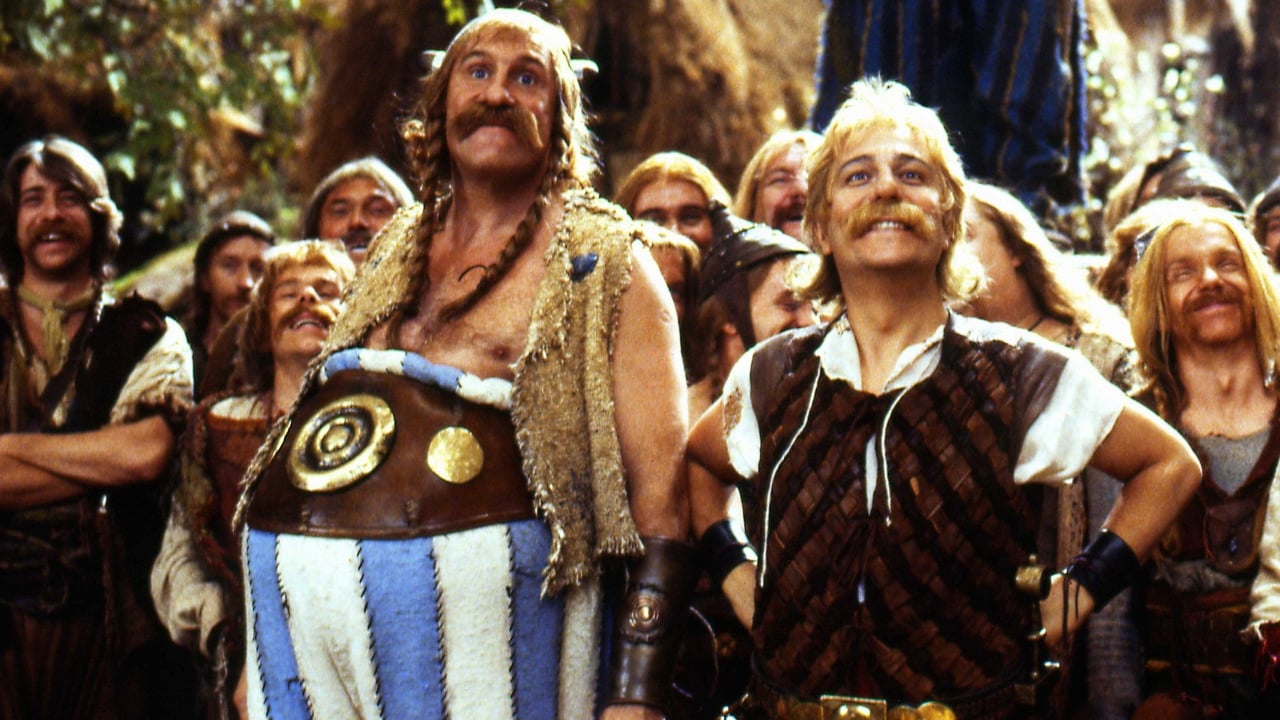
The Rubbery Reality of 50 B.C
If you grew up with the beloved Uderzo and Goscinny comics, you know the stakes: one tiny village in Gaul holds out against the entire Roman Empire thanks to a druid’s magic potion. Translating this to live-action in 1999 was a gargantuan task. This was an era where the industry was still finding its legs with CGI—the same year George Lucas gave us The Phantom Menace. But where Star Wars felt like it was trying to build a new reality, director Claude Zidi (who also helmed the French comedy classic The Wing or the Thigh) decided to lean into the "unreal."
The film looks like a cartoon that’s been breathed into life by a slightly eccentric wizard. The colors are loud, the sets look like they were built with a joyous disregard for straight lines, and the special effects have a delightful, rubbery quality. The CGI looks like it was rendered on a high-end calculator from the late 90s, and I absolutely love it. It doesn’t try to be "realistic" because nothing about a man carrying a menhir on his back is realistic. It’s an adventure that feels like a primary-colored fever dream, and in a world of muted, gritty reboots, looking back at this candy-coated chaos is genuinely refreshing.
A Cast of Human Cartoons
Casting this film must have been a nightmare, yet they nailed it. Gérard Depardieu, who most international audiences knew from the heavy-hitting Cyrano de Bergerac, was born to play Obélix. He brings a sweetness to the giant that keeps the slapstick from feeling hollow. Alongside him, Christian Clavier—famous for the time-traveling romp The Visitors—is a frantic, energetic Astérix. Their chemistry is the engine of the movie; they feel like friends who have been arguing about wild boar recipes for three decades.
Then we have Roberto Benigni as the villainous Lucius Detritus. Fresh off his Oscar win for Life is Beautiful, Benigni is essentially a human caffeine overdose. He vibrates on screen, chewing the scenery with such ferocity that I’m surprised there was any left for the Roman legions. It’s a performance that shouldn’t work, yet it perfectly matches the film’s "more is more" philosophy. Watching him plot against Gottfried John’s surprisingly stoic Jules César is like watching a chihuahua try to intimidate a Great Dane.
The Cult of the Gaul
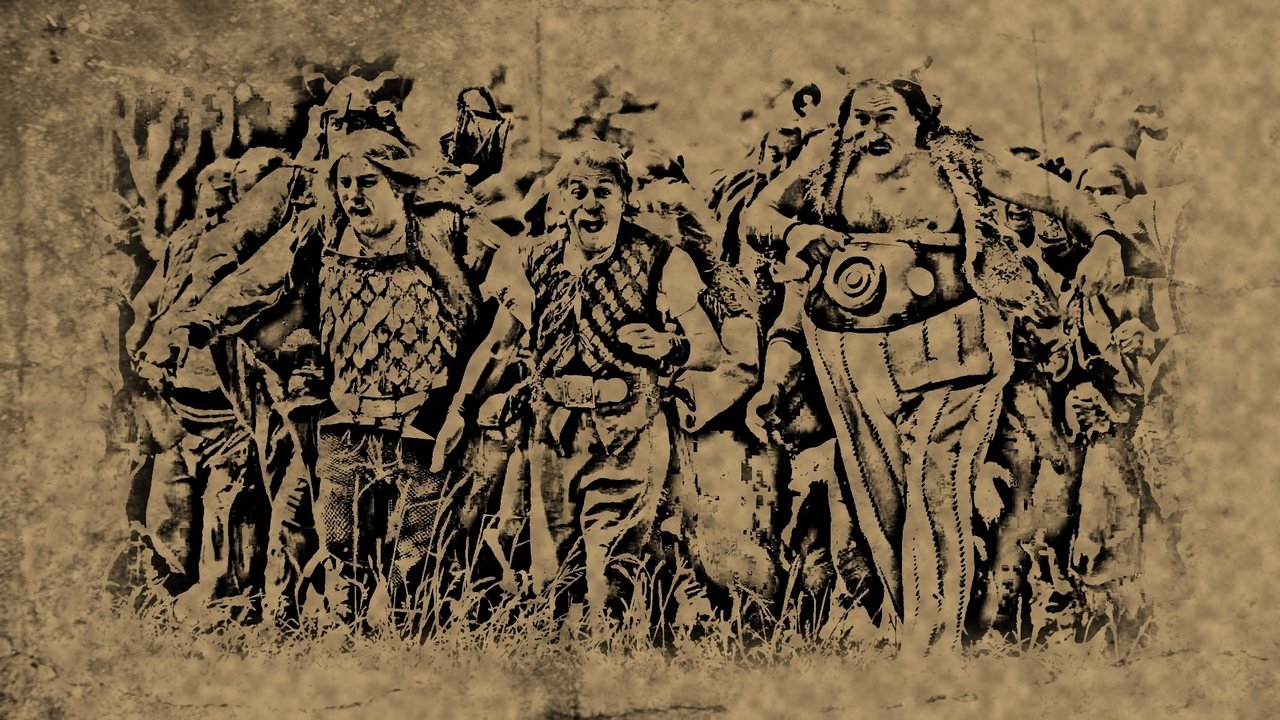
While the film was a massive, record-breaking juggernaut in France and Germany, it became something of a cult oddity in English-speaking territories. Fans of the comic tracked it down on import DVDs, often dealing with questionable subtitles or the bizarre English dub that stripped away some of the pun-heavy Gallic wit.
The behind-the-scenes stories are just as legendary as the plot. For instance, the production was the most expensive in French history at the time, costing a whopping $48 million. Apparently, the production was so massive it required over 1,500 extras for the Roman legion scenes, creating a sense of scale that early digital armies could never quite replicate. Turns out, Gérard Depardieu also had a serious motorcycle accident during filming, but he returned to set with a "the show must go on" attitude that seems very Obélix-esque.
I also learned that the film used real lions and tigers for the circus scenes, which gives the peril a tangibility that modern green-screen productions lack. There’s something about seeing Christian Clavier in a pit with actual predators that makes the comedy feel just a little bit more dangerous.
Why the Journey Matters
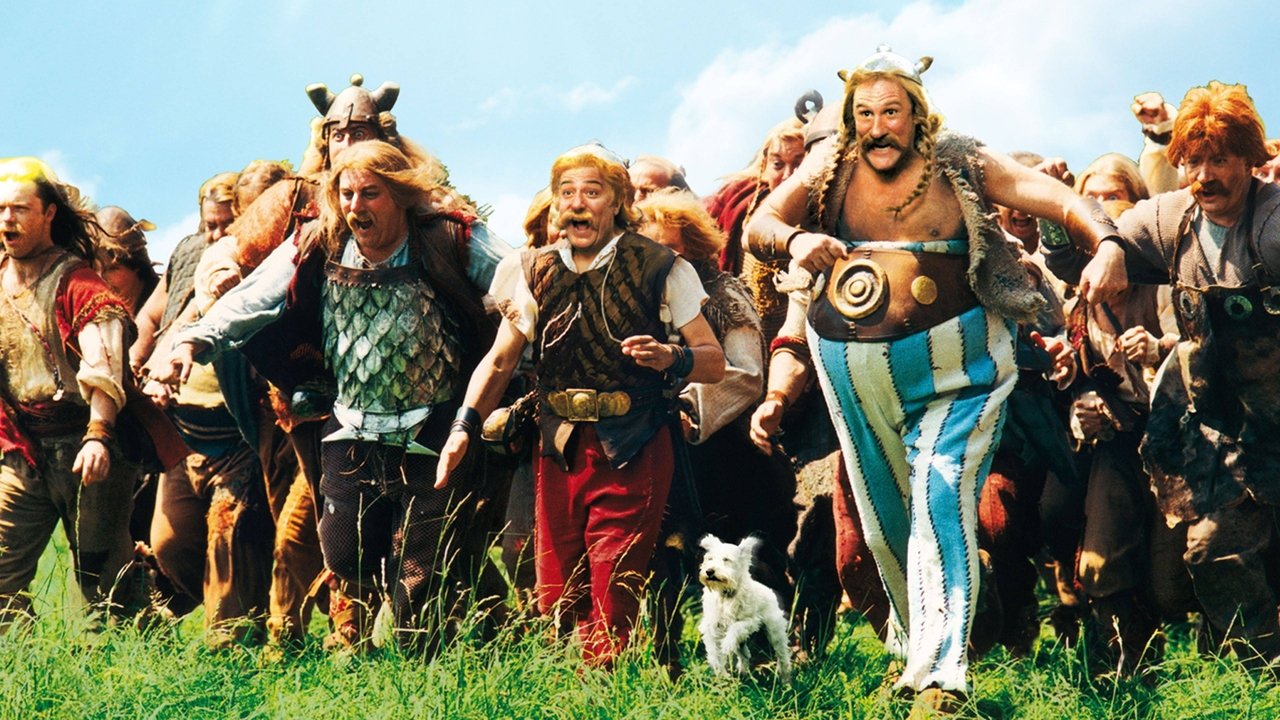
At its heart, this is a classic adventure quest. Asterix and Obelix have to infiltrate Roman camps, rescue their druid Panoramix (Michel Galabru), and stop a coup. The pacing is relentless—it’s a series of escalating "how do we get out of this?" scenarios that lead to a massive, chaotic finale involving a double-dose of magic potion and an army of clones.
It captures that childhood sense of wonder where the world is huge, dangerous, and slightly ridiculous. It’s not a "tight" film by modern screenwriting standards; it’s messy and loud and occasionally makes no sense. But looking back from an era where adventure films are often sterilized by corporate committees, Asterix and Obelix vs. Caesar feels like a handmade toy. It’s flawed, it’s weird, and it’s undeniably fun.
This is a film that demands you turn off your cynical "logic" brain and just enjoy the sight of Roman soldiers being used as bowling pins. It’s a vibrant relic of the late 90s, capturing a moment when European cinema tried to beat Hollywood at its own blockbuster game by using pure, unadulterated whimsy. Whether you’re a lifelong fan of the Gauls or just looking for a comedy that feels like a sugar rush, this quest is worth the trip. Just make sure you have some wild boar ready for the credits.
Keep Exploring...
-

Asterix & Obelix: Mission Cleopatra
2002
-
Stuart Little
1999
-

Sinbad: Legend of the Seven Seas
2003
-
Last Action Hero
1993
-

The Swan Princess
1994
-
Night at the Museum: Battle of the Smithsonian
2009
-
Mirror Mirror
2012
-
Night at the Museum: Secret of the Tomb
2014
-
A Monster in Paris
2011
-

Dogma
1999
-

DuckTales: The Movie - Treasure of the Lost Lamp
1990
-
Hercules
1997
-

The Emperor's New Groove
2000
-

The Road to El Dorado
2000
-
Nim's Island
2008
-
Aliens in the Attic
2009
-
Porco Rosso
1992
-

Jingle All the Way
1996
-

Slayers Return
1996
-
Antz
1998