Austin Powers: The Spy Who Shagged Me
"Twice the Mike Myers, half the height."
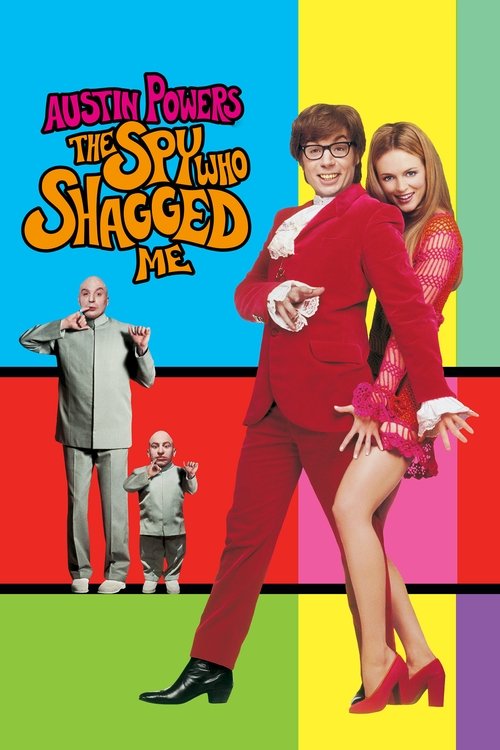
In the summer of 1999, you couldn't swing a velvet-clad cat without hitting someone shouting "Yeah, baby!" or "Get in my belly!" We were in the trenches of Austin-mania. I remember watching this for the first time on a flight to London, ironically enough, while the person in the middle seat was trying to read The Seven Habits of Highly Effective People. Every time Mike Myers appeared on screen as a 1,000-pound Scotsman, I’d let out a snort that definitely didn't help their productivity.
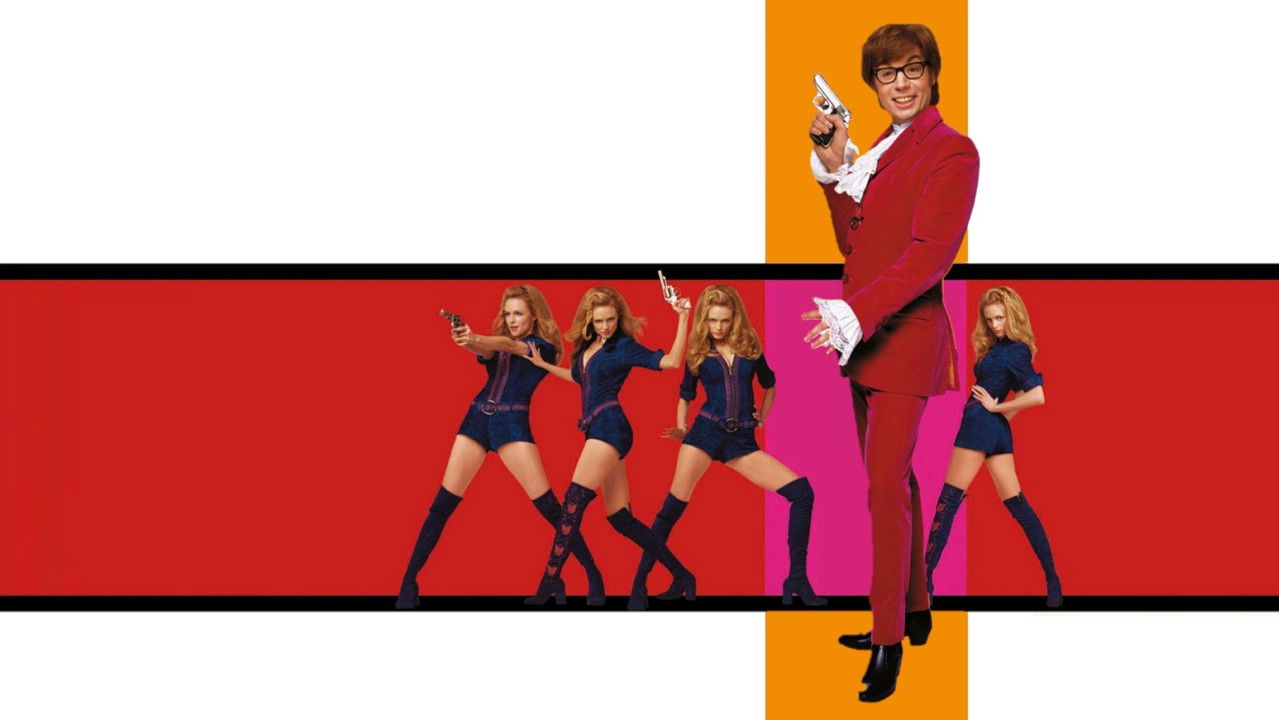
Austin Powers: The Spy Who Shagged Me is the rare sequel that understands exactly what made the original a sleeper hit and decides to turn the volume up to eleven. While International Man of Mystery was a clever, slightly more grounded parody of 1960s swinging London and Sean Connery-era Bond, the sequel is a full-blown psychedelic explosion. It’s the cinematic equivalent of eating an entire bag of Skittles in one sitting: colorful, chaotic, and bound to give you a sugar crash, but man, is it fun while it lasts.
The Mojo and the Multiverse of Mike
The plot is almost secondary to the gags, but for those keeping track: Dr. Evil (Mike Myers) uses a "Time Tunnel" to go back to 1969 and steal Austin’s "mojo"—the mystical source of his sexual prowess—while Austin is frozen. This sends our hero back to the '60s to team up with CIA agent Felicity Shagwell (Heather Graham) to stop Dr. Evil from destroying the world with a "giant laser" on the moon.
What really strikes me looking back is how Mike Myers essentially became a one-man repertory theater. Playing Austin, Dr. Evil, and the new addition, Fat Bastard, Myers was at the absolute zenith of his powers. It’s a Herculean effort of makeup and character voice work. The best scenes in the film involve characters sitting around talking about the logistics of evil rather than actually doing it. The back-and-forth between Dr. Evil and his son Scott (Seth Green) remains the highlight for me; it’s a perfect satire of the "misunderstood teenager" trope transposed onto a Bond villain’s lair.
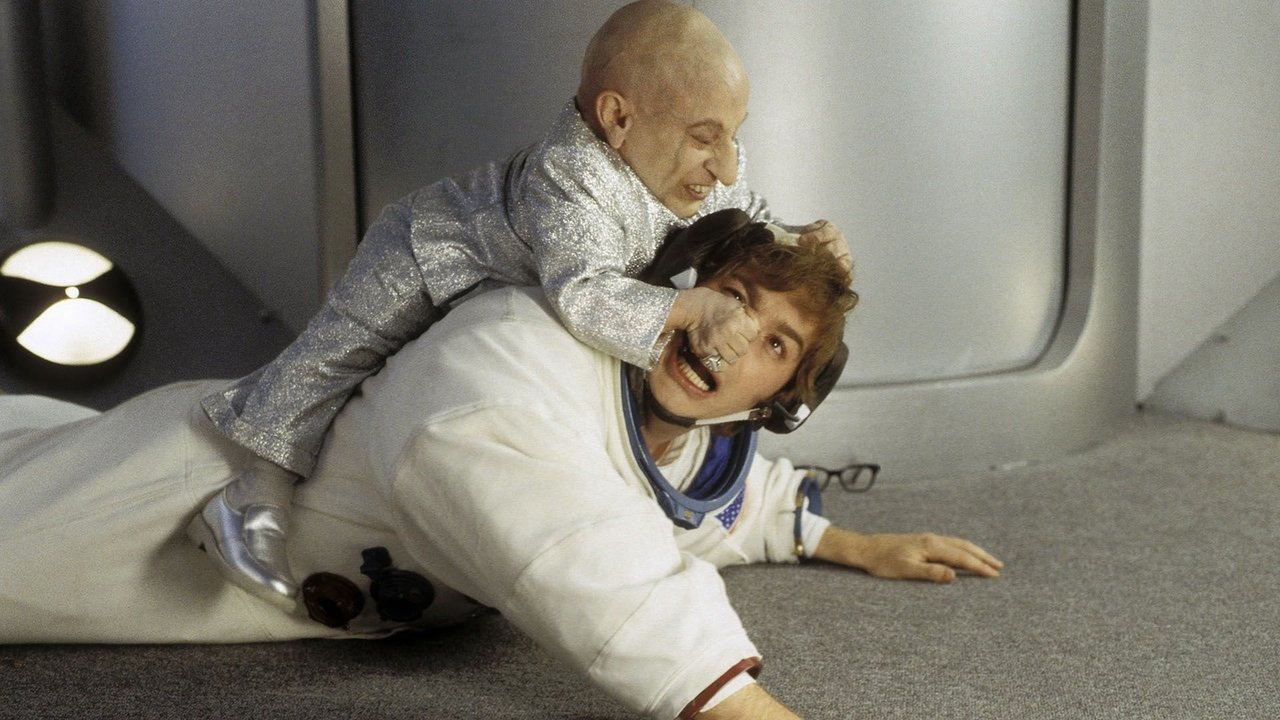
Then there’s the introduction of Verne Troyer as Mini-Me. In 1999, this was a cultural reset. The physical comedy between Myers and Troyer—the synchronized "Hard Knock Life" rap, the biting, the tiny space suit—is inspired lunacy. It’s the kind of high-concept, low-brow humor that the late 90s specialized in, before comedy shifted toward the more "cringe-inducingly realistic" style of the 2000s.
Retro-Futurism and CGI Growing Pains

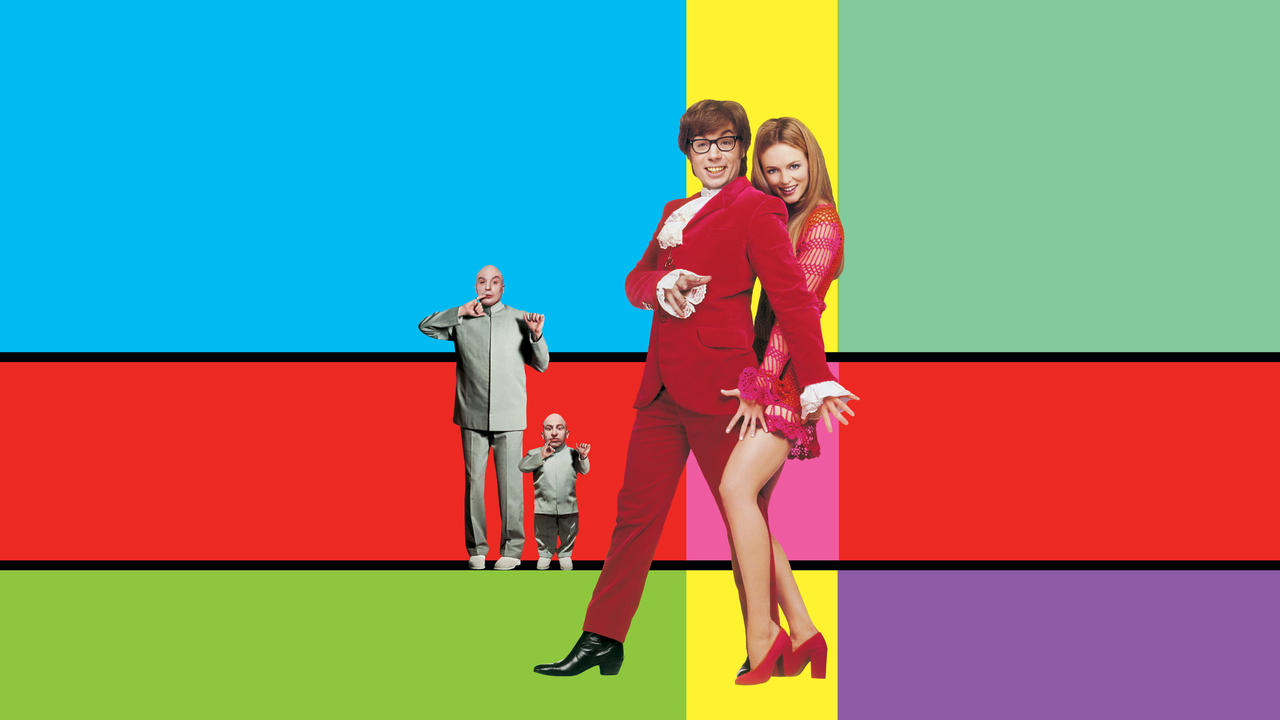
Technically, The Spy Who Shagged Me is a fascinating artifact of its era. Director Jay Roach (who later gave us Meet the Parents) leaned heavily into the "mod" aesthetic, creating a version of 1969 that looks more like a Technicolor dream than actual history. The science fiction elements—the moon base, the time machine, the Volcano lair—are all designed with a 1960s "future" in mind.
However, looking at it through a retrospective lens, you can see the CGI revolution's awkward teenage years. The digital effects used for the moon base and the "shag-adelic" time-travel sequences are charmingly dated. Unlike the practical sets of the 1960s films it parodies, there’s an obvious "green screen sheen" to the outer space scenes. But in a comedy this absurd, the artifice actually works in its favor. It adds to the "toy box" feel of the movie.
This was also the peak of the DVD era. I recall the Spy Who Shagged Me DVD being a "must-own" because it was packed with deleted scenes and those "Infinitely Shagadelic" menus. It was one of those films that benefited from the transition from analog to digital home video, allowing fans to freeze-frame every background gag and "Starbucks" product placement (a hilarious nod to the corporatization of evil).
A Blockbuster That Knew Its Worth
We have to talk about the numbers because they are staggering. The first film was a modest success that found its real legs on home video. New Line Cinema took a gamble with a $33 million budget for the sequel, and it paid off to the tune of $312 million worldwide. This film didn't just move tickets; it moved merchandise. There were talking dolls, soundtrack CDs featuring Madonna and Lenny Kravitz, and a level of cultural saturation we rarely see today outside of the MCU.
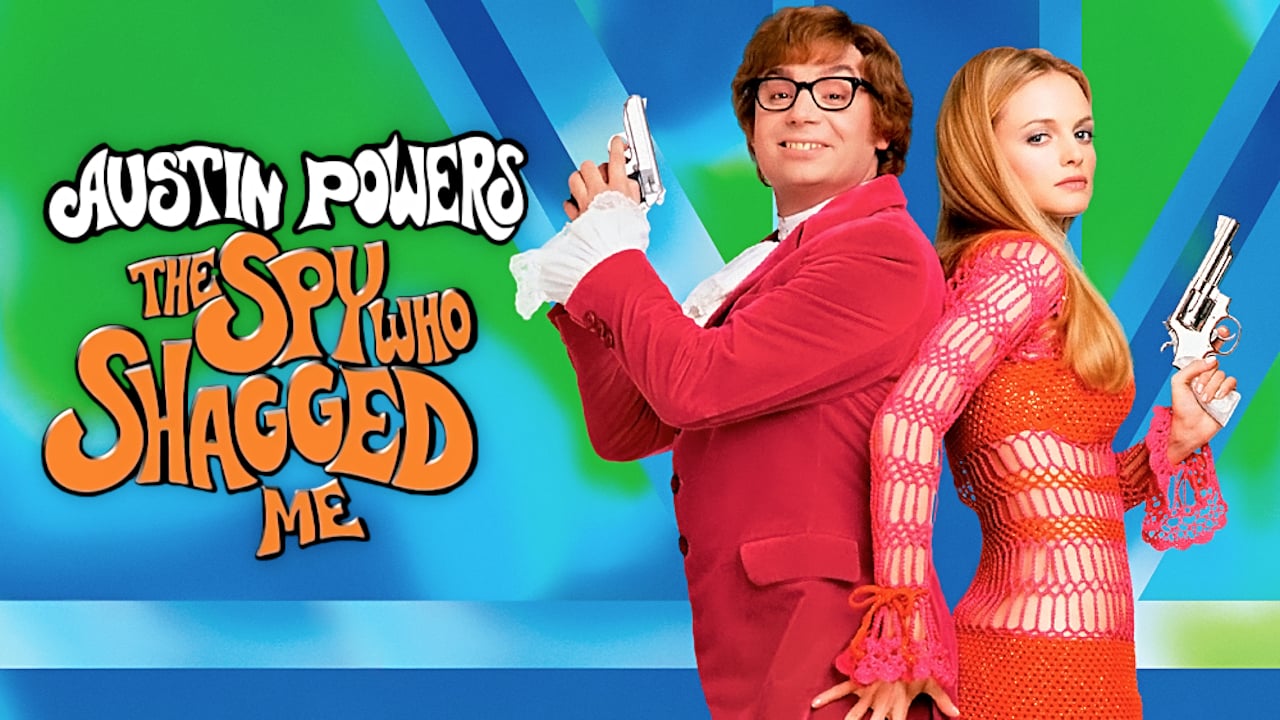
Is all the humor "correct" by today's standards? Of course not. The "Fat Bastard" character is a relic of the 90's obsession with gross-out prosthetics, and the gender politics are as thin as a lace doily. But the film’s heart is surprisingly sweet, anchored by Austin's genuine, if misguided, quest for love and "shagability." It’s a movie that celebrates the ridiculousness of its own premise.
Even the production trivia is larger than life. Apparently, Mike Myers spent up to seven hours in the makeup chair to become Fat Bastard, a process that would make most actors quit the business. And let's not forget Demi Moore's role as a producer through her company, Eric's Boy—a fun fact that always catches people off guard.
Ultimately, The Spy Who Shagged Me is a time capsule of a pre-9/11 world where our biggest worry was whether a British spy could get his groove back. It’s a loud, proud, and incredibly quotable piece of pop art. If you can push past the groan-worthy puns, you’re left with a masterclass in character comedy and a visual style that still pops off the screen twenty-five years later. It’s the ultimate "guilty pleasure" that shouldn't actually make you feel guilty at all. Just make sure you have some orange sherbet or a giant bag of popcorn handy.
---
Keep Exploring...
-

Austin Powers: International Man of Mystery
1997
-

Austin Powers in Goldmember
2002
-
Ace Ventura: When Nature Calls
1995
-
Spy Kids
2001
-
Spy Kids 2: The Island of Lost Dreams
2002
-
Men in Black
1997
-
Teenage Mutant Ninja Turtles
1990
-
Jimmy Neutron: Boy Genius
2001
-

RED
2010
-
Teenage Mutant Ninja Turtles
2014
-
Shrek the Third
2007
-
Lethal Weapon 4
1998
-

Taxi
1998
-

Mystery Men
1999
-
Taxi 2
2000
-
Osmosis Jones
2001
-
The Mask
1994
-
Bad Boys
1995
-
Rush Hour
1998
-
Big Momma's House
2000