Being John Malkovich
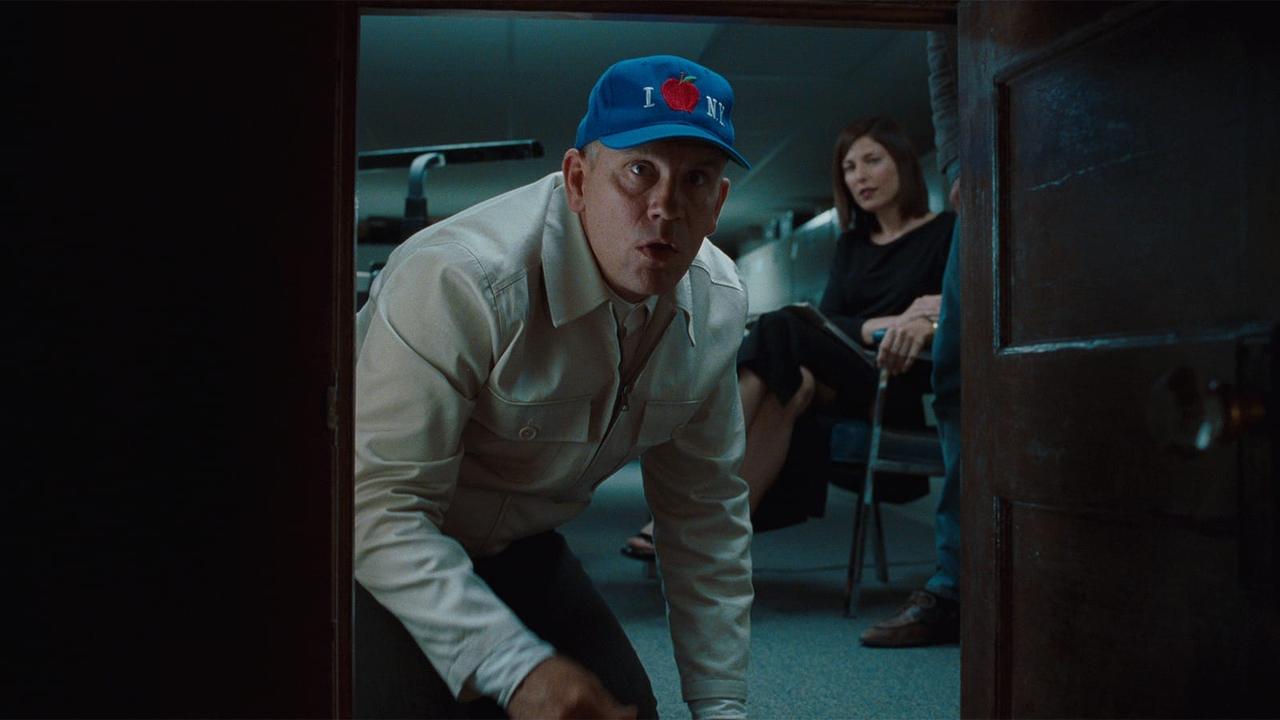
"Welcome to the 7 ½ floor. Mind your head."
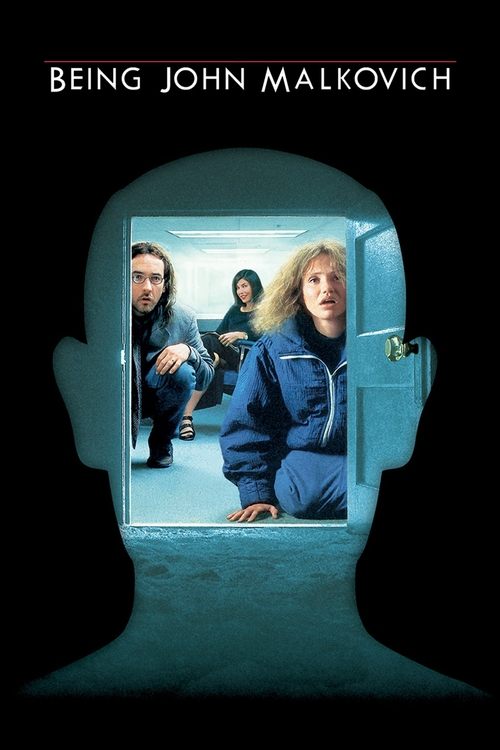
I once watched this film in a cramped basement apartment where the ceiling was actually quite high, yet I still spent the entire runtime ducking my head. There is something about the physical architecture of Being John Malkovich that stays with you—a sort of spiritual claustrophobia that makes you want to crawl out of your own skin. By the time the credits rolled, I wasn't sure if I wanted to be a puppeteer, a world-famous actor, or just a guy who could stand up straight without hitting a joist.
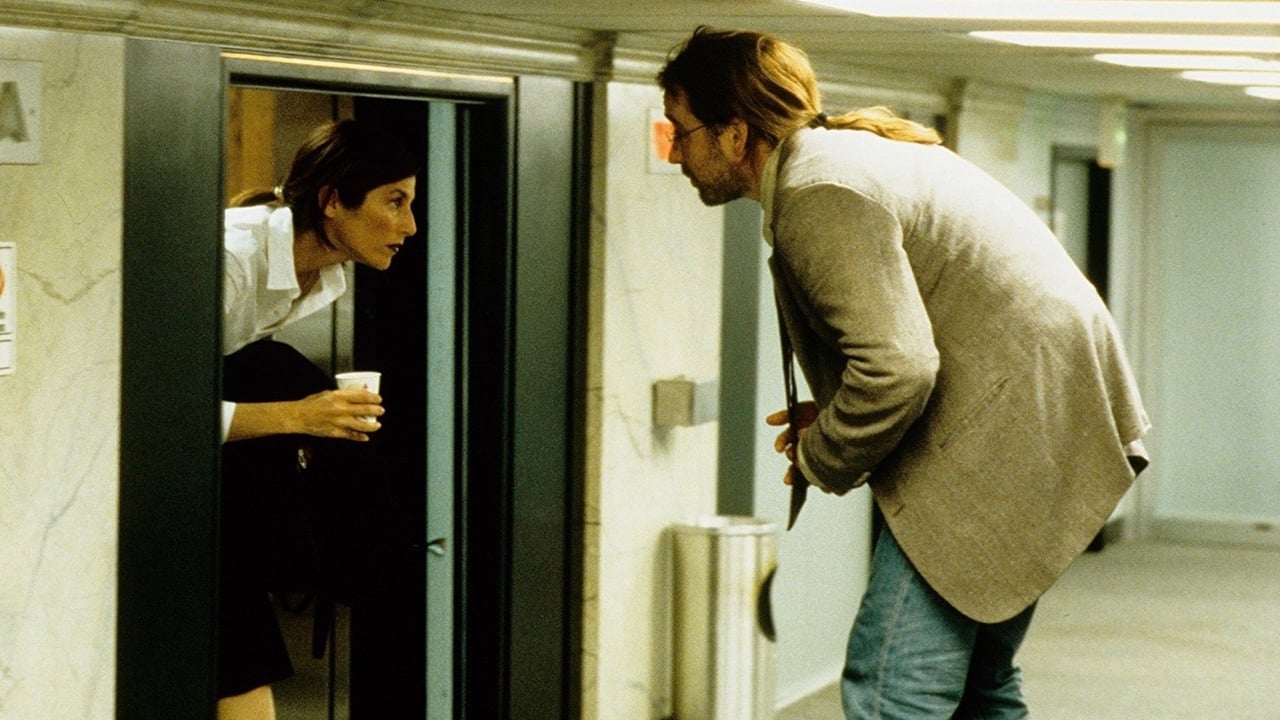
When Charlie Kaufman (the brain behind Eternal Sunshine of the Spotless Mind) shopped this script around in the late 90s, it was famously considered "unproduceable." It’s easy to see why. The premise sounds like a fever dream: a failing puppeteer takes a job at a company located on the 7 ½ floor of a Manhattan office building, finds a small door behind a filing cabinet, and is spat out into the literal mind of John Malkovich. It’s the kind of high-concept weirdness that usually gets buried in a desk drawer, but under the direction of Spike Jonze, who was fresh off directing iconic music videos for the Beastie Boys and Björk, it became the definitive "How did this get made?" masterpiece of the 90s.
The Art of Disappearing
The most shocking thing about revisiting this film isn't the portal; it’s the people. John Cusack, usually the charming everyman of High Fidelity (2000), is unrecognizable here as Craig Schwartz. He is greasy, desperate, and deeply unpleasant. He treats his wife, Lotte, with a dismissive coldness that makes his later obsession with Catherine Keener’s Maxine feel even more predatory. John Cusack’s stringy, unwashed hair in this movie is the most offensive thing about the 1990s, and yet, it’s a perfect visual cue for a man who is literally rotting from the inside out because he can't find an audience for his puppet shows.
Then there’s Cameron Diaz. At the time, she was the world’s Golden Girl, fresh off There’s Something About Mary (1998). In Being John Malkovich, she is buried under a frizzy brown wig and drab sweaters, playing a woman obsessed with her pet chimpanzee. Legend has it a person on set didn't even recognize her for the first few days of shooting. It’s a brave, ego-free performance that anchors the film’s weirdest pivot: Lotte discovering her own gender identity through the vessel of a middle-aged male actor. It’s surprisingly progressive for 1999, handled with a mix of screwball comedy and genuine pathos that keeps it from feeling like a cheap gag.
Malkovich, Malkovich, Malkovich
Of course, we have to talk about the man himself. John Malkovich playing "John Horatio Malkovich" is one of the greatest meta-gestures in cinema history. Apparently, when he first read the script, he asked Kaufman, "Why not Being Tom Cruise?" The answer, of course, is that Malkovich occupies a very specific niche in our collective consciousness—he is intellectual, slightly effete, intimidating, and vaguely mysterious. He is the perfect "blank slate" for others to project their desires onto.
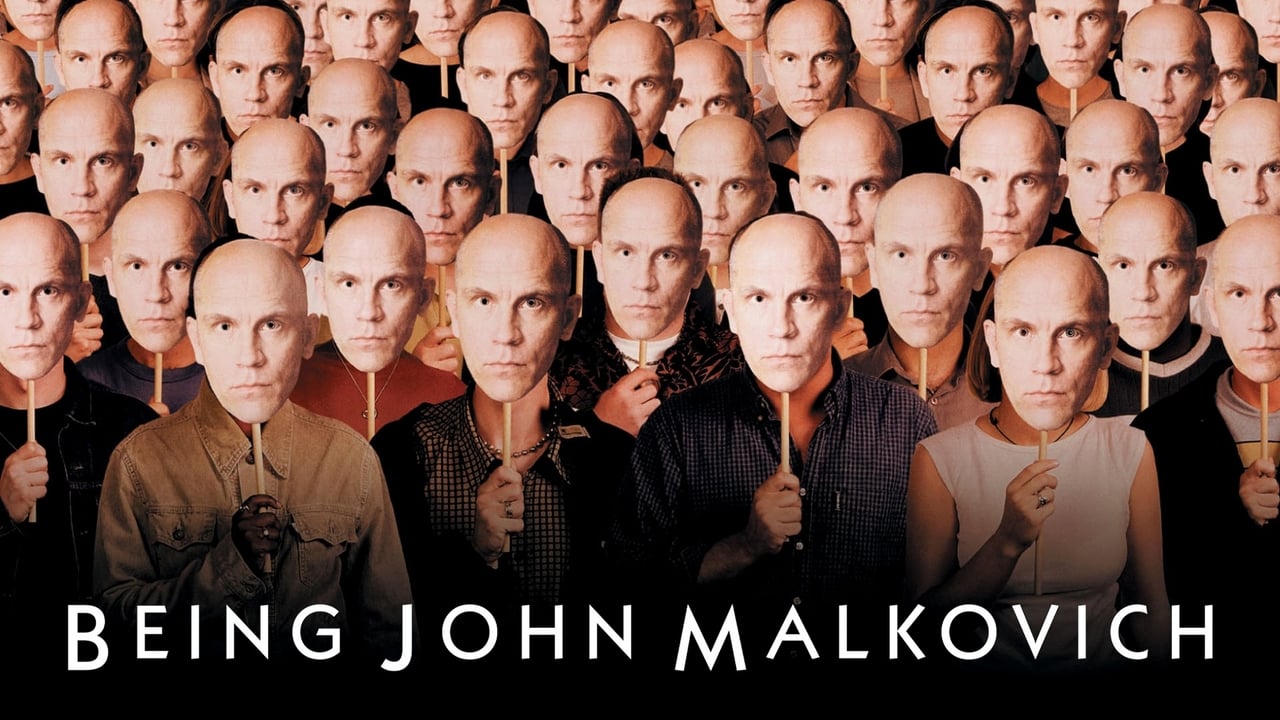
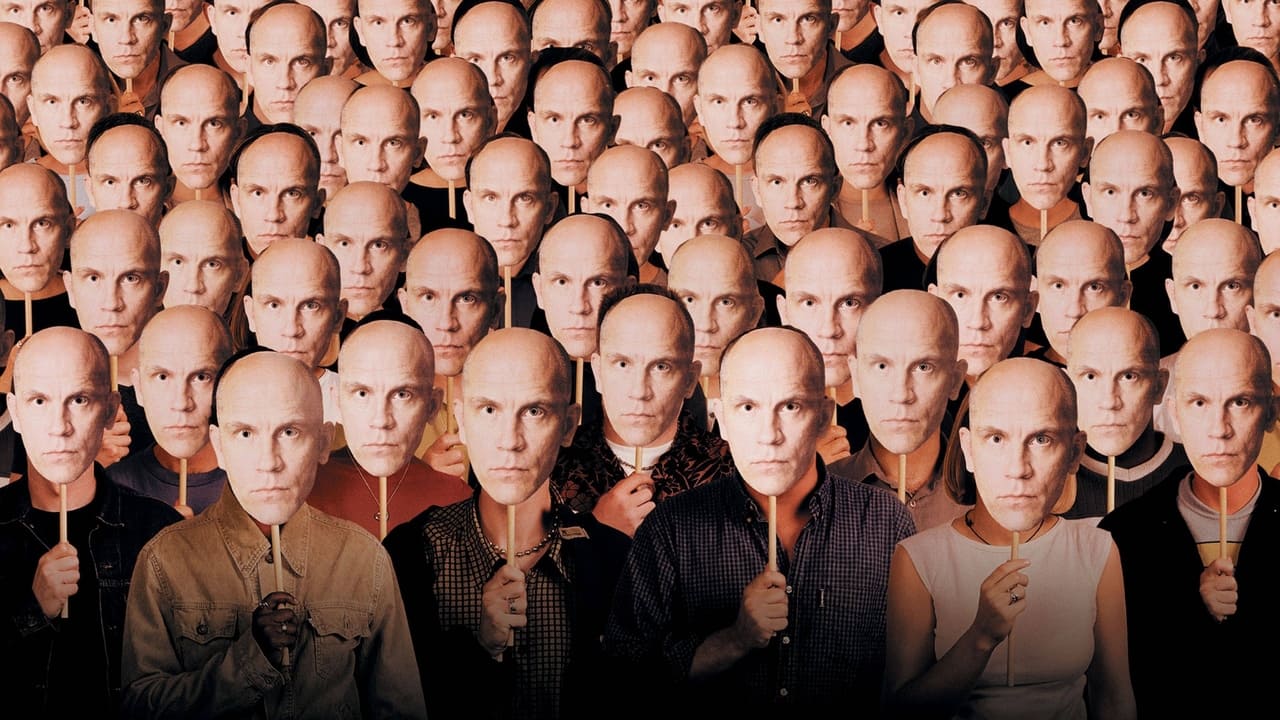
The "Malkovich Malkovich" scene, where the actor enters his own portal and finds a world populated entirely by versions of himself, remains a landmark in CGI-aided surrealism. It was groundbreaking for the time, not because it looked "real" in the Jurassic Park sense, but because it used digital trickery to create a nightmare of pure, undiluted ego. It’s hilarious, terrifying, and deeply weird. Seeing John Malkovich in a dress, with his own face, singing to himself, is a core memory for anyone who caught this on a late-night cable broadcast or a rented DVD in the early 2000s.
A Cult Journey to the Center of the Mind
The film wasn't a massive box office smash, but it became a foundational text for the "Indie Film Renaissance" of the Y2K era. It proved that audiences were hungry for narratives that didn't follow the three-act Hero's Journey. It’s a cult classic because it rewards the obsessive viewer. Every time I rewatch it, I notice something new—like the fact that Catherine Keener (who absolutely should have won an Oscar for this) plays Maxine with such shark-like indifference that she’s the only one who truly "wins" in this twisted game of musical chairs.
Behind the scenes, the production was as scrappy as Craig’s puppet theater. To achieve the 7 ½ floor look, the crew built a set with five-foot ceilings, forcing the actors to actually hunch over for hours. That physical strain bleeds into the performances; everyone looks slightly pained, slightly irritable, and totally committed to the absurdity. It’s a drama disguised as a comedy, a story about the tragedy of being yourself when you’d much rather be a celebrity, a lover, or even just a vessel for someone else’s talent.
Being John Malkovich is a miracle of a movie that shouldn't exist. It’s a reminder of a time when Hollywood was willing to throw thirteen million dollars at a script about puppet-mastery and metaphysical portals. I once ate an entire bag of black licorice while watching the third act, and now the taste of anise is forever linked to the image of an elderly man living inside a middle-aged actor. It is messy, melancholic, and brilliantly original. If you’ve never taken the trip behind the filing cabinet, it’s time to pay the admission fee. Just remember to watch your head on the way out.

Keep Exploring...
-

Adaptation.
2002
-
High Fidelity
2000
-

The Family Man
2000
-

Where the Wild Things Are
2009
-

Stranger Than Fiction
2006
-
The Hudsucker Proxy
1994
-

The Santa Clause
1994
-

Just Like Heaven
2005
-
The Secret Life of Walter Mitty
2013
-

Pleasantville
1998
-

Sliding Doors
1998
-
Ed Wood
1994
-
Matilda
1996
-

Fear and Loathing in Las Vegas
1998
-

Rushmore
1998
-

Small Soldiers
1998
-

10 Things I Hate About You
1999
-

Dogma
1999
-
The Royal Tenenbaums
2001
-

Confessions of a Dangerous Mind
2002