Bicentennial Man
"Twenty decades to learn what we take for granted."
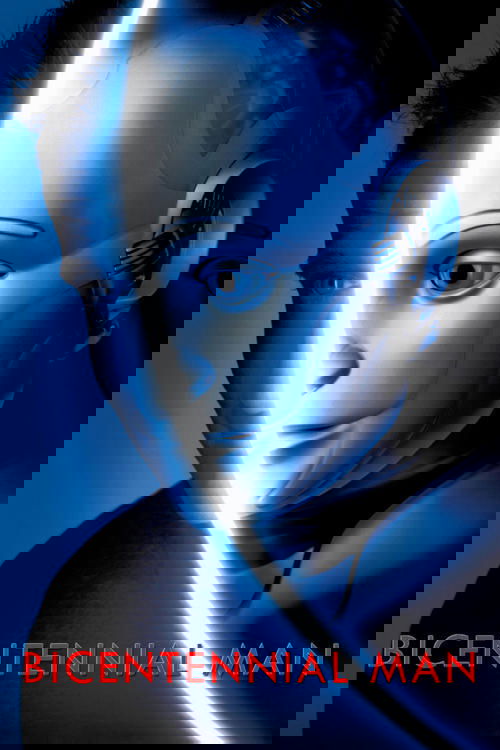
I remember the first time I saw the poster for Bicentennial Man. It was 1999, the year cinema decided to break reality with The Matrix and Fight Club, yet here was Robin Williams looking like a high-end chrome toaster with a soul. I watched it again recently on a lazy Sunday afternoon, mostly because I was nursing a mild headache and eating a bowl of cereal that had gone slightly soggy, and I realized that this movie is one of the strangest big-budget gambles of the late nineties. It’s a film that wants to be an epic philosophical treatise on mortality, but it’s wrapped in the cozy, sentimental blanket of a Chris Columbus production.

If you’ve seen Home Alone or the first two Harry Potter films, you know the Columbus vibe: warm lighting, swelling James Horner scores, and an earnestness so thick you could spread it on toast. In Bicentennial Man, that earnestness is pushed to the absolute limit.
The Metal Man in the Room
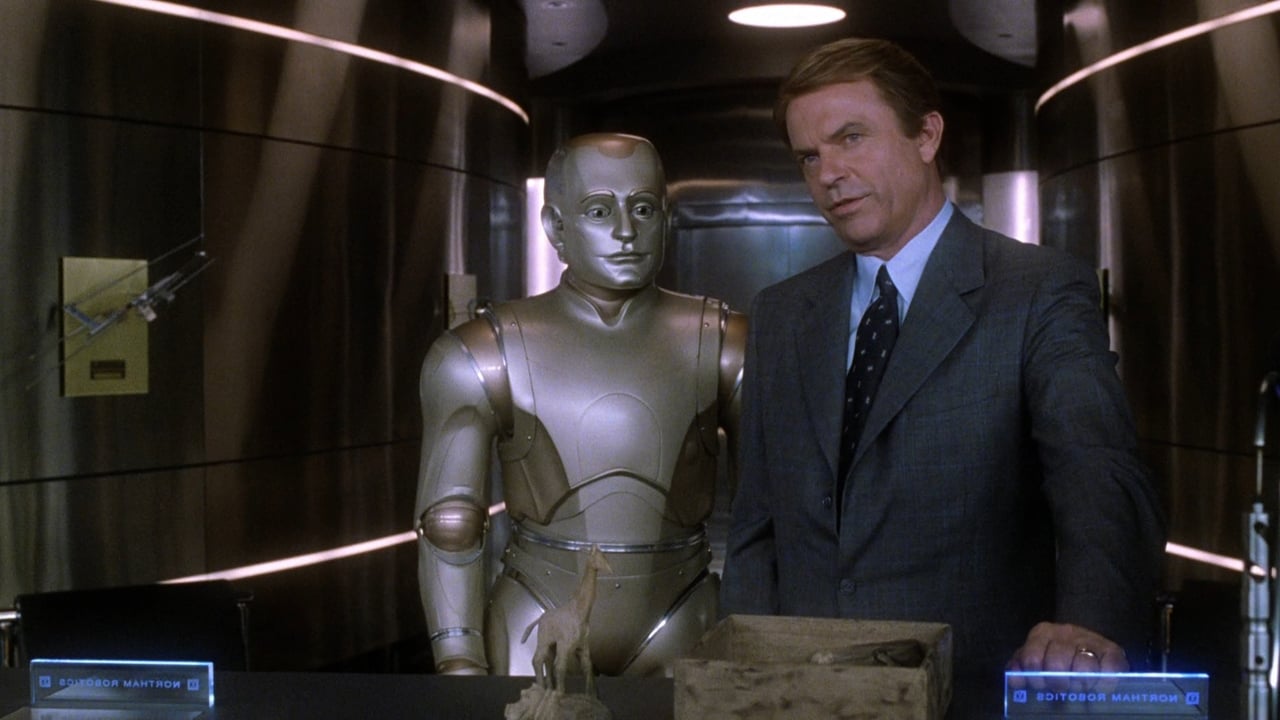
The story begins with the Martin family purchasing an NDR-114 robot to help with the chores. Sam Neill (our beloved Dr. Grant from Jurassic Park) plays "Sir," the patriarch who realizes his new appliance is doing more than just buffing the floors. This robot, whom the youngest daughter names Andrew, is carving intricate wooden clocks and showing signs of actual creativity.
What follows is a two-hundred-year odyssey as Andrew seeks legal recognition, upgrades his hardware, and eventually falls in love. Robin Williams is fascinating here because, for the first hour, he’s entirely encased in a suit. He can’t use his famous manic energy or his expressive face; he has to rely entirely on his voice and posture. It’s a restrained, disciplined performance that reminds me why he was such a powerhouse in dramas like Good Will Hunting. When he eventually "upgrades" to a human-looking face (thanks to some genuinely impressive late-90s prosthetic work), he brings that signature twinkle back, but the melancholy never quite leaves his eyes.
A Masterpiece of Prosthetics and Practicality

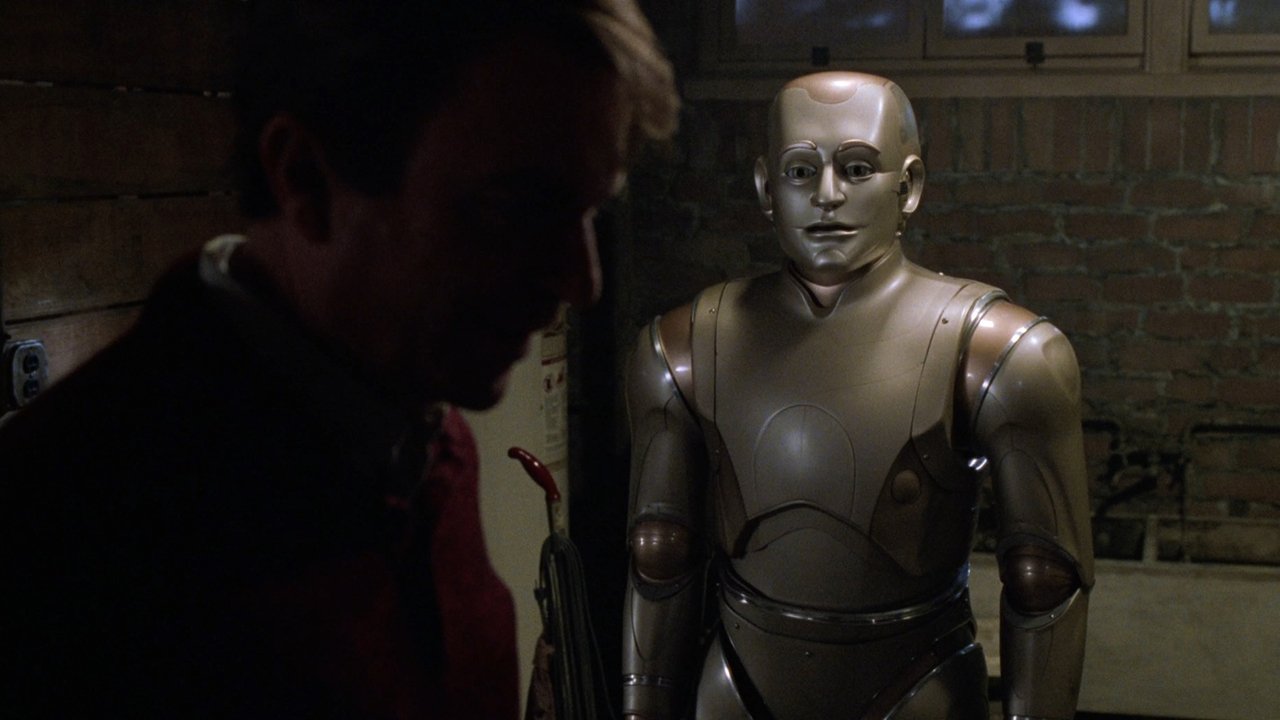
We often talk about the "CGI Revolution" of the 90s, but Bicentennial Man is a reminder of how incredible practical effects used to be before everything became a green-screen blur. The NDR robot suit was a real, physical thing designed by the legendary Greg Cannom. It’s a stunning piece of kit that still looks better than most modern digital characters because it has weight and interacts with the light in the room.
However, the film’s ambition is also its biggest hurdle. It tries to cover two centuries in 131 minutes, which leads to a pacing that feels both rushed and strangely glacial. We jump decades at a time, watching the Martin family grow old and die while Andrew remains. This is where the "Drama" genre really kicks in—the film is essentially an extended funeral for everyone Andrew loves. Embeth Davidtz pulls double duty here, playing both the "Little Miss" Andrew grows up with and, later, her own granddaughter, Portia. It’s a bold narrative choice that could have felt creepy, but Embeth Davidtz handles it with a grace that makes the central romance feel earned rather than weird.
The 1999 Hangover
Looking back, Bicentennial Man feels like a relic of a very specific moment in Hollywood. It was a $100 million "prestige" sci-fi drama that didn't feature a single explosion or alien invasion. In a post-9/11 world, studios largely stopped making movies this expensive that were this quiet. It’s the most expensive Hallmark card ever filmed, and I say that with a surprising amount of affection.
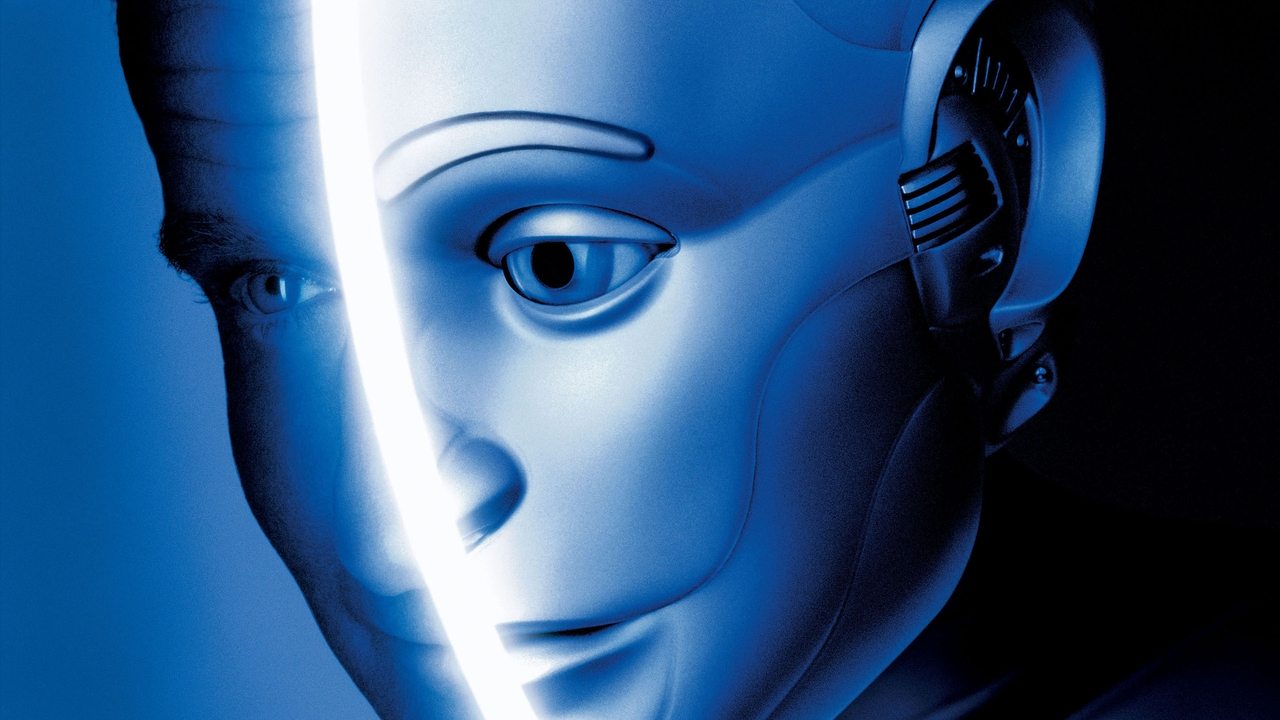
The film was a notorious box-office bomb at the time, and critics were pretty savage about its sugary tone. They weren't entirely wrong—there are moments where the sentimentality is so aggressive it feels like the movie is holding you at gunpoint and demanding you cry. But there’s a sincerity here that I find missing in today’s cynical franchise landscape. It’s a movie about the "boring" parts of being human: the right to own property, the dignity of aging, and the necessity of death.
I also have to mention Oliver Platt, who shows up in the second half as a tech-wizard hermit named Rupert Burns. He breathes a much-needed breath of messy, sarcastic life into a movie that is otherwise very polite. His chemistry with Andrew provides the film's funniest moments and makes the final act’s transition into a quest for humanity feel much more grounded.
Bicentennial Man is a flawed, overlong, and deeply sentimental journey that probably should have been a miniseries. Yet, I can’t help but respect its swing for the fences. It’s a film that respects its characters enough to let them grow old, and it treats the concept of AI with a gentleness that feels alien in our current era of "Skynet" anxieties. If you can stomach the high sugar content of a Chris Columbus production, you’ll find a thoughtful, beautifully acted drama that actually has something to say about why being mortal is the ultimate "feature" rather than a "bug."
It’s the kind of movie you watch when you want to feel something big and uncomplicated, even if it takes 200 years to get there. Just make sure you have some tissues handy—and maybe a snack that isn't soggy cereal.
Keep Exploring...
-
Mrs. Doubtfire
1993
-
Contact
1997
-

Stepmom
1998
-

What Dreams May Come
1998
-
K-PAX
2001
-
Contagion
2011
-
Real Steel
2011
-

Cloud Atlas
2012
-
Elysium
2013
-
The 6th Day
2000
-

Outbreak
1995
-

Soldier
1998
-

A.I. Artificial Intelligence
2001
-

Signs
2002
-
Upside Down
2012
-
The Giver
2014
-

Patch Adams
1998
-
Mary Shelley's Frankenstein
1994
-

Strange Days
1995
-

Phenomenon
1996