Big Daddy
"Growing up is optional. Parenting is mandatory."
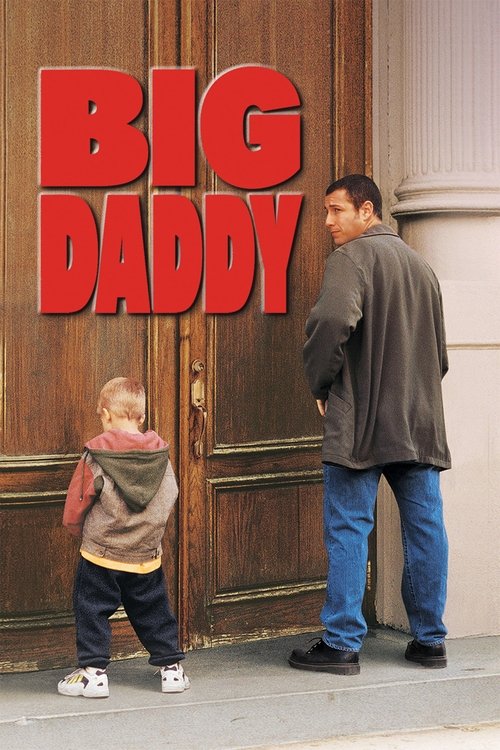
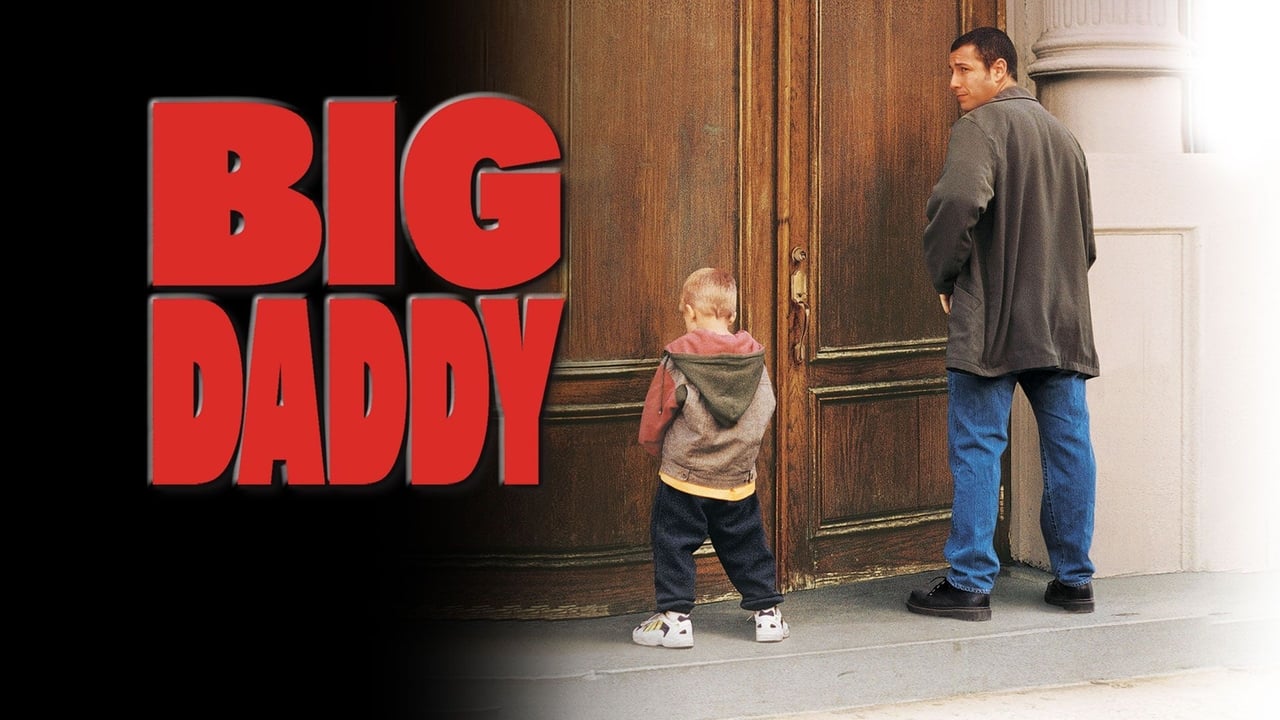
1999 was a year defined by cinematic gravity—the existential dread of The Matrix, the psychological puzzle of Fight Club, and the suburban malaise of American Beauty. Yet, amidst all that millennial angst, a 32-year-old man in baggy cargo shorts decided to teach a five-year-old that the secret to winning at life is "wiping your own ass" and urinating on the side of a restaurant. Big Daddy arrived at the peak of the Adam Sandler phenomenon, landing just after the chaotic success of The Waterboy, but it signaled a fascinating shift. It was the moment the world’s favorite man-child decided to see if he could actually make us feel something between the fart jokes.

I watched this last Tuesday while trying to untangle a drawer full of old charging cables I definitely don’t own the devices for anymore, and the sight of Sonny Koufax’s cluttered apartment made me feel remarkably seen.
The Evolution of the Sandler Slacker
By the late '90s, the "Sandler Formula" was a well-oiled machine: an eccentric protagonist with a short fuse and a heart of gold overcomes a cartoonish villain. In Big Daddy, director Dennis Dugan (who also steered Happy Gilmore) keeps the bones of that structure but adds a layer of genuine human messiness. Sonny Koufax isn't a golf savant or a hockey player; he’s a law school grad living off a litigation settlement, refusing to enter the "real world" because the real world looks like his high-strung lawyer friends.
Adam Sandler gives one of his most relaxed, charismatic performances here. He isn't doing a voice or a gimmick; he’s playing a guy we all knew in our twenties—the one who has the potential to be a functional adult but finds the paperwork too daunting. When he adopts Julian (played by twins Cole Sprouse and Dylan Sprouse) to impress a girl, the movie leans into the absurdity, but Sandler anchors it with a surprising vulnerability. Sonny Koufax is essentially a sentient pile of laundry that somehow convinced the state of New York he was fit for guardianship.
A Masterclass in Questionable Parenting
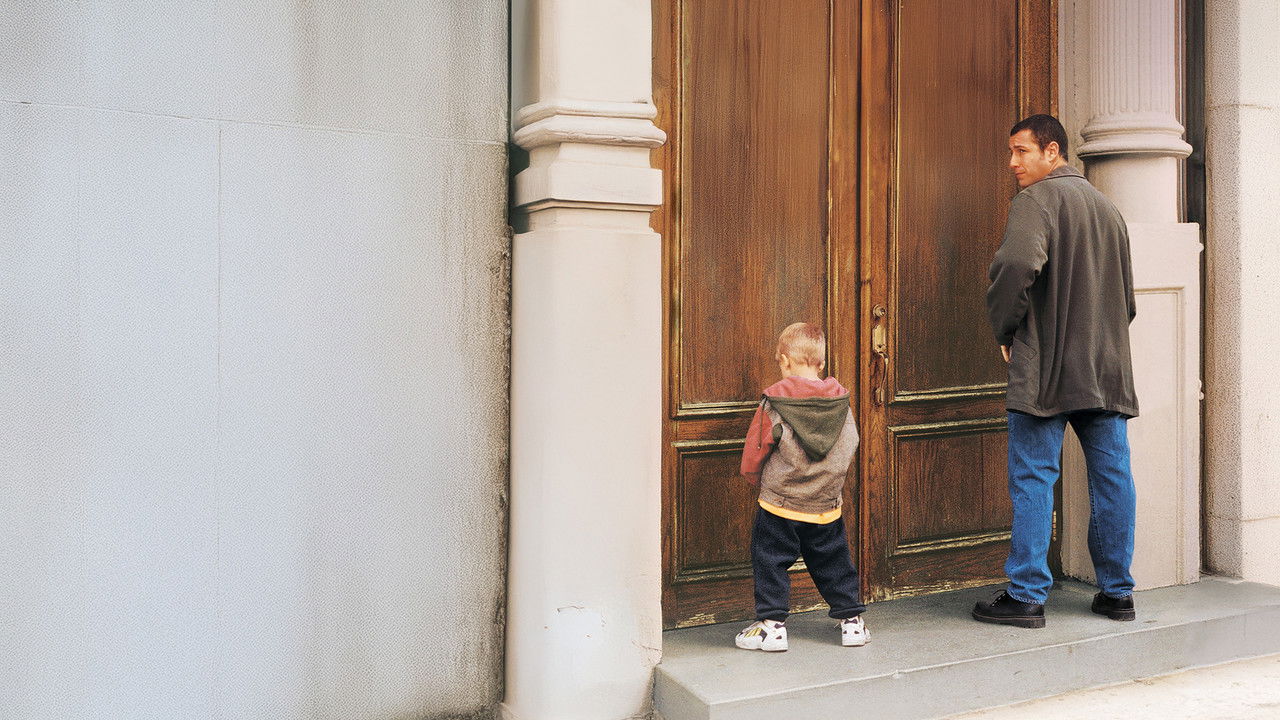
The drama in Big Daddy works because it doesn't try to be "preachy" about fatherhood. Instead, it explores the idea that a kid doesn't necessarily need a perfect role model—they just need someone who shows up. Of course, "showing up" in this movie involves letting a toddler name himself "Frankenstein" and teaching him how to trip rollerbladers in Central Park. Looking back, teaching a five-year-old to trip rollerbladers is technically felony child endangerment masquerading as a bonding exercise, but in the context of 1999 comedy, it was peak entertainment.
The Sprouse twins (long before their Suite Life or Riverdale fame) are remarkably naturalistic. They don't do the "precocious movie kid" shtick; they just seem like a confused kid who wants some Ketchup and a nap. The chemistry between them and Sandler is the movie's secret weapon. It’s hard to stay cynical during the "Scuba Sam" scene, which remains one of the most effective uses of a ridiculous costume to convey emotional support in film history.
The Y2K Cultural Juggernaut
We often forget just how massive this film was. Produced by Jack Giarraputo on a relatively modest $34 million budget, it raked in over $234 million globally. It was the seventh highest-grossing film of 1999, beating out Toy Story 2 and The Mummy in domestic totals for a significant chunk of its run. This was the era where a star’s name alone could move mountains of tickets, and Sandler was the king of the mountain.
The supporting cast is a "who’s who" of great late-90s talent. Joey Lauren Adams, fresh off her indie success in Kevin Smith’s Chasing Amy, brings a grounded, warm intelligence to Layla that the movie desperately needs. Leslie Mann is fantastic as the long-suffering Corinne, and Josh Mostel provides some great comedic friction as the social worker Arthur Brooks. Even Rob Schneider shows up for his mandatory cameo, delivering the "Delivery Guy" role that became a staple of the Happy Madison universe.
The soundtrack is a perfect time capsule, too. You’ve got Sheryl Crow covering Guns N' Roses and tracks by Garbage and Weezer. It captures that specific transition from the grittiness of the 90s to the polished pop-rock of the early 2000s. It feels like a movie made right before the world changed—before the internet was in everyone’s pocket and before comedies became overly self-aware.
Big Daddy is the ultimate "comfort food" movie for those who grew up in the DVD era. It isn't a masterpiece of high drama, but it earns its emotional beats by being honest about how terrifying and messy it is to care about another human being. It’s a snapshot of a mega-star finding his heart while still being willing to take a slapstick fall for a laugh. If you can ignore the fact that the legal proceedings in the third act would make any real lawyer weep, it remains a charming, funny, and surprisingly sweet relic of the turn of the millennium.
Keep Exploring...
-
Happy Gilmore
1996
-

Grown Ups
2010
-
The Waterboy
1998
-
Mr. Deeds
2002
-
The Wedding Singer
1998
-
You Don't Mess with the Zohan
2008
-
Grown Ups 2
2013
-
I Now Pronounce You Chuck & Larry
2007
-
Billy Madison
1995
-
Punch-Drunk Love
2002
-

Just Go with It
2011
-
The Santa Clause
1994
-

Babe
1995
-
Chocolat
2000
-
Shallow Hal
2001
-
About a Boy
2002
-
About Schmidt
2002
-
Chicago
2002
-

Cheaper by the Dozen
2003
-
Mean Girls
2004