Blue Streak
"The badge is fake. The diamond is real."
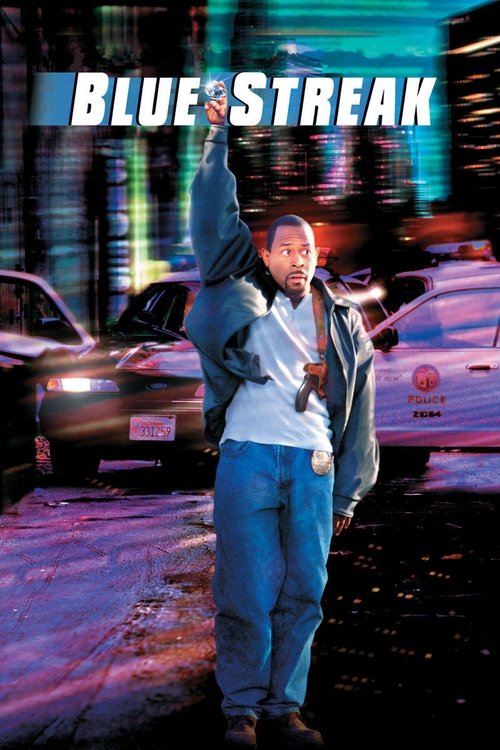
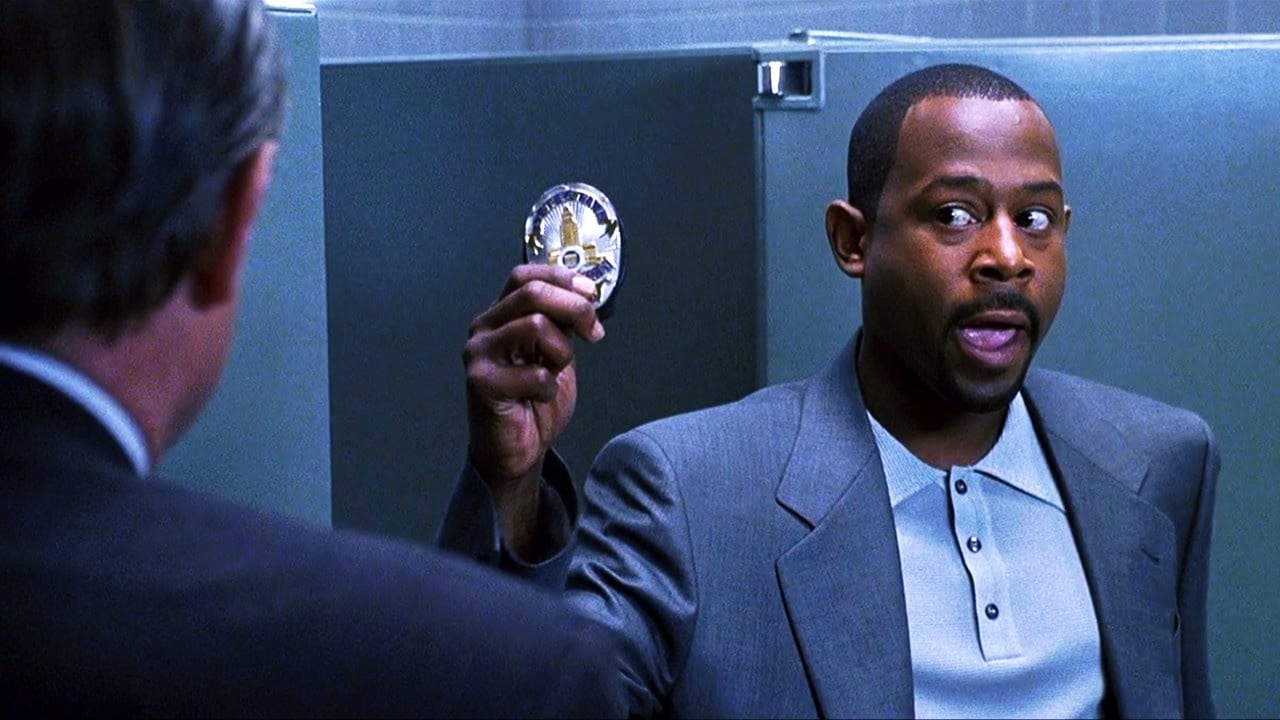
In the pantheon of 1999 cinema, we usually talk about the heavy hitters: the green-tinted existentialism of The Matrix or the soap-making nihilism of Fight Club. It was a year where movies seemed determined to tear down the fabric of reality. And then there was Blue Streak, a movie where Martin Lawrence dresses up like a pizza delivery man with a high-pitched voice and a buck-toothed prosthetic. It’s a film that isn't trying to deconstruct the universe; it’s just trying to figure out how to get a diamond out of a ventilation duct.
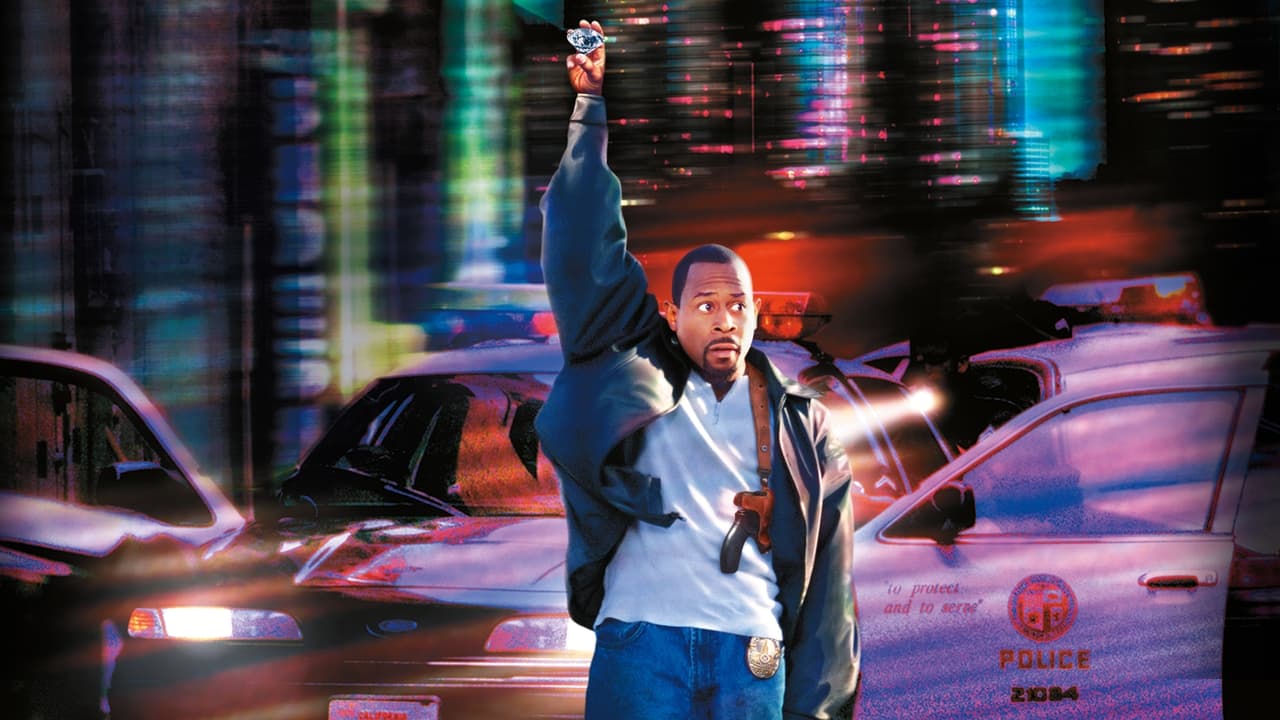
Looking back, Blue Streak represents that specific, late-90s sweet spot of the "high-concept" action comedy. It’s a ridiculous premise—a jewel thief poses as a detective to recover his loot from a police station built over his hiding spot—that works entirely because the leading man is operating at 110% capacity. This was Martin Lawrence at the height of his powers, fresh off Bad Boys and Life, proving he could carry a studio tentpole on the sheer strength of his facial expressions and improvisational energy.
The Physics of the "Straight Man"
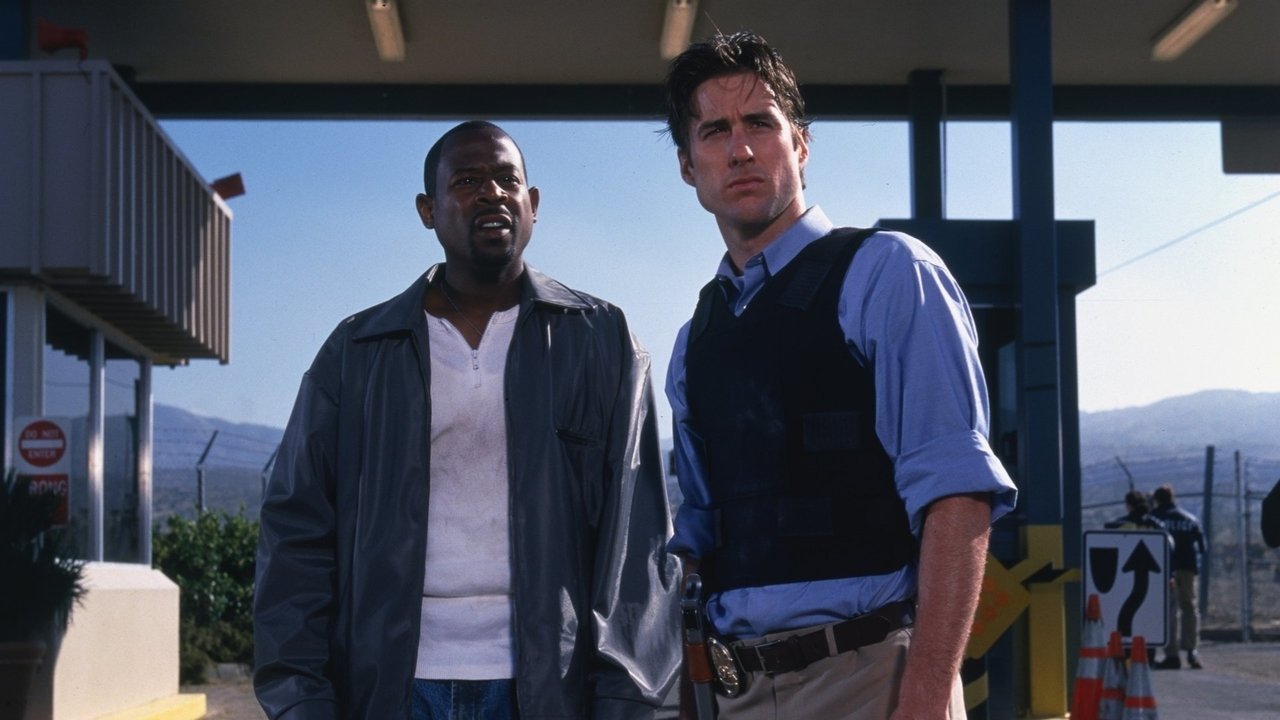
The secret weapon here isn't actually the comedy—it’s the casting of Luke Wilson as the rookie detective, Carlson. If Lawrence is the runaway train, Wilson is the tracks that keep the movie from flying into a canyon. Luke Wilson’s face is basically a permanent dial set to ‘mildly confused,’ and his chemistry with Lawrence is a textbook example of why the buddy-cop trope endured for so long.
While Martin Lawrence’s Miles Logan is frantically making up police jargon (shouting "I'm a federali!" or "check the files!"), Luke Wilson plays it with such earnest, Midwestern sincerity that the absurdity becomes grounded. I watched this again on a Tuesday night while trying to fold a fitted sheet—a task that is objectively more difficult than any diamond heist—and I realized that the film’s pacing is its greatest asset. Director Les Mayfield (Encino Man) keeps the momentum so high that you don't have time to ask why nobody in the LAPD has a functioning set of eyes or a basic background check system.
A Time Capsule of Practical Chaos
Technologically, Blue Streak sits on the edge of a cliff. We’re watching the final years of the mid-budget actioner that relied on "the real deal." The car chases involve actual metal hitting actual pavement, and the explosions have that distinct, orange-and-black gasoline bloom that CGI just hasn't quite replicated since. David Eggby, the cinematographer who shot the original Mad Max, brings a grit to the California sun that makes the film look far more expensive than its $65 million budget suggests.
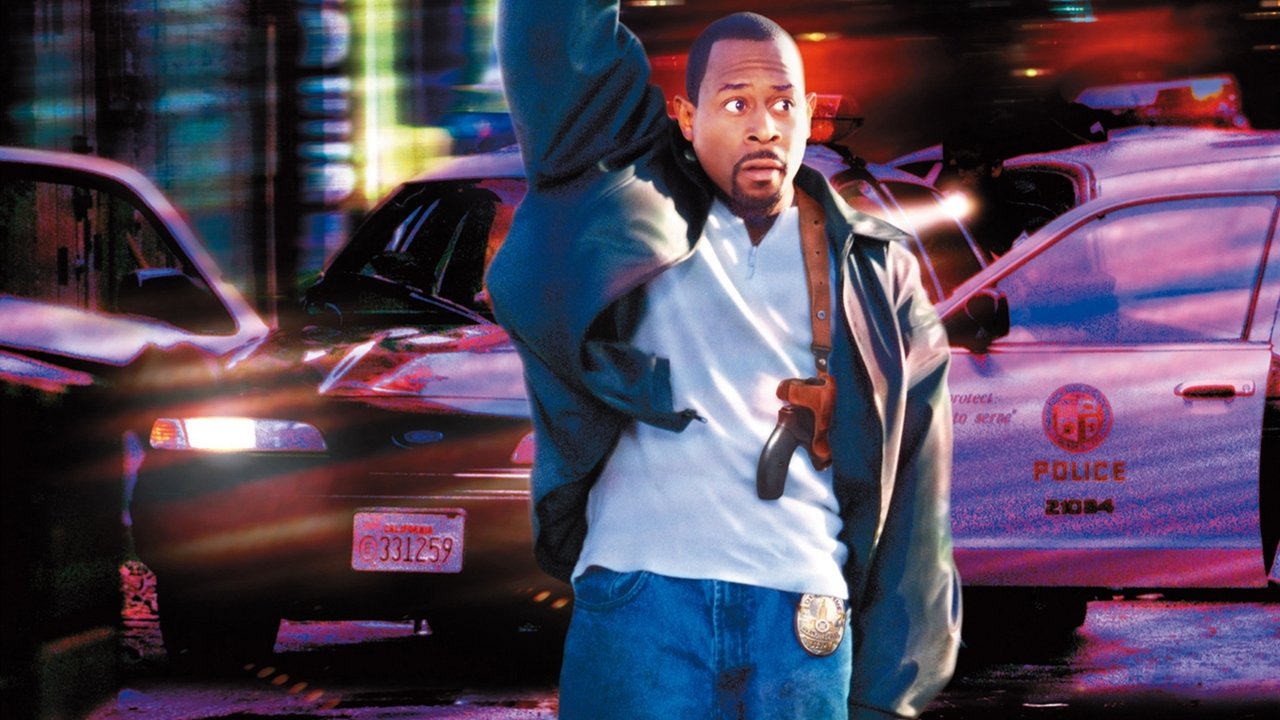
The supporting cast is a 90s fever dream. You’ve got William Forsythe (Dick Tracy) doing his best grizzled detective work, Peter Greene (The Mask) playing the same cold-eyed villain he perfected in Pulp Fiction, and a young Dave Chappelle as Tulley. Watching Dave Chappelle here is fascinating; you can see the sparks of the jittery, high-energy persona that would soon define his legendary sketch show. His "delivery" scene remains one of the few moments where Lawrence actually feels like he’s trying to keep up with someone else’s comedic rhythm.
The Era of the Soundtrack-Driven Comedy
One thing that reveals the film’s age—in a charming way—is the heavy lifting done by the soundtrack. This was the era where a movie wasn't just a movie; it was a vehicle for a multi-platinum R&B and Hip-Hop compilation. The music by Edward Shearmur is punctuated by tracks that scream "late-Clinton administration." It adds a layer of bouncy, urban energy that was standard for Columbia Pictures at the time, making the police station feel less like a bureaucratic hellscape and more like a playground for Logan’s antics.
The film does fall into some dated tropes—the portrayal of the border and some of the broader characterizations of the criminals haven't aged with much grace—but it manages to sidestep total cringe through sheer charisma. Logan isn't a bad guy; he’s just a guy who is better at being a cop than the actual cops, which is a subtle, if accidental, commentary on the rigid incompetence of the system he’s infiltrating.
Stuff You Didn't Notice
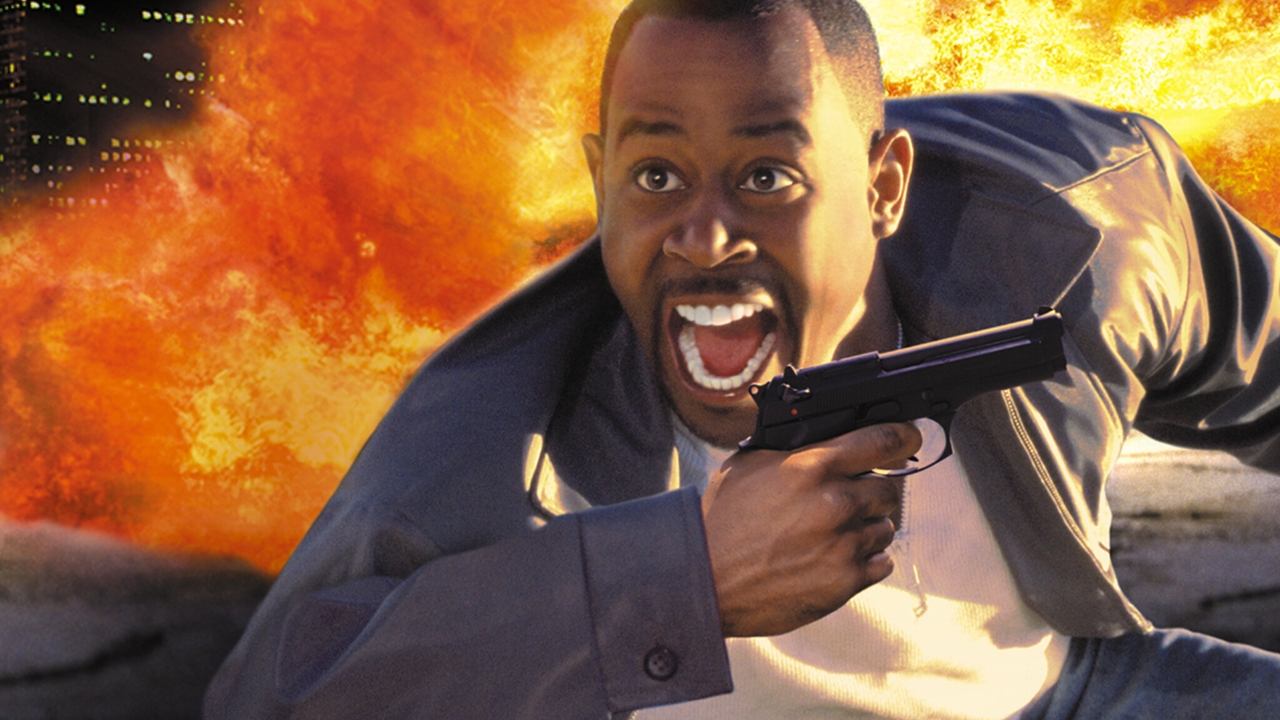
Interestingly, the movie’s production was something of a "Plan B." It was originally conceived as a much darker, more serious heist film before the studio realized they had a potential comedy goldmine on their hands. You can still see those remnants in the opening sequence—the heist itself is surprisingly tense and well-executed, with Peter Greene's betrayal feeling like it belongs in a different, more somber movie.
Also, keep an eye on the police station set. It was a massive build, meant to look like an unfinished government building, and the production team actually utilized a real vacant building in Los Angeles to give it that "under construction" authenticity. It’s that dedication to physical space that makes the climax, involving a chase through the ventilation and a standoff at the border, feel like it has actual stakes.
It’s easy to dismiss Blue Streak as a "cable TV staple," but that ignores the craft on display. Between Martin Lawrence's manic energy and the surprisingly sturdy action direction, it’s a film that knows exactly what it is: a fast-paced, ninety-minute distraction that doesn't demand your soul, just your attention. It’s a relic of a time when we let comedians run wild with a badge, and honestly, the world felt a little more fun for it.
Keep Exploring...
-
National Security
2003
-
Bad Boys II
2003
-
Big Mommas: Like Father, Like Son
2011
-
The Mexican
2001
-
Taxi
2004
-
Rumble in the Bronx
1995
-
Taxi 2
2000
-
Taxi 3
2003
-
Bad Boys
1995
-
Beverly Hills Cop III
1994
-
Lethal Weapon 4
1998
-
Rush Hour 2
2001
-
Shoot 'Em Up
2007
-
Cop Out
2010
-

One for the Money
2012
-
Stand Up Guys
2012
-
Rush Hour
1998
-
Bandidas
2006
-
OSS 117: Cairo, Nest of Spies
2006
-
Smokin' Aces
2006