Bowfinger
"The best movie never actually made."
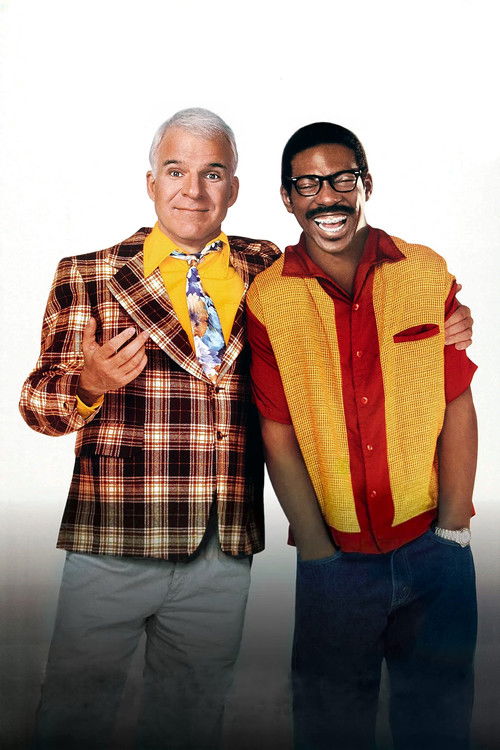
Hollywood is built on the collective delusion that everyone is just one big break away from a star on the Walk of Fame, but 1999’s Bowfinger is the only film that admits the "lie" is actually the most fun part of the job. In a year that gave us the existential dread of The Matrix and the suburban rot of American Beauty, Steve Martin decided to give us a story about a man so desperate to be a mogul that he’s willing to film an action movie in the middle of a freeway using a crew of illegal immigrants and a has-been diva.
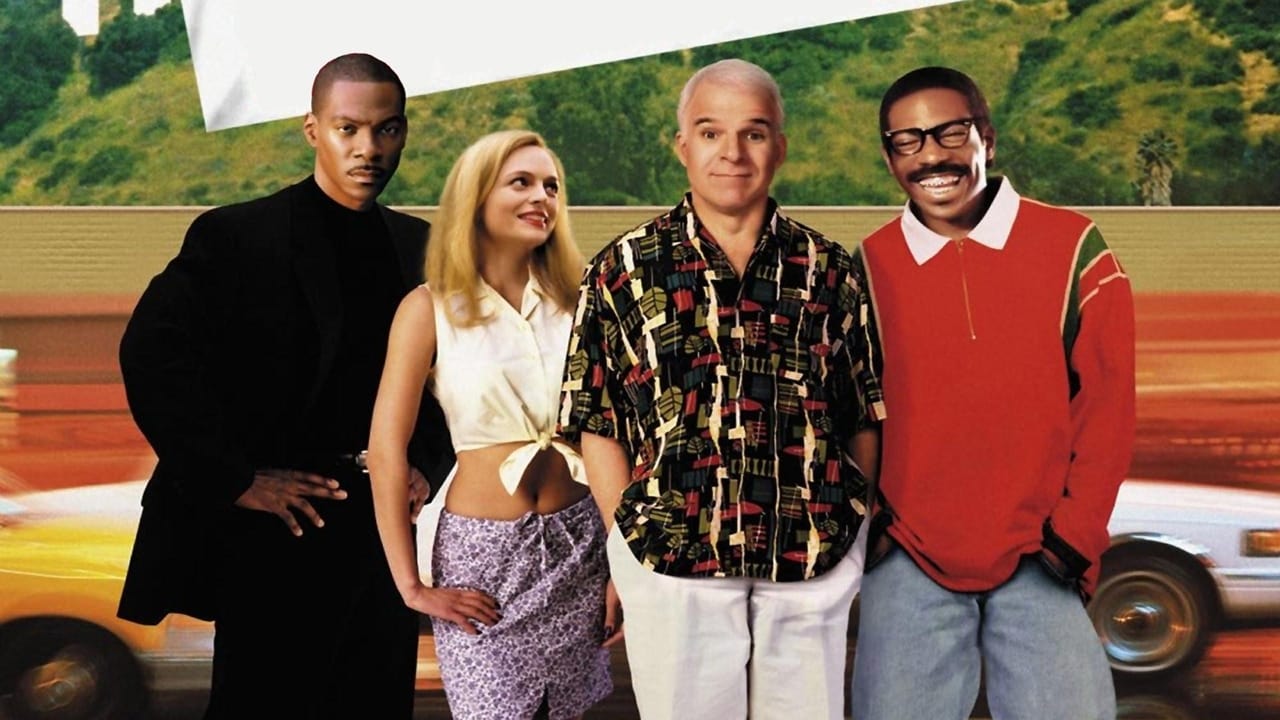
I watched this recently on a Tuesday night while wearing one mismatched wool sock because I couldn't find its partner, and honestly, that sense of chaotic incompleteness matched Bobby Bowfinger’s production aesthetic perfectly. It’s a film that feels like a warm hug for anyone who has ever had a dream that exceeded their bank balance by several million dollars.
The Art of the No-Budget Blockbuster
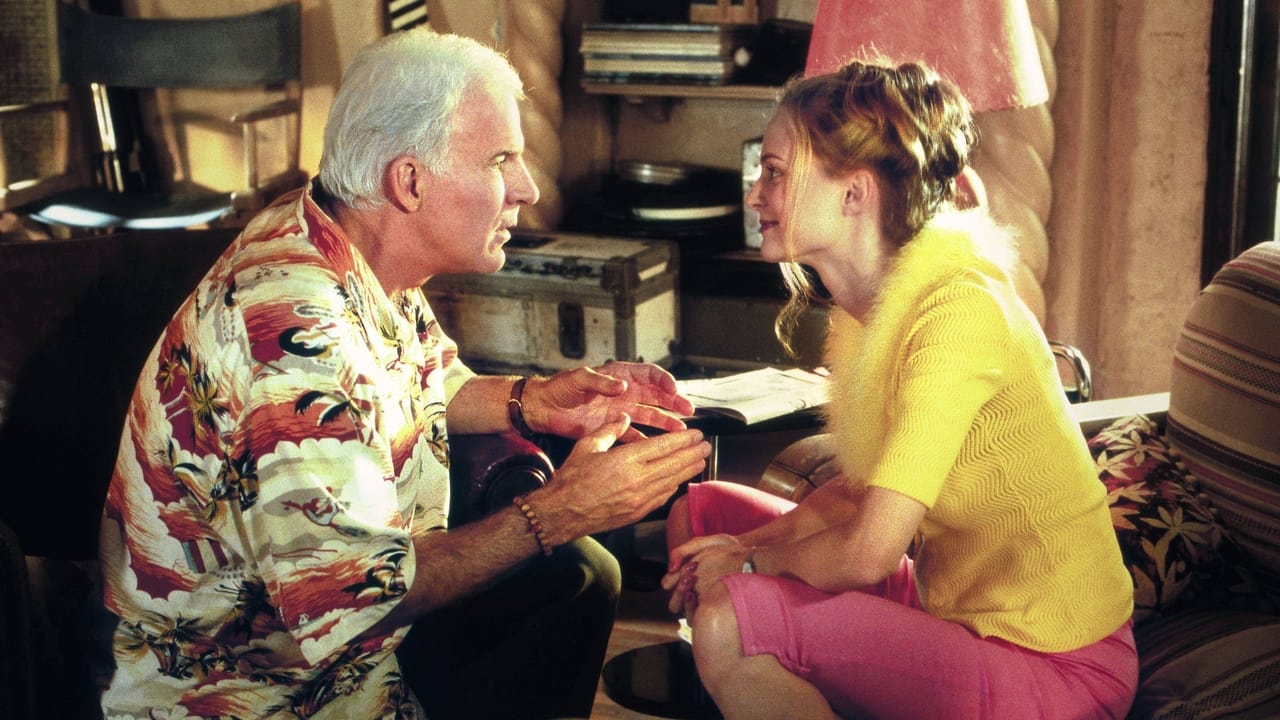
At the heart of the film is Bobby Bowfinger, played by Steve Martin with a frantic, silver-haired optimism that is impossible to dislike. Bobby is on the verge of fifty, his production company is operating out of his house, and his "accountant" is just a guy who knows how to use a calculator. When he gets his hands on a script called Chubby Rain—a delightfully absurd sci-fi thriller about aliens arriving in raindrops—he decides he needs the world’s biggest action star, Kit Ramsey, to lead it.
The catch? Kit Ramsey (played with peak-era energy by Eddie Murphy) has no idea he’s in the movie.
This premise allows director Frank Oz—the man who gave us the humor of Dirty Rotten Scoundrels and the voice of Yoda—to play with the mechanics of filmmaking in the most hilarious way possible. Since they can't afford Kit, the crew just stalks him. They jump out of bushes to deliver lines, film him from across the street, and trick him into thinking the "aliens" are real people following him. It’s a satire of Hollywood ego, but it’s also a deeply affectionate look at the "let's put on a show" mentality of the 1990s indie boom.
A Double Dose of Eddie Murphy
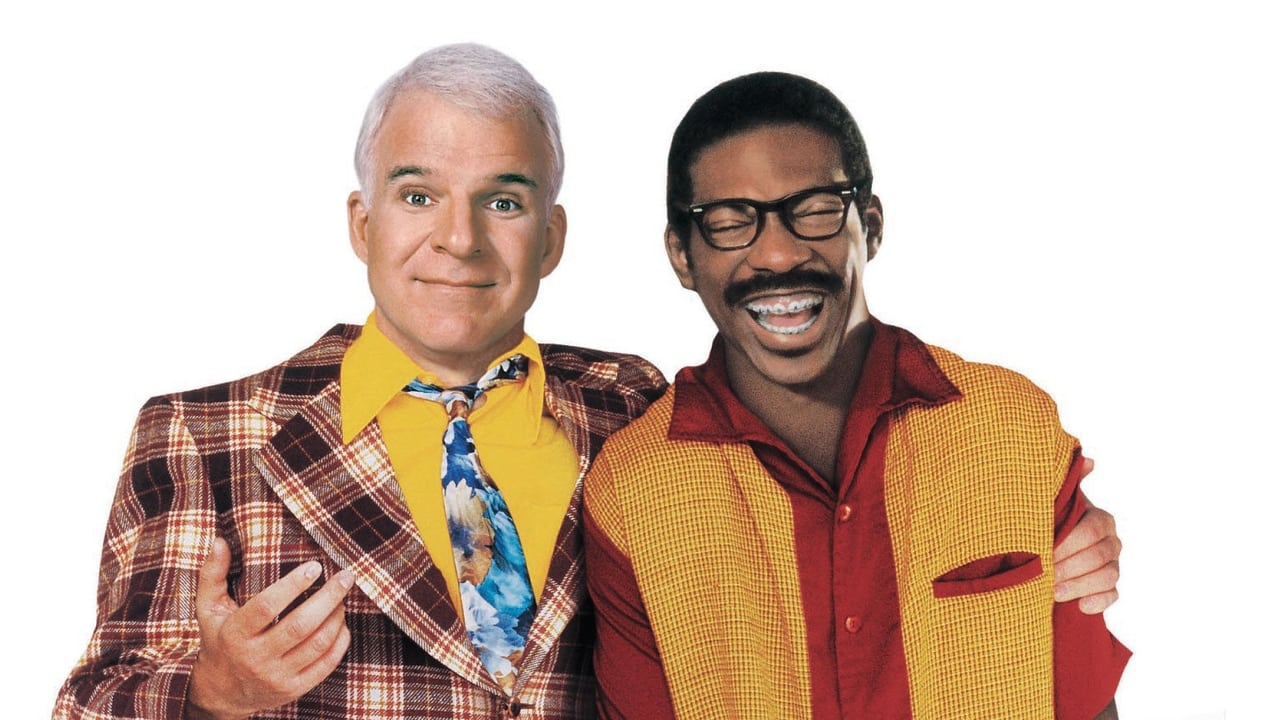
While Steve Martin wrote the script and provides the film's soul, this is arguably the last time we saw Eddie Murphy firing on all cylinders before he got lost in the wilderness of family-friendly fat-suit comedies. He plays two roles here: Kit Ramsey, the paranoid, high-strung superstar who belongs to a Scientology-esque cult called MindHead, and Jifferson "Jiff" Ramsey, a nerdy, literal-minded guy who just wants to be helpful.
Jiff Ramsey is the most wholesome human being ever captured on celluloid. Whether he's running across a live freeway because Bobby told him the stunt cars were "imaginary" or getting excited about being the "production gofer" (which he thinks means he goes for things), Jiff is the comedic heart of the movie. Murphy’s ability to switch between the aggressive, terrified Kit and the sweet, dim-witted Jiff is a reminder that this movie is a masterclass in comedic range.
The supporting cast is equally stacked. Heather Graham is perfect as Daisy, the ingenue who sleeps her way to the top with a terrifyingly calculated efficiency, and Christine Baranski steals every scene as Carol, a theater actress who treats this low-rent production like she’s performing Shakespeare at the Globe.
Why It Disappeared (And Why It Needs to Come Back)
Looking back from 2024, Bowfinger occupies a strange space. It was a modest hit, but it’s rarely cited in the pantheon of "Greatest Comedies." I suspect that's because it’s a mid-budget, star-driven comedy—a genre that the streaming era has essentially smothered in its sleep. Today, a movie like this would be a "Content Drop" on a platform, forgotten in two weeks.
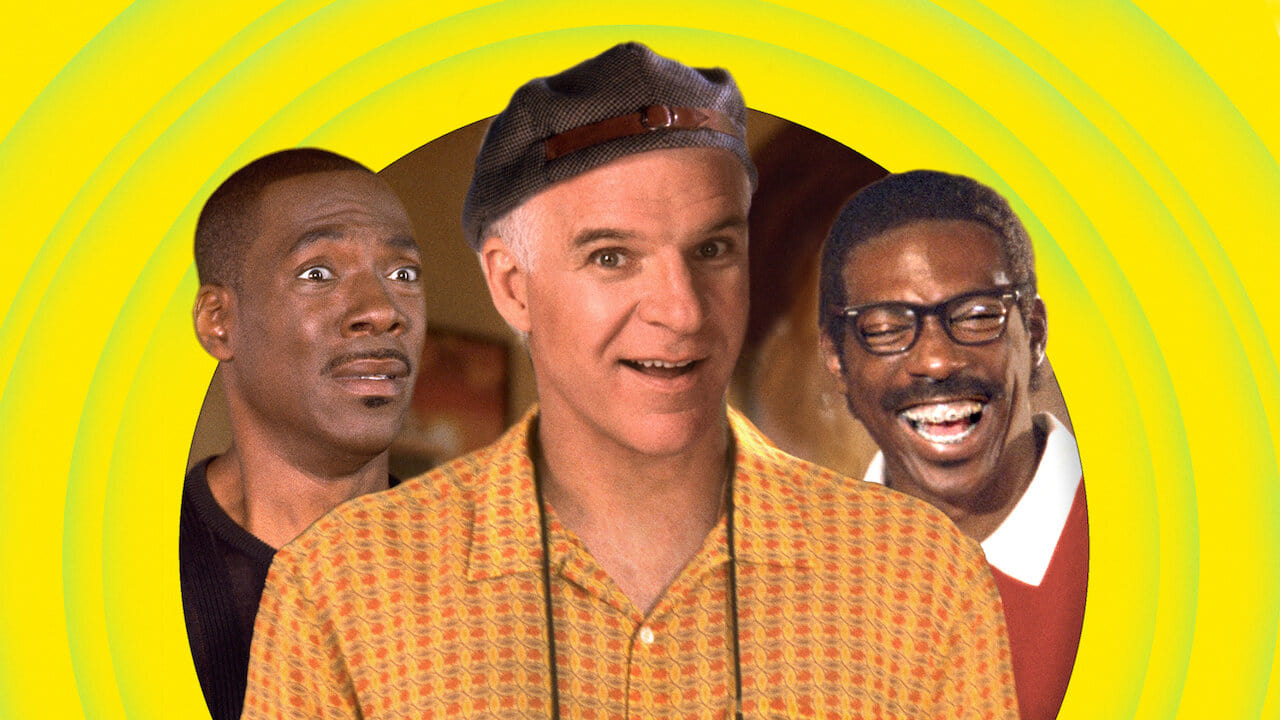
But Bowfinger deserves better. It captures a specific pre-9/11 Hollywood energy where the stakes were lower and the scams were more physical. There’s a scene where the crew has to cross a busy highway—they actually did this with real cars and no green screen, which feels insane by modern standards. It gives the comedy a tactile, dangerous edge that you just don't get with digital effects.
The film also serves as a sharp parody of celebrity culture. Kit Ramsey’s membership in MindHead, led by a wonderfully smug Terence Stamp (of Superman II fame), is a biting look at how the industry preys on the insecurities of the famous. The fact that the movie mocks these institutions while remaining fundamentally "nice" is a testament to Martin’s writing. Steve Martin knows that the only thing funnier than a celebrity is the person who would do anything to become one.
Ultimately, Bowfinger works because it isn't cynical. It could have been a mean-spirited takedown of B-movie directors, but instead, it celebrates the hustle. Bobby Bowfinger isn't a hack; he’s a visionary who just happens to have a budget of $2,000. It’s a movie for anyone who has ever looked at a cardboard box and seen a spaceship. If you missed this one during the crowded 1999 release cycle, or if you only remember it from the "New Releases" wall at Blockbuster, it’s time to give it another look.

Keep Exploring...
-
What About Bob?
1991
-

The Stepford Wives
2004
-

Death at a Funeral
2007
-
Dirty Rotten Scoundrels
1988
-
The Score
2001
-

The Pink Panther
2006
-

The Pink Panther 2
2009
-

Father of the Bride
1991
-
The Big Year
2011
-
Maverick
1994
-

Practical Magic
1998
-
Six Days Seven Nights
1998
-
Blue Streak
1999
-

Mystery Men
1999
-
The Kid
2000
-

The Replacements
2000
-

America's Sweethearts
2001
-

Bandits
2001
-
Osmosis Jones
2001
-

The Mexican
2001