Boys Don't Cry
"The cost of being yourself in a world that won't let you."
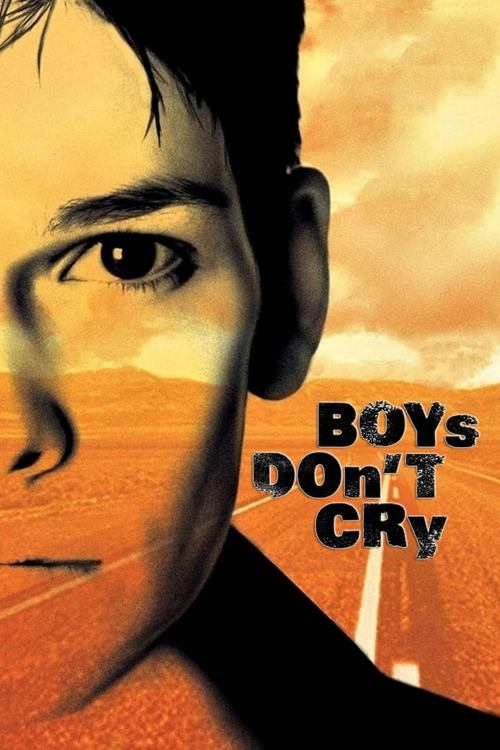
The first time I saw Brandon Teena on screen, I wasn't looking at a movie star; I was looking at a ghost. There’s a specific, haunting quality to the way Hilary Swank carries herself in the opening frames of Boys Don't Cry—a mixture of terrifying vulnerability and an almost manic, joyful bravado. It’s the late 90s, the Nebraska sky is a flat, oppressive gray, and you can practically smell the stale beer and cigarette smoke clinging to the upholstery of every rusted-out car.
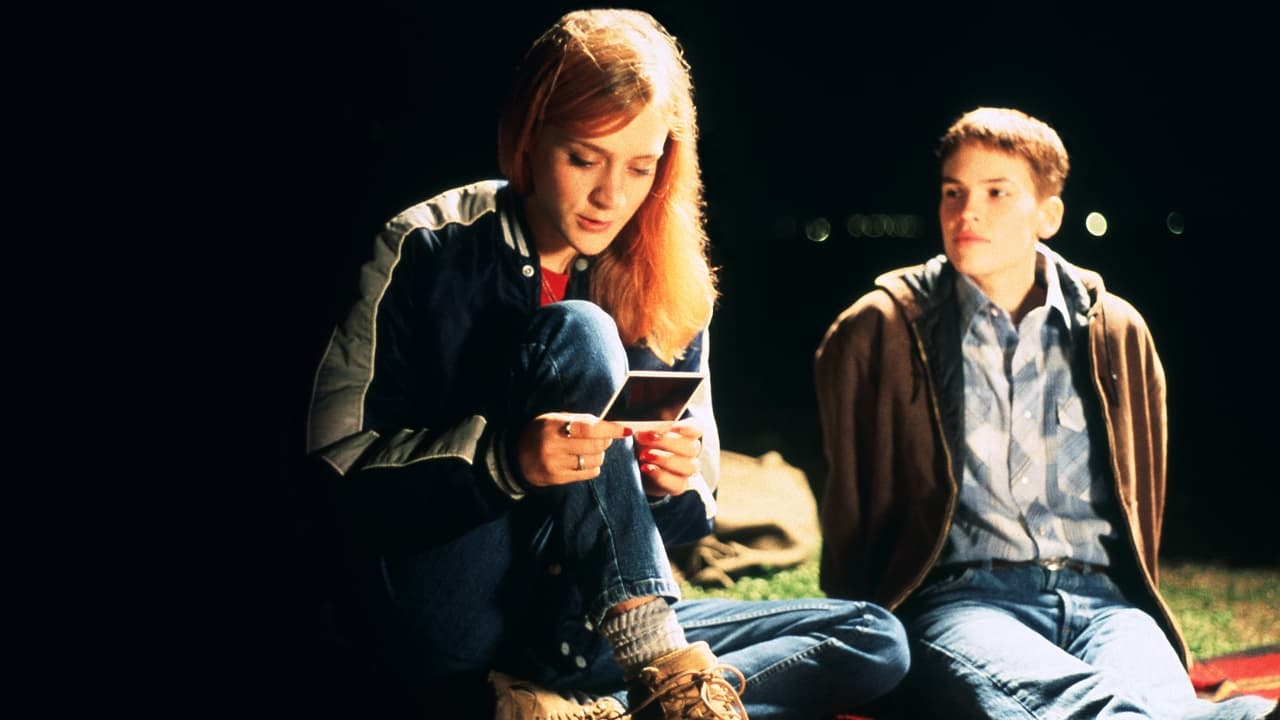
I revisited this one on a Tuesday night while my neighbor was loudly practicing the scales on a trumpet, and the discordant, slightly off-key blaring from next door felt like a perfect companion to the jagged, uneasy energy of Kimberly Peirce’s masterpiece. It’s a film that exists in the cracks of the American dream, where the "courage to be yourself" isn't a Hallmark sentiment, but a death-defying act of rebellion.
The 1999 Indie Lightning Strike
Coming out in 1999—arguably the greatest year in modern cinema history—Boys Don't Cry felt like a jagged piece of glass in a year filled with polished gems like The Matrix or Fight Club. While the rest of Hollywood was obsessing over the Y2K bug and the digital revolution, Peirce was taking us back to the analog grit of Falls City, Nebraska. This was the peak of the "Indie Film Renaissance," a time when outfits like Fox Searchlight and IFC could turn a $2 million budget and a handheld camera into a cultural earthquake.
Looking back, the film captures a very specific pre-9/11 anxiety. It wasn't about global terror yet; it was about the terror of the person sitting next to you at the bar. The cinematography by Jim Denault doesn't try to beautify the Midwest. It’s grainy, harsh, and feels like it was shot on the fly, capturing the "Sundance generation" aesthetic before it became a parody of itself. There’s no CGI to save us here, no digital gloss to soften the blow—just film stock and raw nerves.
A Transformation Beyond the Prosthetics
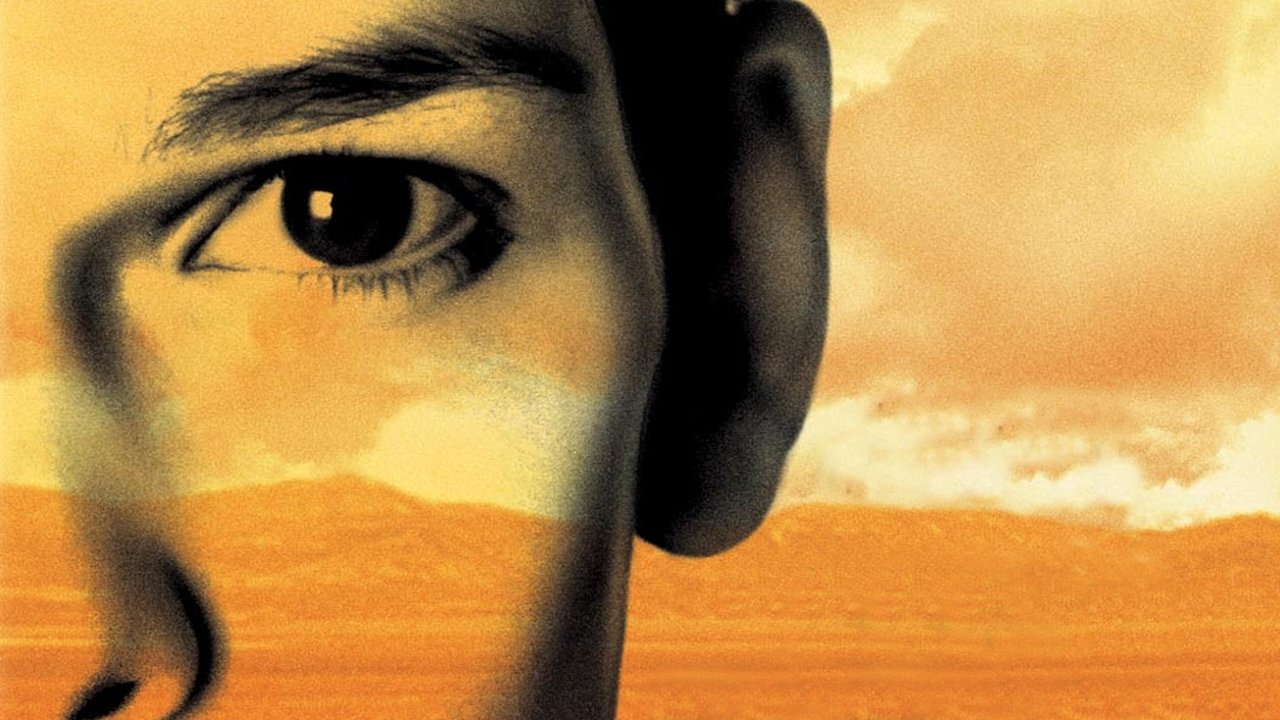
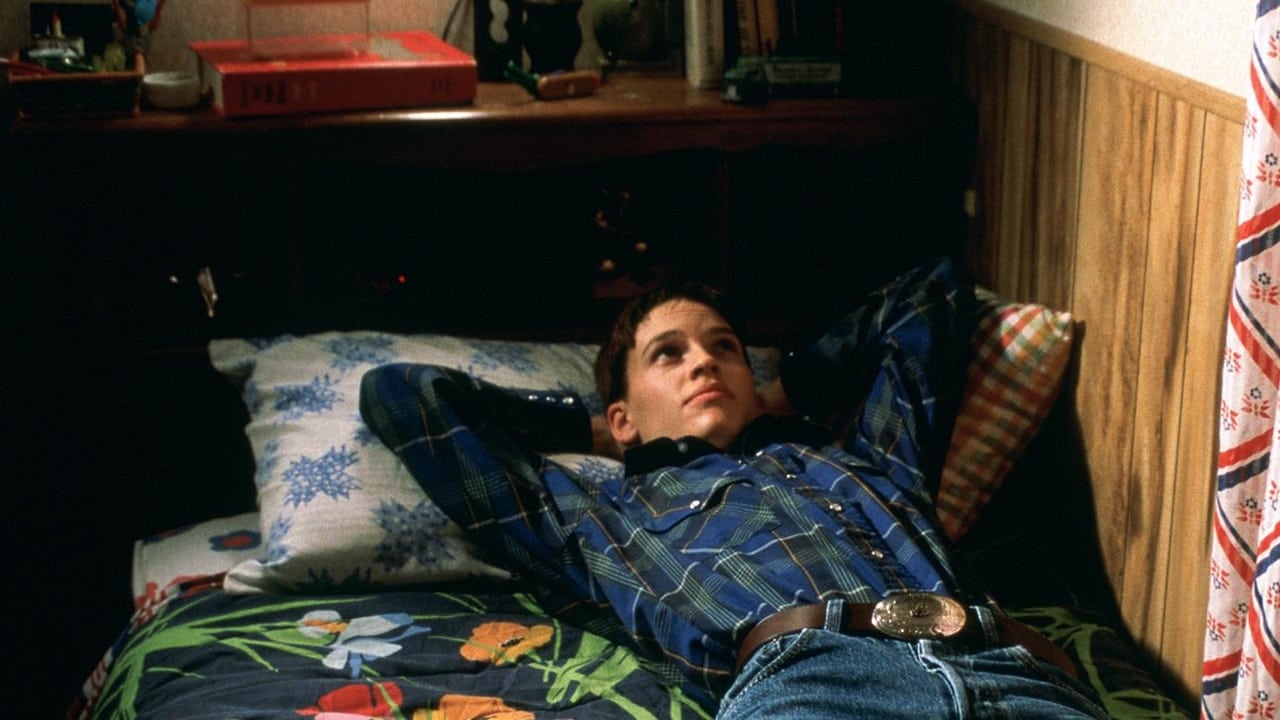
We talk a lot about "transformative" performances today, usually when a beautiful actor puts on a fat suit or a fake nose to chase an Oscar. But Hilary Swank’s work here is something entirely different. Apparently, Swank lived as a man for four weeks before filming—binding her chest, putting socks in her pants, and refusing to break character even with her own family. You can see that marrow-deep commitment in every frame. It’s in the way she touches her short-cropped hair or the desperate squint in her eyes when she’s trying to read a room that's turning hostile.
Swank’s Oscar win was the last time the Academy actually rewarded a genuine soul-level metamorphosis instead of just a high-end makeup chair session.
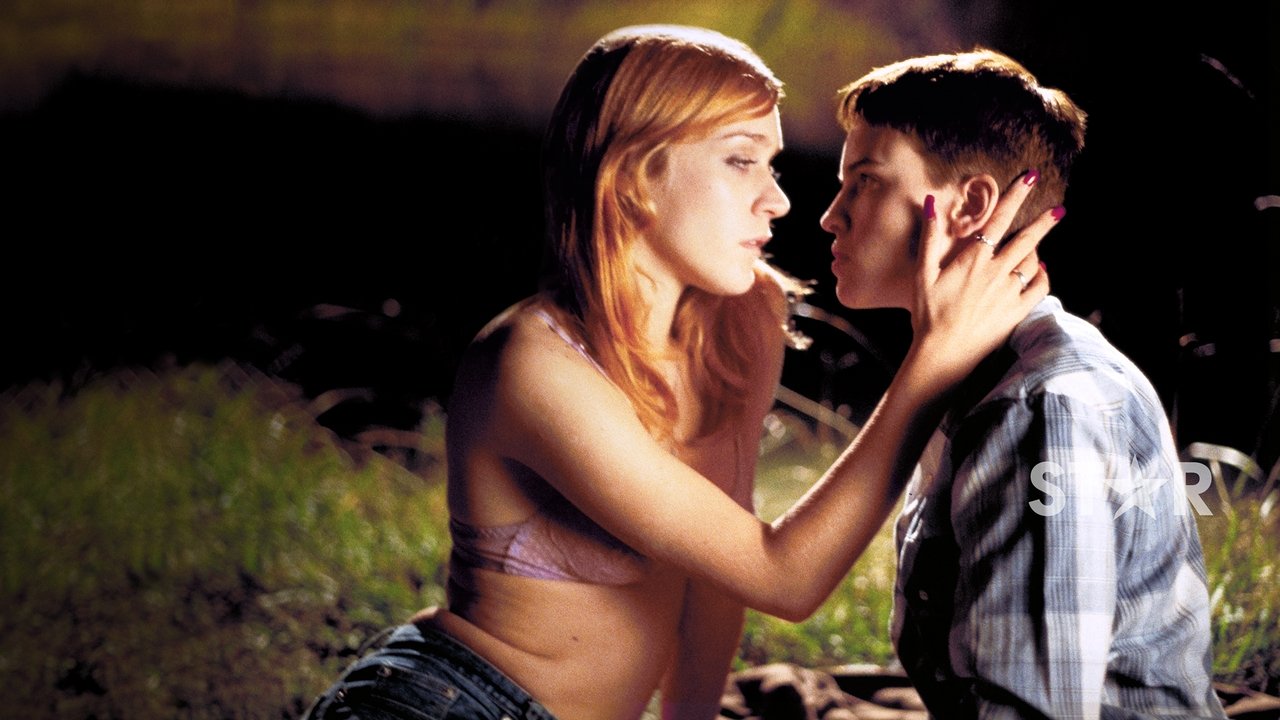
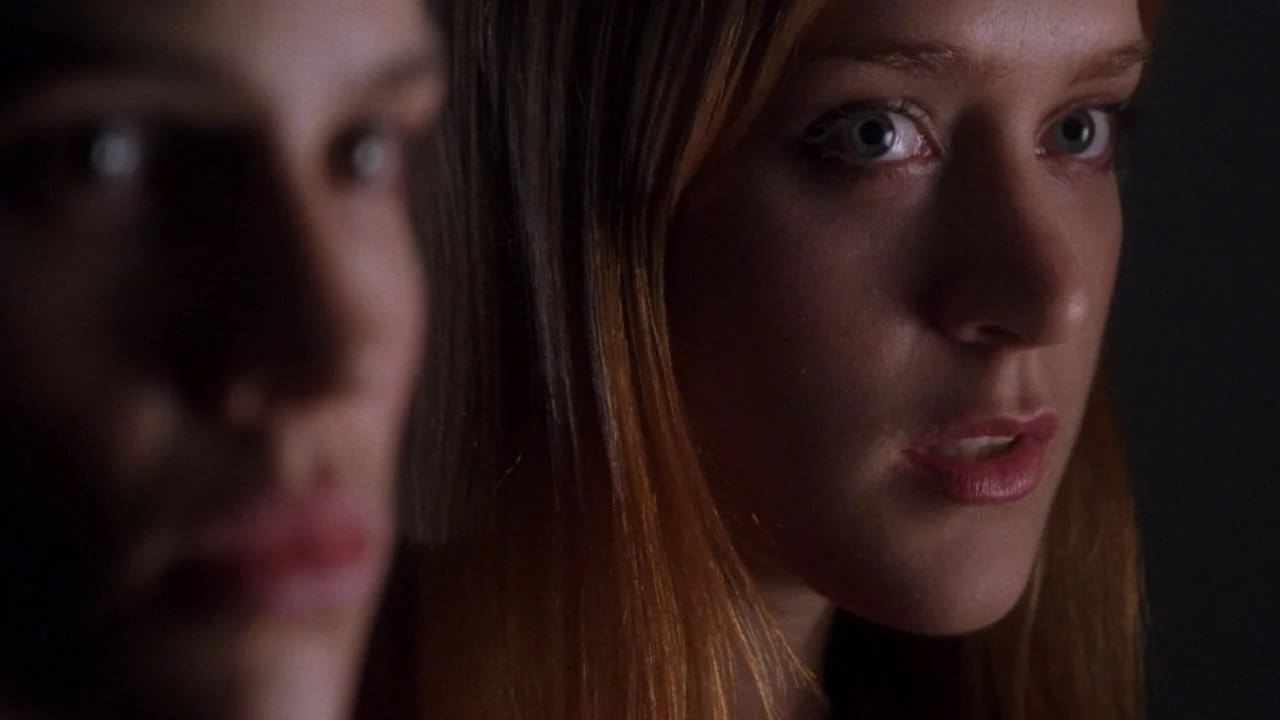
Then there’s Chloë Sevigny as Lana. If Swank is the heart of the film, Sevigny is its bruised, aching soul. As the girl who falls for Brandon, Sevigny captures that specific brand of rural ennui—the girl who knows she’s stuck in a dead-end town and chooses to believe in a beautiful lie because the truth is too bleak to bear. Their chemistry is effortless and heartbreaking; it makes the impending doom feel less like a plot point and more like a personal tragedy unfolding in your own living room.
The Monster in the Room
The film takes a sharp, agonizing turn into the "Dark/Intense" category in its final act, and it’s largely due to Peter Sarsgaard. Playing John Lotter, Sarsgaard creates a portrait of toxic masculinity that is so terrifying because it starts out so charismatic. He’s the "friend" who turns into a predator the moment his worldview is challenged. Sarsgaard plays a monster so convincingly here that I actually find it difficult to trust him in any role he’s played in the twenty-five years since.
The violence in the film isn't stylized or "cool." It’s clumsy, ugly, and devastatingly intimate. Peirce doesn't look away, but she doesn't exploit the horror either. She forces us to sit with the consequences of bigotry in a way that feels incredibly prescient today. While the film is often grouped with the "forgotten" heavy-hitters of the 90s—mostly because it’s so emotionally draining that people rarely put it on for a casual rewatch—it remains a vital piece of cinema. It’s a reminder of a time when indie film wasn't just a genre, but a weapon used to shatter social silences.
In an era of franchises and endless sequels, Boys Don't Cry stands as a singular, monolithic achievement. It’s a difficult watch, yes, but it’s an essential one. It captures a moment in time when the world was just beginning to have a conversation it wasn't yet equipped to finish. If you haven't seen it since the DVD days, or if you’ve only ever heard of it as a "serious drama," give it those two hours. It’ll stay with you long after the credits roll and the neighbor stops playing the trumpet.
Keep Exploring...
-
Strange Days
1995
-
The Rainmaker
1997
-
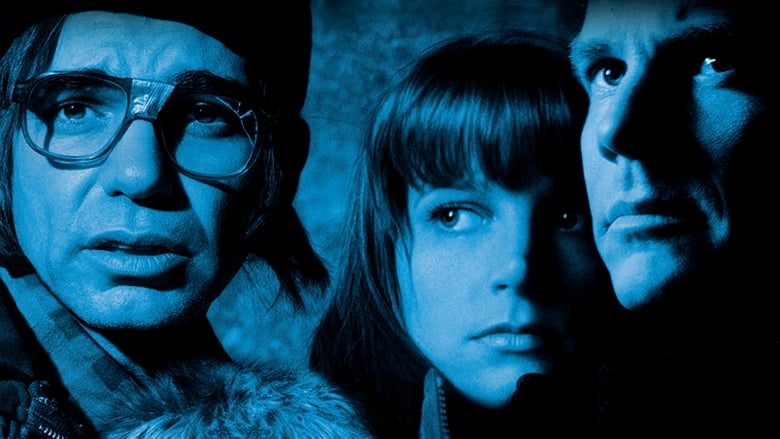
A Simple Plan
1998
-

Rounders
1998
-
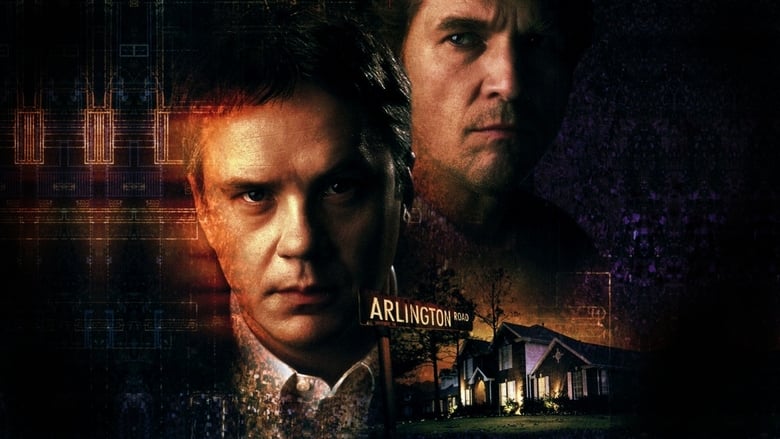
Arlington Road
1999
-
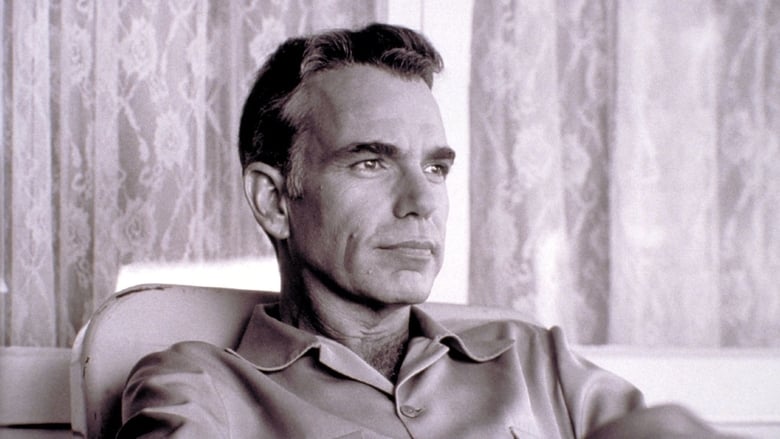
The Man Who Wasn't There
2001
-
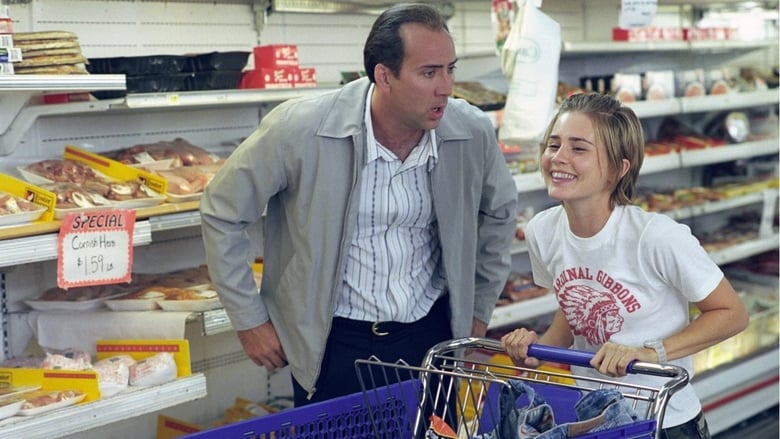
Matchstick Men
2003
-
Batman: The Dark Knight Returns, Part 1
2012
-

Batman: The Dark Knight Returns, Part 2
2013
-
Dancer in the Dark
2000
-
Infernal Affairs
2002
-
I'm Not Scared
2003
-
3-Iron
2004
-
Bad Education
2004
-
American Psycho
2000
-

Miller's Crossing
1990
-
Glengarry Glen Ross
1992
-
Batman: Mask of the Phantasm
1993
-
Bound by Honor
1993
-
The Basketball Diaries
1995