Bringing Out the Dead
"Saving lives is a slow way to die."
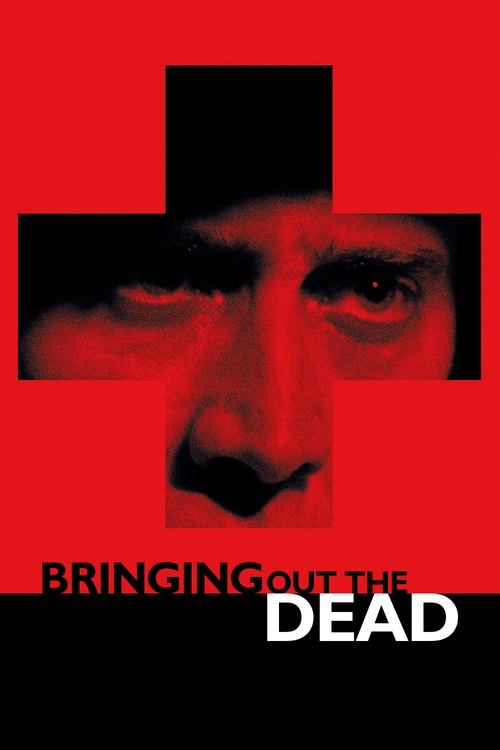
New York City in the late nineties wasn’t the polished, glass-and-steel playground it is today, but it wasn't exactly the Taxi Driver era of filth either. It was in a strange purgatory—waiting for the ball to drop on Y2K while trying to scrub the grime off its subways. It’s the perfect setting for Martin Scorsese’s most unfairly overlooked masterpiece, Bringing Out the Dead. While the rest of the world in 1999 was obsessing over The Matrix or Fight Club, I remember watching this on a humid Tuesday night while nursing a lukewarm Diet Coke that had lost its fizz twenty minutes earlier, and honestly, the flat soda only added to the film's crushing sense of exhaustion.

This isn't your standard "heroic paramedic" drama. It’s a spiritual horror movie disguised as a character study. It reunites Martin Scorsese with writer Paul Schrader (the duo behind Taxi Driver and Raging Bull), and the result is a frenetic, hallucinatory trip through the graveyard shift that feels like a 121-minute panic attack that you somehow don’t want to end.
The Patron Saint of Burnout
At the center of the chaos is Nicolas Cage as Frank Pierce. If you’re looking for "Full Cage"—the wide-eyed, screaming, furniture-chewing version we’ve seen in recent years—you won't find him here. Instead, we get "Haunted Cage." His eyes are sunken into his skull, reflecting the red and blue strobe lights of his ambulance like a man who hasn't slept since the Reagan administration. Frank is a man who doesn't just see the people he couldn't save; he talks to them. They haunt the sidewalks of Hell’s Kitchen, specifically a young girl named Rose whose face appears on every passerby.
Nicolas Cage delivers a performance so restrained it actually hurts to watch, and I mean that as the highest compliment. He’s the "Father Frank" of the EMS world, a man desperately seeking a way out of a job that is eating his soul. He tries to get fired, he calls in sick, he begs his boss to let him go, but he’s too good at what he does. The film captures that specific 90s indie-to-mainstream transition where a major studio like Touchstone (Disney’s "mature" label) would actually fund a high-budget, depressingly dark meditation on grief.
A Three-Act Descent into Madness
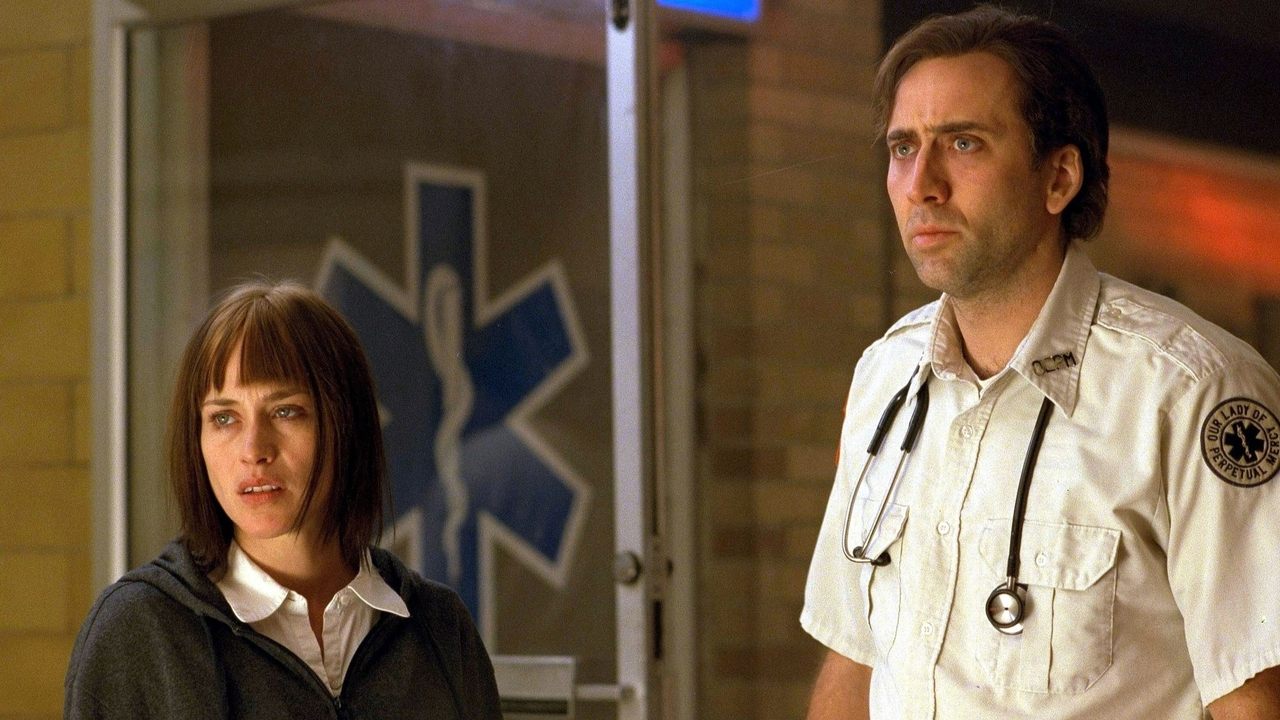
The movie is structured over three nights, each featuring a different partner for Frank, and each partner represents a different stage of coping with the trauma of the job. First, there’s John Goodman as Larry, who has retreated into a shell of benign apathy and a constant search for a decent mid-shift snack. Their chemistry is effortless, grounded in the kind of dark humor that only people who deal with death for a living can truly appreciate.
Then comes Ving Rhames as Marcus, a man who has turned his ambulance into a rolling gospel revival. The scene where he "resurrects" a cardiac patient through the sheer power of prayer and a heavy hand on the chest is one of the most electric sequences Martin Scorsese has ever filmed. Finally, there’s Tom Sizemore as Tom Wolls, a man who has tilted over the edge into pure, unadulterated violence. Sizemore basically plays a sentient brick thrown through a window, and his segments turn the film from a drama into a high-speed slasher movie where the "victim" is the city itself.
The cinematography by Robert Richardson is nothing short of legendary. He uses high-contrast, overexposed lighting that makes the hospital hallways look like the entrance to the afterlife. It’s that late-90s "bleached bypass" look that was trendy at the time, but here it serves a purpose—it makes the night feel permanent and the day feel like an impossible dream.
Why We Let This One Slip Away

So, why did a Martin Scorsese film starring Nicolas Cage bomb so hard? It grossed less than $17 million against a $32 million budget. Looking back, the marketing was a disaster. The trailers made it look like a high-octane action thriller, perhaps trying to capitalize on the ER craze of the decade. Audiences walked in expecting Speed with a stethoscope and instead got a mournful, poetic exploration of "the grief of the survivor."
It also suffered from being released in 1999, arguably the greatest year for cinema in the last half-century. It was drowned out by Magnolia, The Insider, and The Sixth Sense. But twenty-five years later, Bringing Out the Dead feels more relevant than ever. It’s a film about the people we take for granted—the frontline workers who carry the weight of our collective tragedies until they snap.
The score by Elmer Bernstein is a melancholic masterpiece, eschewing the typical pulse-pounding thriller beats for something that sounds like a funeral march played in a crowded bar. It’s a movie that demands you sit in its discomfort, and if you can handle the bleakness, the final shot of Frank and Patricia Arquette (who plays the daughter of a man Frank is trying to save) offers a moment of grace that is genuinely earned.
If you’ve only ever seen the memes of Nicolas Cage losing his mind, do yourself a favor and see him at his most vulnerable here. This is a film about the exhaustion of the human spirit and the desperate, beautiful need to find a reason to keep going when the world feels like it’s ending every fifteen minutes. It’s a "lost" Scorsese that deserves to be found, preferably at 2:00 AM when the rest of the world is quiet and your own ghosts are starting to whisper.
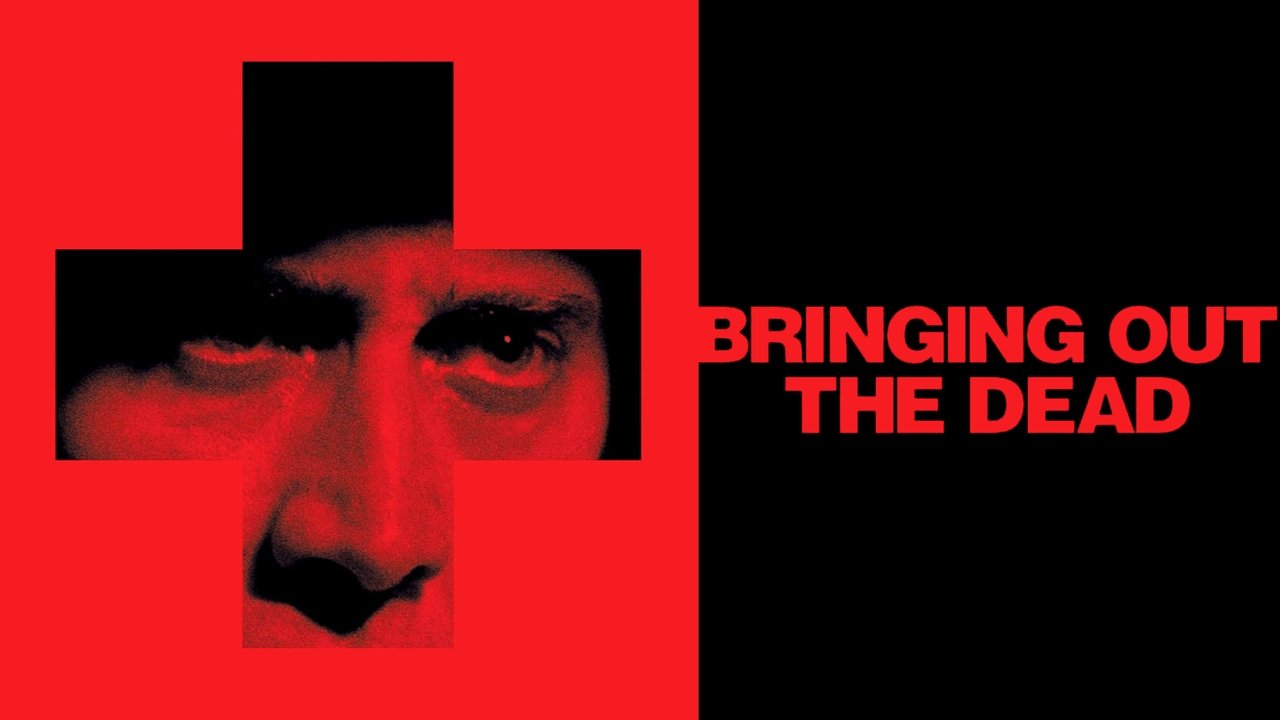
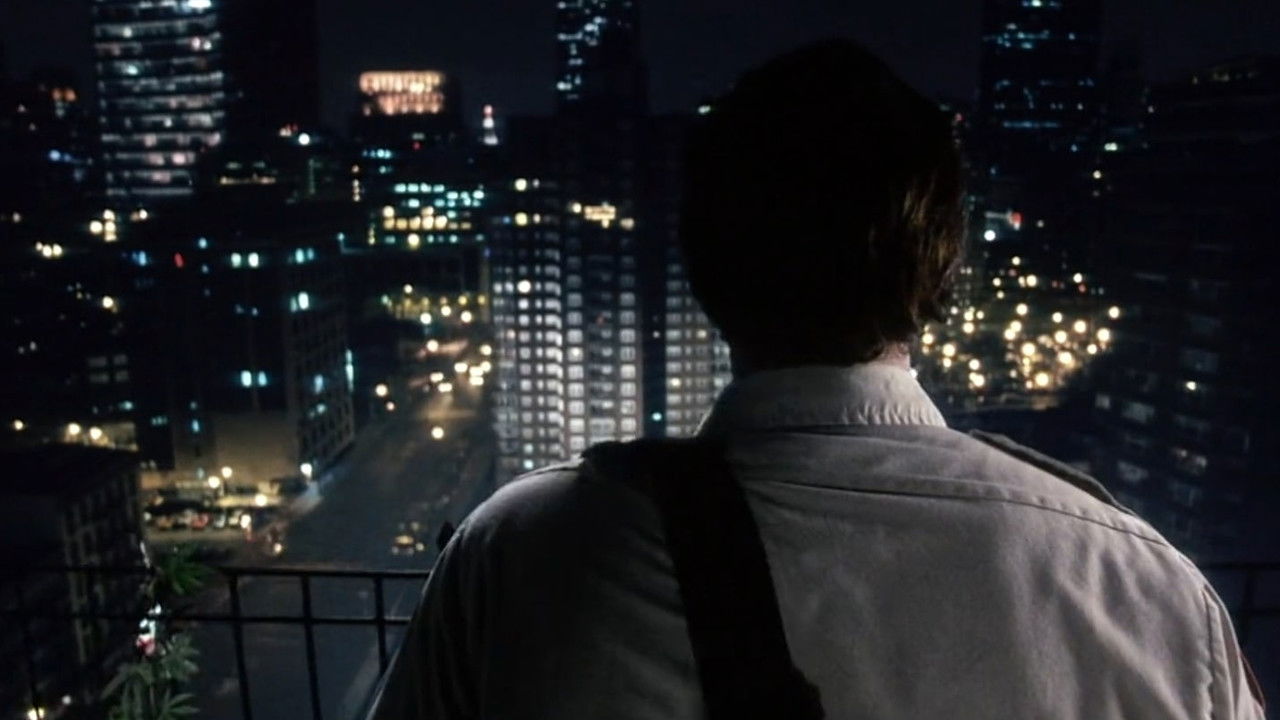
Keep Exploring...
-
The Age of Innocence
1993
-
It Could Happen to You
1994
-

Gangs of New York
2002
-
The Aviator
2004
-
The Last Temptation of Christ
1988
-
Fallen
1998
-
Cape Fear
1991
-
Matchstick Men
2003
-

The Weather Man
2005
-
Bad Lieutenant: Port of Call - New Orleans
2009
-
Strange Days
1995
-
Holes
2003
-
Hugo
2011
-

Adaptation.
2002
-
World Trade Center
2006
-
Runaway Jury
2003
-
The Color of Money
1986
-
Little Women
1994
-
Mary Shelley's Frankenstein
1994
-
Quiz Show
1994