Deep Blue Sea
"Nature's greatest predator just got an IQ boost."
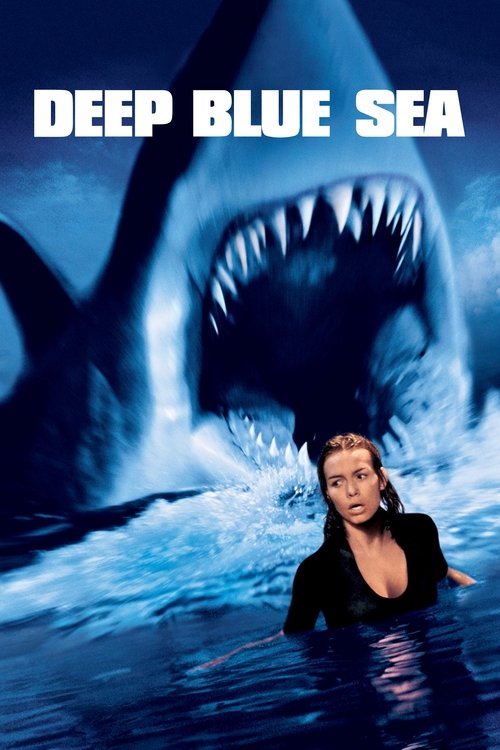
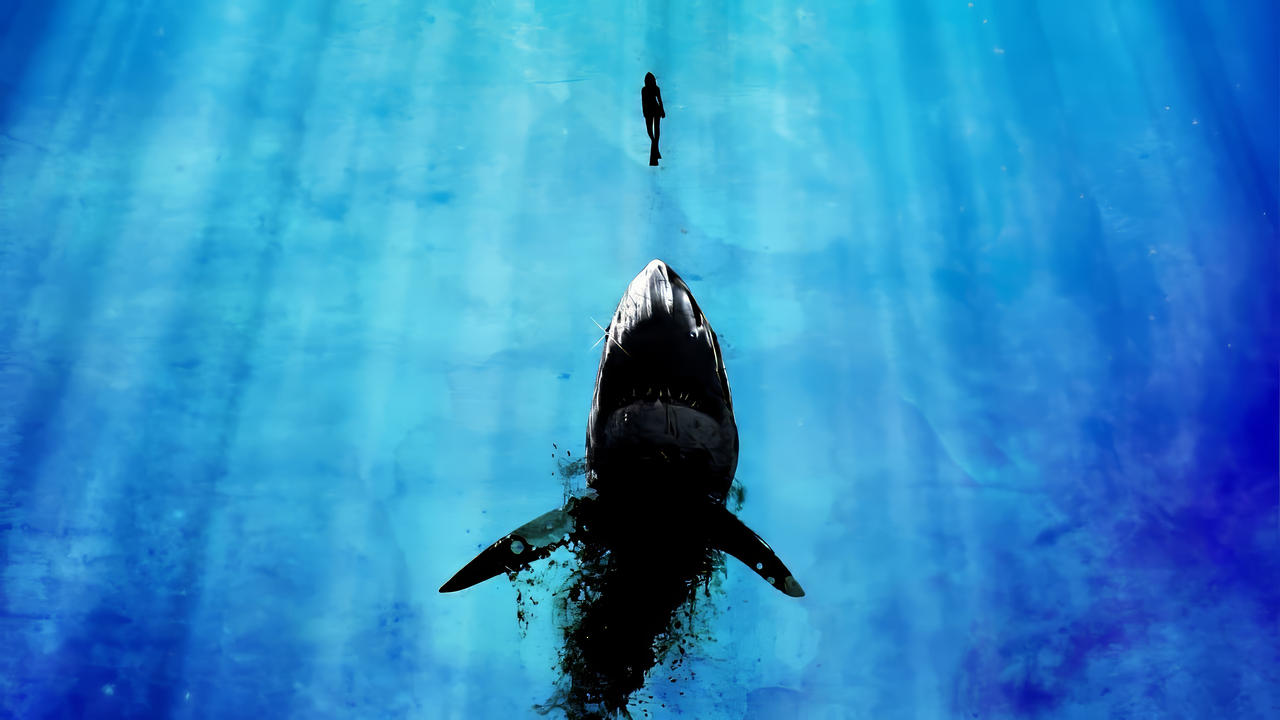
There is a specific, unadulterated joy in watching a movie that knows exactly what it is. In 1999, while the world was panicking about Y2K and obsessing over The Matrix, Renny Harlin was busy submerged in a giant tank of water, trying to figure out how to make a shark eat Samuel L. Jackson. I first saw this film on a slightly tracking-heavy VHS tape in a beach house rental, and I can confirm that hearing the floorboards creak while watching a genetically modified Mako shark hunt Michael Rapaport through a submerged lab is the ultimate way to develop a lifelong fear of the ocean.
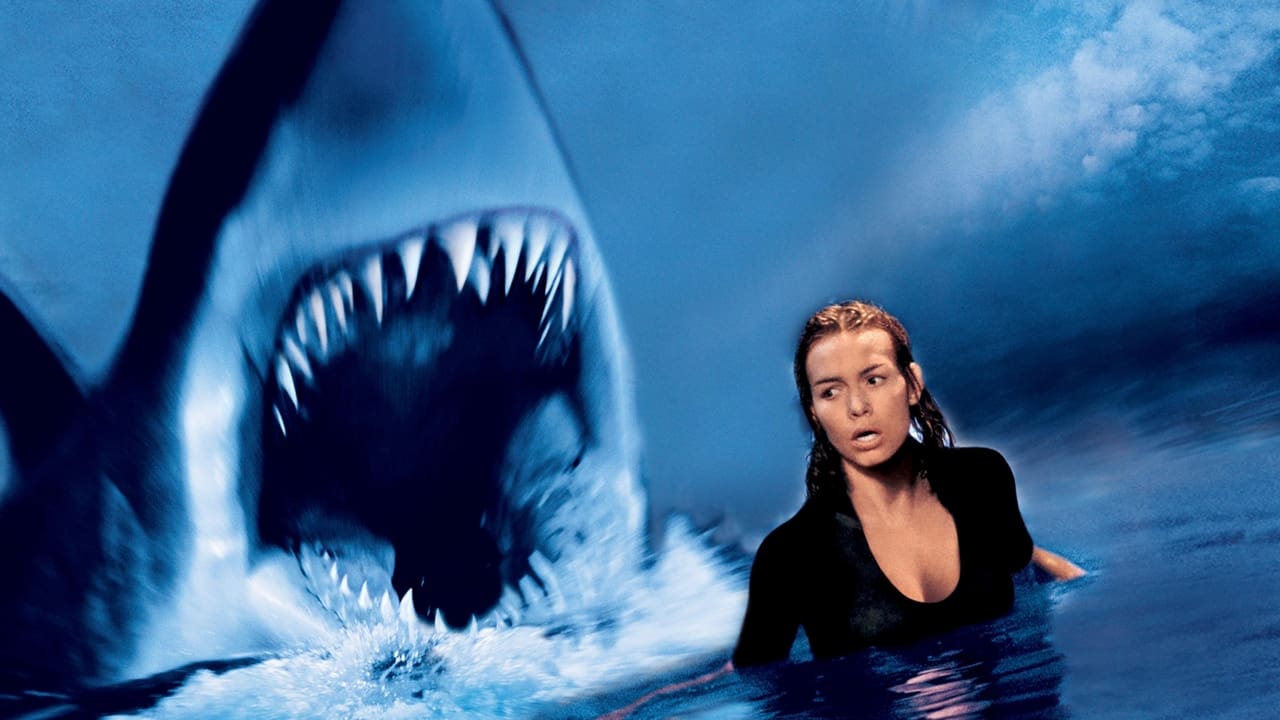
Deep Blue Sea represents a fascinating moment in cinematic history—the exact crossroads where the practical effects of the 80s met the burgeoning, sometimes over-eager CGI of the turn of the millennium. It’s an era-defining piece of "Big Dumb Fun" that manages to be smarter than it has any right to be, mostly because it understands that if you’re going to give sharks super-intelligence, you’d better be prepared to let them act like serial killers.
Science, Sharks, and Scenery-Chewing
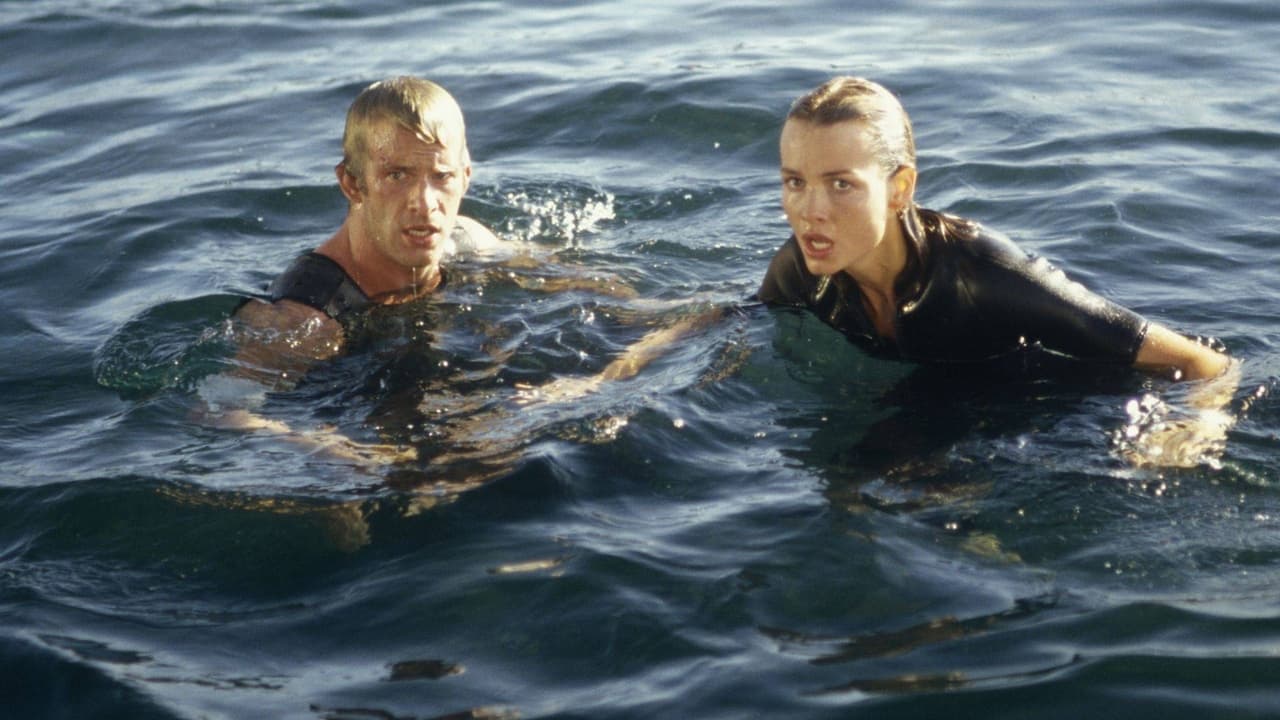
The premise is pure B-movie gold: Dr. Susan McAlester (Saffron Burrows) is trying to cure Alzheimer’s by enlarging the brains of captive sharks to harvest their protein. Naturally, making sharks smarter also makes them resentful of being kept in a glorified aquarium. Enter Thomas Jane as Carter Blake, the shark-wrangler who looks like he walked off a Marlboro ad and into a wet suit. Jane is the anchor here, delivering a performance of "competent action guy" with such sincerity that you almost forget he’s fighting a CGI predator that occasionally looks like a giant, angry, pixelated potato.
But the real MVP of the ensemble—and the source of much of the film’s cult longevity—is LL Cool J as "Preacher," the cook. Accompanied by his pet parrot, he provides a grounded, hilarious counterpoint to the high-concept sci-fi nonsense happening around him. His monologue while trapped in an oven is a masterclass in tension-breaking comedy. It’s a performance that reminded me why the late 90s were such a playground for casting; you could just throw a rap legend, a character actor like Jacqueline McKenzie, and the most famous man in Hollywood together and see who survives the first act.
The Death That Changed Everything
We have to talk about the monologue. You know the one. Samuel L. Jackson’s Russell Franklin gathers the bickering survivors for a rousing "we need to stick together" speech. It’s the kind of moment that, in any other movie, signals the turning point where the heroes find their courage. Instead, Renny Harlin pivots into one of the most shocking jump-scares in horror history.
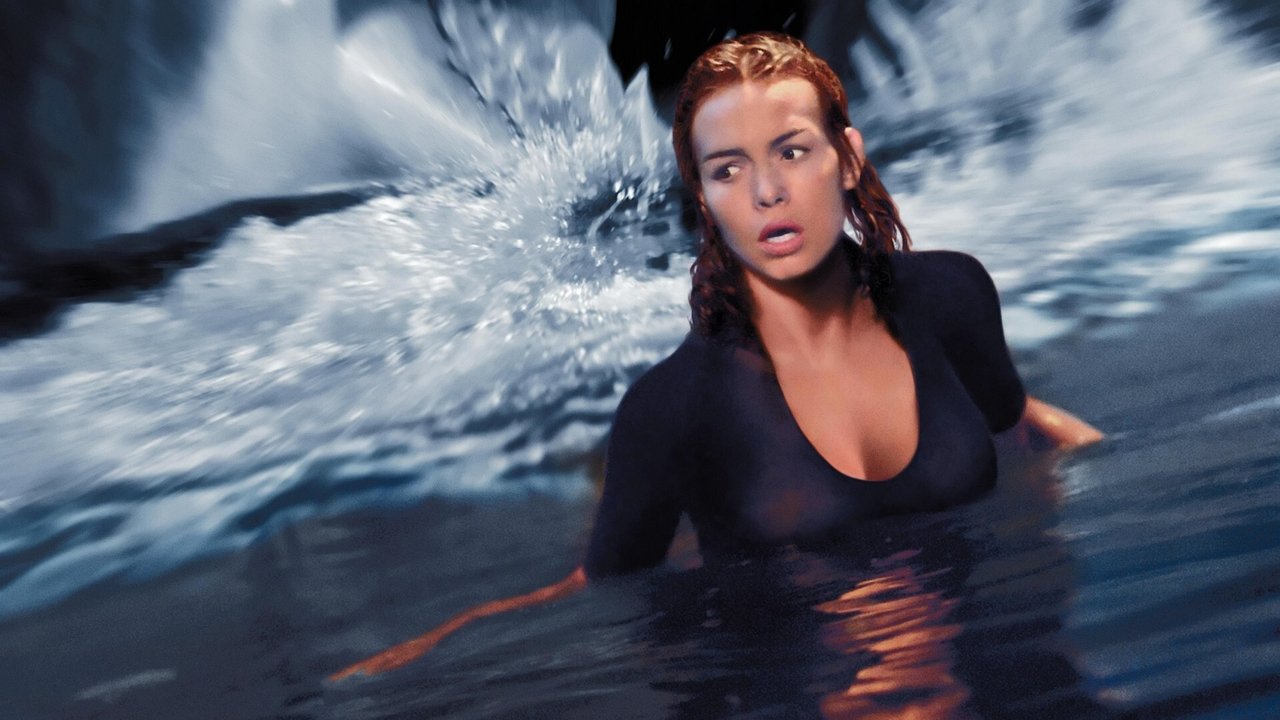
Looking back, that scene was a middle finger to the "Franchise Formation" mentality that was just starting to take hold. It told the audience: No one is safe. It’s a shock that still works today because it subverts the very foundation of how we expect star power to function. Apparently, the studio kept that death a total secret from test audiences, and the reaction was so explosive that it basically cemented the film’s status as a cult classic before the credits even rolled.
A Masterclass in High-Octane Practicality
While the CGI has aged with the grace of a milk carton left in the sun, the practical effects—the massive animatronic sharks—still look phenomenal. These were 26-foot-long behemoths that could actually "bite" through steel. There’s a weight to the movement of the sharks when they are physically in the water with the actors that modern digital effects simply haven't replicated. The production was notoriously difficult; Renny Harlin (who also gave us the wonderfully over-the-top Die Hard 2) insisted on flooding actual sets rather than using green screens.
This commitment to physical space is what makes the "undersea lab" setting so effective. As Aquatica slowly sinks, the environment becomes a character itself—a labyrinth of metallic corridors, rising water levels, and sparking wires. It’s a claustrophobic nightmare that reflects the tech-anxiety of the late 90s, where our own creations (in this case, "smart" nature) turn the tools of our progress into our tombs.
The Cult of the Reshot Ending
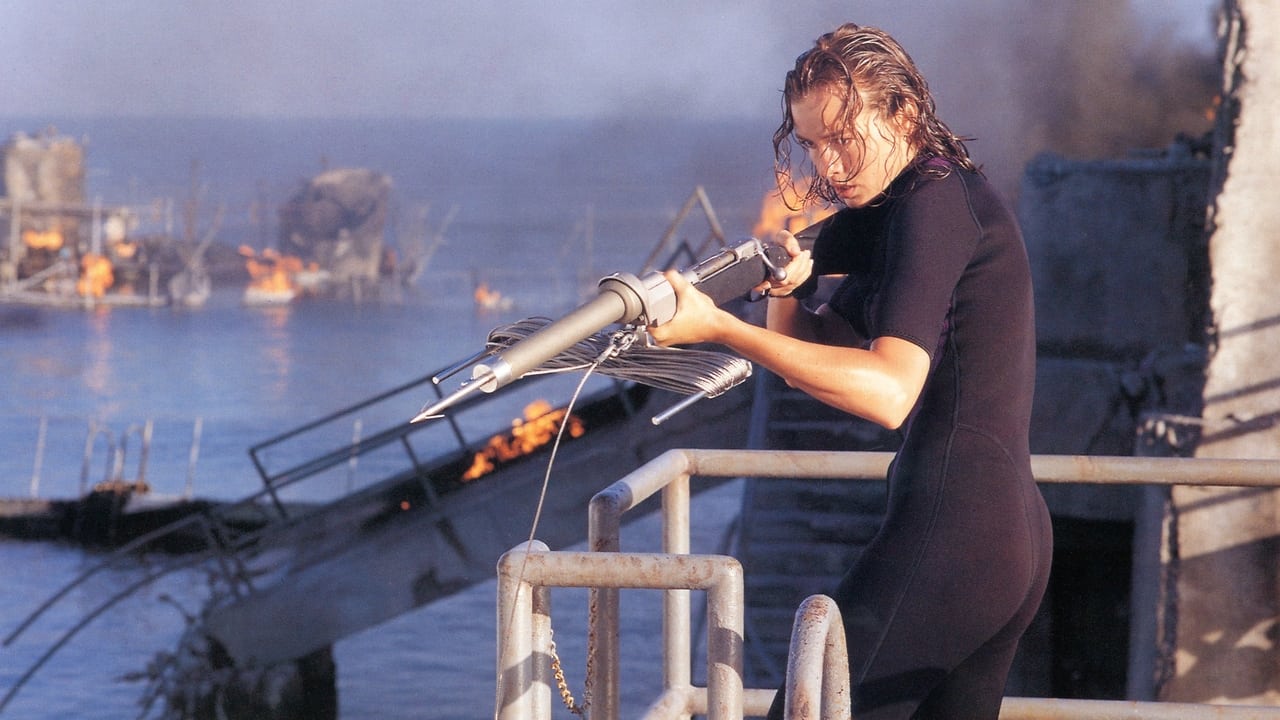
The film’s journey to its final cut is a piece of trivia gold. Originally, Saffron Burrows' character was supposed to survive. However, test audiences were so frustrated by her character’s ethical lapses (she did, after all, cause the shark apocalypse) that they practically cheered when she was eaten in a last-minute reshoot. This "audience-enforced justice" is a hallmark of how studios used test screenings in that era to shape the final narrative.
I’ve always found it funny that the film boasts a budget of $60 million—a massive sum for 1999—yet it feels like the world’s most expensive Troma movie. It’s loud, it’s bloody, and it features a theme song by LL Cool J ("Deepest Bluest") that contains the lyric "My hat is like a shark's fin," which is arguably the greatest contribution to poetry in the 20th century.
Deep Blue Sea is the quintessential popcorn flick. It’s a film that asks you to turn your brain off just enough to enjoy the ride, but keeps you engaged with genuinely inventive kills and a pacing that never lets up. It’s a reminder of a time when Hollywood wasn’t afraid to let an R-rated horror-action hybrid take a big swing at the box office. If you haven't revisited Aquatica lately, dive back in—the water's fine, but the company is a bit bitey.
Keep Exploring...
-
Alien Resurrection
1997
-
AVP: Alien vs. Predator
2004
-
Resident Evil: Apocalypse
2004
-

World War Z
2013
-
Tremors
1990
-

The Long Kiss Goodnight
1996
-
The 6th Day
2000
-
Blade: Trinity
2004
-
The Covenant
2006
-
Pandorum
2009
-
Species
1995
-
Lake Placid
1999
-

Resident Evil
2002
-
Judge Dredd
1995
-
Waterworld
1995
-
Event Horizon
1997
-
Hollow Man
2000
-
Evolution
2001
-

Blade II
2002
-
The Time Machine
2002