Deuce Bigalow: Male Gigolo
"Cleaning tanks by day, filling hearts by night."
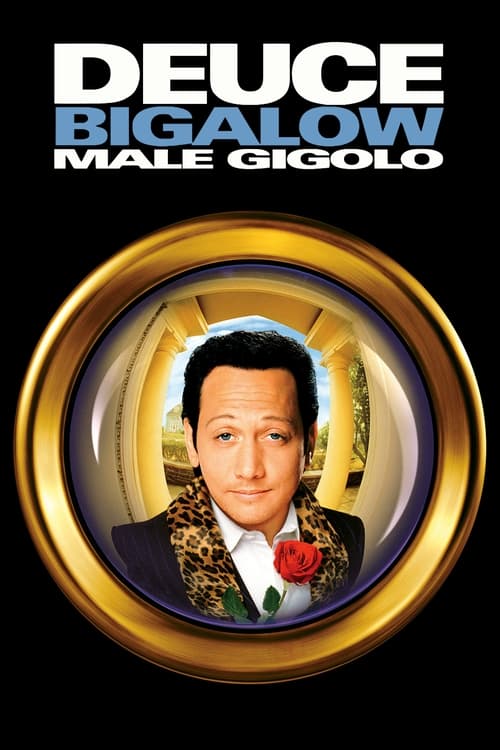
The year 1999 was a bit of a schizophrenic masterpiece for cinema. On one end of the hall, you had the existential dread of The Matrix and the suburban rot of American Beauty. On the other end, tucked away in the back of the theater with a bucket of buttery popcorn and a questionable stain on its shirt, was Rob Schneider in a pair of neon swim trunks. Looking back, Deuce Bigalow: Male Gigolo feels like the definitive punctuation mark on the 90s obsession with the "gross-out" comedy—a genre that flourished in the slipstream of the Farrelly Brothers and found its weird, fish-scented home in the Happy Madison production factory.
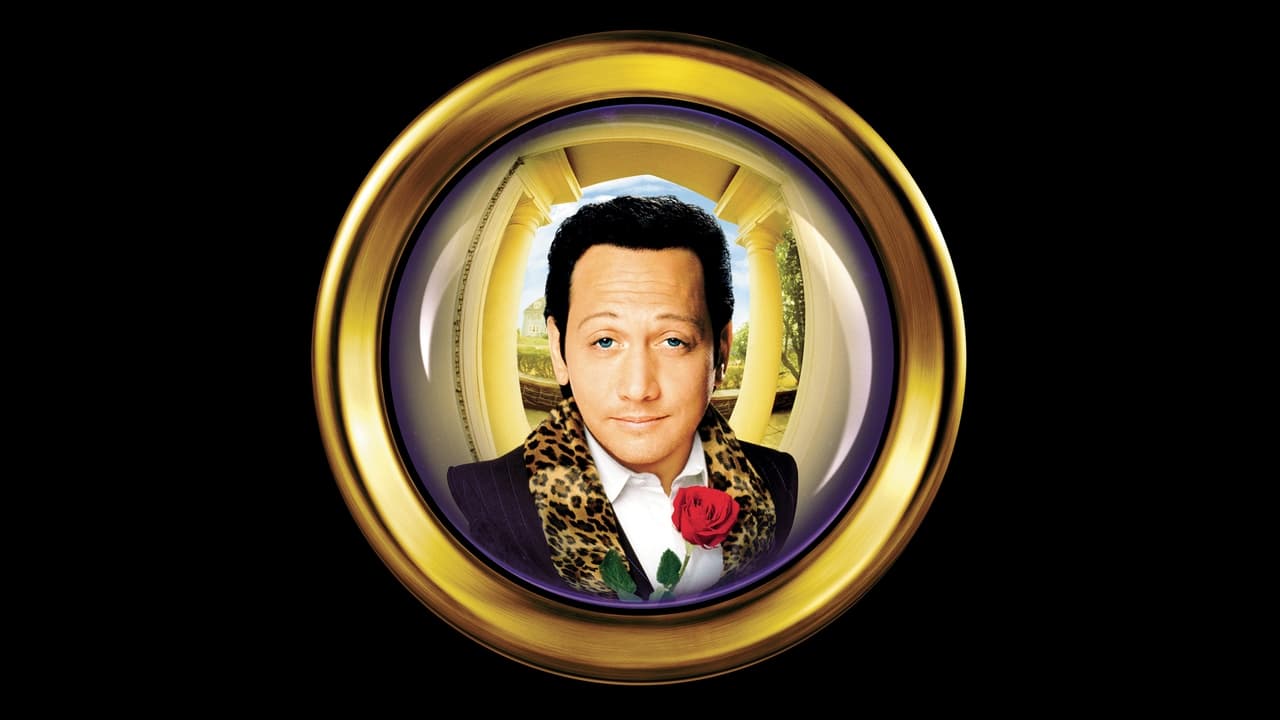
I recently re-watched this on a scratched DVD I found at a thrift store while eating a bowl of cold SpaghettiOs, and honestly, that’s probably the most "Deuce Bigalow" way to experience it. It’s a film that doesn’t demand your respect; it just wants to make you giggle at a well-timed "he-man-woman-hater" joke.
The Low-Stakes Low-Brow Renaissance
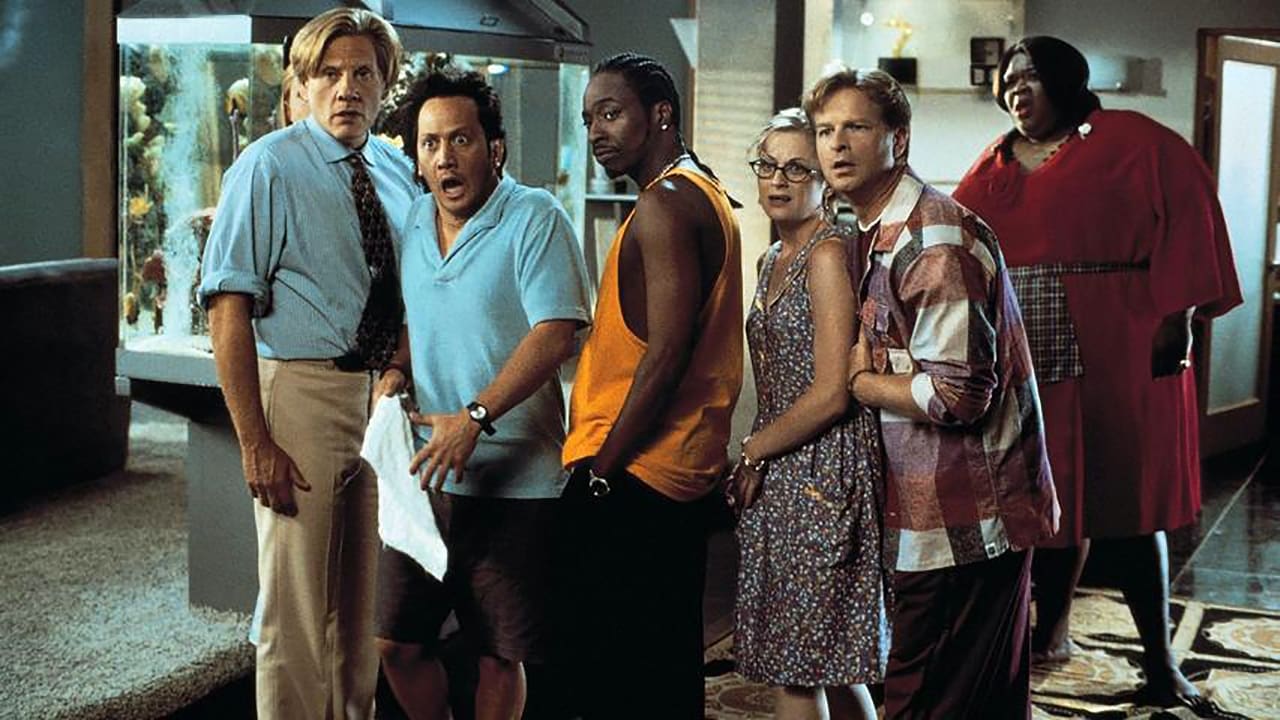
The plot is the kind of high-concept absurdity that defined the turn of the millennium. Deuce is a down-on-his-luck fish tank cleaner who accidentally wrecks the ultra-expensive apartment of a high-end gigolo, Antoine Laconte (played with hilarious, smoldering intensity by Oded Fehr). To pay for the repairs, Deuce has to step into Antoine’s designer loafers and become a "man-whore" himself.
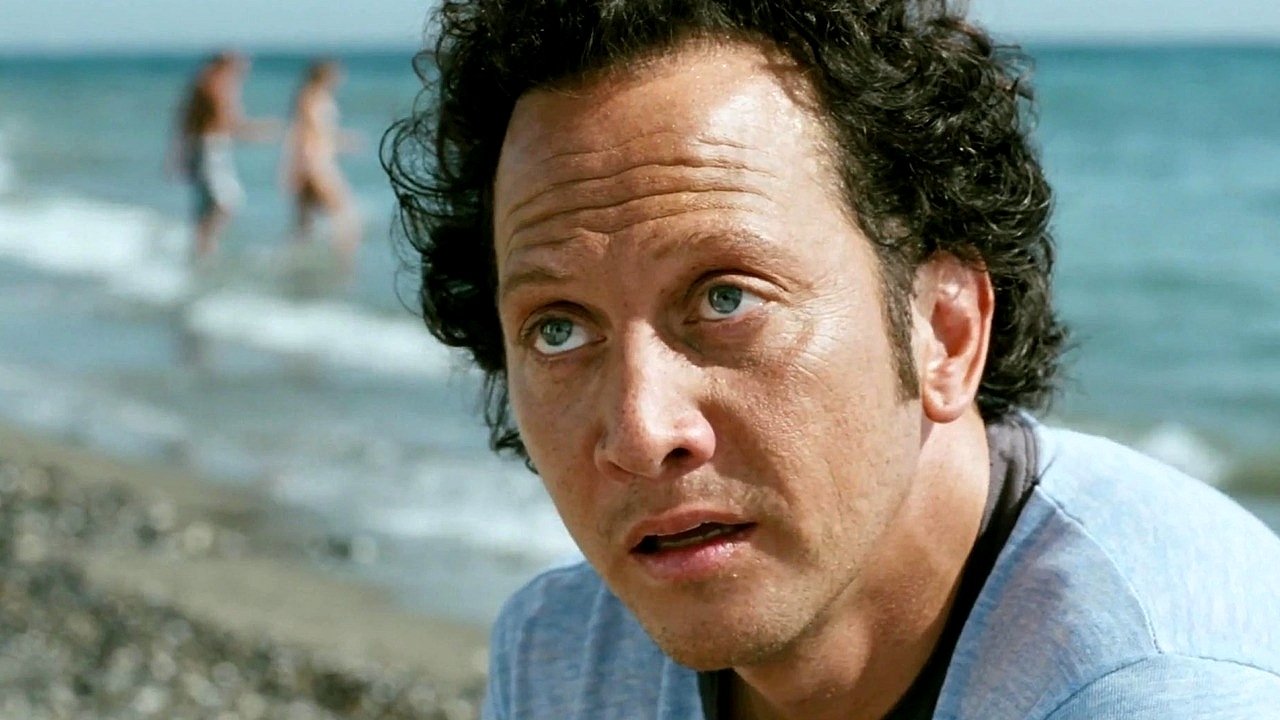
This was Rob Schneider's big moment to prove he could carry a movie outside the Saturday Night Live ecosystem, and for better or worse, he nailed the "lovable loser" archetype. While Adam Sandler was leaning into his "angry man-child" persona in films like Big Daddy, Schneider opted for something softer. Deuce isn't a jerk; he's a guy who genuinely cares about the women he’s paid to escort, even if the movie uses their physical "quirks"—like narcolepsy or being ten feet tall—as the primary engine for its gags. It’s basically a rom-com trapped in the body of a locker-room joke.
The Pimp and the Professional
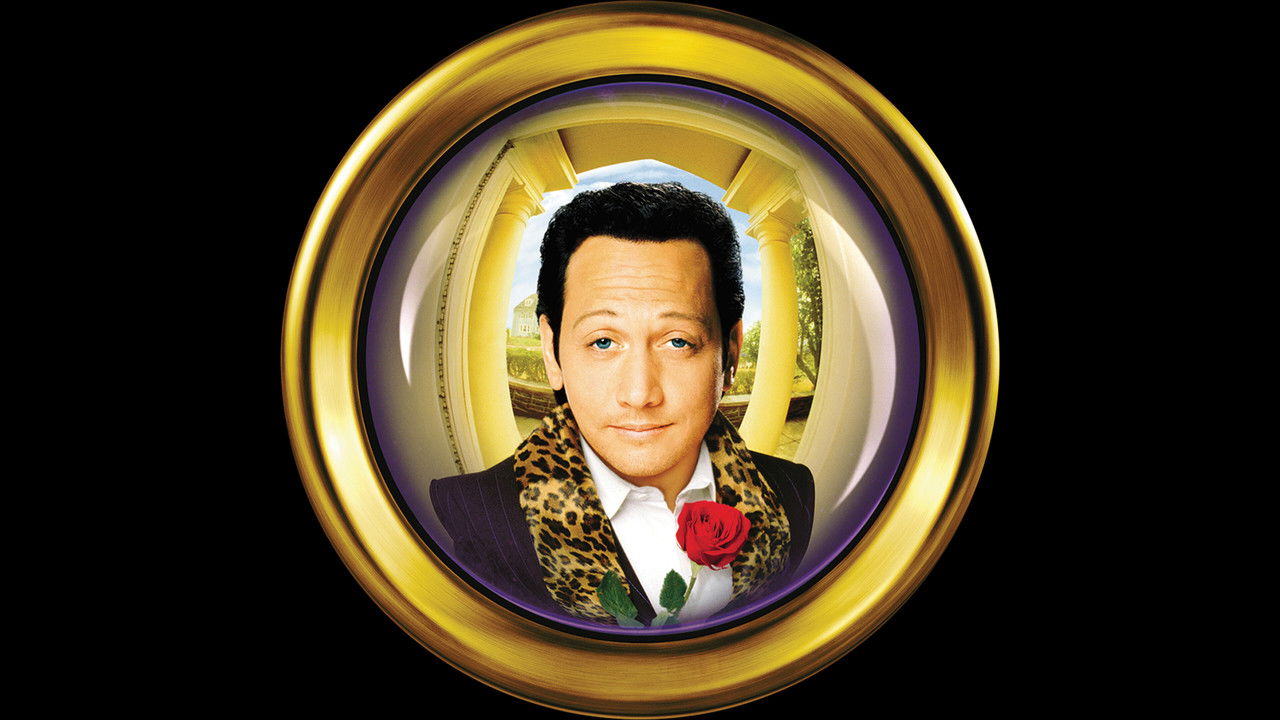
While Schneider is the face of the film, the real heavy lifting is done by the supporting cast. Eddie Griffin as Tiberius Jefferson "T.J." Hicks is a lightning bolt of energy. His "pimp-manager" routine is 100% committed, and his chemistry with Schneider provides the film’s most consistent laughs. There’s a frantic, improvisational feel to their scenes that reminds me of the best SNL sketches that actually knew when to end.
Then you have William Forsythe as Detective Chuck Fowler. Casting a guy known for playing gritty mobsters and hardened criminals in a movie about a man-whore who cleans fish tanks was a stroke of genius. He plays it completely straight, which only makes the absurdity of his obsession with Deuce’s "profession" even funnier. The film also benefits from the direction of Mike Mitchell, who would go on to do everything from Sky High to Trolls. You can see him experimenting with visual comedy here—using spatial clarity to set up physical gags involving giant prosthetic feet and sneezing fits. It’s not subtle, but it’s mechanically sound.
A Time Capsule of Crude Empathy
Watching Deuce Bigalow today is an interesting exercise in era-specific context. This was the "DVD Culture" era, where a movie's life truly began when it hit the shelves of a Blockbuster. I remember the special features on these discs—usually just a "Making Of" featurette where everyone looks like they’re having way too much fun on set. It’s a relic from a time before comedies had to be "elevated" or satirically self-aware. It’s a movie that trusts its premise entirely.
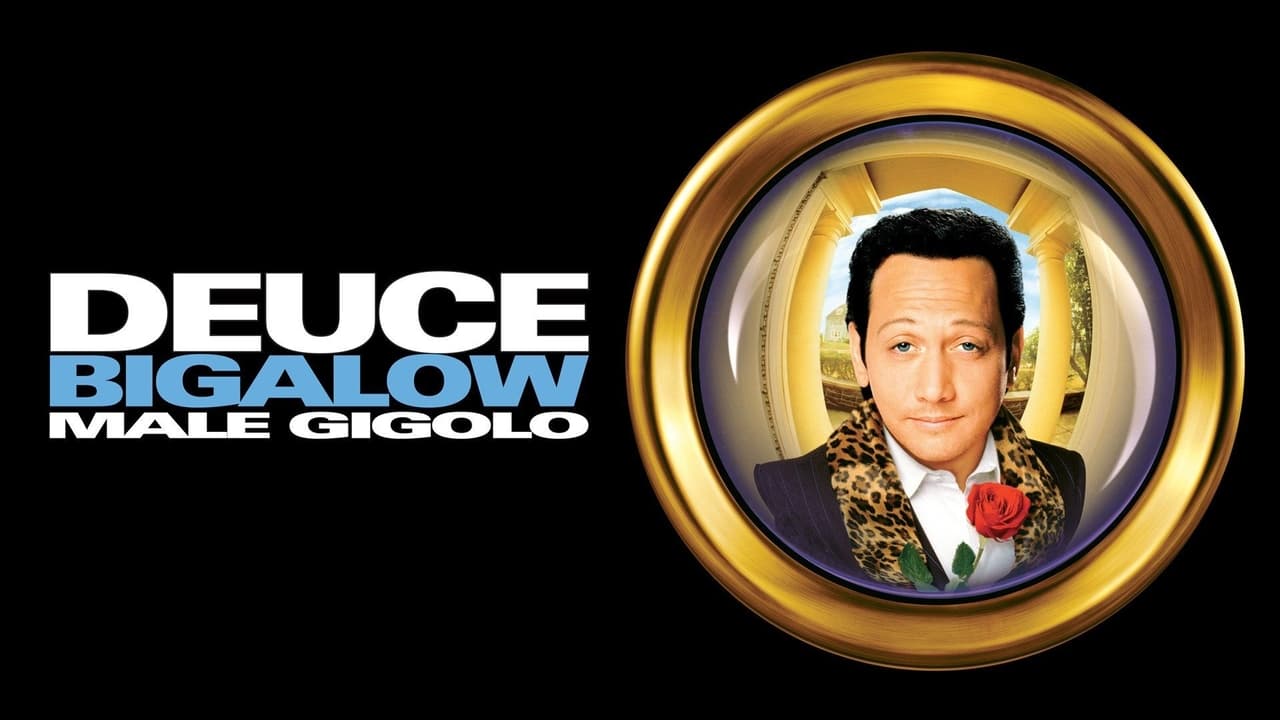
There’s a lot here that wouldn't fly in a 2024 writers' room. The way the film handles its female clients is undeniably "of its time," leaning heavily on stereotypes and physical comedy derived from disabilities or body types. However, there’s a strange, underlying sweetness that prevents it from feeling truly mean-spirited. Deuce actually falls in love with Kate (Arija Bareikis), and the film positions him as a hero not because he’s good at sex (he isn't), but because he’s a good listener. In a weird way, Deuce Bigalow is a much more empathetic character than most of the 'cool' leading men in modern rom-coms.
The CGI, used mostly for the more elaborate fish tank disasters and some of the more absurd physical gags, has aged exactly how you’d expect—poorly. But that’s part of the charm. It captures that late-90s digital transition where filmmakers were trying to figure out how to use computers to make farts funnier.
Ultimately, Deuce Bigalow: Male Gigolo is the cinematic equivalent of a greasy cheeseburger. You know it’s not good for your intellectual health, and the ingredients are probably a bit dated, but in the right mood, it hits the spot perfectly. It’s a fascinating look at the early days of the Happy Madison era, before the formula became too cynical. If you can stomach the gross-out humor, there’s a surprisingly big heart beating under all those fish-tank jokes.
Does it hold up as a masterpiece? Absolutely not. But as a 5-minute distraction while you're waiting for your life to start, or a 88-minute nostalgia trip back to a time when "man-whore" was the height of wit, it’s a total success. It’s a movie that knows exactly what it is: a silly, slightly gross, and occasionally sweet relic of a very specific moment in comedy history.
Keep Exploring...
-
Six Days Seven Nights
1998
-
It Could Happen to You
1994
-
It Takes Two
1995
-

Mallrats
1995
-
A Night at the Roxbury
1998
-
Blast from the Past
1999
-
Never Been Kissed
1999
-

Heartbreakers
2001
-
Kate & Leopold
2001
-

The Wedding Planner
2001
-
National Lampoon's Van Wilder
2002
-
S1m0ne
2002
-

The Sweetest Thing
2002
-
Legally Blonde 2: Red, White & Blonde
2003
-

Under the Tuscan Sun
2003
-

What a Girl Wants
2003
-
First Daughter
2004
-
Jersey Girl
2004
-
The Hot Chick
2002
-

The Little Rascals
1994