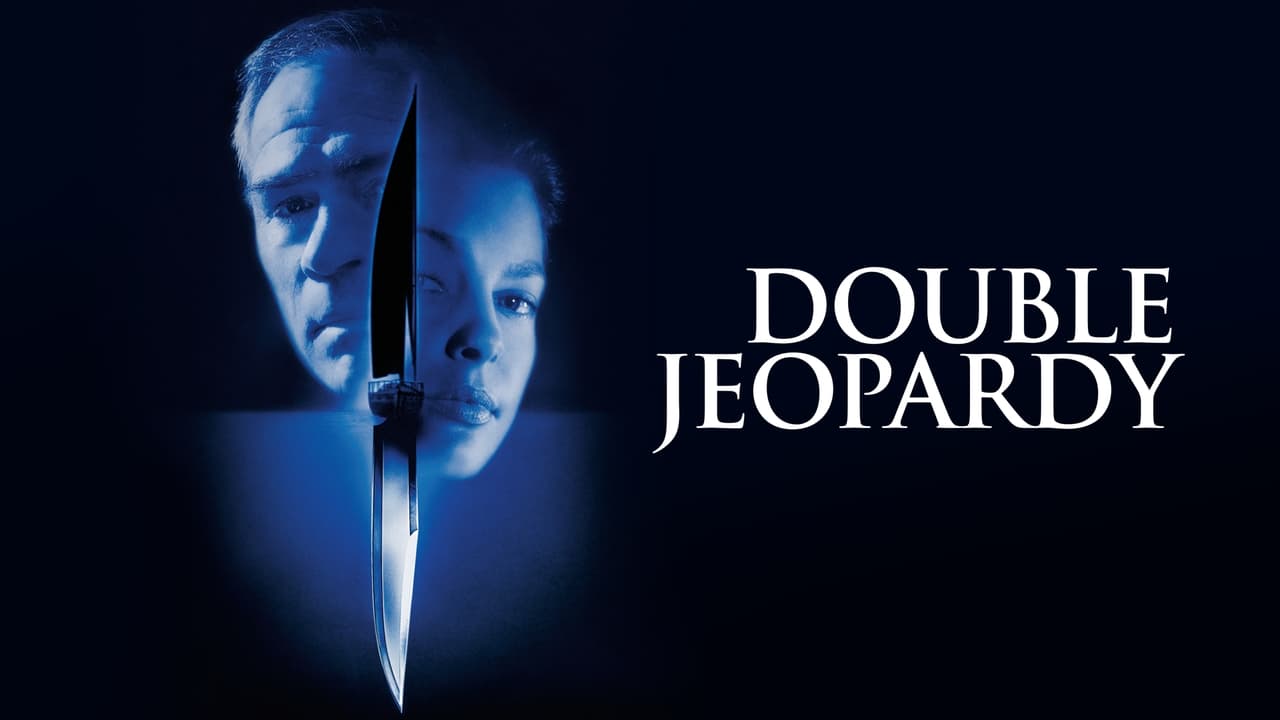
Double Jeopardy
"Pay the price, then commit the crime."
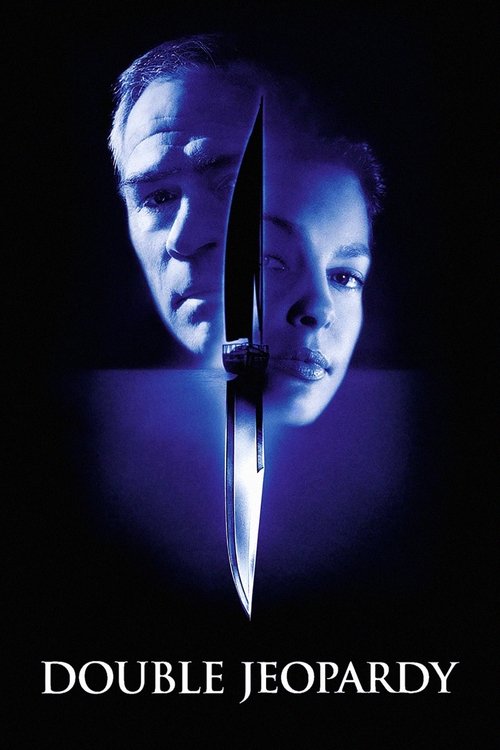
I remember sitting in my high school cafeteria in the late nineties, listening to a guy named Mike explain—with absolute, unearned confidence—that if you were ever framed for a murder, you could legally walk into the town square and shoot that person in broad daylight once you got out of prison. He’d seen the trailer for Double Jeopardy, and like half of America in 1999, he was convinced the U.S. Constitution worked like a "Get Out of Jail Free" card in Monopoly. It doesn’t, obviously. If you kill someone after being wrongly convicted of their murder, you just get a fresh set of charges for a brand-new crime. But as a premise for a sleek, late-era-analog thriller? It is absolute gold.
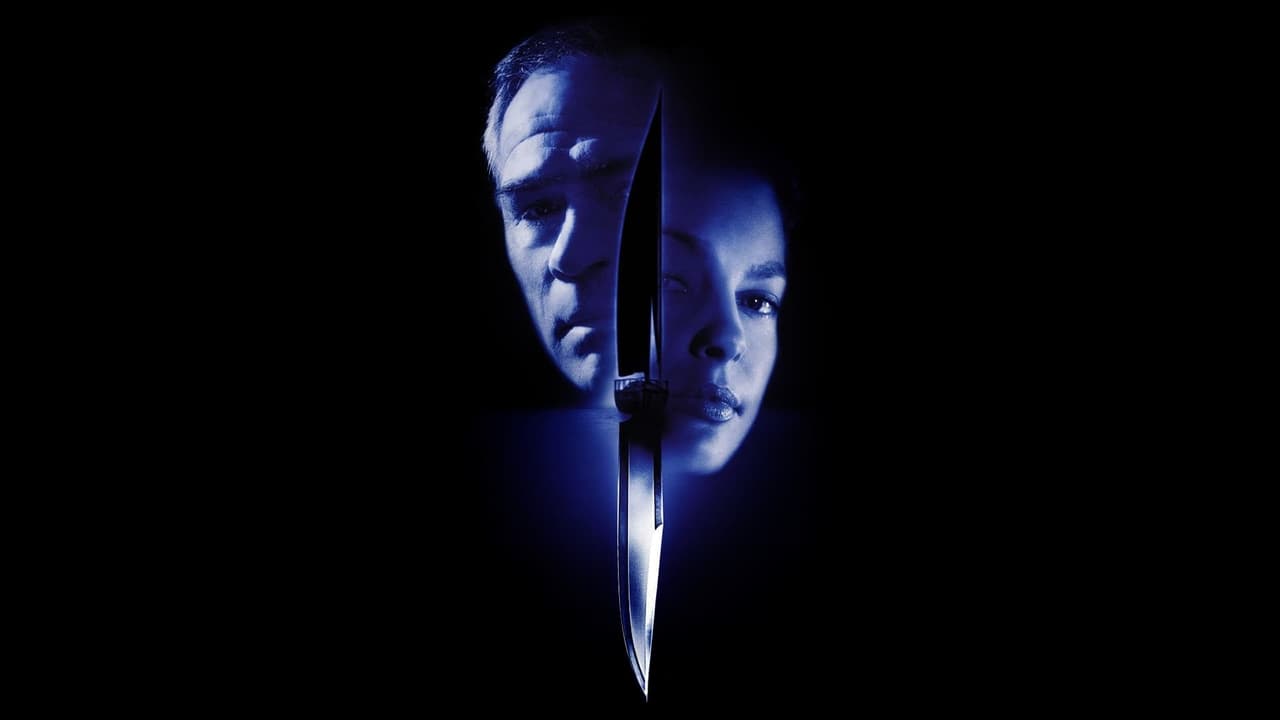
The Legal Myth and the 90s Vibe
Double Jeopardy is a fascinating artifact from that specific window of time when thrillers were mid-budget, star-driven, and obsessed with a very specific kind of domestic betrayal. It’s the kind of movie that feels like it was born to live on a rotating rack at a Blockbuster Video. I recently re-watched this on a scratched DVD while eating a lukewarm bowl of leftover chili, and the skips in the disc actually added a weirdly effective tension to the funeral scene. It’s a "rainy Sunday afternoon" movie—a film that doesn't demand your total intellectual surrender but rewards you with a very satisfying, if logically porous, revenge arc.
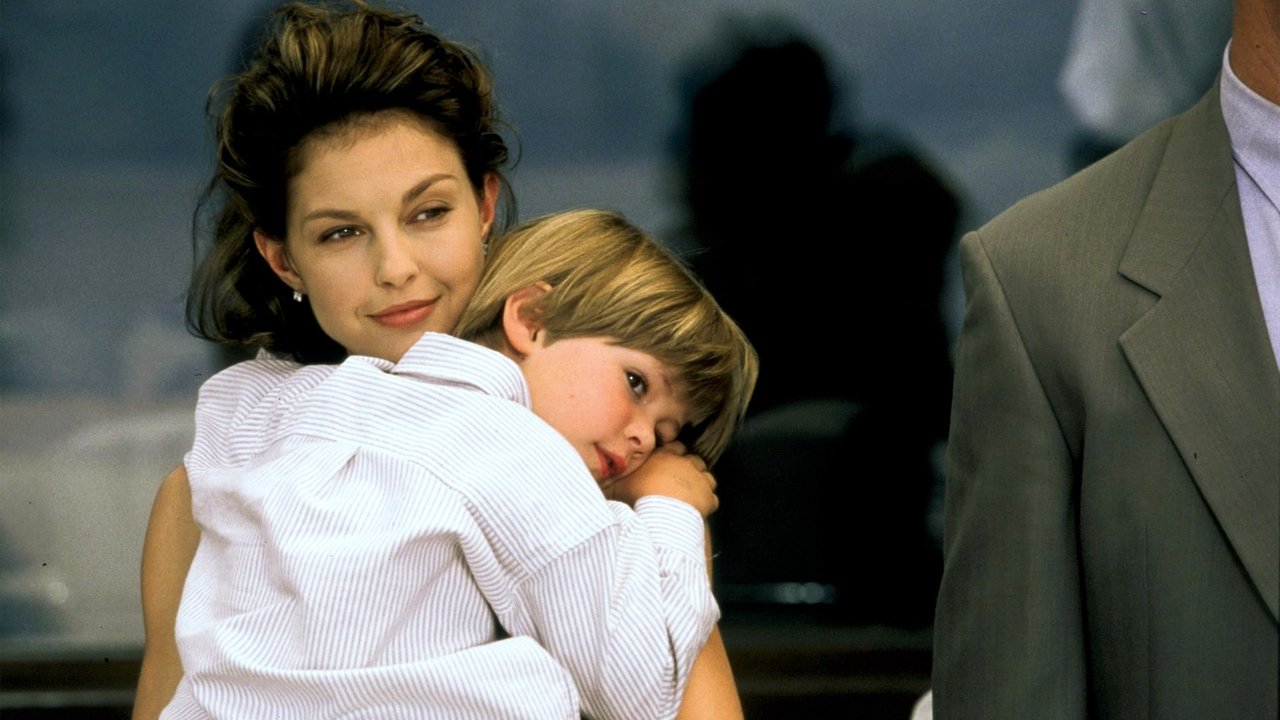
The film stars Ashley Judd as Libby Parsons, a woman who seemingly has it all—the handsome husband, the cute kid, and a yacht. Then, during a romantic sailing trip, she wakes up covered in blood, a knife on the deck, and her husband Bruce Greenwood nowhere to be found. Naturally, she’s convicted. While in the slammer, she discovers the hard way that her husband, Nick, isn't actually dead; he faked it all to claim the insurance money and start a new life with Libby’s "best friend." A fellow inmate, who happens to be an ex-lawyer because every prison movie needs a convenient source of exposition, tells her about the Fifth Amendment loophole. From that moment, Libby transforms.
The Judd-Jones Dynamic

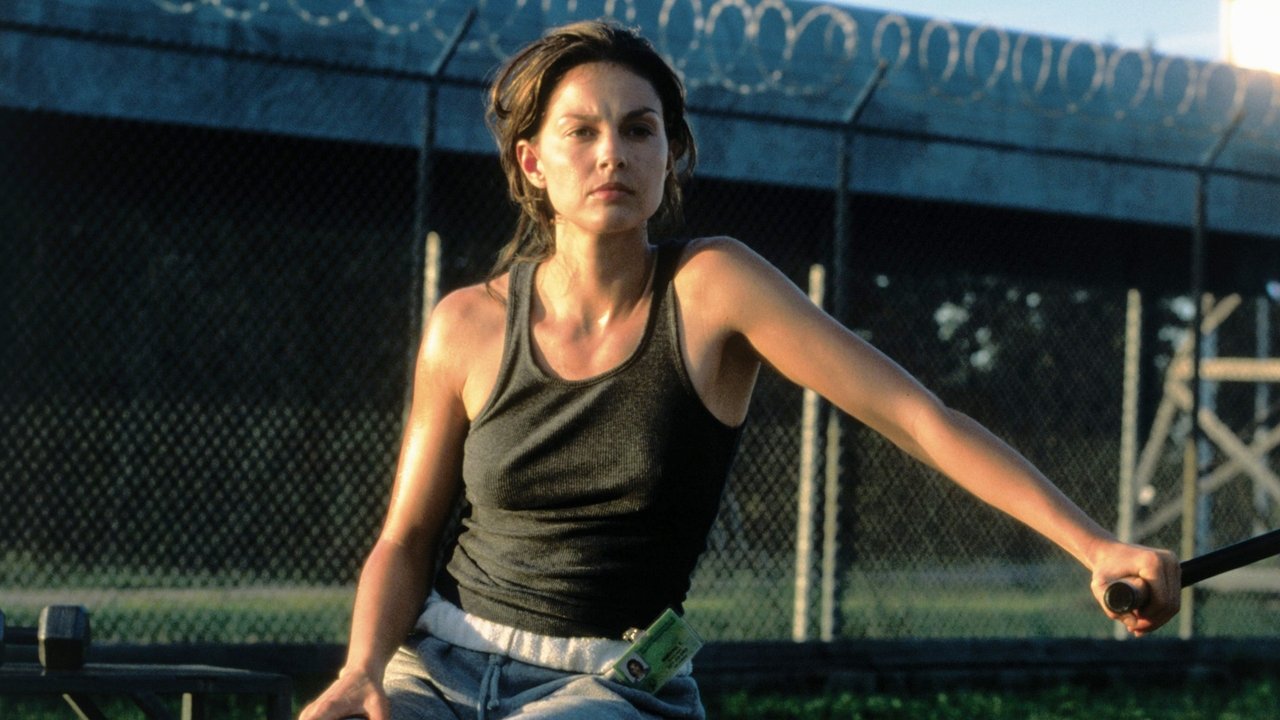
Ashley Judd was the undisputed queen of this genre for a few years. Between this, Kiss the Girls (1997), and High Crimes (2002), she perfected the "wronged woman who discovers she’s actually a total badass" archetype. Her transition from the soft, socialite Libby to the iron-willed fugitive is the movie’s engine. There’s a workout montage in the prison yard that feels legally mandated by the 1990s filmmaking handbook, but Judd sells it. She has this grounded, accessible intelligence that makes you root for her even when she’s doing something objectively insane, like smashing a stolen car through a glass showroom window just to make a point.
Then there’s Tommy Lee Jones. At this point in his career, he had basically perfected the "grumpy lawman with a tragic back story" role he won an Oscar for in The Fugitive (1993). As Travis Lehman, Libby’s parole officer, he isn't exactly breaking new ground, but he is incredibly fun to watch. He brings a much-needed weight to the film. While the plot is sprinting toward a logic-defying climax, Jones is there to look tired, drink coffee, and remind us that he’s too old for this. His chemistry with Judd is less about romance and more about two weary professionals trying to outmaneuver each other.
Why It Vanished (And Why to Revisit It)
Despite being a massive box office hit—raking in over $177 million—Double Jeopardy has largely evaporated from the cultural conversation. It’s a victim of its own efficiency. It was a "perfect" studio product: well-paced, handsomely shot by Peter James, and directed with professional restraint by Bruce Beresford (Driving Miss Daisy). But because it doesn’t have the flashy CGI of The Matrix or the transgressive edge of Fight Club (both released the same year), it got categorized as "disposable."
Looking back, what works is the lack of digital clutter. The tension comes from phone calls, physical clues, and a very creepy sequence involving a New Orleans cemetery. It captures that pre-smartphone era where you could actually disappear, and finding someone required more than just a quick Instagram search. It also features Bruce Greenwood doing what he does best: playing a character so smugly punchable that you completely forgive the movie for its legal inaccuracies. The law is fundamentally not a video game cheat code, but in the hands of this cast, you’re more than willing to pretend it is for 105 minutes.
If you can ignore the fact that the central legal premise is total nonsense, Double Jeopardy is a tightly wound, highly professional thriller that showcases Ashley Judd at the height of her powers. It’s a relic of a time when Hollywood knew how to make a solid B-movie with an A-list budget. It’s not a masterpiece, but it’s a masterclass in popcorn entertainment that knows exactly what it is. Toss it on the next time the weather turns gray; you won't regret it, even if you don't learn anything useful about the Constitution.
Keep Exploring...
-
The Client
1994
-
Kiss the Girls
1997
-
Conspiracy Theory
1997
-
What Lies Beneath
2000
-
Basic
2003
-

The Manchurian Candidate
2004
-
Courage Under Fire
1996
-
Breakdown
1997
-
Wild Things
1998
-
Arlington Road
1999
-

The Gift
2000
-
Gosford Park
2001
-
Joy Ride
2001
-
Original Sin
2001
-
The Pledge
2001
-
The Score
2001
-
K-19: The Widowmaker
2002
-
The Forgotten
2004
-
Stay
2005
-
Edge of Darkness
2010