End of Days
"God's work is done. Now it's Arnold's turn."
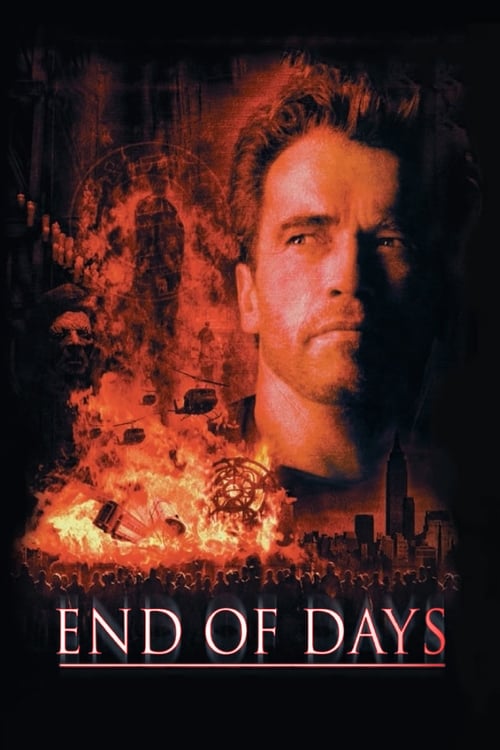
I distinctly remember watching End of Days for the first time on a humid Tuesday evening in a dorm room that smelled perpetually of over-microwaved popcorn and damp laundry. I had just found the DVD in a "3 for $10" bin at a gas station, and honestly, that’s exactly how this movie should be discovered. It’s a gritty, soot-covered artifact of a very specific cultural moment: that fever-dream window in 1999 when we were all halfway convinced the world was going to restart like a buggy Windows 95 PC.
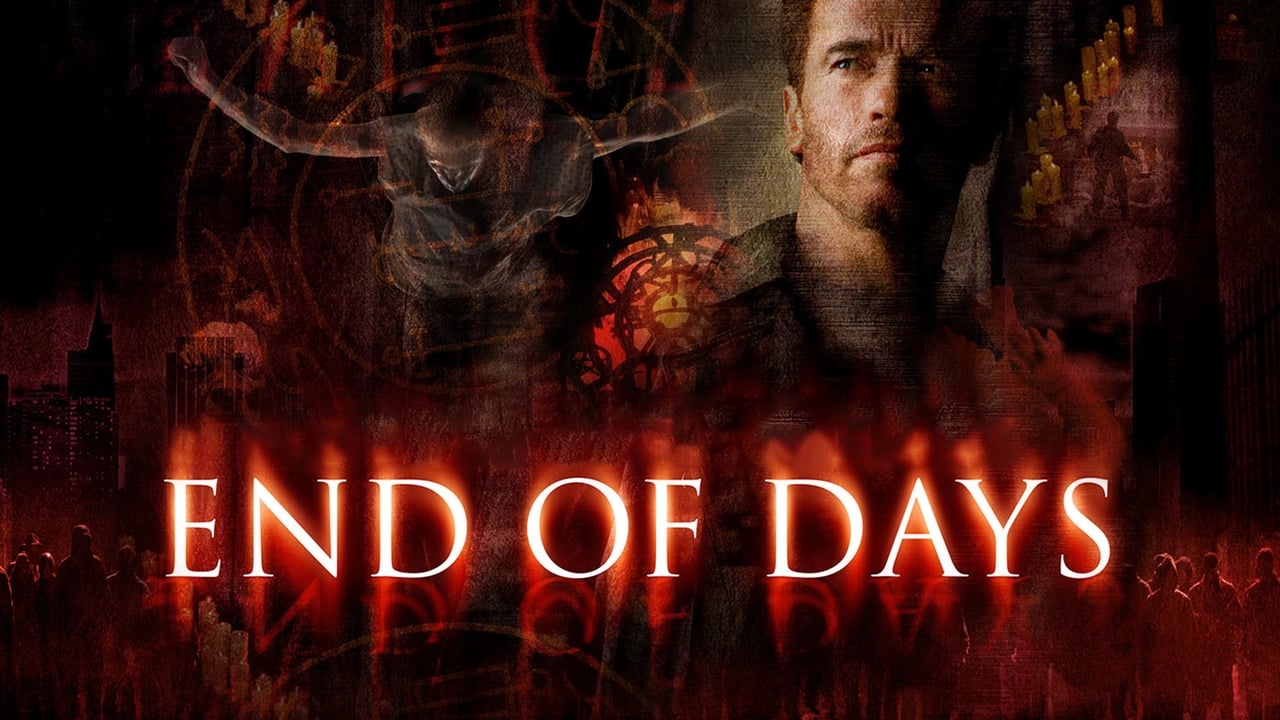
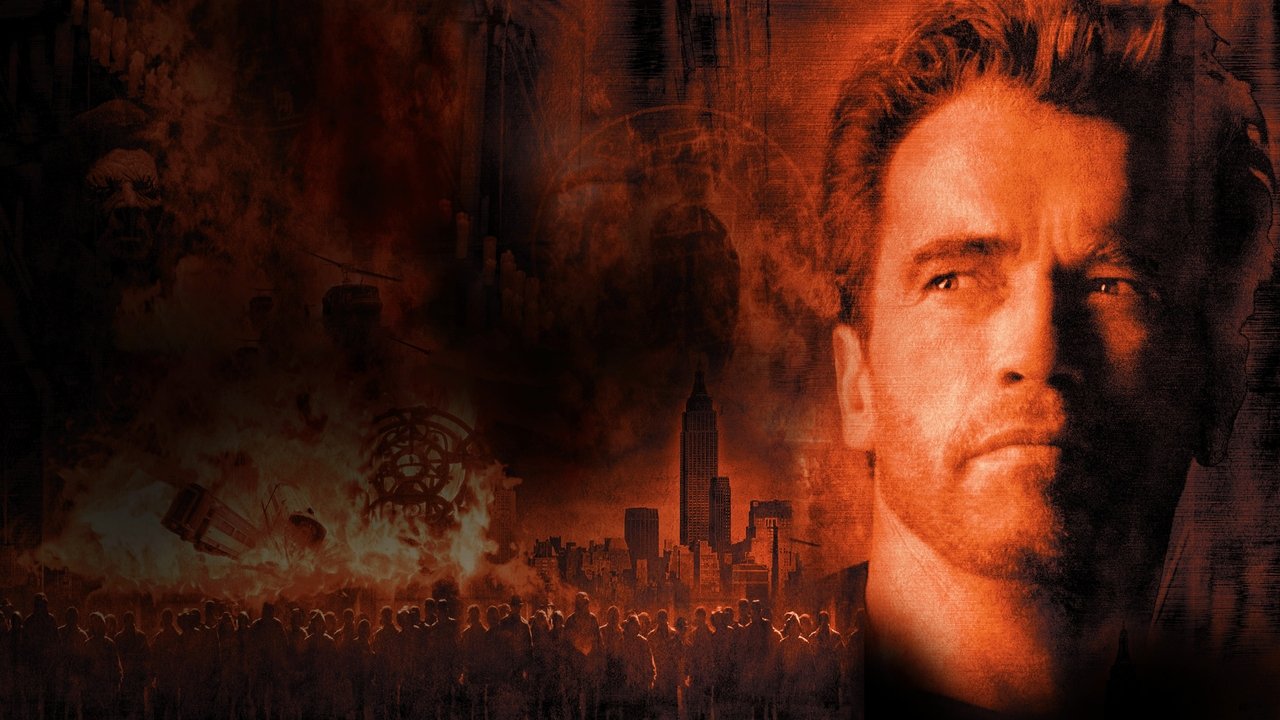
By 1999, Arnold Schwarzenegger was in a strange spot. He was returning from a hiatus caused by heart surgery, and his last outing—the neon-soaked disaster of Batman & Robin—had left his "Invincible Action Hero" crown looking a bit tarnished. End of Days was his attempt to pivot into something darker, more grounded, and dare I say, "acty." He trades the one-liners for a bottle of booze and a handful of antidepressants, playing Jericho Cane, a suicidal ex-cop turned private security guard who has to protect a young woman from becoming the mother of the Antichrist.
Jericho’s Breakfast and the Death of the Invincible Hero
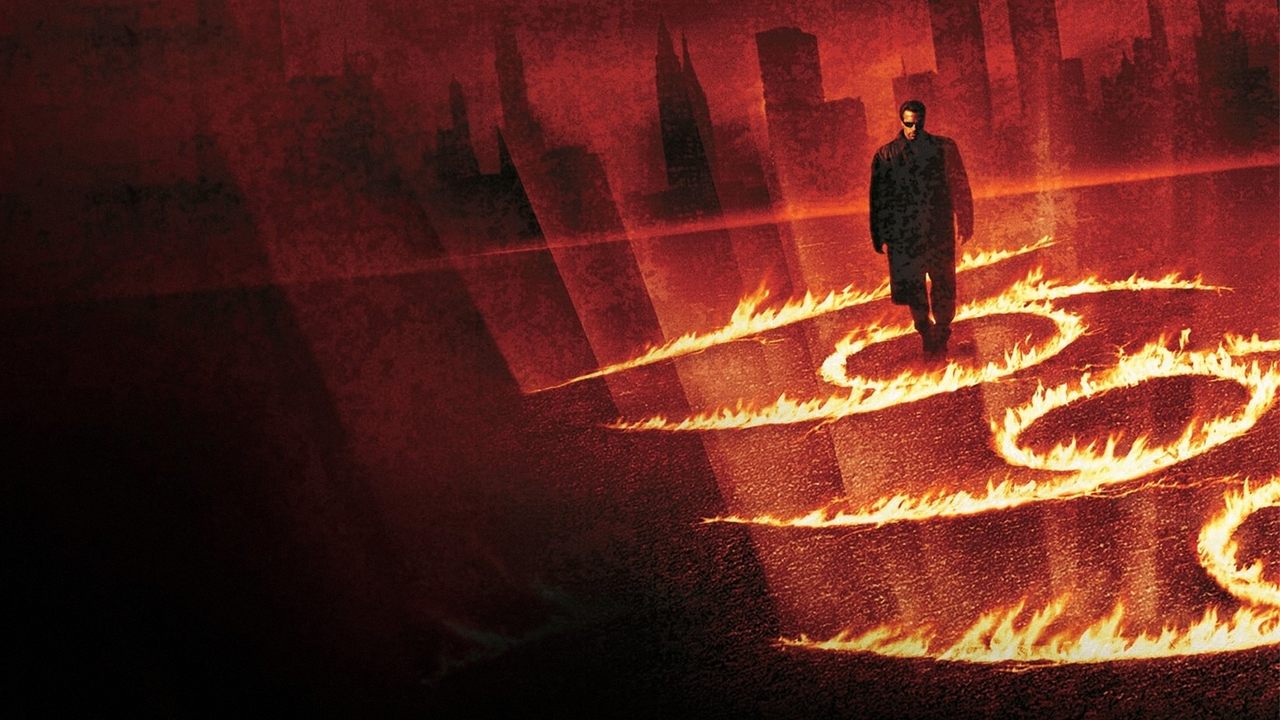
The most striking thing about revisiting this film is just how miserable Arnold is allowed to be. In the opening act, we see him wake up in a filthy apartment, contemplate blowing his brains out with his service pistol, and then blend a "breakfast smoothie" consisting of leftover pizza, beer, and God knows what else. It’s basically a Max Payne character born five years too early. Watching the most confident man of the 80s look this pathetic is genuinely fascinating.
Arnold Schwarzenegger actually puts in the work here. He’s clunky, sure, but there’s a vulnerability in his performance that we hadn't seen before. He’s not fighting a Predator or a liquid-metal robot; he’s fighting a theological crisis and a crushing sense of grief. It’s a heavy lift for a guy whose primary acting tool for twenty years was his triceps. He’s backed up by Kevin Pollak, who plays his partner, Bobby Chicago. Pollak does what he does best: providing a cynical, fast-talking foil to Arnold’s brooding silence. Their chemistry is one of the few things that keeps the movie from sinking under its own self-seriousness.
Satan in a Three-Piece Suit
The real MVP, however, is Gabriel Byrne as "The Man" (Satan). Most cinematic portrayals of the Devil go for campy or operatic, but Byrne plays him as a bored, high-powered executive with a mean streak. He stalks through the rain-slicked streets of New York with an effortless, predatory grace. Whether he’s casually exploding a restaurant or possessing a businessman in a public restroom, Byrne makes being evil look like a very stylish chore.
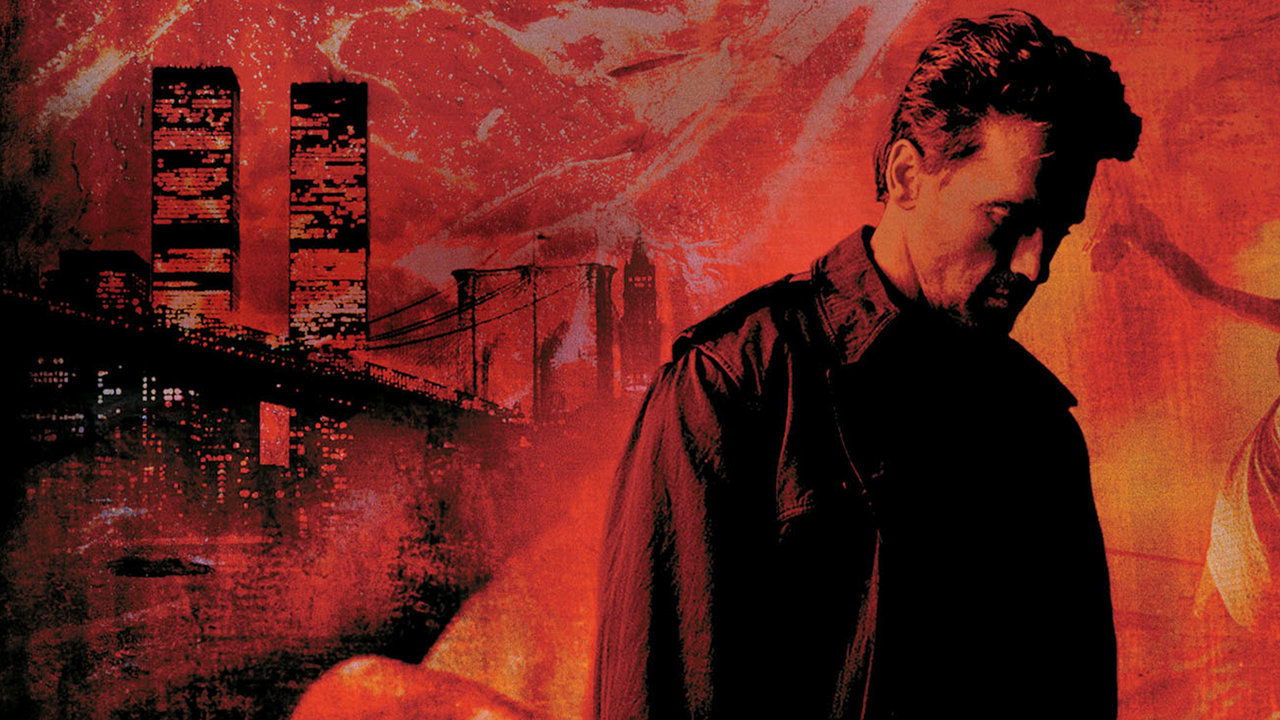
Director Peter Hyams, who also served as his own cinematographer, gives the film a suffocating, light-starved look. Hyams is famous for refusing to use artificial lighting when a single candle or a flickering streetlamp will do, and End of Days is his magnum opus of "I can't see anything." It works for the horror elements, though. The film leans into the "Millennium Anxiety" of the era, filling the screen with gargoyles, shadowy cathedrals, and a sense of encroaching doom.
The horror mechanics here are a weird blend of old-school practical gore and early digital effects. There’s a scene involving Derrick O’Connor as a tongue-less priest that still makes me squirm, and the practical explosions—especially a massive subway sequence—remind you of what was lost when Hollywood moved entirely to green screens. However, the CGI Satan that appears in the climax looks like a PlayStation 1 cinematic had a fever dream. It’s a jarring reminder that 1999 was a transitional year where digital ambition often outpaced digital capability.
The Y2K Time Capsule
Why has End of Days fallen into the "forgotten curiosities" bucket? I think it’s because it’s a movie without a clear home. It’s too bleak and scary for the traditional Arnold fan who wants True Lies thrills, but it’s too much of an "action movie" for the prestige horror crowd. It exists in that "Satanic Panic" subgenre that briefly flared up at the end of the century alongside Stigmata and Lost Souls.
Looking back, the film captures the pre-9/11 anxiety of the late 90s perfectly. It’s a world that feels used up and waiting for a reset button. Robin Tunney, playing the "bride" Christine York, nails that specific 90s alt-girl vibe—pale, wide-eyed, and perpetually wearing a leather jacket. She doesn't have much to do other than be the MacGuffin, but she anchors the stakes. CCH Pounder also shows up as a detective who suspects Jericho is losing his mind, adding some much-needed gravitas to the procedural elements.
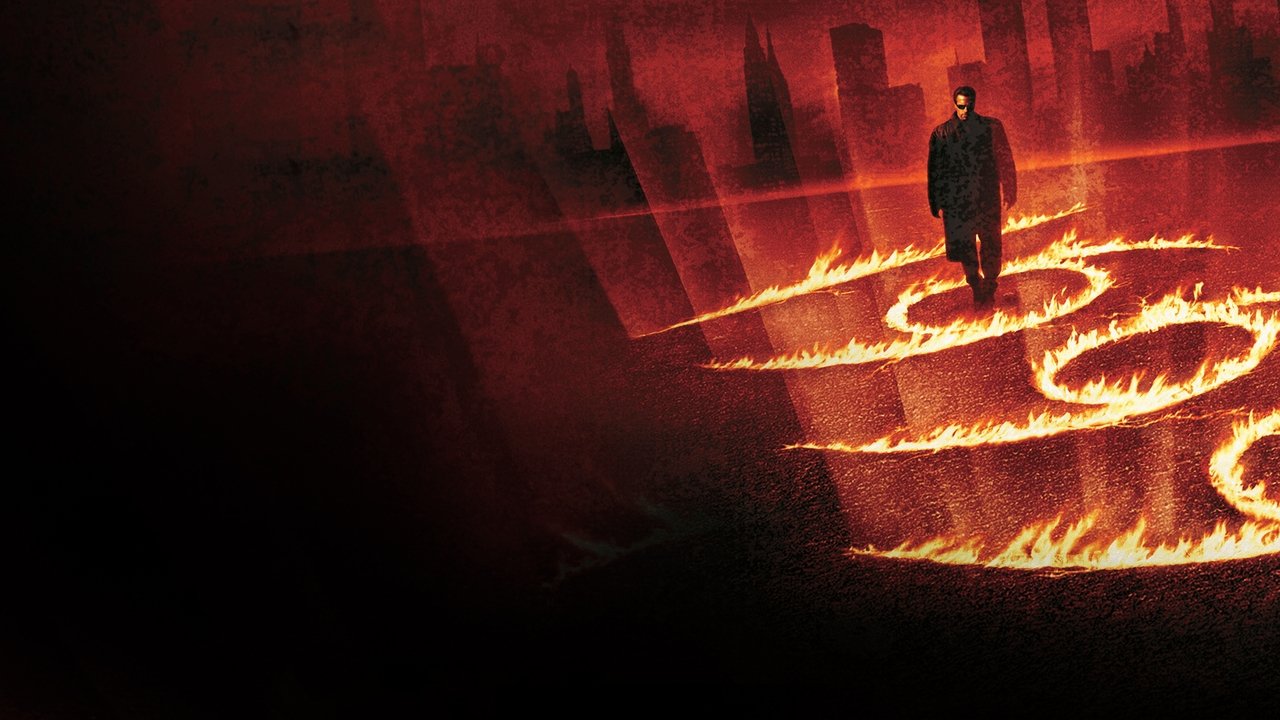
Ultimately, End of Days is a messy, loud, wonderfully gloomy experience. It’s the sound of the 20th century slamming the door on its way out. It’s not a masterpiece, but it’s a bold, weird swing from a superstar who was trying to find his place in a changing cinematic landscape.
End of Days is the cinematic equivalent of a heavy metal album cover—excessive, dark, and occasionally ridiculous, but undeniably committed to its aesthetic. If you can handle the oppressive shadows and the slightly dated CGI, it’s a fascinating look at Arnold trying to punch the Devil in the face. It’s a relic of a time when we weren't just afraid of computers crashing on January 1st; we were afraid of the literal pits of hell opening up in Times Square.
It turns out neither happened, but at least we got this movie out of it.
Keep Exploring...
-
Vampires
1998
-
The Covenant
2006
-
Stigmata
1999
-
Mighty Joe Young
1998
-
Soldier
1998
-

Mystery Men
1999
-
Final Fantasy: The Spirits Within
2001
-
Priest
2011
-
Abraham Lincoln: Vampire Hunter
2012
-
Underworld: Awakening
2012
-
Hansel & Gretel: Witch Hunters
2013
-
Dracula Untold
2014
-

Collateral Damage
2002
-
Last Action Hero
1993
-
Timecop
1994
-
The Craft
1996
-
Lake Placid
1999
-
Eight Legged Freaks
2002
-
Bulletproof Monk
2003
-

Blade II
2002