Eyes Wide Shut
"The password is 'Fidelio.' The price is everything."
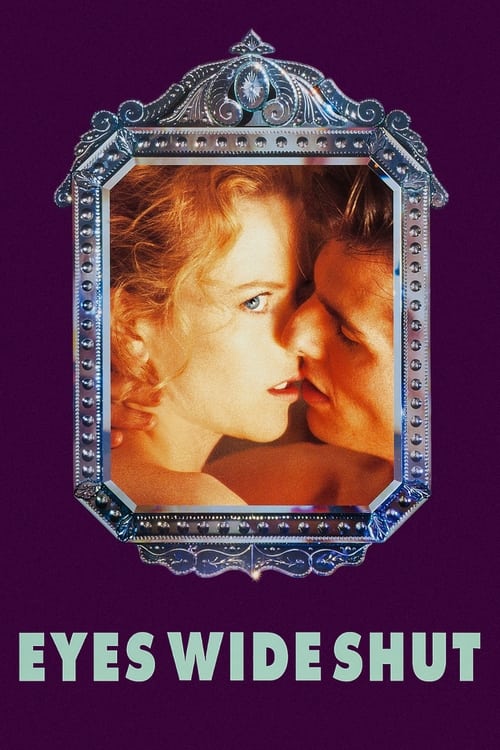
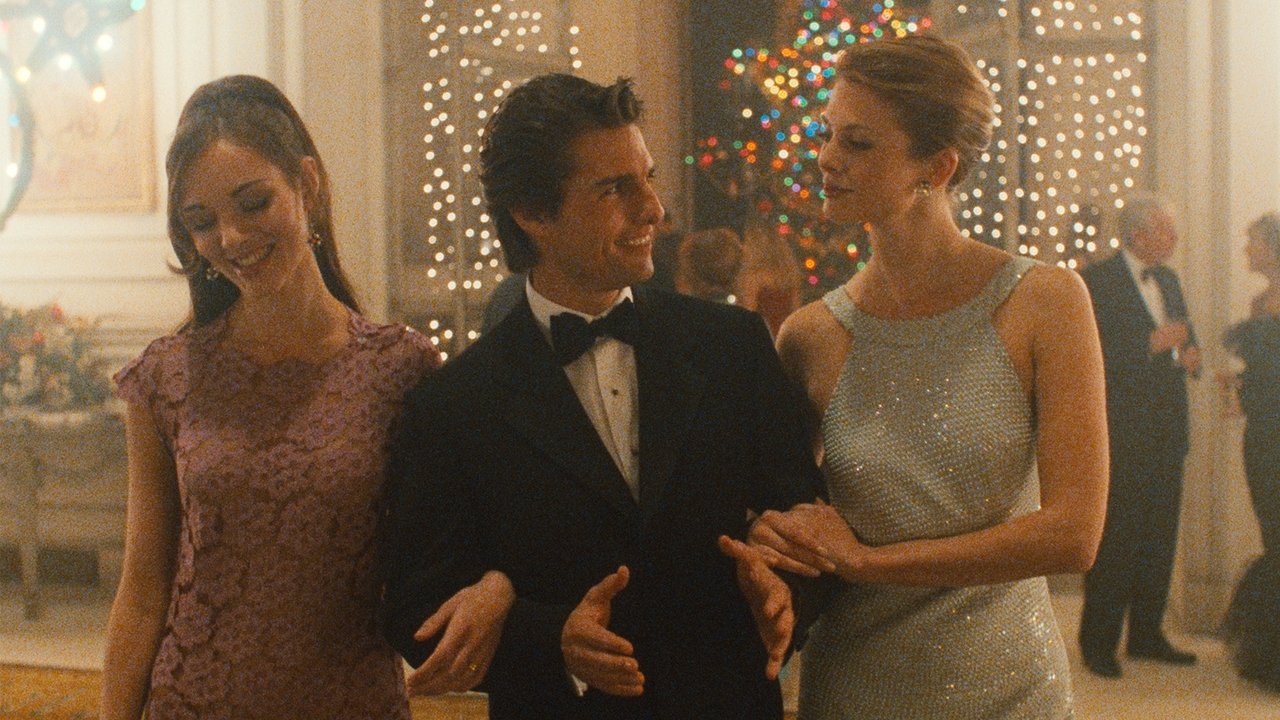
The first thing you notice isn't the sex or the masks; it's the Christmas lights. Every room in Stanley Kubrick’s final film is drowning in the warm, artificial glow of a holiday that feels entirely un-festive. It’s 1999, the world is bracing for Y2K, and Tom Cruise is walking through a version of New York City that looks like a dream—mostly because it was actually shot on a backlot in England. There’s a strange, sickly quality to the air in Eyes Wide Shut, a sense that reality is beginning to fray at the edges, which is exactly how I felt when I first watched it while nursing a lukewarm cup of instant noodles that I’d accidentally salted twice. The saltiness of the noodles actually paired quite well with the bitter, chilly dissolution of the Harford marriage.
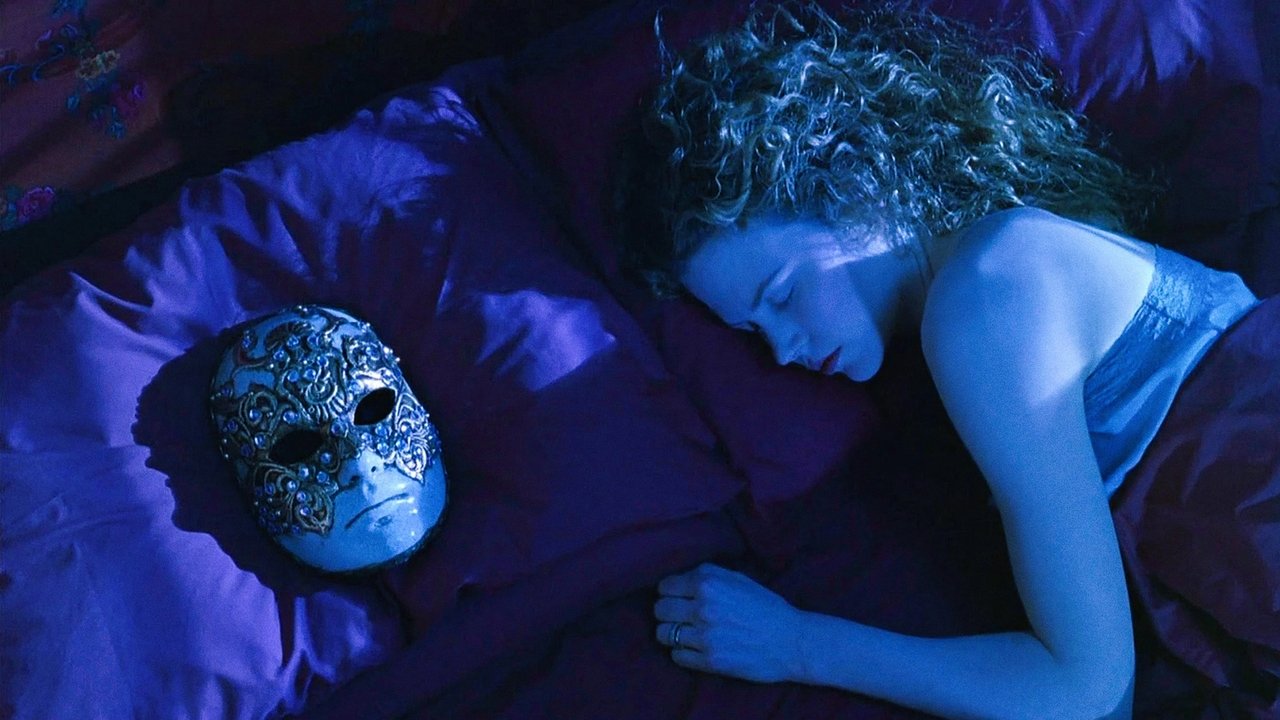
Looking back at the tail end of the nineties, this movie was marketed as a scandalous, erotic thriller featuring the world’s most famous real-life couple. Instead, Stanley Kubrick (of 2001: A Space Odyssey fame) handed us a three-hour odyssey through the insecurities of the male ego. It’s a film that demands your attention not through "jump scares" or high-speed chases, but through a slow, agonizing crawl into the heart of a nightmare.
The Cruise-Kidman Crucible
The core of the drama isn't the secret society or the ritualistic chanting; it’s a single conversation in a bedroom. Nicole Kidman delivers what I still consider her career-best performance as Alice Harford. When she admits to her husband, Dr. Bill (Tom Cruise), that she once contemplated throwing away her entire life for a fleeting moment with a naval officer she didn't even know, the look on Cruise's face is a masterclass in silent devastation.
Tom Cruise spends the rest of the movie in a state of concussed wandering. He’s essentially playing a man who thinks he’s the protagonist of a movie he hasn't been cast in. As Bill roams the streets, trying to reclaim his masculinity through a series of sexual encounters that never quite happen, he remains a step behind everyone else. Whether he’s being intimidated by Sydney Pollack’s terrifyingly smooth Victor Ziegler or outmaneuvered by Todd Field’s piano-playing Nick Nightingale, Bill is a tourist in a world he doesn't understand. The chemistry between Cruise and Kidman is genuinely uncomfortable; you can feel the weight of their actual, crumbling marriage bleeding into the celluloid, making the drama feel dangerously authentic rather than scripted.
Orgy Masks and Digital Fig Leaves
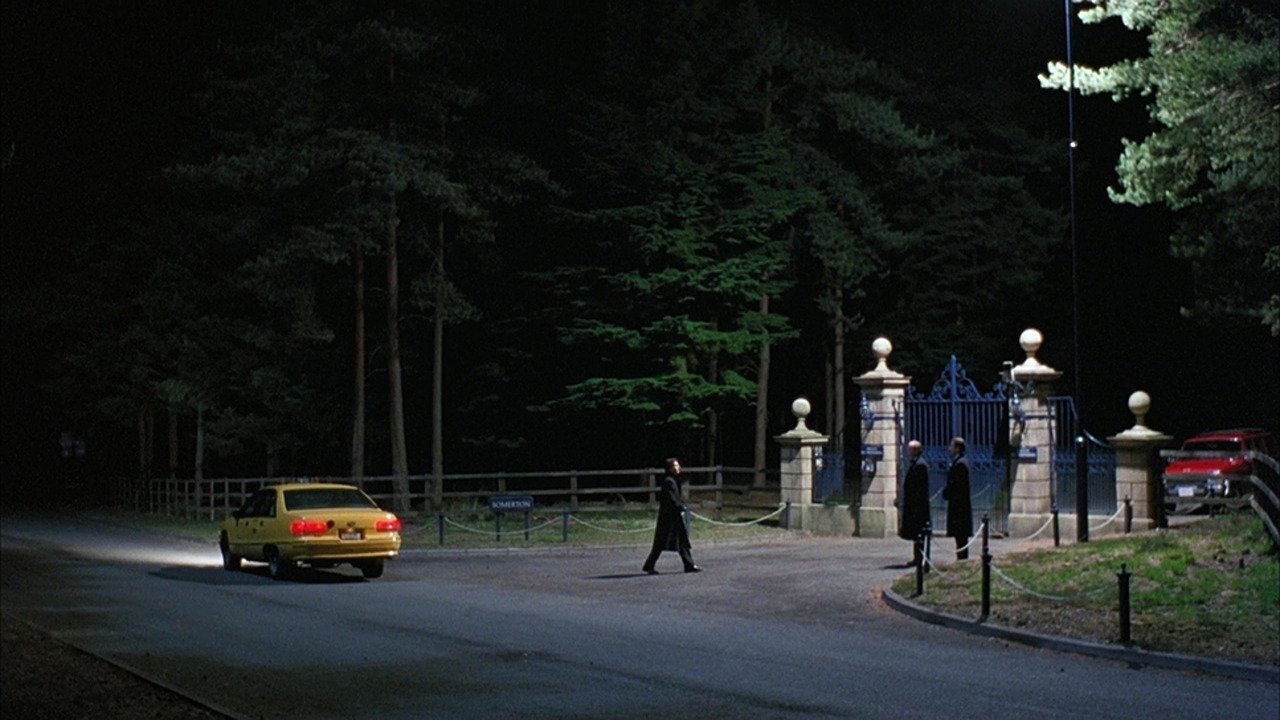
When Bill finally infiltrates the infamous masked ball at Somerton, the film shifts from a marriage drama into a Gothic thriller. The atmosphere here is suffocating. The score by Jocelyn Pook, with its minimalist, stabbing piano notes, creates a sense of dread that stays in your marrow.
What’s fascinating to reassess now is the "DVD culture" impact of this sequence. Because of the MPAA’s strict rules in 1999, the original American theatrical release featured digitally added cloaked figures to hide the actual mechanics of the orgy. It was early, clunky CGI that looked like something out of a mid-tier PlayStation game. Watching the "Unrated" version today—the way Kubrick intended—reveals a scene that isn't actually "sexy" at all. It’s cold, transactional, and deeply frightening. The masks, based on Venetian Carnival designs, turn the human face into a frozen, judging gargoyle. It’s a sequence that manages to be the ultimate movie for people who want to feel uncomfortable in their own living rooms.
The Longest Night in New York (via Hertfordshire)
Part of the film's cult allure stems from the legend of its production. At 400 days, it holds the Guinness World Record for the longest continuous film shoot. Kubrick was a notorious perfectionist, making Tom Cruise walk through a door 95 times just to get the right "vibe." He even had Cruise and Kidman sleep in their characters' bedroom to soak up the environment.
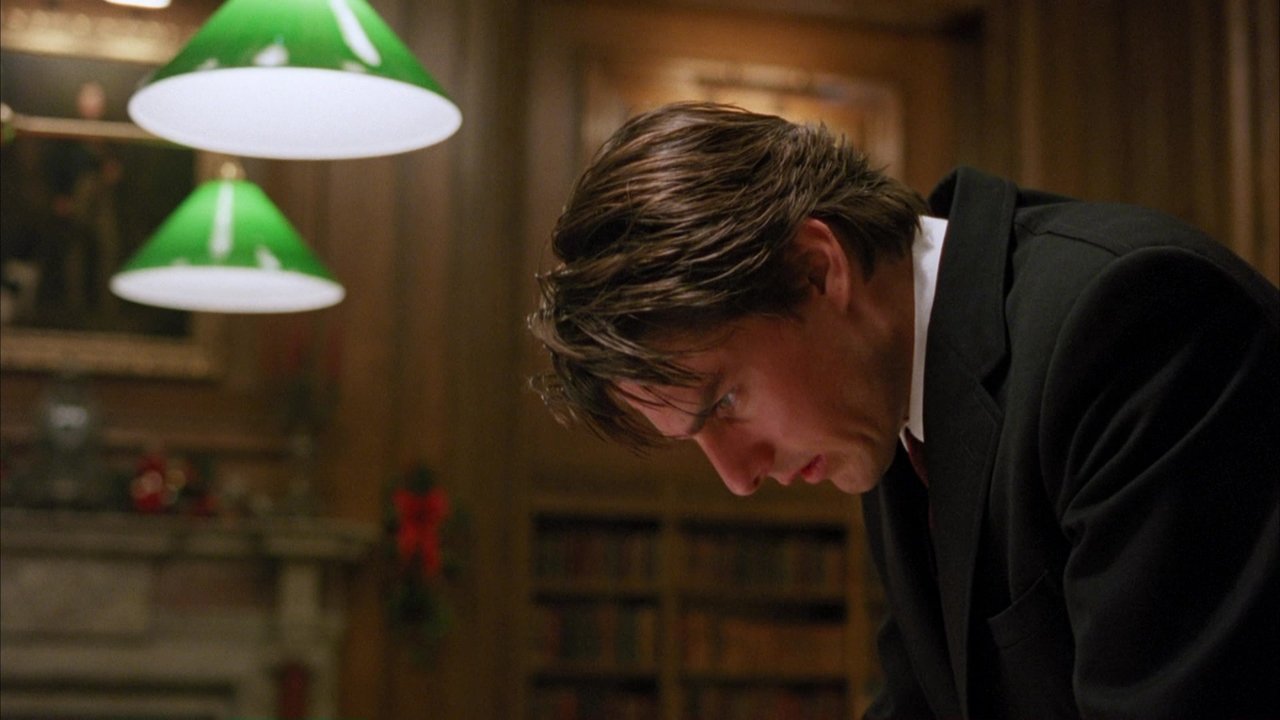
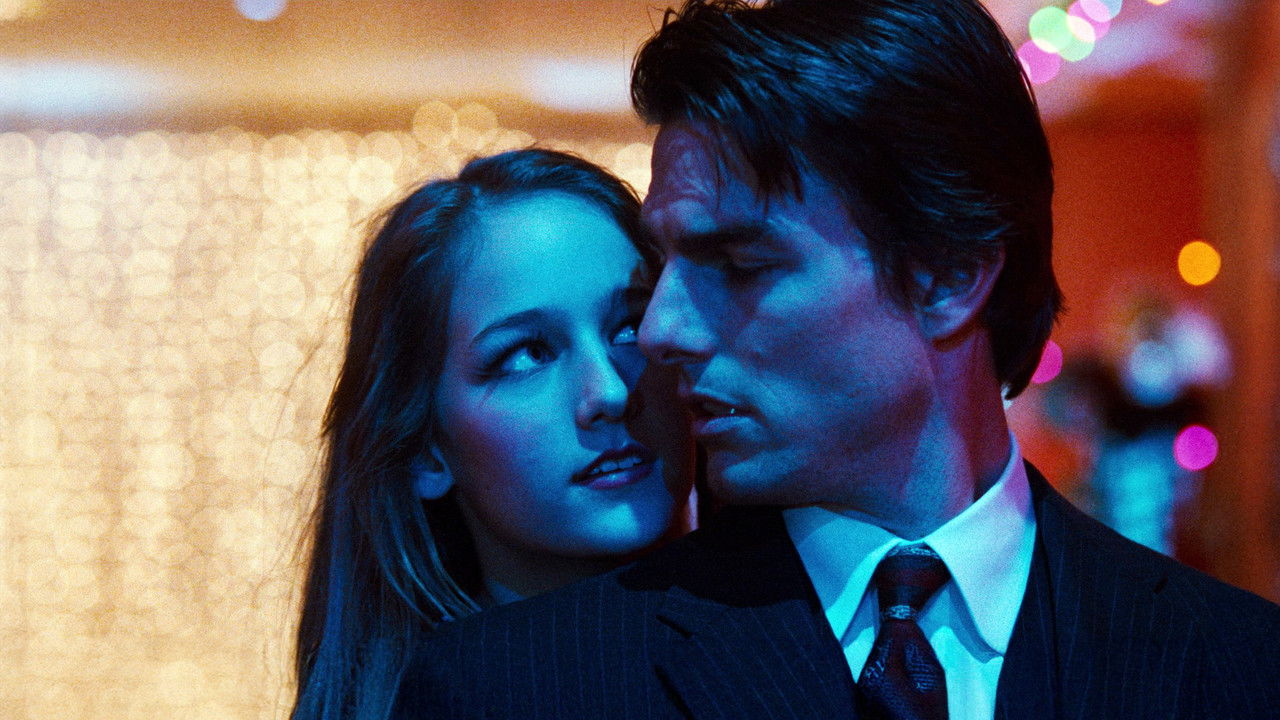
That intensity translates to a film that feels remarkably "hand-made" in an era that was rapidly shifting toward digital shortcuts. Every frame is meticulously composed, every color choice—from the jarring reds to the icy blues—is intentional. It’s a drama that uses the language of a thriller to talk about something much more mundane: the fact that we can never truly know the person sleeping next to us. It’s a heavy, dark, and often frustrating experience, but it’s one that lingers.
Stuff You Didn't Notice:
The mask Tom Cruise wears is modeled after the face of Ryan O'Neal, who starred in Kubrick's Barry Lyndon. Harvey Keitel and Jennifer Jason Leigh were originally cast in major roles but were replaced after the grueling shoot dragged on for over a year. The "New York" streets were actually built at Pinewood Studios in London. Kubrick famously hated traveling and hadn't been to NYC in decades. The password "Fidelio" is a reference to Beethoven’s only opera, which is about a wife who disguises herself to save her husband from a political prison. * Stanley Kubrick passed away just six days after showing his final cut to the studio and the lead actors, making this his definitive final word on cinema.
Eyes Wide Shut is a film that has only grown more potent with age. In a world of fast-paced franchises and algorithm-driven plots, there is something deeply rewarding about a movie that takes its time to make you feel completely lost. It’s a haunting look at the ghosts that live within every relationship, wrapped in the trappings of a fever dream. If you can handle the slow burn and the oppressive atmosphere, it remains a staggering achievement from a director who refused to go out quietly. Just make sure you check your front door is locked before you press play.
Keep Exploring...
-

The Game
1997
-
Lost Highway
1997
-
Unbreakable
2000
-
The Bourne Identity
2002
-
Lucky Number Slevin
2006
-
The Skin I Live In
2011
-
The Bone Collector
1999
-
Collateral
2004
-
Primal Fear
1996
-
L.A. Confidential
1997
-
Pi
1998
-
Arlington Road
1999
-
The Sixth Sense
1999
-
Mulholland Drive
2001
-
Infernal Affairs
2002
-
I'm Not Scared
2003
-
Mystic River
2003
-
Oldboy
2003
-
The Devil's Advocate
1997
-

Enemy of the State
1998