Fight Club
"A bruised and bloodied middle finger to the soul-crushing comfort of corporate living."
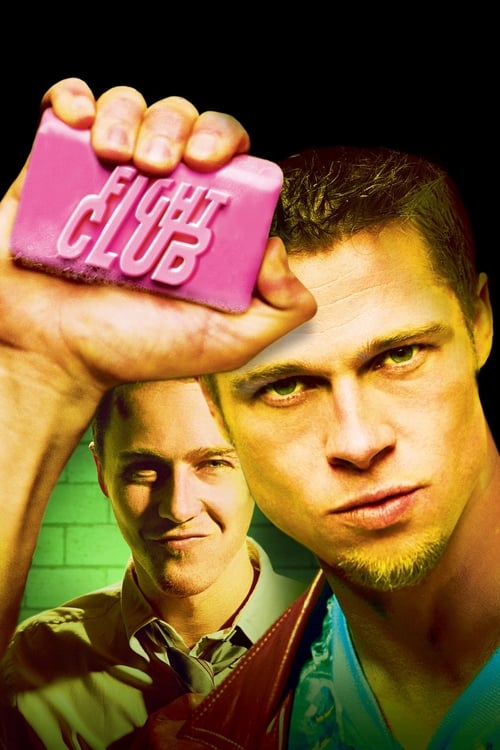
I remember the exact moment the credits rolled on my first viewing of Fight Club. I was sitting on a plastic crate of bottled water in a cramped college dorm room—the only "furniture" I owned that wasn't borrowed—and I felt like someone had just reached through the screen and shook me by the throat. It was 1999, the height of Y2K anxiety, and while everyone else was worried about computers forgetting how to tell time, David Fincher was busy documenting the slow-motion collapse of the American masculine psyche.
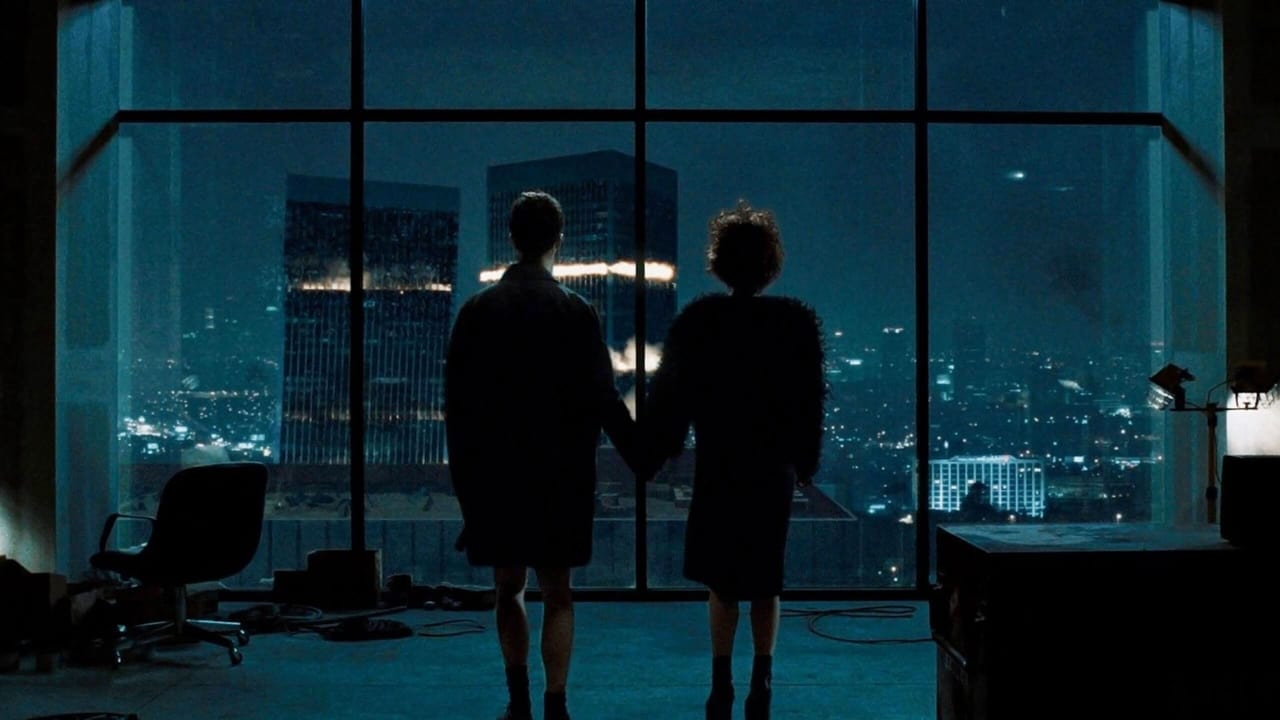
Looking back, Fight Club arrived at the perfect crossroads of cinema history. It was a big-studio gamble that felt like a middle-finger to the studio system itself. It’s a film that perfectly captures the "Modern Cinema" transition; it has that gritty, tactile film grain of the 90s, yet it utilizes early CGI in ways that still feel revolutionary because they weren't used for spectacle, but for psychological intrusion.
The Consumerist Purgatory
The film centers on a nameless Narrator, played with a twitchy, hollowed-out brilliance by Edward Norton. He is a man defined by his "Ikea nesting instinct," a corporate drone who measures his self-worth by the quality of his coffee tables. I love how Norton portrays exhaustion; you can almost smell the stale airplane air and the metallic tang of insomnia radiating off him.
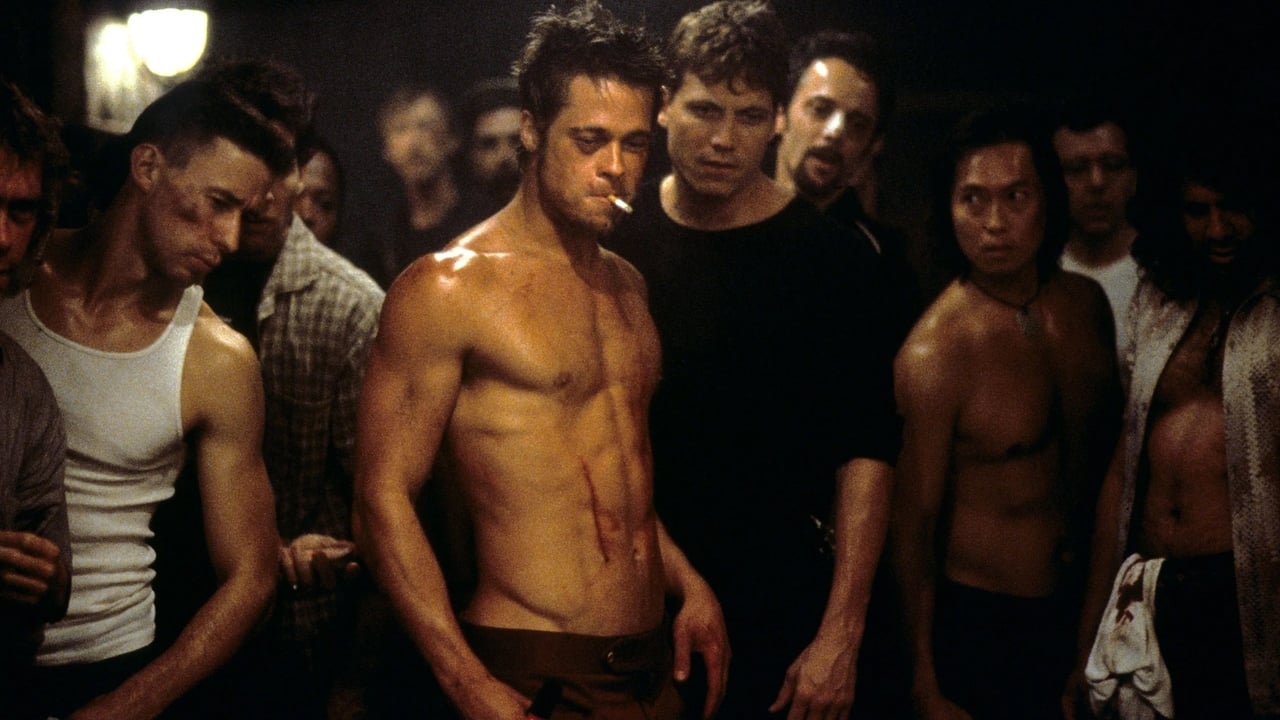
Then enters Tyler Durden. If the Narrator is the beige wallpaper of a cubicle, Brad Pitt’s Tyler is a Molotov cocktail thrown through the window. Pitt has never been better than he is here—lean, feral, and radiating a dangerous charisma that makes you understand exactly why a generation of bored men would follow him into a basement to punch each other’s teeth out.
The dynamic between them, mediated by the chaos-agent Marla Singer (Helena Bonham Carter in a delightfully soot-stained performance), is the dark heart of the movie. Bonham Carter brings a jagged, tragic edge to Marla; she’s the only one in the movie who seems to realize that all this posturing is just a different kind of performative nonsense.
The Craft of Chaos
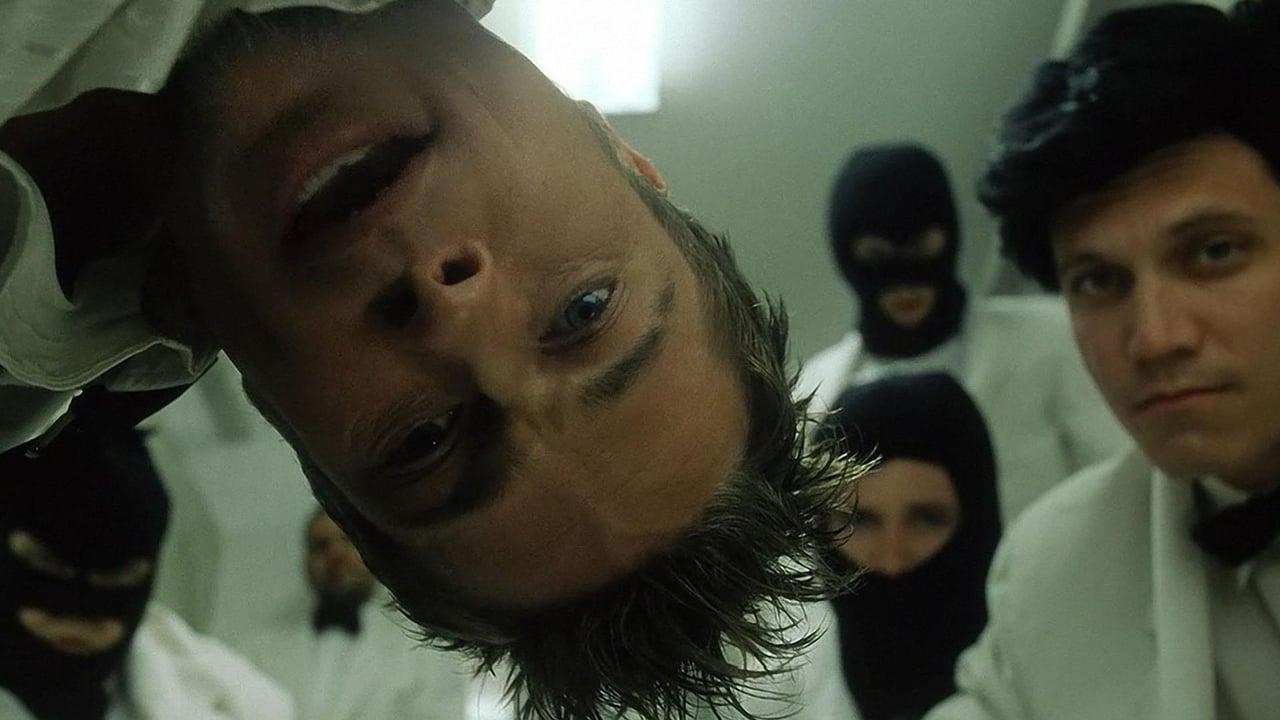
David Fincher is a notorious perfectionist, and Fight Club is perhaps his most meticulously "messy" film. Working with cinematographer Jeff Cronenweth, Fincher created a visual language of "underexposed and over-developed" grime. Everything looks slightly damp, slightly bruised.
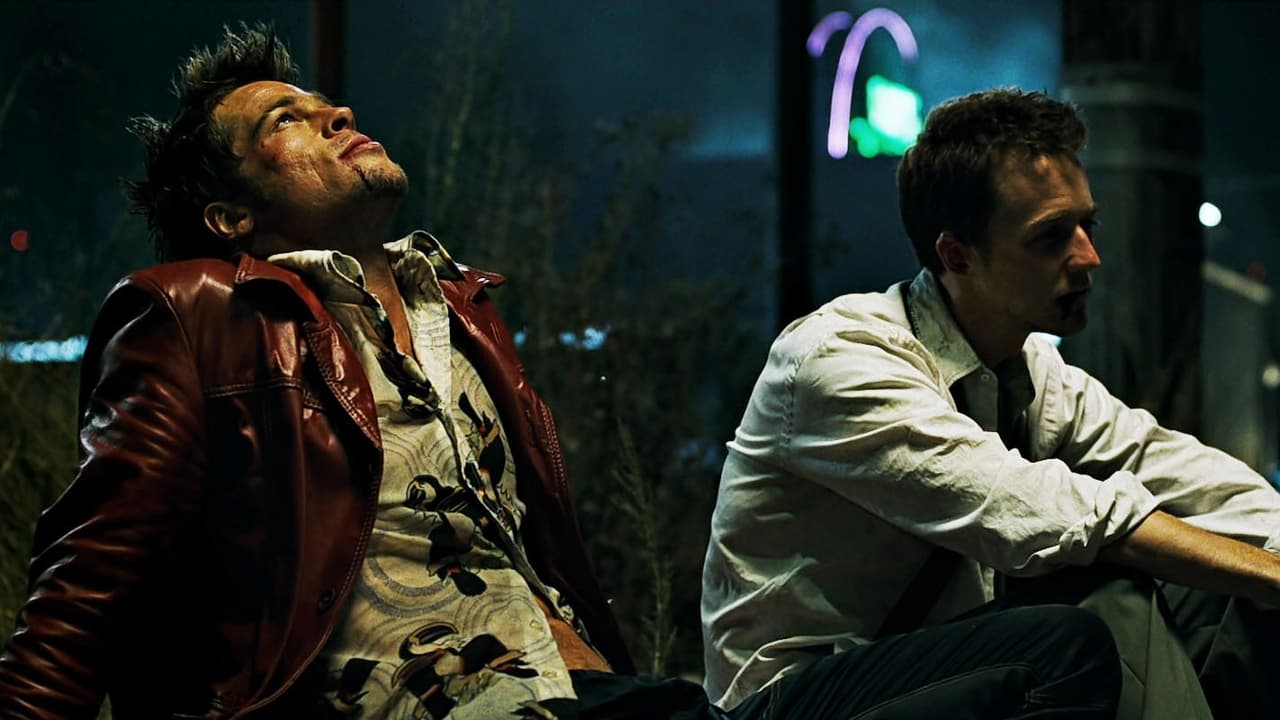
This was a landmark era for DVD culture, and Fight Club was the undisputed king of the format. The two-disc special edition, packaged in a brown paper bag, was a rite of passage for film nerds. It was through those supplements that I learned about the "single-frame" jokes—the way Fincher digitally inserted Tyler into the background of scenes before the characters actually met. It’s a brilliant use of early digital tech to create a subliminal sense of unease.
The film also features one of the most effective uses of "invisible" CGI. The opening titles, a high-speed camera move through the synapses of a human brain, was a massive technical undertaking for 1999. Even the scene where Norton’s apartment becomes a living Ikea catalog was a clever blend of practical and digital that still looks seamless today.
The Satire vs. The Signal
It’s impossible to talk about Fight Club without acknowledging its legacy. It’s a film that has been misunderstood by the very people it’s mocking. I’ve met too many guys who think the "rules" of the club are a manual rather than a warning. Project Mayhem is basically a frat house for people who skipped therapy, and the film’s final act—an out-of-control spiral into domestic terrorism—makes it clear that Tyler’s "freedom" is just another form of brainwashing.
The irony is that for all its talk of "destroying something beautiful," the movie itself is a gorgeous piece of craftsmanship. The score by The Dust Brothers is a masterpiece of industrial, loop-based sound that perfectly mimics the repetitive hum of an office building before exploding into the jagged noise of a basement brawl.
Stuff You Didn't Notice
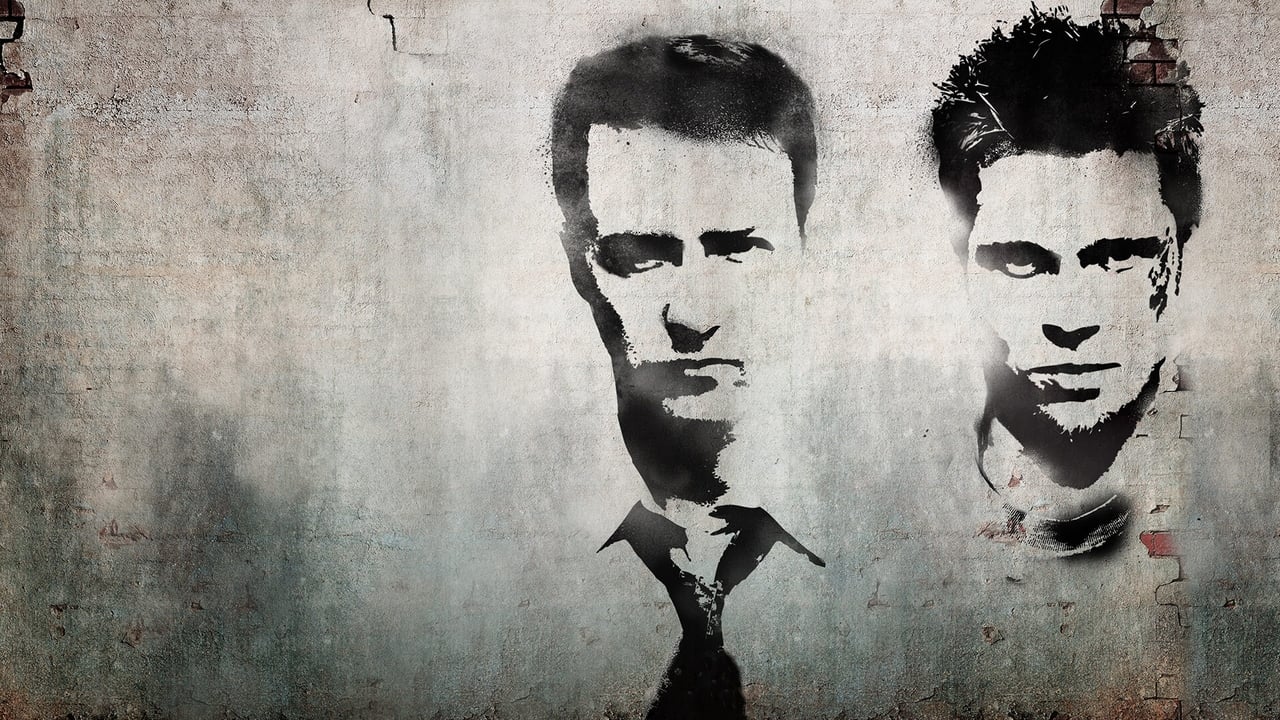
One of the best pieces of trivia from the production is that Brad Pitt and Edward Norton actually learned how to make basic soap (though the "explosive" parts were, thankfully, fictionalized). Pitt also visited a dentist to have his front tooth chipped for the role, committed to the idea that Tyler shouldn’t have "movie star" teeth.
And then there’s Meat Loaf. As Robert Paulson, he gives the movie its unexpected soul. There’s a scene involving his character’s death that shifts the tone from cynical satire to genuine tragedy in a heartbeat. It’s a reminder that beneath all the "mischief and mayhem," there are real people being broken by the machine.
Looking back through a post-9/11 lens, the ending—a skyline of collapsing skyscrapers—hits a much more somber note than it did in 1999. It’s a reminder that this film captured a very specific, pre-millennial angst that was about to be replaced by a much darker reality.
Fight Club remains a visceral, darkly hilarious, and technically flawless piece of cinema that only gets more relevant as our lives move further into the digital void. It’s a film that demands your attention, bruises your sensibilities, and leaves you wondering if your furniture is actually owning you. Just don’t go starting any fight clubs in your garage; you’ve clearly missed the point.
Keep Exploring...
-

Gone Girl
2014
-

The Game
1997
-
Se7en
1995
-
The Usual Suspects
1995
-
Fargo
1996
-
L.A. Confidential
1997
-
The Sixth Sense
1999
-
Mulholland Drive
2001
-
The Departed
2006
-

Zodiac
2007
-
The Dark Knight
2008
-
Inglourious Basterds
2009
-

Shutter Island
2010
-

Memories of Murder
2003
-

Oldboy
2003
-

Sleepers
1996
-
Donnie Brasco
1997
-

Panic Room
2002
-

The Silence of the Lambs
1991
-
Carlito's Way
1993