Following
"Every stranger is a story waiting to be stolen."
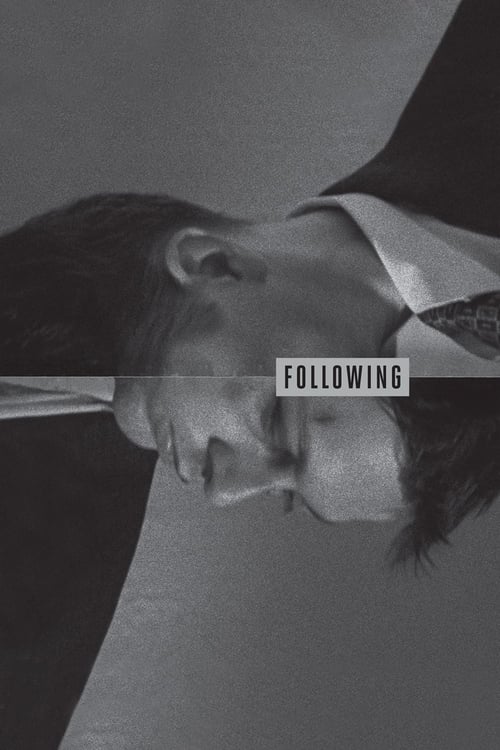
There is a specific kind of quiet desperation that permeates the gray, grain-heavy streets of London in Following. It’s the sound of a wind-up watch ticking in a room where no one is talking. Long before he was crashing 747s into hangars or folding the city of Paris like a crepe, Christopher Nolan was just a guy with a 16mm camera and a group of friends who were willing to spend their Saturdays pretending to be burglars and voyeurs.
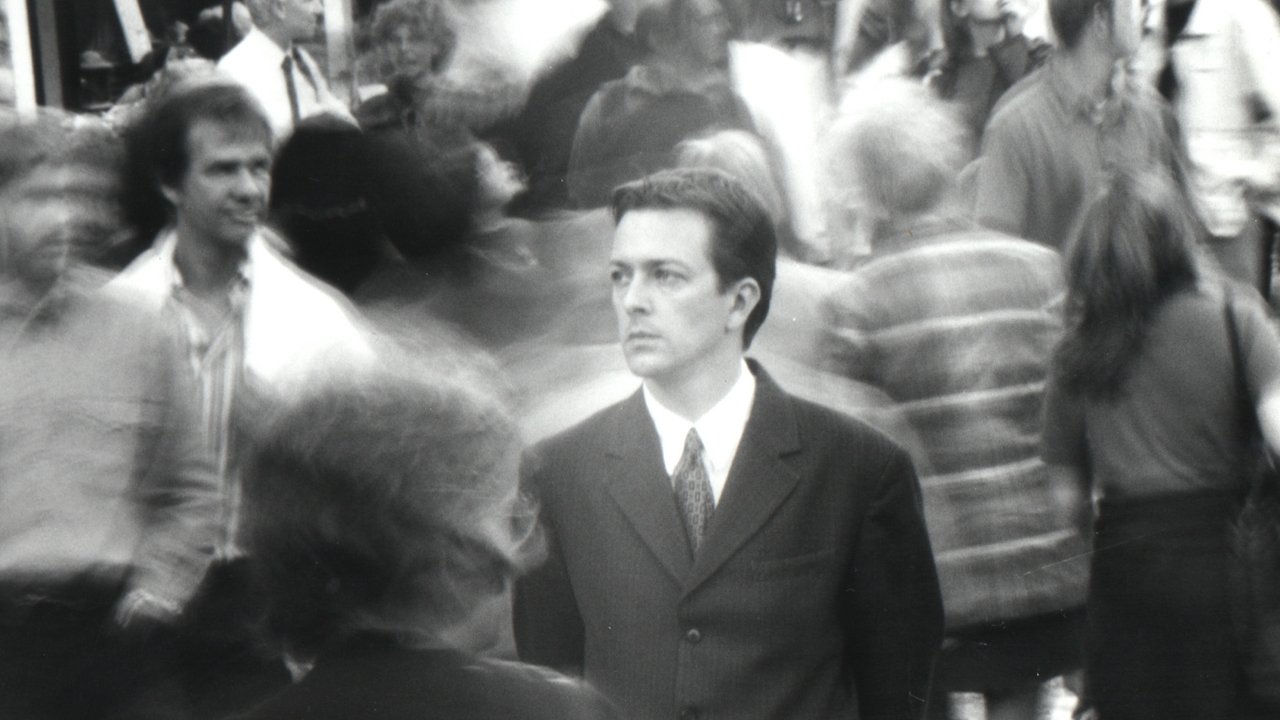
I watched this most recently while sitting in a wooden kitchen chair that squeaks every time I breathe, and that rhythmic, annoying chirp felt oddly synchronized with the film’s jittery, hand-held tension. There’s no polish here, no Hans Zimmer wall-of-sound to tell you how to feel. There is only the cold, clinical observation of a man who makes a very bad decision because he’s bored.
The Ultimate Saturday Morning Project
Released in 1999, Following arrived at the tail end of a decade that fetishized the "DIY" filmmaker. We were obsessed with the idea that anyone with a credit card and a dream could be the next big thing. But while The Blair Witch Project was using shaky cams to invent a new kind of viral horror, Christopher Nolan was using his meager $6,000 budget to conduct a heist on the noir genre itself.
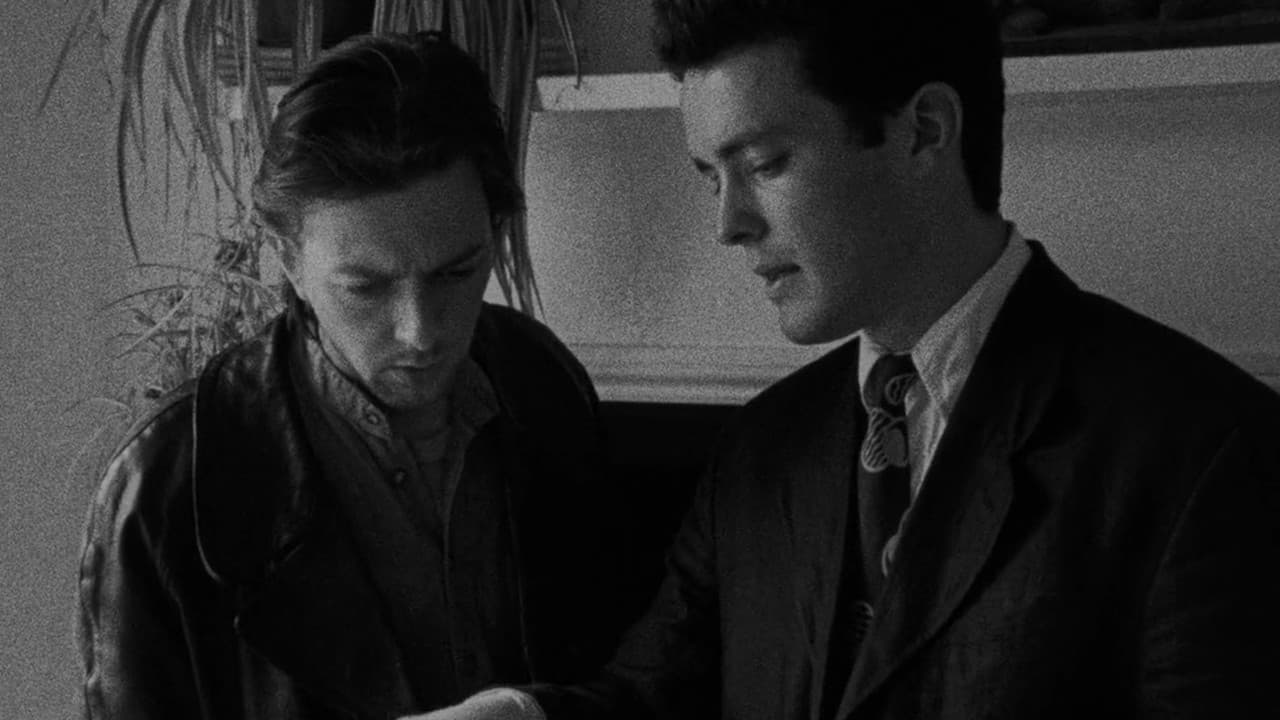
The story follows Bill (Jeremy Theobald), a scruffy, unemployed writer who starts following people at random to "get material." He has rules—never follow the same person twice, never follow them home—but rules are made to be broken by protagonists in search of a plot. He eventually follows Cobb (Alex Haw), a man who doesn't just watch people; he breaks into their houses to examine the debris of their lives.
The production trivia is the stuff of indie legend: the cast and crew all had day jobs, so they shot for only a few hours every Saturday for a year. Because film stock was expensive, they rehearsed every scene for months so they could get it in one or two takes. This wasn't just "guerrilla filmmaking"; it was a surgical strike. You can feel that lean, hungry energy in every frame. Nolan’s obsession with non-linear storytelling arguably started as a clever way to mask a $6,000 budget, and we’ve been paying for it with three-hour runtimes ever since.
Professional Intruders and Amateur Stalkers

The chemistry between Jeremy Theobald and Alex Haw is where the film earns its "Dark/Intense" stripes. Bill is a classic "sucker," a man whose vanity makes him believe he’s the lead in his own detective novel. Jeremy Theobald plays him with a wonderful, pathetic eagerness; he wants to be cool, he wants to be dangerous, but he’s really just a lonely guy looking for a connection in the worst possible way.
Then there’s Alex Haw as Cobb. He is the blueprint for the "Nolan Protagonist"—sharply dressed, articulate, and morally bankrupt in a way that feels intellectual. When he explains to Bill why he robs people—not for the money, but to make them realize what they actually value—it’s genuinely unsettling. Haw’s performance is so precise and chilling that it’s a crime he didn’t do more acting after this. He carries the film’s darkest themes on his shoulders: the idea that our privacy is a myth and our identities are just a collection of trinkets in a shoebox.
Enter Lucy Russell as "The Blonde." She brings a classic femme fatale energy to the mix, but in the context of this gritty, low-fi London, she feels more like a ghost than a movie trope. The way the script weaves these three together through a fragmented timeline is masterful. You’re constantly re-evaluating who is the predator and who is the prey.
The Architecture of a Twist
Looking back from the vantage point of 2024, Following feels like a Rosetta Stone for everything Christopher Nolan would do later. You see the non-linear editing of Memento, the identity theft of The Prestige, and even a literal Batman symbol on a door that feels like a glitch in the Matrix given his future career.
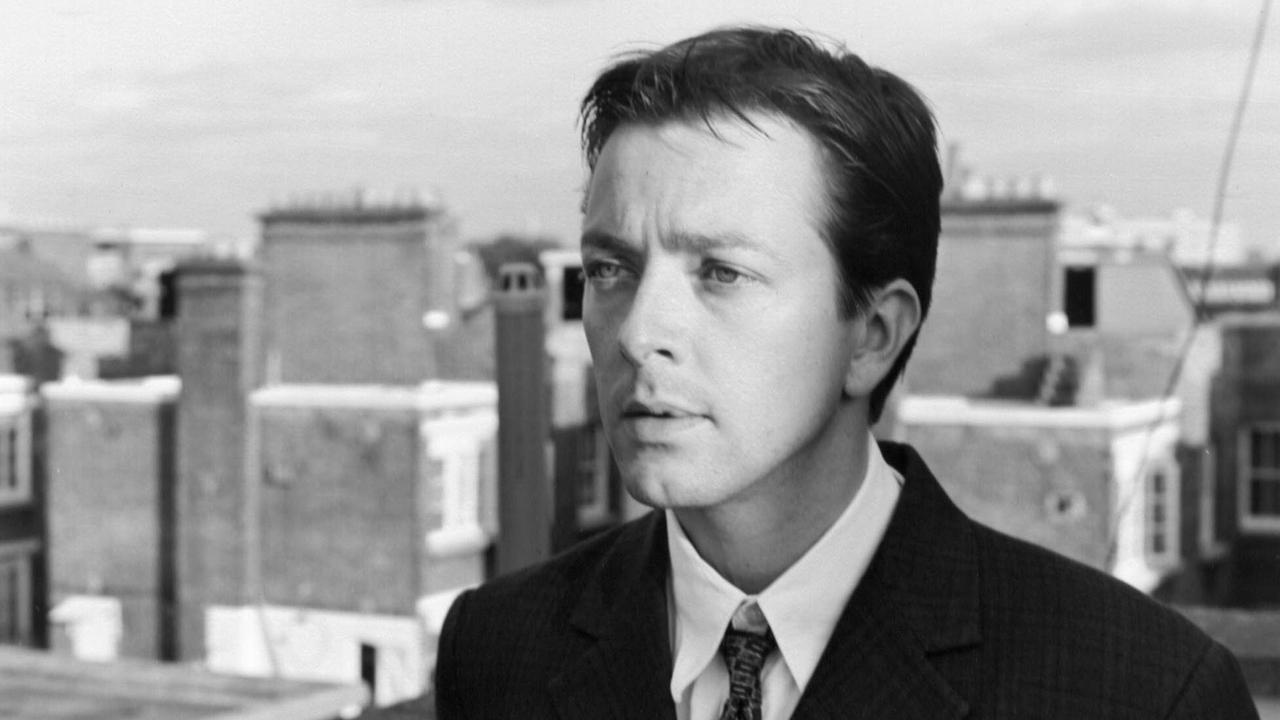
But beyond the "spot the trope" game, the film stands up as a lean, mean thriller. It’s only 69 minutes long, which is a miracle in an era where every blockbuster feels the need to push three hours. It gets in, wrecks your sense of security, and gets out before the credits can even finish rolling. The black-and-white cinematography, handled by Nolan himself, isn't just an aesthetic choice; it hides the seams of the low budget while emphasizing the shadows that Bill is so fond of hiding in.
The ending is a gut punch that feels earned. It doesn't rely on a "it was all a dream" cop-out; it relies on the cold realization that Bill is basically the world's most pathetic protagonist, a man who desperately needs a hobby that isn't stalking. It’s a cynical, sharp, and deeply rewarding piece of noir that proves you don't need millions of dollars to make a movie that lingers in the back of the viewer's mind like a cold.
Following is a reminder that limitations are often a filmmaker's best friend. It’s a dark, clinical, and expertly paced debut that deserves to be seen not just as a "Nolan curiosity," but as a high-water mark of the 90s indie boom. If you’ve ever wondered what’s in your neighbor's mail or why that guy on the bus is looking at you, this film will make you want to lock your doors and never look back. It’s a short, sharp shock to the system that proves the most dangerous thing you can do is pay too much attention.
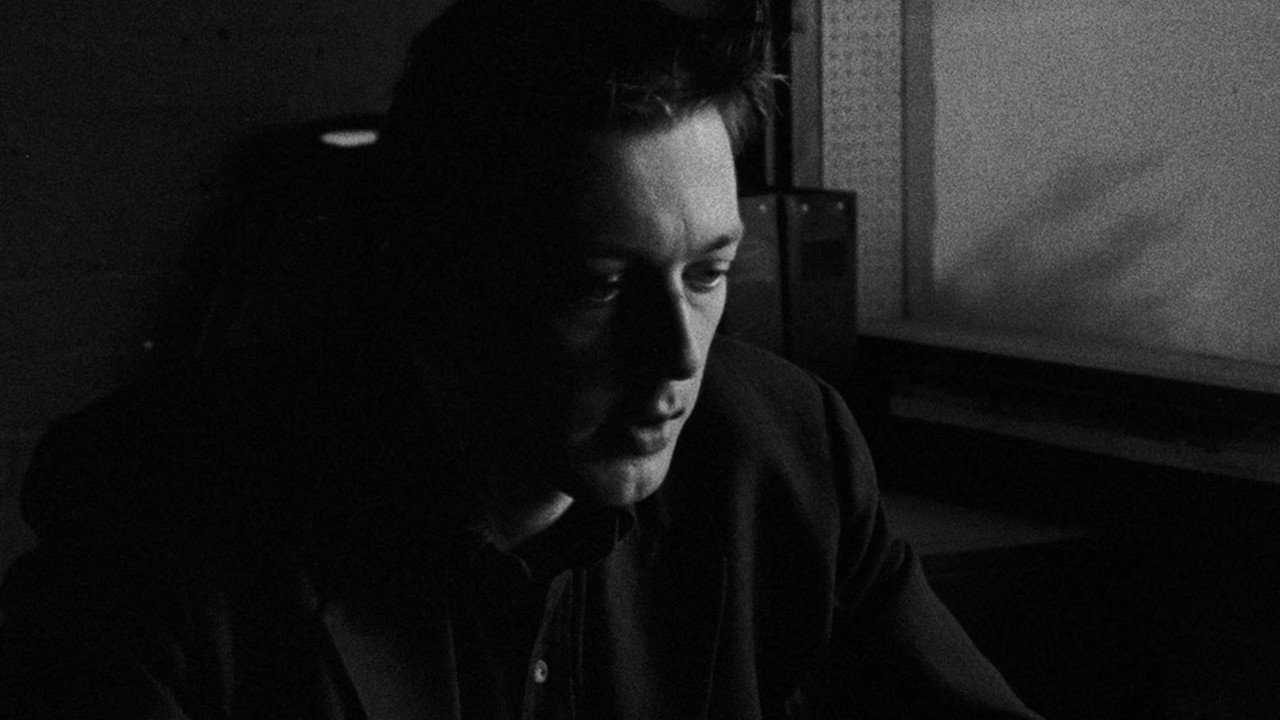
Keep Exploring...
-

The Dark Knight Rises
2012
-
The Dark Knight
2008
-
Bound
1996
-
Open Your Eyes
1997
-
Pi
1998
-
Run Lola Run
1998
-
Amores Perros
2000
-
Battle Royale
2000
-

The Devil's Backbone
2001
-
Irreversible
2002
-

Sympathy for Mr. Vengeance
2002
-

Batman Begins
2005
-
Insomnia
2002
-
Memento
2000
-
The Orphanage
2007
-
Felon
2008
-

Blood and Bone
2009
-
The Secret in Their Eyes
2009
-
Undisputed III: Redemption
2010
-
The Hole
2001