Ghost Dog: The Way of the Samurai
"Ancient steel in a boombox world."
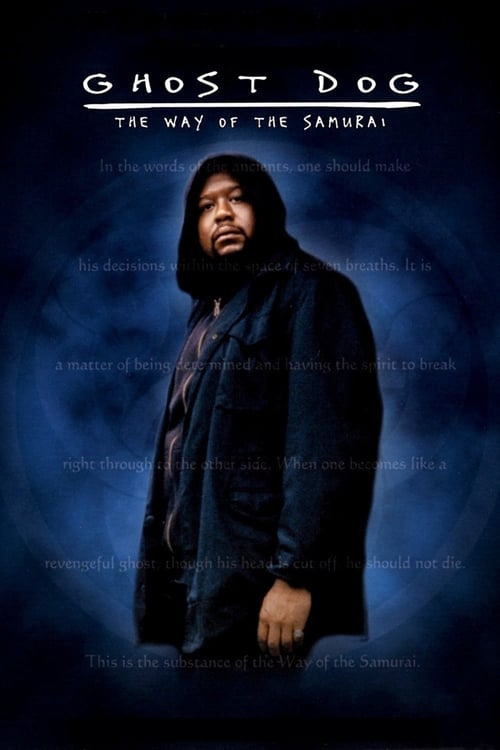
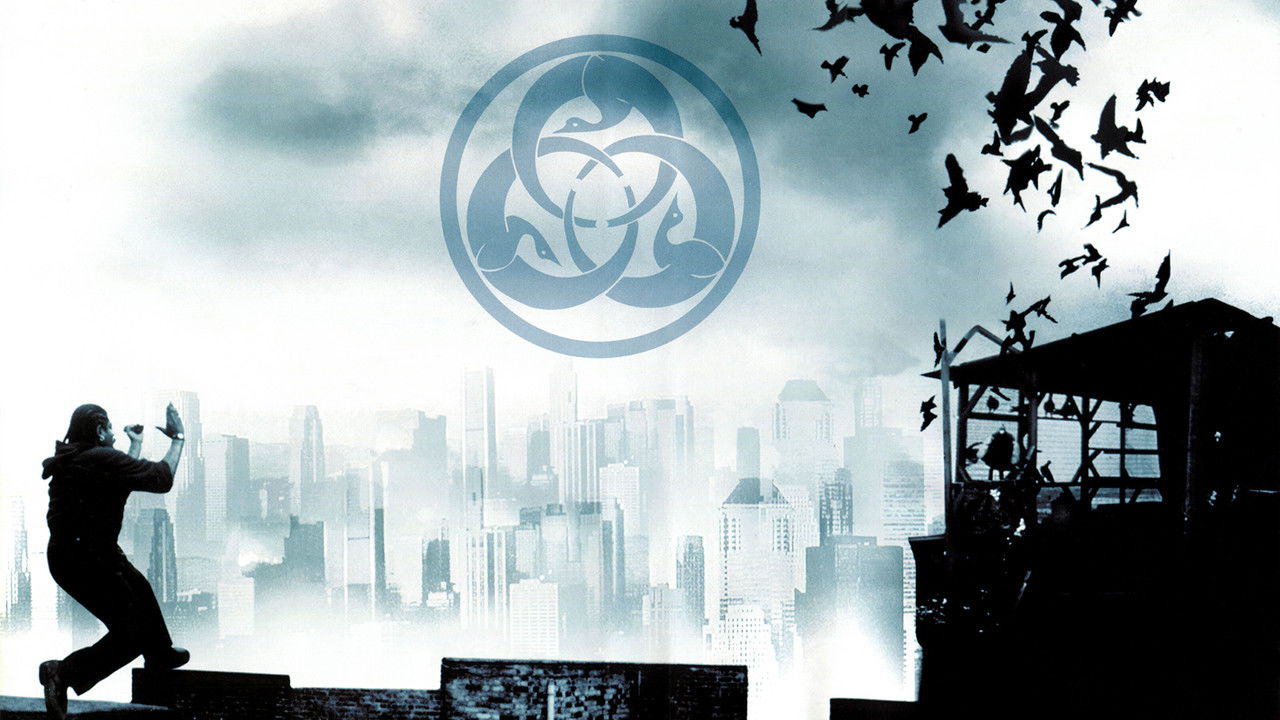
In the dying breath of the 20th century, while the rest of cinema was obsessing over Y2K digital apocalypses and the shiny artifice of The Matrix, Jim Jarmusch went the other way—back to the roof, back to the dirt, and back to the 18th-century philosophy of the Hagakure. Ghost Dog: The Way of the Samurai is a collision of worlds that shouldn't work. It’s a Venn diagram where Wu-Tang Clan hip-hop, Italian-American mob tropes, and Japanese warrior codes overlap in a rainy, crumbling Jersey City.
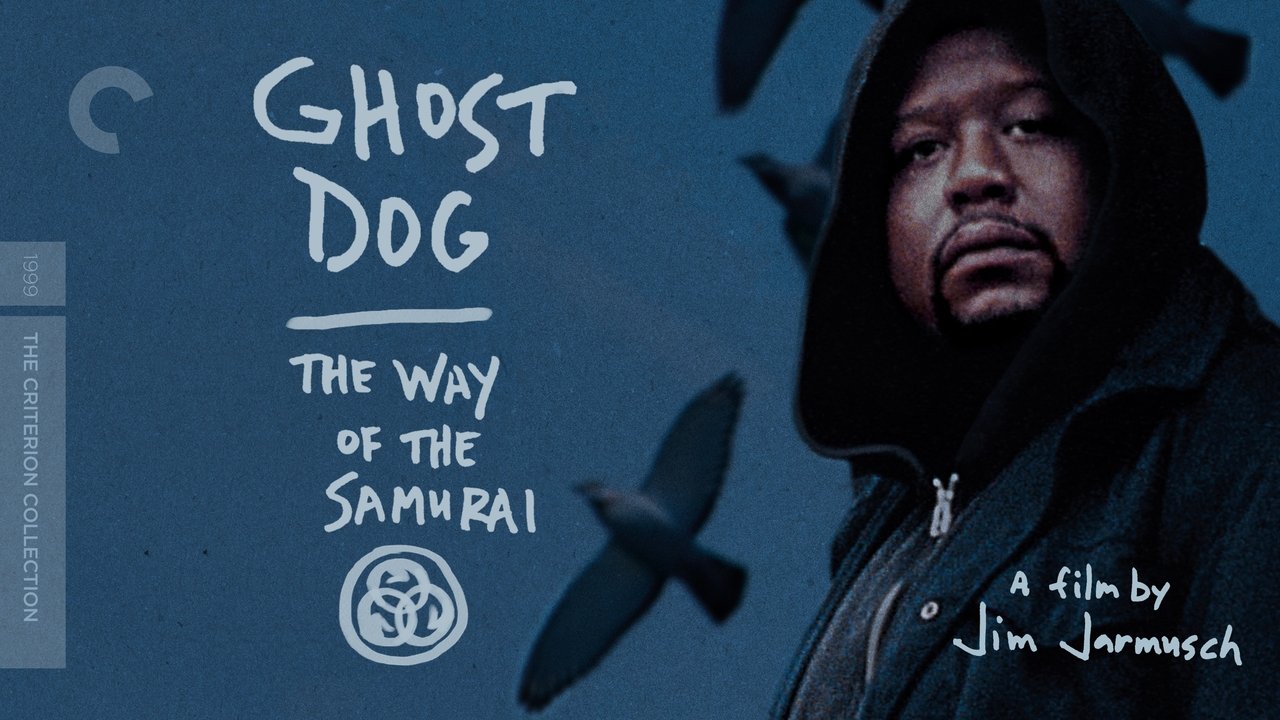
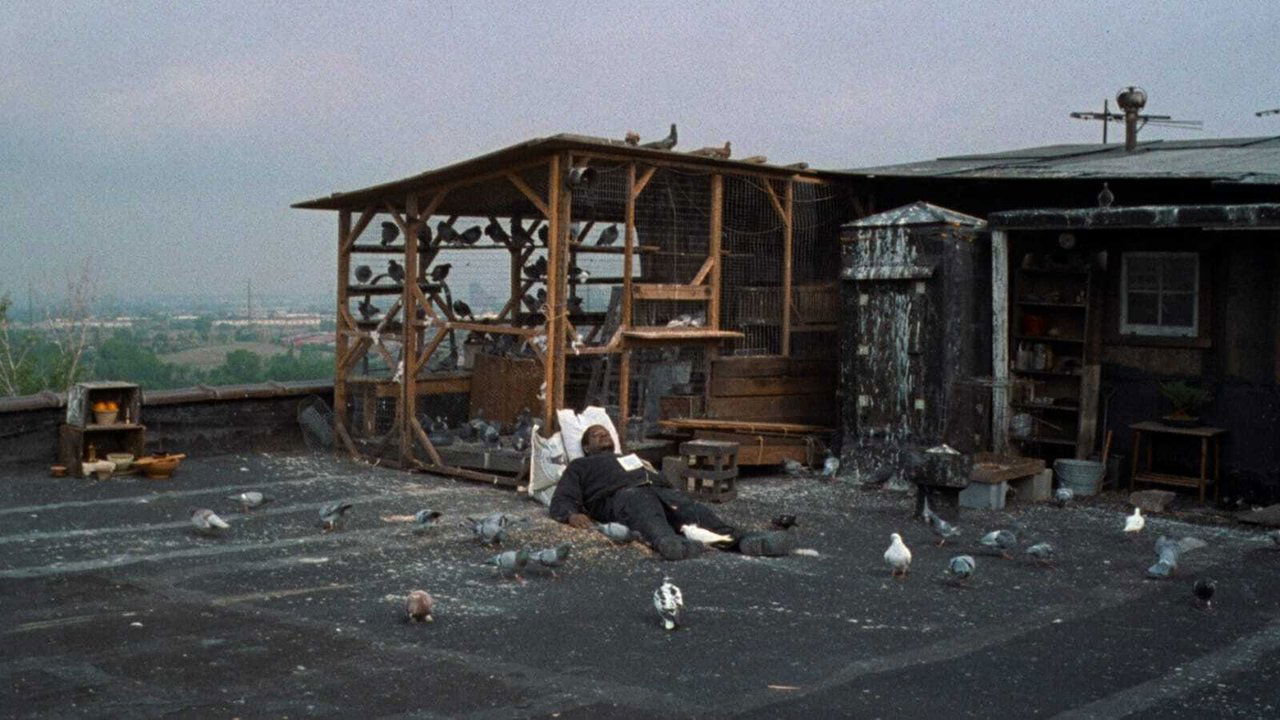
I recently rewatched this while dealing with a mild obsession with sourdough starter, and honestly, the patient, slow-burn fermentation of the plot felt weirdly relatable. Jim Jarmusch—the patron saint of indie cool who previously gave us Dead Man and Stranger Than Paradise—doesn't care about your need for high-speed chases. He wants you to watch a man communicate via carrier pigeon.
The Heavy Weight of the Blade
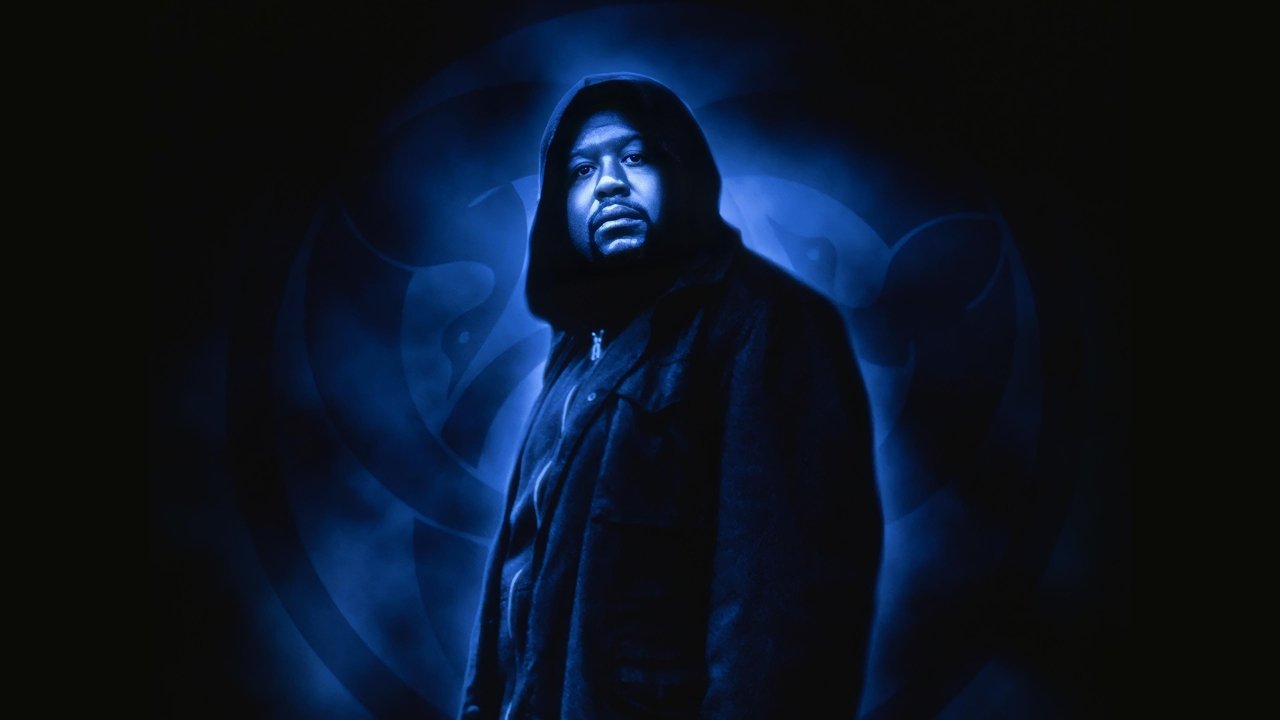
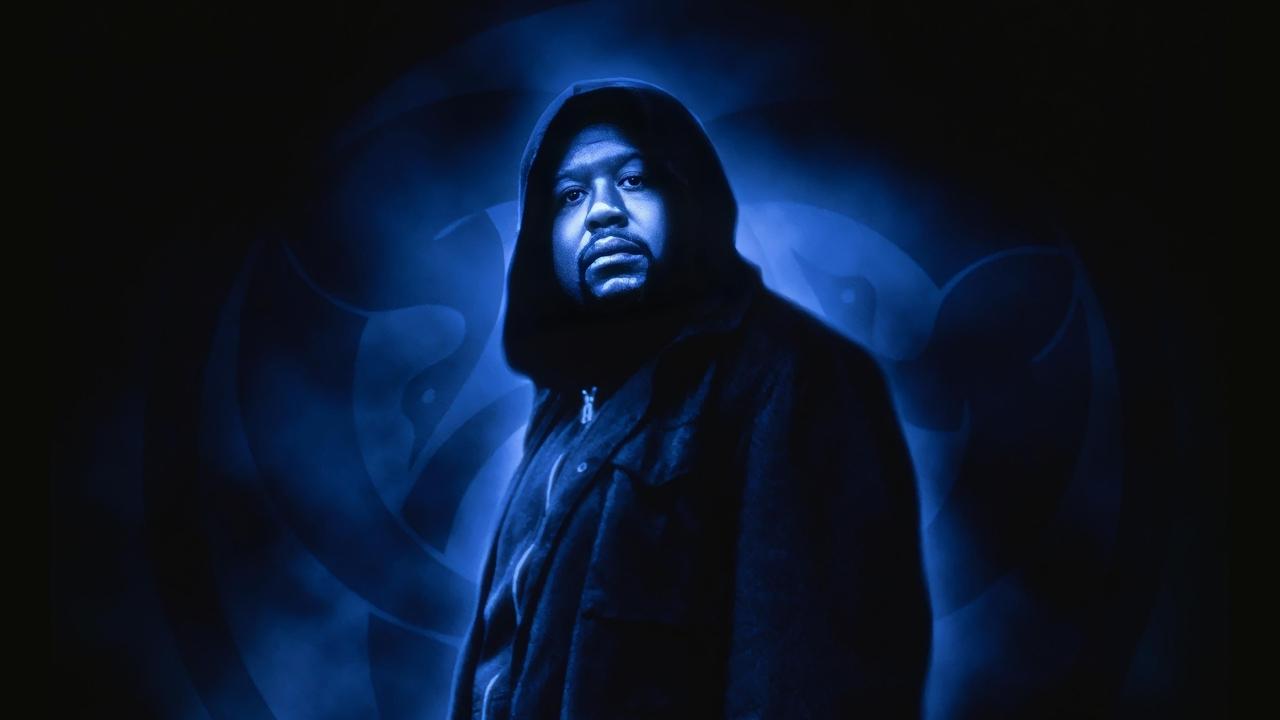
At the center of this weird orbit is Forest Whitaker. If you only know him from his more frantic, high-energy roles, his performance here is a revelation of stillness. He plays Ghost Dog, a hitman who lives on a rooftop and follows the ancient "Way of the Samurai" with a religious fervor. He’s not a lean, wiry ninja; he’s a large, imposing man who moves with a surprising, ghostly grace.
The plot kicks off when a hit goes sideways because of a girl and a cartoon, leading the local mob syndicate—a group of aging, out-of-touch gangsters—to decide Ghost Dog has to go. The genius of the film is how it treats its protagonist’s lethal skills with a quiet solemnity while portraying the "Mafia" as a bunch of wheezing, geriatric relics who can’t pay their rent and spend their days watching Itchy & Scratchy. The mobsters in this film are so hilariously inept they make the Sopranos look like the Avengers.
John Tormey is fantastic as Louie, the low-level mobster Ghost Dog considers his "master" because Louie saved his life years ago. Their relationship is the emotional anchor—a bond based on a misunderstanding of honor that eventually leads to an inevitable, tragic conclusion.
A Symphony of Grit and Vinyl
You can’t talk about Ghost Dog without talking about RZA. This was the Wu-Tang mastermind’s first foray into film scoring, and he didn't just provide a soundtrack; he provided a heartbeat. The lo-fi, dusty loops of the score feel like they were sampled directly from the city's exhaust pipes. It’s melancholic and tough, grounding the more fantastical elements of the samurai code in the reality of the street.
The cinematography by Robby Müller (the man behind the lens of Paris, Texas) avoids the "MTV aesthetic" that plagued so many 1999 films. Instead, he uses slow fades and lingering shots of birds in flight, contrasting the violence of Ghost Dog’s profession with the peace of his philosophy. There is a specific shot of Ghost Dog practicing with his katana in the moonlight that is pure visual poetry—it captures that late-90s indie spirit where mood mattered way more than a polished CG finish.
The Hustle of the Indie Spirit
Looking back, Ghost Dog is a masterclass in independent resourcefulness. Produced for a lean $2 million, it feels far more expansive than its budget suggests. Jim Jarmusch famously wrote the script specifically for Forest Whitaker, knowing that without that specific physical presence, the whole "samurai in the ghetto" concept might have tipped over into parody.
The production was a true "friends and favors" affair. RZA doesn't just score the film; he pops up in a cameo wearing a camouflage jacket, signaling a crossover of underground royalty. The film found its legs on the festival circuit, specifically at Cannes, where it baffled and delighted critics who weren't expecting a Zen-like hitman drama. It’s a film that exists because of artistic stubbornness. If a major studio had touched this, they would have replaced the carrier pigeons with encrypted burner phones and ruined the soul of the thing.
There’s a beautiful, recurring subplot involving Ghost Dog’s best friend, Raymond (played by Isaac De Bankolé), a French-speaking ice cream truck driver. Ghost Dog doesn't speak French, and Raymond doesn't speak English, yet they understand each other perfectly. In a movie about rigid codes and violent hierarchies, this wordless friendship is the most "human" thing on screen.
The film is a somber, stylish, and deeply weird artifact from a time when indie directors were allowed to take big, structural risks with genre. It doesn't offer the easy adrenaline of a standard thriller, and its ending is a gut-punch of duty over self-preservation. It’s a story about a man who chooses to live in a world that no longer exists, and the dignity—and doom—that comes with that choice. If you want a film that feels like a cold night, a sharp blade, and a great beat, this is your stop.
Keep Exploring...
-
Irreversible
2002
-
Night on Earth
1991
-
The Basketball Diaries
1995
-
Bound
1996
-
Elephant
2003
-
Bad Lieutenant
1992
-
Dead Man
1995
-
Coffee and Cigarettes
2004
-
This Is England
2007
-
Felon
2008
-

Blood and Bone
2009
-
Bronson
2009
-
Undisputed III: Redemption
2010
-

Leviathan
2014
-

Léon: The Professional
1994
-
Trainspotting
1996
-
Boys Don't Cry
1999
-

Requiem for a Dream
2000
-
Memories of Murder
2003
-
Kids
1995