Girl, Interrupted
"The thin line is thinner than you think."
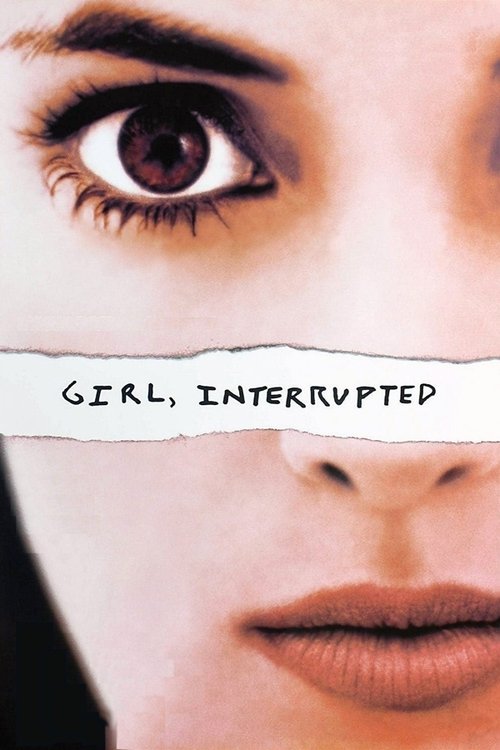
I remember watching Girl, Interrupted for the first time on a grainy VHS I’d borrowed from a friend whose older sister definitely shouldn't have let us have it. It was 2001, the world was shifting, and I was at that age where being "misunderstood" was practically a personality trait. I watched it while sitting on a beanbag chair that smelled vaguely of old popcorn and Febreze, and for 127 minutes, I was convinced that Winona Ryder was the only person on the planet who truly got me. Looking back twenty-five years later, the film feels less like a diary entry and more like a fascinating time capsule of the late 90s attempting to reckon with the messy, unpolished reality of the 1960s.

The Ambiguity of the "Short Rest"
Directed by James Mangold (well before he was playing with mutants in Logan), the film is an adaptation of Susanna Kaysen’s memoir. It’s set in 1967, but it reeks of 1999—that specific brand of pre-Y2K angst where everyone was questioning the systems they lived in. Winona Ryder plays Susanna, a young woman who "chases a bottle of aspirin with a bottle of vodka" and finds herself committed to Claymoore Hospital with a diagnosis of Borderline Personality Disorder.
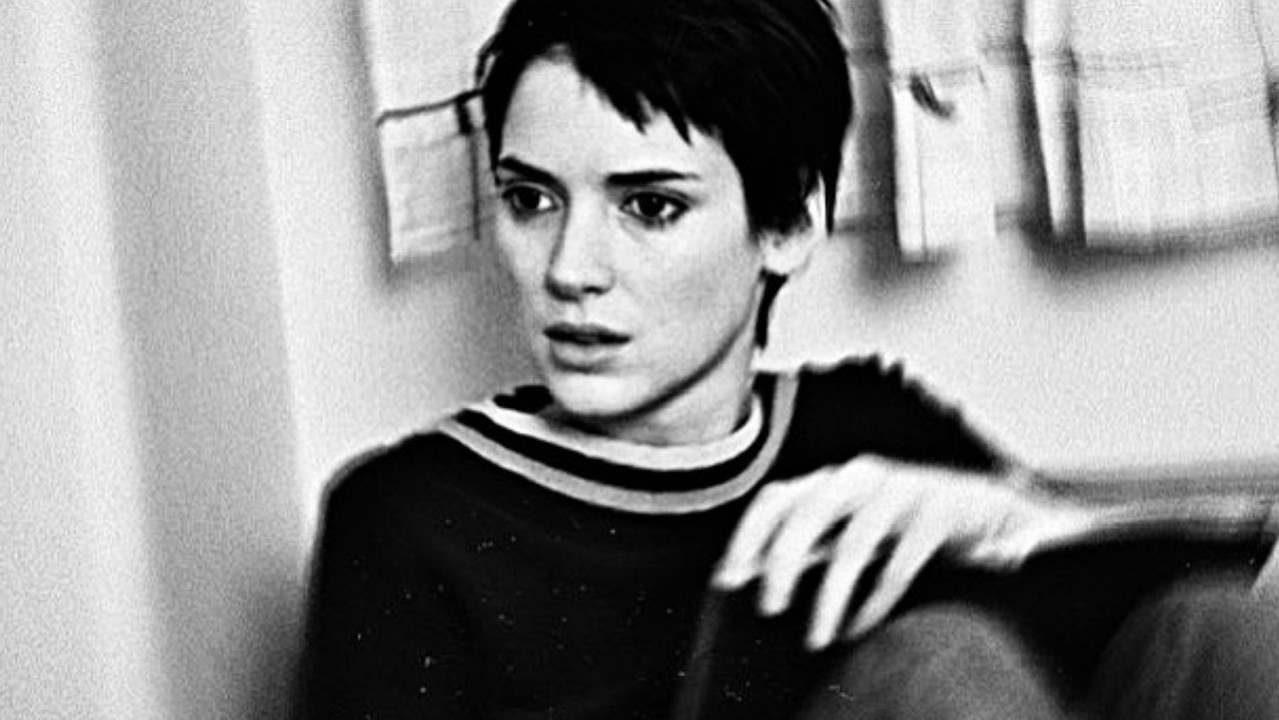
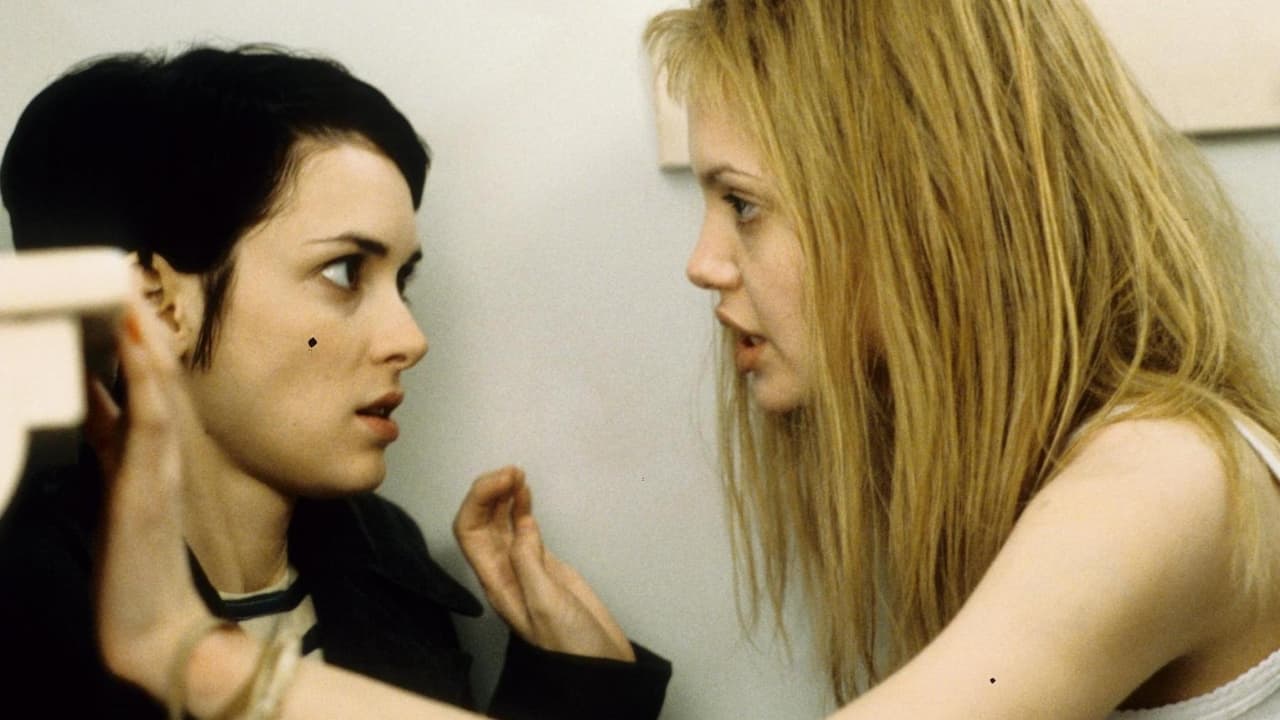
What I find striking now is how the film treats the diagnosis itself. It doesn't treat it as a definitive "brokenness" but as a terrifyingly vague label. The script asks a question that still feels relevant: is Susanna actually ill, or is she just a sensitive soul who refuses to participate in the stifling, manicured expectations of 1960s womanhood? Winona Ryder gives a performance that is basically a masterclass in internalised panic. She’s quiet, observant, and often lets the camera just sit on her expressive face. It’s easy to overlook her because she’s surrounded by such loud, jagged performances, but she is the essential anchor. Without her grounded presence, the movie would fly off into melodrama.
The Jolie Juggernaut
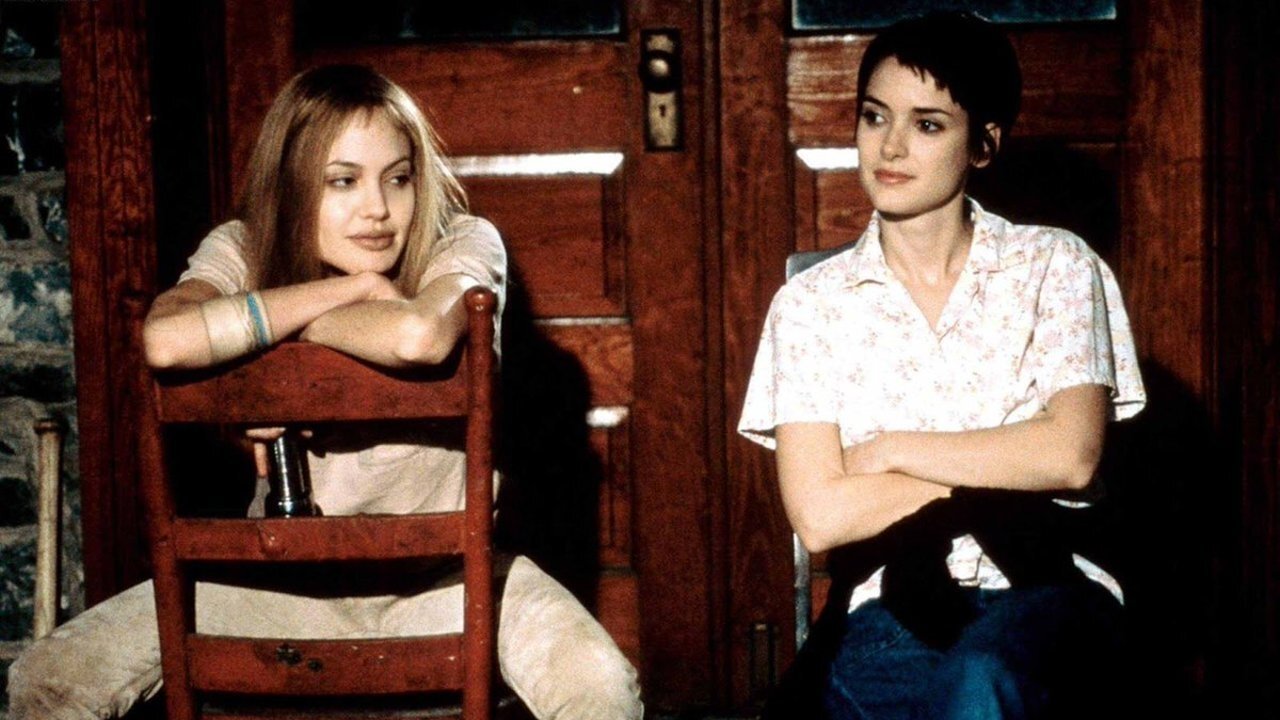
Of course, we have to talk about Lisa. If Winona Ryder is the anchor, Angelina Jolie is the storm. Her portrayal of the sociopathic Lisa Rowe didn’t just win her an Oscar; it essentially launched her into the stratosphere of Hollywood royalty. Watching her now, you can see her actively sucking the air out of every room she walks into, and I mean that as a compliment.
Lisa is the "cool girl" of the psych ward—charismatic, cruel, and seemingly free from the constraints of "normal" society. She represents the seductive danger of giving up on reality entirely. There’s a philosophical tug-of-war happening between Susanna and Lisa. Lisa argues that the world outside is the real asylum and staying "inside" is the only way to be honest. It’s a compelling, nihilistic argument that resonated deeply with the grunge-era audiences of the late 90s. Interestingly, Angelina Jolie reportedly stayed in character throughout the shoot, avoiding Winona Ryder to maintain the tension between them. That friction is palpable; you can feel the genuine unease whenever they share the screen.
The Claymoore Collective
While the Ryder-Jolie dynamic is the engine, the supporting cast is what makes the film feel like a lived-in world. A pre-fame Elisabeth Moss is heartbreaking as Polly, a girl living behind the scars of a fire, and Clea DuVall brings a dry, grounded cynicism to Georgina. Then there’s Brittany Murphy as Daisy. Her performance is the one that arguably hits the hardest today. There’s a vulnerability in her eyes that feels almost too real, especially during the infamous "chicken" scene in her new apartment. It’s a sequence that shifts the movie from a moody drama into something genuinely haunting.
I’d be remiss not to mention Jared Leto as Tobias, Susanna’s boyfriend who wants to run away to Canada to avoid the draft. Honestly, Leto’s performance here is the cinematic equivalent of a wet paper towel, but in a way, it works. He represents the "normal" life Susanna is supposed to want, and he’s so profoundly boring that you totally understand why she’d rather hang out in a basement with a group of "crazy" people.
A Cult Classic Reassessed
Upon its release, many critics dismissed Girl, Interrupted as "One Flew Over the Cuckoo's Nest for girls," a label that feels both lazy and dismissive. Over the years, it has found a permanent home in the hearts of those who felt marginalized or "interrupted" by their own mental health journeys. It’s a film that doesn't offer easy answers or a magical "cured" montage at the end. Instead, it suggests that recovery is a choice you have to make every single day.
The production itself was a bit of a battle. James Mangold had to fight to keep the film from becoming a standard "inspirational" story. The real Susanna Kaysen famously disliked the film, calling it "melodramatic drivel," but I think that’s because the movie prioritizes emotional truth over literal accuracy. It captures how it feels to be twenty and lost, which is why it continues to find new fans on streaming platforms decades after its theatrical run ended.
Ultimately, Girl, Interrupted is a film about the courage it takes to be "normal" in a world that often feels anything but. It’s a beautifully shot, superbly acted drama that managed to capture the specific intersection of 60s rebellion and 90s introspection. While some of the dialogue feels a bit "on the nose" by today’s standards, the core performances ensure it remains a vital, affecting watch. It’s a reminder that sometimes we all need a short rest—just as long as we don't forget the way back out.
Keep Exploring...
-
Cop Land
1997
-
Walk the Line
2005
-
Identity
2003
-
Boogie Nights
1997
-
10 Things I Hate About You
1999
-
Magnolia
1999
-

I Am Sam
2001
-

The Legend of 1900
1998
-
All About My Mother
1999
-

Spirit: Stallion of the Cimarron
2002
-
Big Fish
2003
-
Awakenings
1990
-

What's Eating Gilbert Grape
1993
-
Coach Carter
2005
-

The Wrestler
2008
-
Moonrise Kingdom
2012
-
The Book Thief
2013
-
Night on Earth
1991
-
Whisper of the Heart
1995
-
American Psycho
2000