House on Haunted Hill
"Stay the night. Get rich. Try not to die."
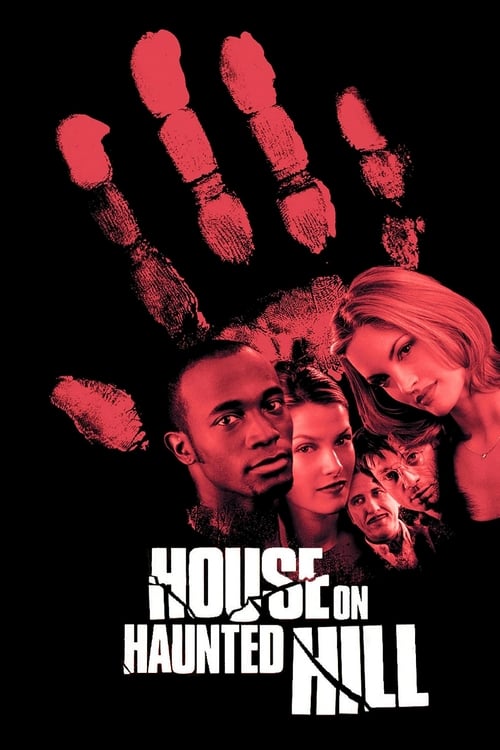
The Vannacutt Psychiatric Institute for the Criminally Insane is not a place where you’d expect to find a party, but in 1999, it was the only place to be. As the millennium drew to a close, horror was in a strange, transitional puberty. We were moving away from the meta-slasher snark of Scream and toward the high-gloss, industrial-goth aesthetic that would eventually give way to the "torture porn" of the mid-2000s. Standing right at that crossroads was House on Haunted Hill, a remake that didn't just want to scare you—it wanted to throw a strobe light in your face and scream until you bought a soundtrack CD.
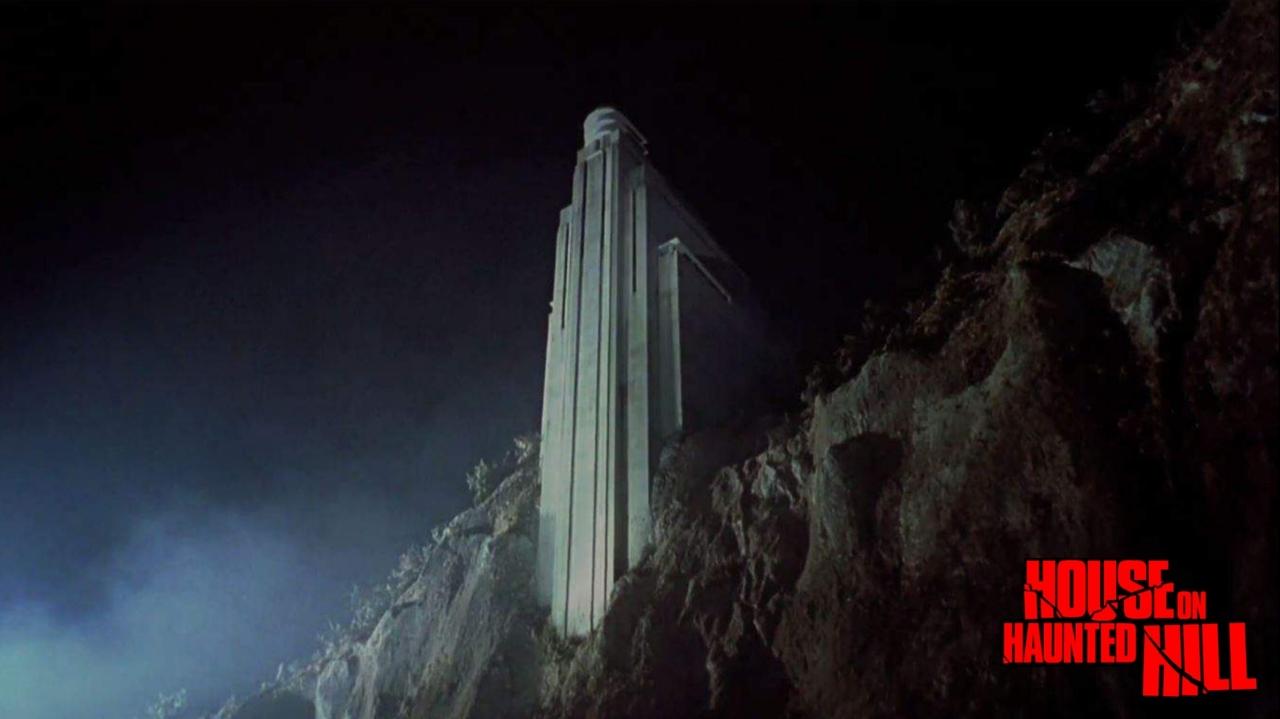
I recently revisited this one on a Tuesday night while nursing a lukewarm cup of peppermint tea that had a single, mysterious floating crumb in it. Surprisingly, the crumb didn't ruin the tea, and the years haven't ruined the movie. It’s a loud, messy, and deeply charismatic ghost train of a film that understands exactly what it is: a carnival attraction.
The Price of Admission
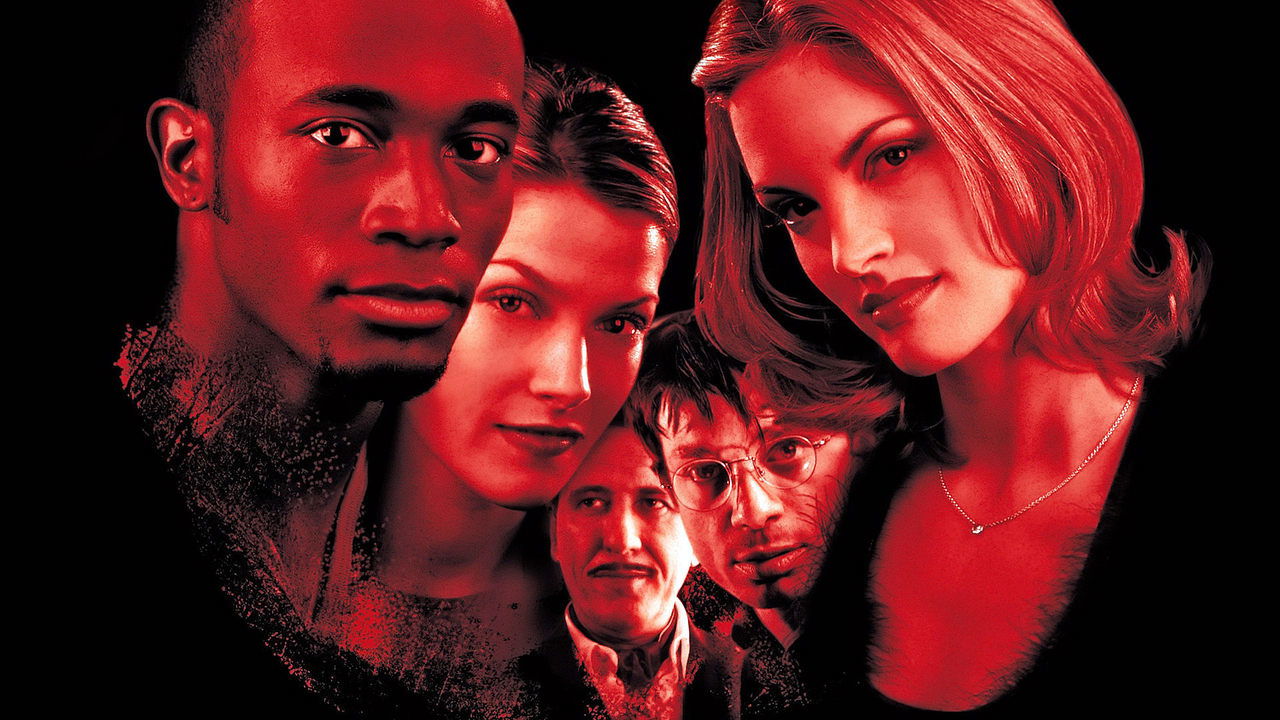
The setup is classic William Castle gimmickry updated for the "Matrix" generation. Geoffrey Rush stars as Stephen Price, an amusement park mogul who invites a group of strangers to a terrifying birthday party for his icy wife, Evelyn, played with delicious venom by Famke Janssen. The deal is simple: stay the night, stay alive, and walk away with $1 million. If anyone dies, their share is split among the survivors.
Geoffrey Rush is the undisputed MVP here. He isn't just playing a character; he is doing a full-throated, pencil-mustached homage to the legendary Vincent Price (hence the character name). Watching an Oscar winner lean this hard into the campy, theatrical villainy of a horror mogul is a genuine treat. He and Famke Janssen trade insults like they’re in a high-stakes divorce court held in a dungeon. Their chemistry isn't romantic—it's radioactive.
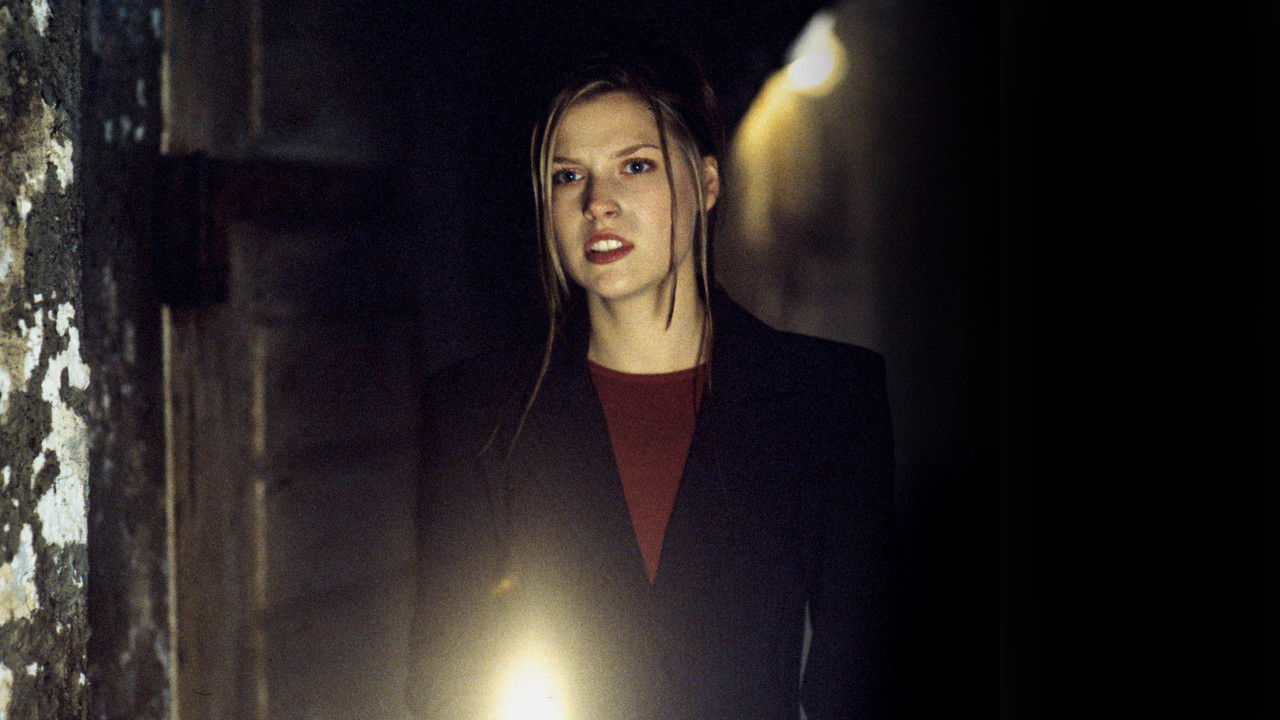
The rest of the cast is a perfect time capsule of 1999's B-list royalty. You’ve got Ali Larter (fresh off Varsity Blues), Taye Diggs, Peter Gallagher, and Chris Kattan. Chris Kattan is particularly fascinating here; he plays Watson Pritchett, the twitchy, neurotic owner of the house who spent the entire movie looking like he’d just been told his car was being towed from a funeral. It’s a frantic, sweaty performance that should be annoying, but somehow anchors the film’s high-strung energy.

Practical Nightmares and Digital Blunders
What strikes me most looking back at this era of filmmaking is the tug-of-war between practical effects and early CGI. Director William Malone (who previously gave us the cult creature feature Creature) has a real eye for the macabre. The opening credits and the various "shaky-cam" ghosts—achieved by filming actors moving at slow speeds and then cranking the frame rate—are genuinely unsettling. It’s a technique that feels very much of its time, reminiscent of music videos by Tool or Nine Inch Nails.
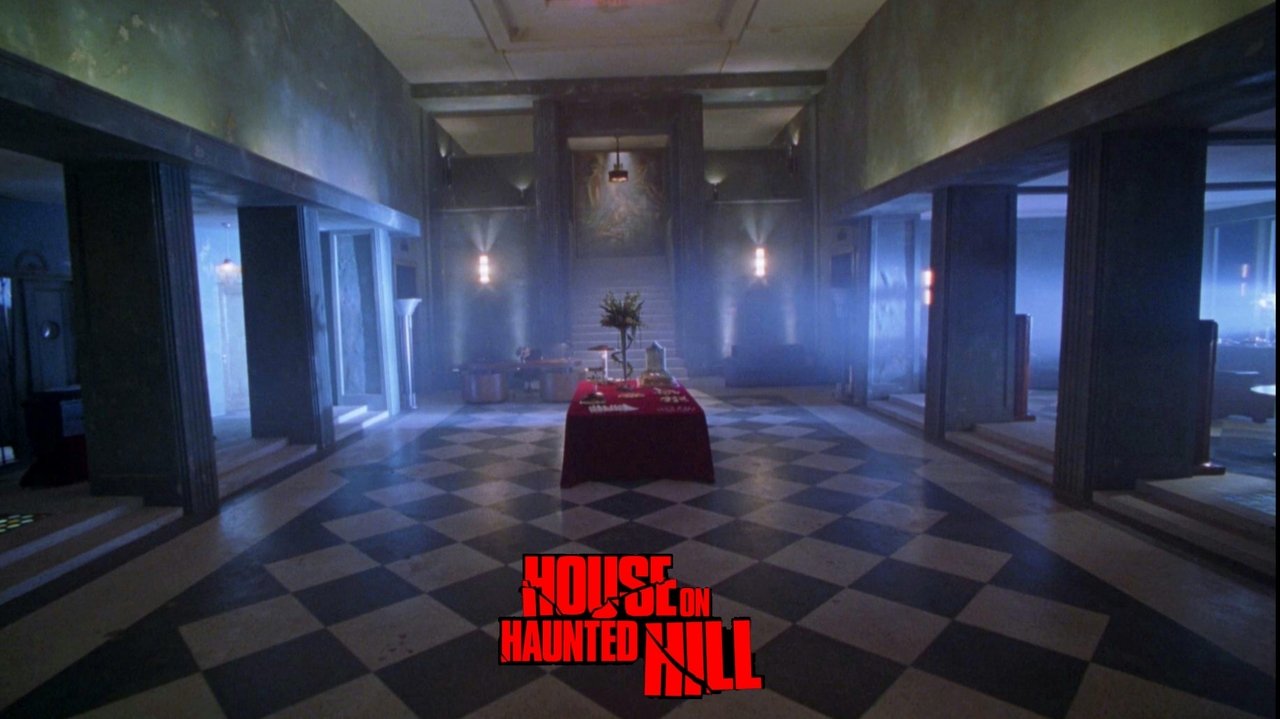
The house itself is a character, designed with a brutalist, Art Deco nightmare aesthetic. It doesn't look like a Victorian mansion; it looks like a factory designed to manufacture despair. The "Saturation Chamber" sequence remains a standout moment of psychological horror, utilizing strobes and distorted imagery to make the viewer feel as disoriented as the characters.
However, we have to talk about the "The Darkness." As the film reaches its climax, it abandons the clever practical makeup of Greg Nicotero and the KNB EFX Group in favor of a massive, shapeless CGI ink-blot monster. The ending looks like an MS Paint screensaver went rogue. In 1999, this was supposed to be the cutting edge of digital terror, but today it lacks the weight and presence of the physical ghosts that preceded it. It’s a classic example of the "CGI Revolution" overreaching its grasp before the technology was ready to handle abstract supernatural entities.
The Dark Castle Legacy
This was the inaugural film for Dark Castle Entertainment, a production house formed by Robert Zemeckis, Joel Silver, and Gilbert Adler specifically to remake William Castle's library. They were leaning into the "DVD Culture" that was just beginning to explode. I remember the original DVD release was a big deal—it featured "deleted scenes" and behind-the-scenes featurettes that felt like we were being let in on a secret.
The film feels like a bridge between eras. It has the DNA of a 1950s matinee, the budget of a late-90s blockbuster, and the mean-spirited edge of the coming decade. It doesn't care about "elevated horror" or deep metaphors. It cares about whether you’re having a good time while the walls start bleeding. While it was overshadowed at the time by The Blair Witch Project (which took horror in the opposite, low-fi direction), House on Haunted Hill has aged into a fantastic "vibe" movie. It captures that pre-Y2K anxiety where everything had to be "extreme," yet it maintains a sense of theatrical fun that is often missing from modern, dour horror.
Ultimately, House on Haunted Hill is a ride. It’s bumpy, the animatronics at the end are clearly broken, and the operator is laughing a little too hard at his own jokes, but you’ll want to get back in line once it's over. It’s a reminder of a time when horror movies were allowed to be garish, loud, and unashamedly weird. If you can forgive the dated digital effects, the performances and the sheer atmosphere of the Vannacutt Institute make it a house worth visiting—just don't expect to get your security deposit back.
Keep Exploring...
-
Mary Shelley's Frankenstein
1994
-
New Nightmare
1994
-
Dracula: Dead and Loving It
1995
-

Village of the Damned
1995
-
Mimic
1997
-
Halloween H20: 20 Years Later
1998
-
Vampires
1998
-
Lake Placid
1999
-
Stigmata
1999
-

The Gift
2000
-
Eight Legged Freaks
2002
-
The Mothman Prophecies
2002
-
House of 1000 Corpses
2003
-
Jeepers Creepers 2
2003
-

Seed of Chucky
2004
-
Wolf
1994
-
Urban Legend
1998
-
End of Days
1999
-
What Lies Beneath
2000
-

Queen of the Damned
2002