Magnolia
"Nine broken lives waiting for the sky to fall."
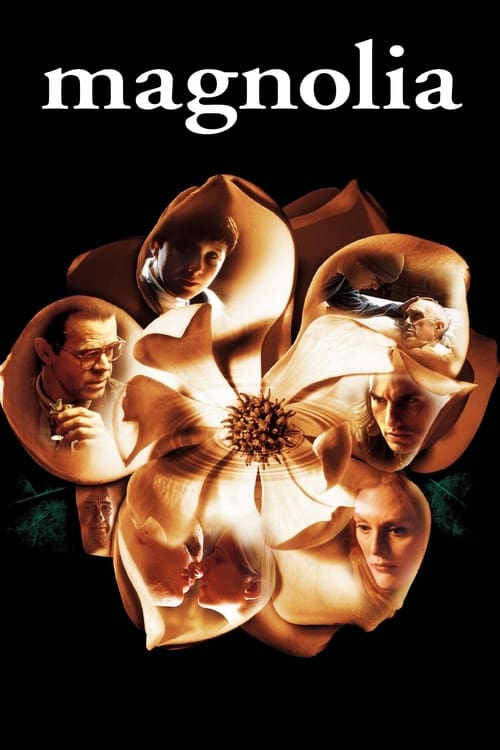
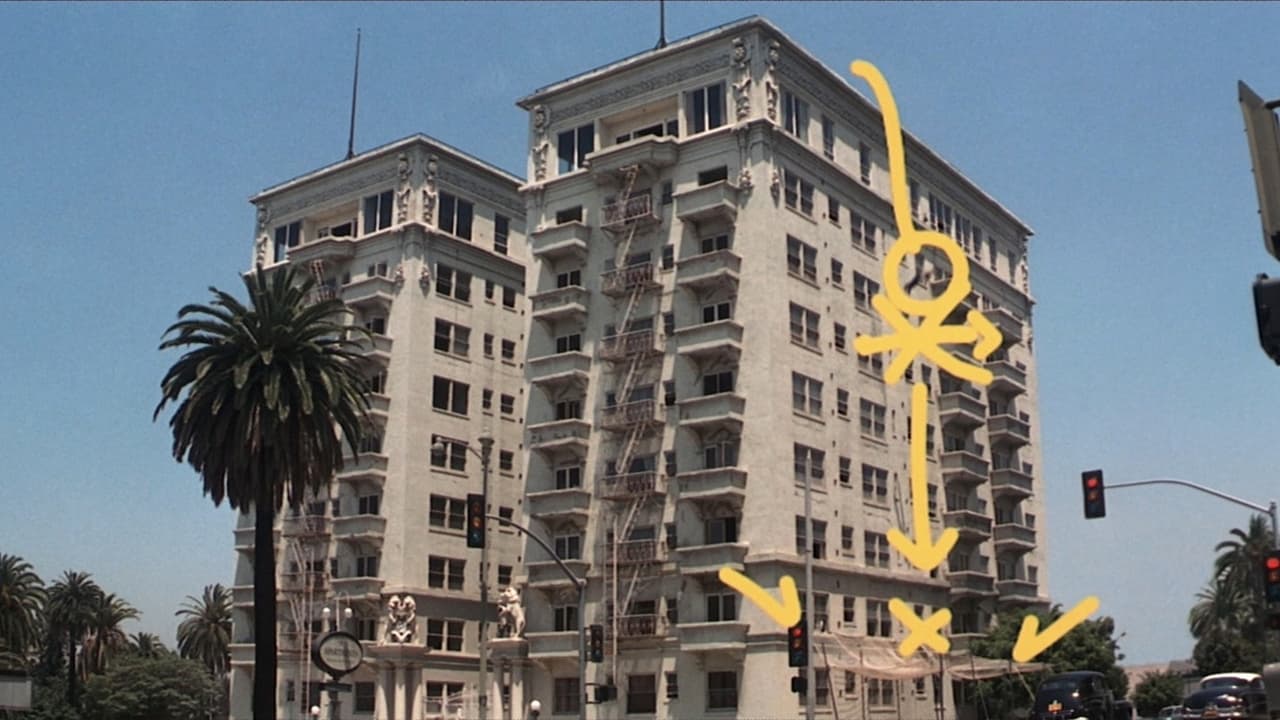
There is a moment in the prologue of Magnolia involving a scuba diver in a tree and a suicidal jumper shot mid-air by his own mother that tells you exactly what kind of ride you’re in for. It’s a sequence that argues against the idea of "coincidence" with the fervor of a street preacher. By the time the actual plot begins, you’re already leaning in, wondering how Paul Thomas Anderson (hot off the success of Boogie Nights) is going to tie a dying media mogul, a coked-up trophy wife, and a "Seduce and Destroy" motivational speaker into a single knot.
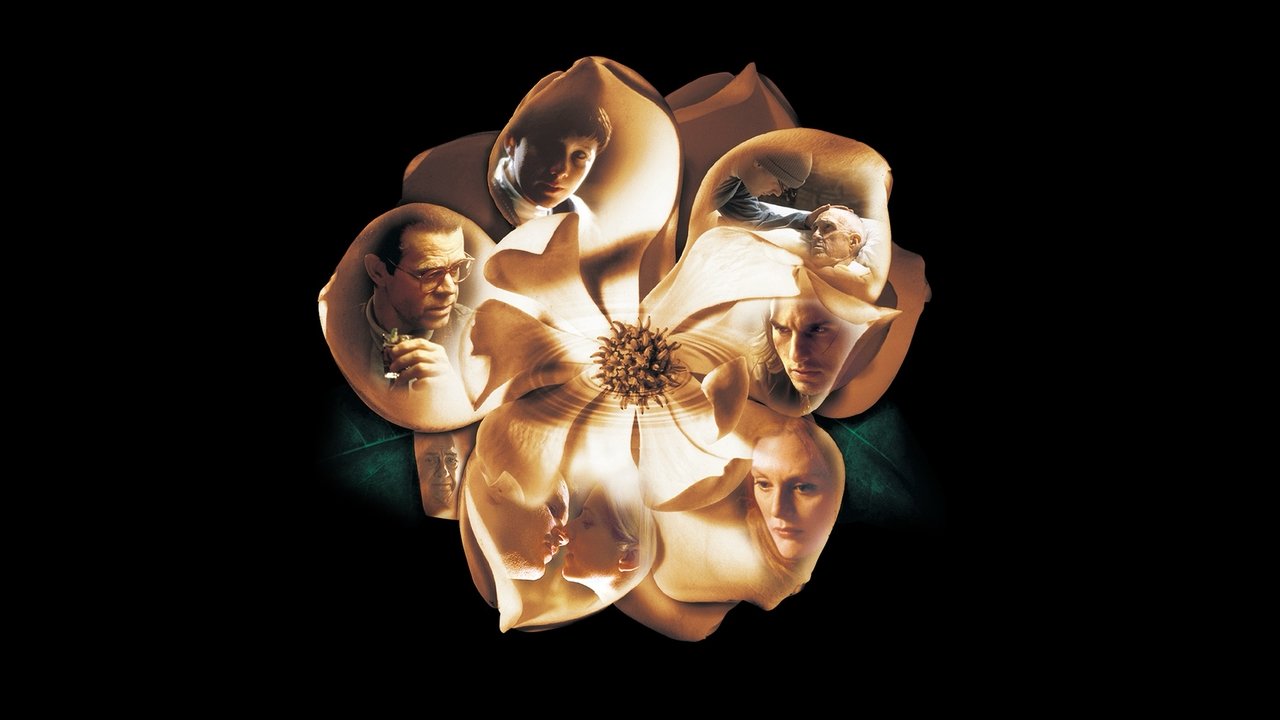
I recently rewatched this on a Sunday afternoon while my neighbor was power-washing his driveway for four straight hours, and strangely, the rhythmic drone of the water outside perfectly matched the escalating anxiety of Jon Brion’s ticking-clock score. It’s a long movie—three hours and nine minutes—but it moves with the frantic energy of a man trying to apologize for a lifetime of sins before the sun goes down.
The Gospel According to Frank T.J. Mackey
If you want to see the exact moment Tom Cruise decided he was more than just a running-man action star, this is it. His portrayal of Frank T.J. Mackey is an absolute lightning strike. He plays a professional misogynist who teaches insecure men how to "conquer" women, but when the mask slips during an interview with a journalist, you see the hollowed-out kid underneath. Tom Cruise’s Frank T.J. Mackey is the only role where he actually feels human precisely because he’s playing a man pretending to be a god. Apparently, Cruise reached out to Anderson after being obsessed with Boogie Nights, and Anderson handed him this role as a challenge. It remains the most vulnerable work Cruise has ever done.
But the film isn't just a Cruise vehicle. It’s an ensemble piece that functions like a grand pipe organ. You have Philip Seymour Hoffman (always the soul of any film he touched) as a tender nurse, and Julianne Moore as Linda Partridge, a woman having a full-blown existential meltdown in a pharmacy. Her performance is loud, jagged, and uncomfortable, but it earns its weight. Then there’s John C. Reilly as Officer Jim Kurring, a lonely cop who just wants to be a good man in a world that doesn’t seem to care about "good."
A Musical in Disguise
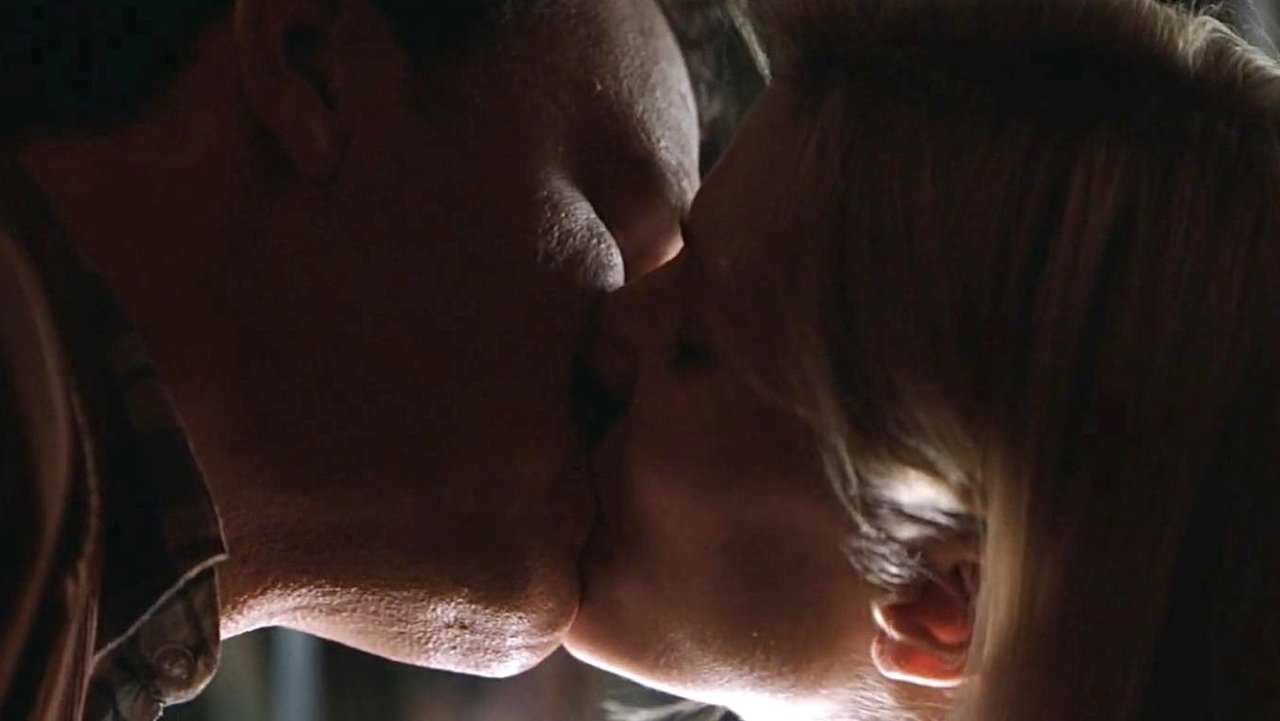
One of the most polarizing moments in 1990s cinema happens about two-thirds of the way through the film. Every major character, scattered across the San Fernando Valley, begins singing Aimee Mann’s "Wise Up" in unison. On paper, it’s the kind of theater-kid indulgence that should make any sane viewer roll their eyes into the back of their skull, but in the context of the film’s operatic DNA, it works. It’s the moment the movie stops being a collection of stories and becomes a shared consciousness.
Anderson actually wrote the script around Aimee Mann’s lyrics. This was the peak of the "DVD Special Feature" era, and I remember spending hours watching the That’s a Wrap documentary on the second disc, seeing how they meticulously synced those performances. It captures a specific Y2K-adjacent anxiety—the feeling that we are all interconnected by our traumas and our bad timing, even if we’re sitting alone in our cars.
The Forecast Calls for Amphibians
We have to talk about the frogs. If you haven't seen Magnolia, you’ve likely heard about the "event" that occurs in the final act. To some, it’s a "jump the shark" moment of biblical proportions. To me, it’s the only logical conclusion to a movie about the impossible nature of reality. Anderson sprinkles clues throughout—look for the "Exodus 8:2" references hidden on billboards, flyers, and even in the background of a game show set.
The production actually used thousands of rubber frogs mixed with a few real ones, and the CGI (state-of-the-art for 1999) still holds up because it’s used to enhance the surrealism rather than replace it. It’s a daring, weird, and deeply philosophical choice that asks: if life is a series of cruel coincidences, why can't it also be a series of miracles? It’s the kind of "blank check" filmmaking we rarely see from major studios anymore. New Line Cinema gave Anderson $37 million and total creative control, and he used every cent to tell a story about a kid who’s too smart for his own good and a father who’s too late to be forgiven.
Magnolia is a maximalist masterpiece that refuses to be small. It’s messy, it’s arguably thirty minutes too long, and it wears its heart on its sleeve so prominently that it’s practically bleeding. But in an era of increasingly sanitized dramas, its raw, unfiltered emotionality feels like a gift. It’s a film that demands you look up, even when everything is falling down. If you’re looking for a quiet evening, look elsewhere; if you want to feel like you’ve lived nine lives in three hours, this is your movie.
Stuff You Didn't Notice
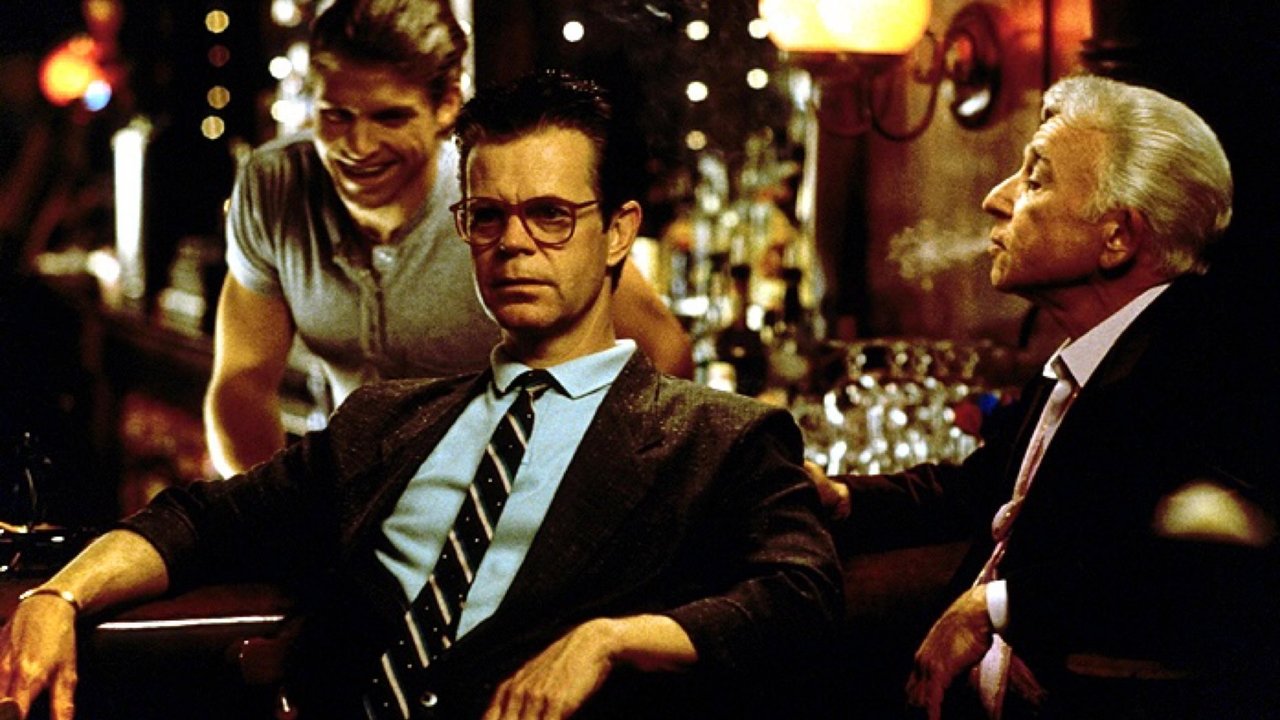
William H. Macy wore real braces for his role as "Quiz Kid" Donnie Smith to lean into the character’s arrested development. The painting of the "hanging man" in the prologue is actually a portrait of Paul Thomas Anderson's father, Ernie Anderson. In the scene where Julianne Moore screams in the pharmacy, the background extras weren't told how intense she was going to be, so their shocked reactions are genuine. The film’s runtime is exactly 188 minutes; the "frogs" are foreshadowed by the numbers 8 and 2 appearing constantly (Exodus 8:2). Henry Gibson, who plays the man in the bar who insults Donnie, was a veteran of Robert Altman's Nashville*—a huge influence on the film’s multi-narrative structure.
Keep Exploring...
-
Boogie Nights
1997
-
Punch-Drunk Love
2002
-
The Master
2012
-

Hard Eight
1997
-
There Will Be Blood
2007
-
Inherent Vice
2014
-
10 Things I Hate About You
1999
-
Girl, Interrupted
1999
-

What's Eating Gilbert Grape
1993
-
Licorice Pizza
2021
-
A Few Good Men
1992
-
The Legend of 1900
1998
-
All About My Mother
1999
-
Spirit: Stallion of the Cimarron
2002
-
Big Fish
2003
-
Awakenings
1990
-
Coach Carter
2005
-
The Wrestler
2008
-
Moonrise Kingdom
2012
-
The Book Thief
2013