October Sky
"Sometimes the only way out is straight up."
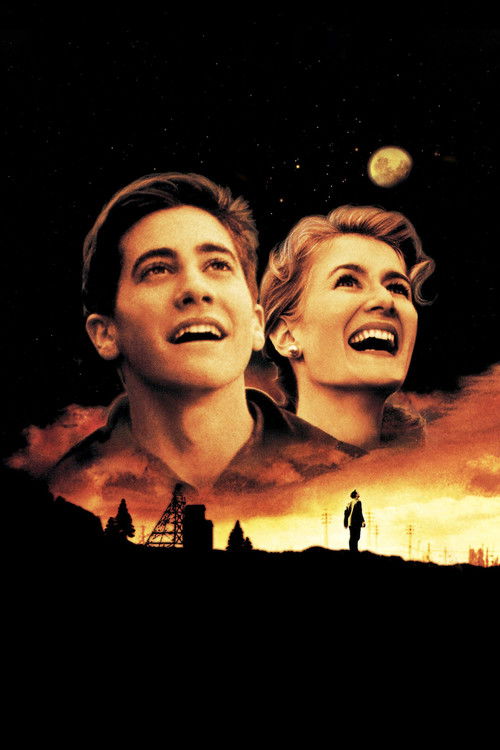
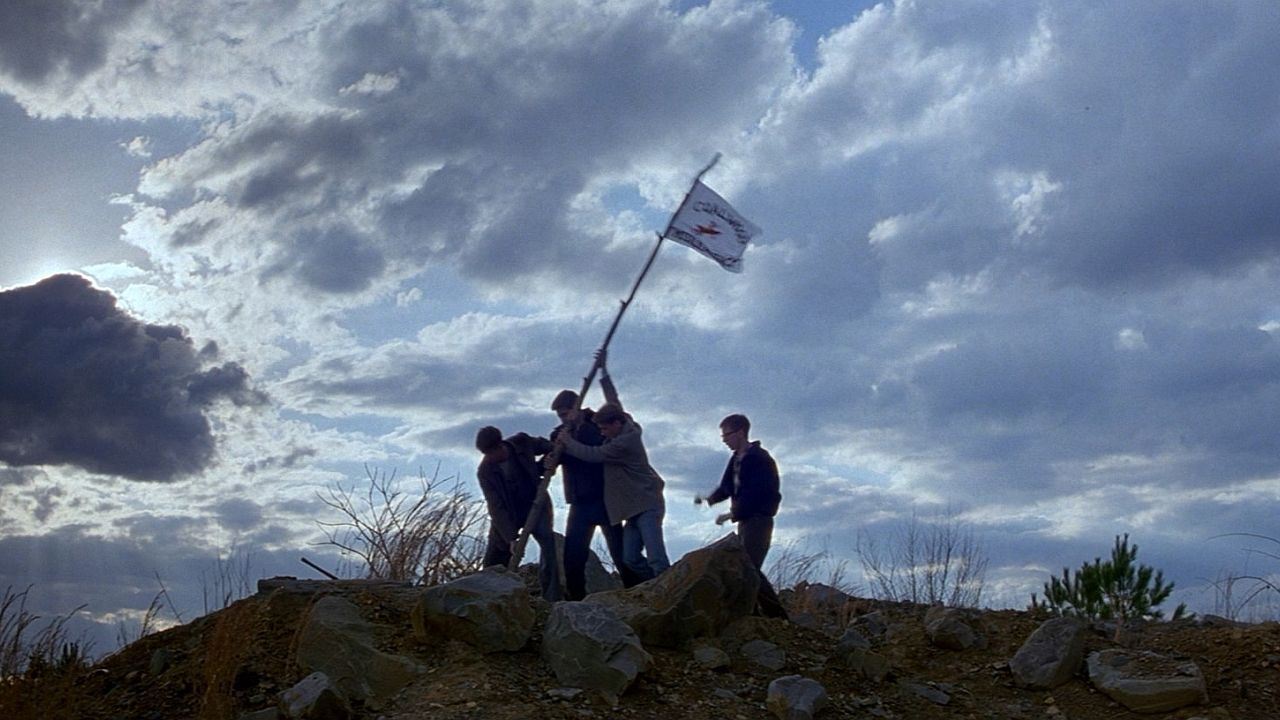
The first time I saw the Sputnik "blip" on screen in October Sky, I was eating a bowl of lukewarm SpaghettiOs, and the metallic tang of the sauce weirdly complemented the film’s industrial, rust-belt atmosphere. It’s a small, mundane memory, but that’s exactly how this movie operates. It takes the cosmic—the literal reaching for the stars—and grounds it in the grit, soot, and domestic friction of a West Virginia coal town.
Released in the legendary cinematic vintage of 1999, October Sky often gets buried under the gargantuan shadows of The Matrix, Fight Club, or Magnolia. While those films were busy dismantling reality or reinventing the visual language of the new millennium, director Joe Johnston was doing something arguably more radical: he was making a sincere, intellectual drama about the friction between generational duty and the agonizing birth of the Space Age. It’s a film that has largely slipped into the "classroom movie" category, which is a shame. It deserves better than being the thing played when a substitute teacher wants to nap.
The Gravity of the Company Town
At its core, October Sky is a philosophical duel between two different types of darkness. On one side, you have the mine: a literal hole in the ground that provides a living but eventually claims the lungs and lives of those who enter it. On the other, you have the night sky: an infinite, unexplored void that offers no guarantees but promises a version of freedom.
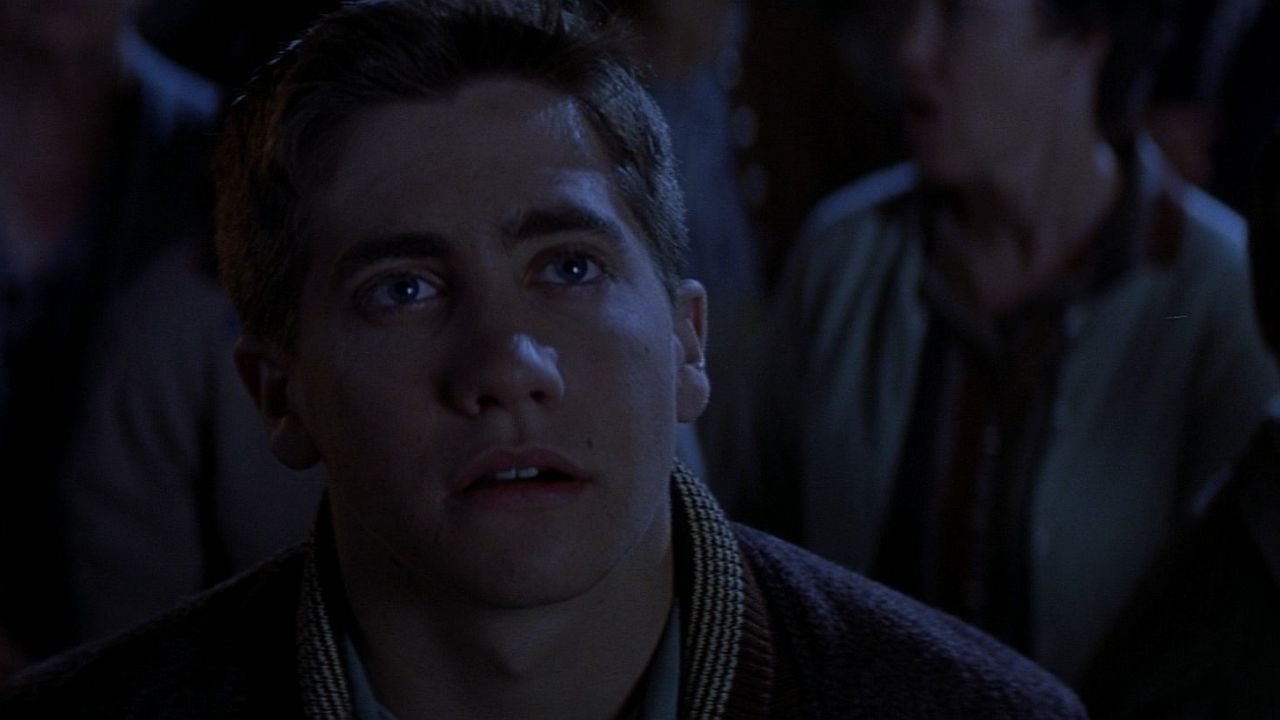
A young Jake Gyllenhaal, in one of his first major roles as Homer Hickam, carries an incredible weight on his shoulders. You can see the gears turning behind his eyes—this isn't just a kid who wants to build a "cool" gadget; this is a boy grappling with the terrifying realization that his geography is his destiny. Chris Cooper, playing Homer’s father John, is the perfect foil. Chris Cooper’s chin deserves its own SAG award for the way it sets in stubborn defiance against his son's dreams. John isn't a "villain" in the traditional sense; he’s a man who views the earth as something to be conquered for survival, not something to be escaped.
The film treats their conflict with a cerebral dignity. It asks: Is it a betrayal to want more than what your father sacrificed his life to give you? The script by Lewis Colick (based on Hickam’s memoir Rocket Boys) avoids the easy "follow your heart" clichés of lesser biopics. Instead, it focuses on the math, the chemistry, and the grueling trial-and-error of scientific pursuit. The real villain isn't the father; it's the geological inevitability of coal.
Practical Sparks in a Digital Dawn
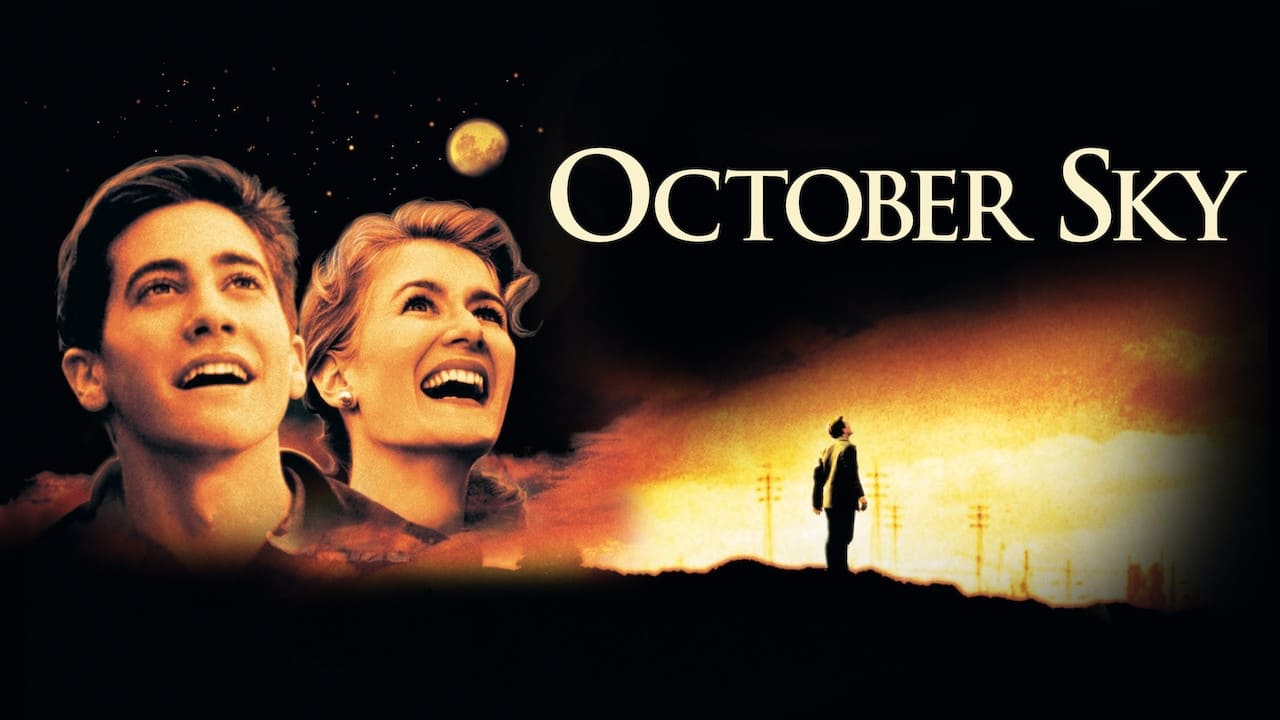
Watching October Sky today provides a fascinating look at the "Modern Cinema" transition. By 1999, CGI was starting to take over, but Joe Johnston—the man who gave us the practical brilliance of The Rocketeer and the original Jumanji—stays remarkably grounded here. When those rockets explode on the launchpad (and they explode a lot), you feel the heat. There’s a tactile, analog quality to the filmmaking that mirrors the boys' own struggles with scrap metal and stolen moonshine propellant.
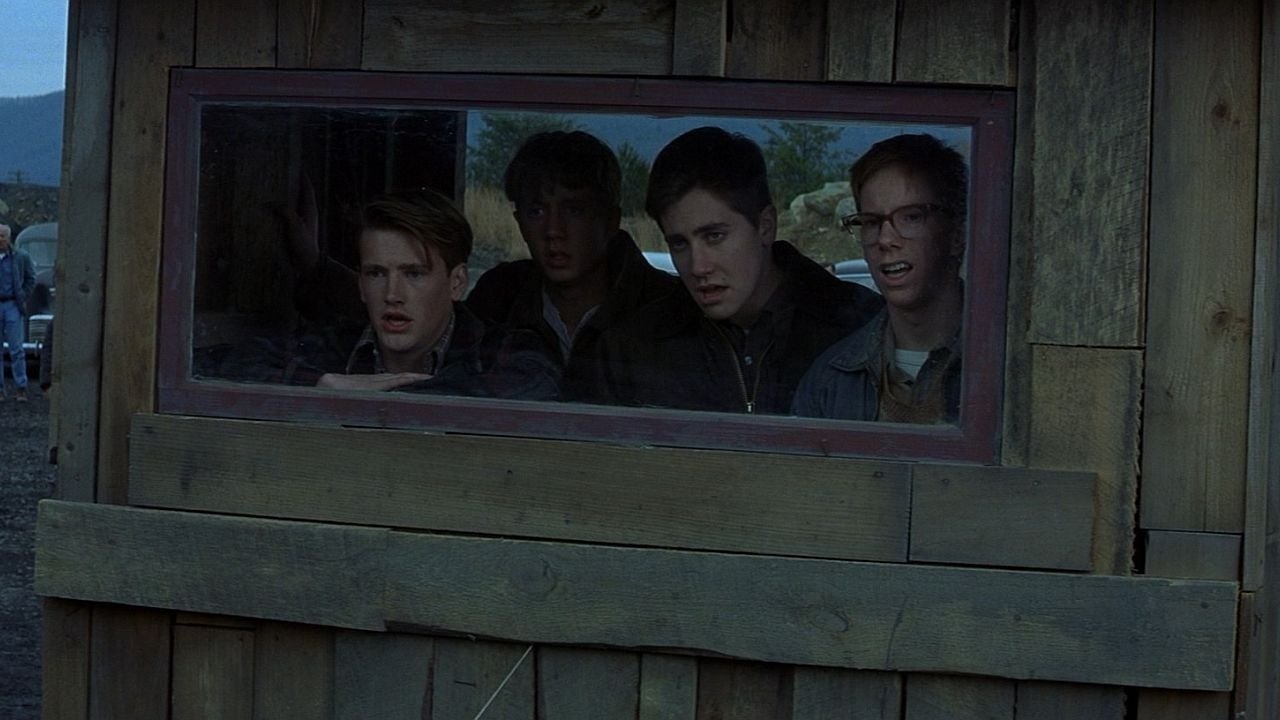
The supporting cast provides the necessary soul to keep the intellectual themes from becoming too cold. Laura Dern, as the ailing Miss Riley, avoids the "inspirational teacher" tropes by playing the role with a weary, desperate hope. She sees the boys as her own legacy, a way for her intellect to outlive her body. Meanwhile, Chris Owen (who would unfortunately be typecast as "The Sherminator" later that same year), William Lee Scott, and Chad Lindberg form a believable ensemble of outcasts. They aren't just "The Rocket Boys"; they are a micro-society trying to innovate their way out of a dying industry.
One of the more interesting bits of trivia involves the title itself. The studio was convinced that "Rocket Boys" wouldn't appeal to women and "Boys" wouldn't appeal to men (Hollywood logic at its finest). They landed on October Sky, which is an exact anagram of Rocket Boys. It’s a clever bit of linguistic engineering that mirrors the boys' own resourceful tinkering.
Why We Should Look Up Again
This film has largely vanished from the cultural conversation because it doesn't shout. It doesn't have a twist ending or a high-concept gimmick. It’s a quiet, thoughtful meditation on the human drive to transcend our surroundings. In an era where we are obsessed with "disruption," October Sky reminds us that true disruption often looks like a few kids in a basement with a slide rule and a dream of a better fuel mixture.
It captures that specific Y2K-era anxiety of looking toward a technological future while still being tethered to the physical, dirty labor of the past. It’s a "dad movie" in the best sense—one that respects the work of the hands while pleading for the freedom of the mind. If you haven't seen it since 9th-grade science class, or if you missed it entirely during the 1999 blockbuster blitz, it’s time to revisit the "Big Creek Missile Agency."
October Sky is a rare breed of drama that earns its emotional payoff through intellectual rigor rather than cheap sentiment. It’s a story about the cost of ambition and the heavy burden of legacy, anchored by a pair of career-defining performances from Jake Gyllenhaal and Chris Cooper. It reminds us that while the ground may hold our past, the sky is the only place left for our future. It’s a small, shining rocket of a film that still hits its mark decades later.
Keep Exploring...
-
A Little Princess
1995
-
Selena
1997
-

The Straight Story
1999
-

Hidalgo
2004
-

Talk to Her
2002
-

The Sea Inside
2004
-

I Am Sam
2001
-
Malcolm X
1992
-
My Cousin Vinny
1992
-

The Fall
2006
-
Synecdoche, New York
2008
-

Nebraska
2013
-

Three Colors: Red
1994
-
That Thing You Do!
1996
-
Neon Genesis Evangelion: The End of Evangelion
1997
-
A Dog's Will
2000
-

Millennium Actress
2002
-

Spring, Summer, Fall, Winter... and Spring
2003
-

In the Name of the Father
1993
-
The Bridges of Madison County
1995