Payback
"One very mean man wants his money back."
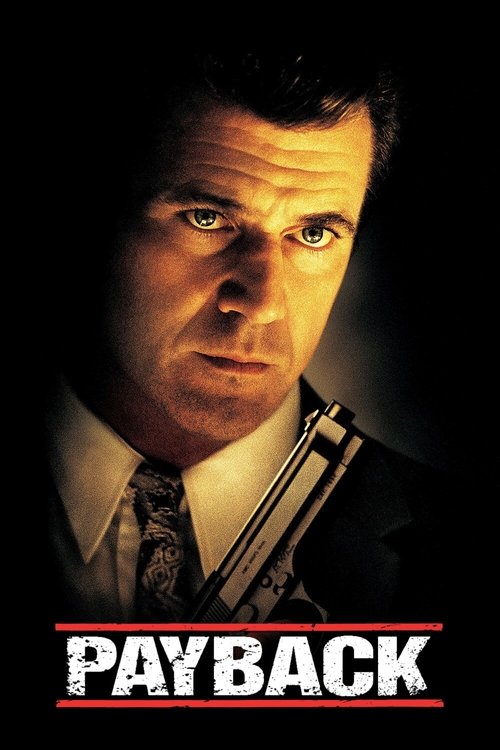
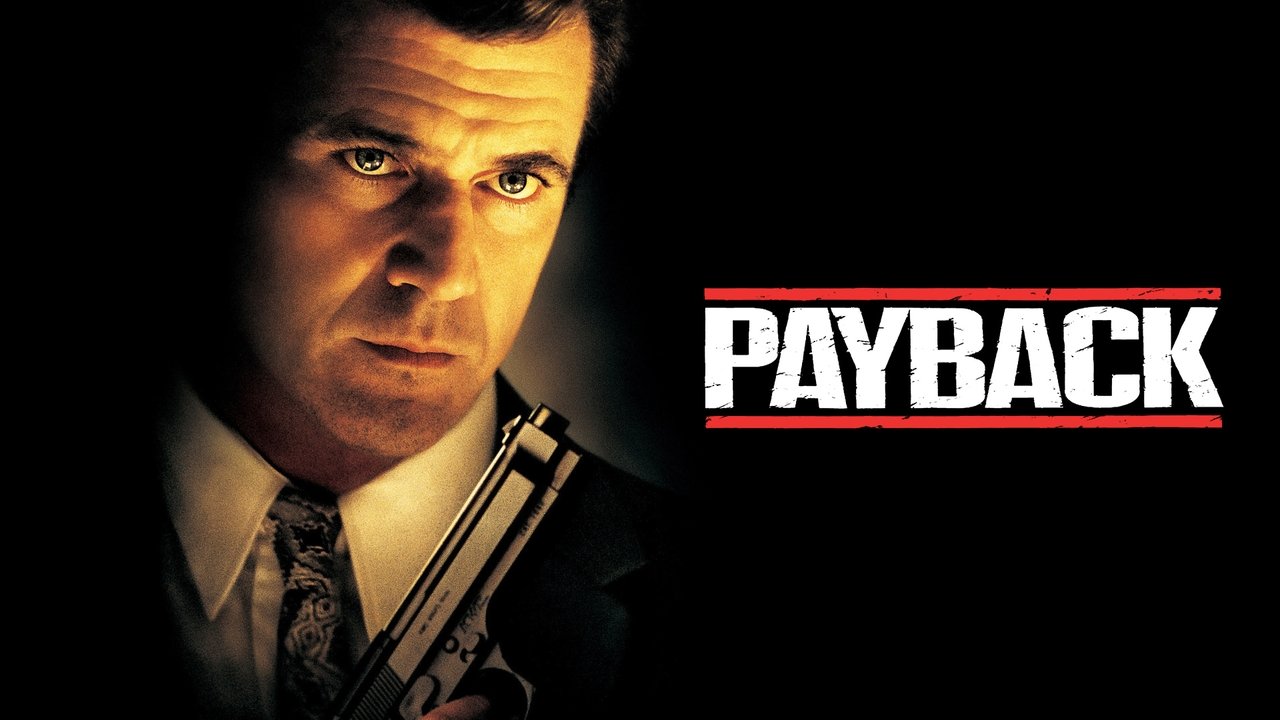
Seventy thousand dollars. In the grand scheme of 1990s Hollywood budgets, that’s barely enough to cover the catering for a week on a Mel Gibson set. Yet, for Porter, it’s a sum worth dying for—twice. When Payback hit theaters in early 1999, it arrived during a weirdly fertile period for the "anti-hero." We were just months away from The Sopranos changing television and Fight Club punching the zeitgeist in the mouth. Into this fray stepped Mel Gibson, shedding his Lethal Weapon (1987) charm to play a man so single-minded and stubborn that he’s essentially a force of nature in a cheap suit. I watched this while sitting in a beanbag chair that was slowly leaking its Styrofoam guts across my floor, which felt appropriate for a movie about things falling apart.
A Cold Blue Grudge
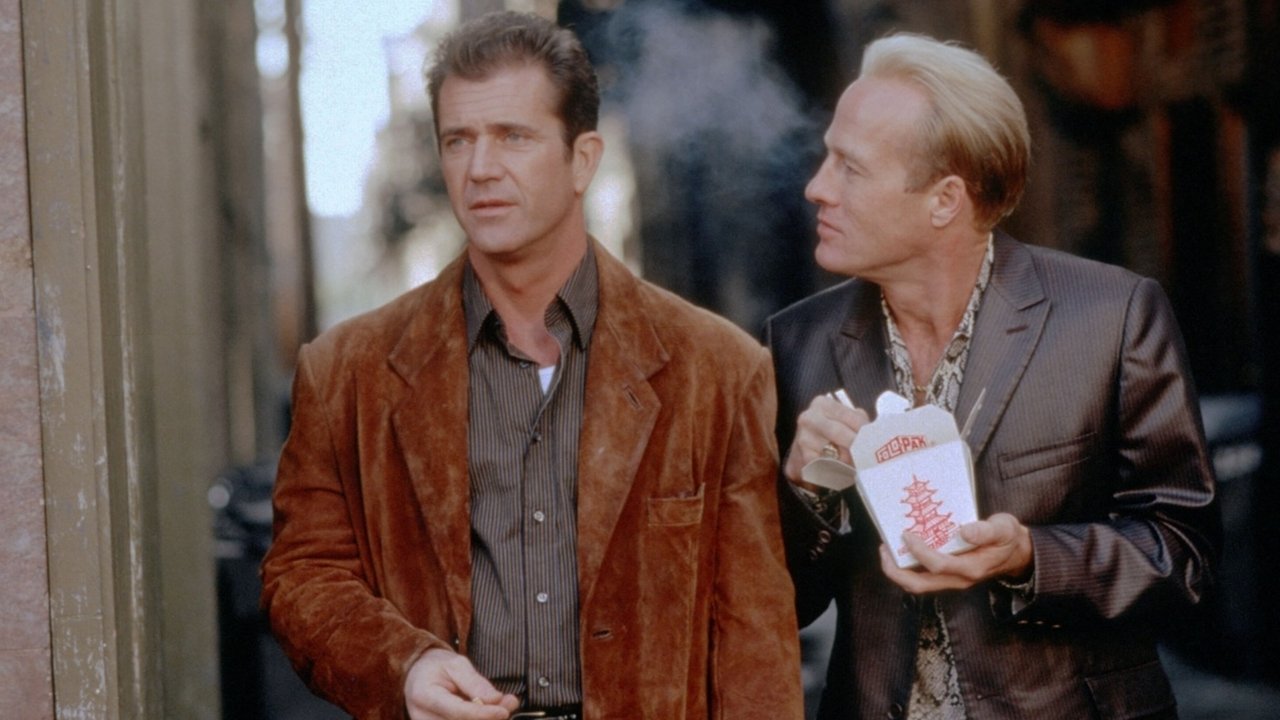
The first thing you notice about the theatrical cut of Payback is the color—or the lack of it. Director Brian Helgeland and cinematographer Ericson Core (who later directed the 2015 Point Blank remake) opted for a bleach-bypass process that drained the warmth out of the frame, leaving behind a cold, metallic blue tint. It looks like the movie was filmed through a frozen Windex bottle. It’s an aesthetic that screams "late 90s grit," fitting perfectly with the film’s nihilistic heart.
Porter isn't a hero. He’s a thief who gets double-crossed by his junkie wife (Deborah Kara Unger) and his partner, Val Resnick (played with spectacular, greasy malice by Gregg Henry). They shoot him in the back, take his share of a $140,000 heist, and leave him for dead. When Porter returns five months later, he doesn’t want "justice" or "vengeance" in the poetic sense. He just wants his $70,000. Not a penny more, not a penny less. Mel Gibson plays Porter like a man who has replaced his soul with a rusty iron poker. There’s a scene where he takes a hammer to someone’s toes that remains one of the most wince-inducing bits of practical effect work from that era.
The Seventy-Grand Principle
What makes the film work is the escalating absurdity of Porter’s quest. He starts by shaking down small-fry street crooks like Arthur Stegman—a role David Paymer was born to play, sweating through his shirt and radiating pure anxiety—and eventually works his way up to "The Outfit," a corporate-style crime syndicate. The action isn't about high-flying stunts or CGI-heavy set pieces; it’s about the physical reality of a punch to the gut. It’s the kind of movie where you can feel the cold pavement and the smell of cheap cigarettes.
The supporting cast is a 90s treasure trove. Maria Bello shows up as Rosie, a call girl with a past connection to Porter, providing the only glimmer of humanity in a world populated by vultures. Then you have Bill Duke and Jack Conley as a pair of crooked cops who are just as much of a headache for Porter as the mob is. The film manages to balance this pitch-black humor with genuine tension. It’s basically a Looney Tunes cartoon if Wile E. Coyote used a .44 Magnum instead of ACME rockets.
A Tale of Two Cuts
Looking back, Payback is as famous for its behind-the-scenes drama as it is for its blue-tinted brawls. Brian Helgeland, who had just won an Oscar for writing L.A. Confidential (1997), had a much darker vision for the film. The studio (and reportedly Mel Gibson) got cold feet during post-production, fearing Porter was too unlikable. They fired Helgeland, hired a new director for reshoots, added a Kris Kristofferson voiceover to help "explain" Porter’s motivations, and gave it a more explosive finale.
Years later, we finally got Payback: Straight Up, the director's cut. It removes the blue tint, deletes the voiceover, and changes the entire third act. While that version is arguably a "better" piece of film noir, I have a soft spot for the theatrical version's weird energy. It captures that transitionary moment in the late 90s when big stars were trying to be edgy but the studios still wanted a recognizable "hero" beat. The theatrical version is punchier, funnier, and features James Coburn leaning into his late-career coolness as a high-ranking mob boss who can’t believe he’s being bothered over such a small amount of money.
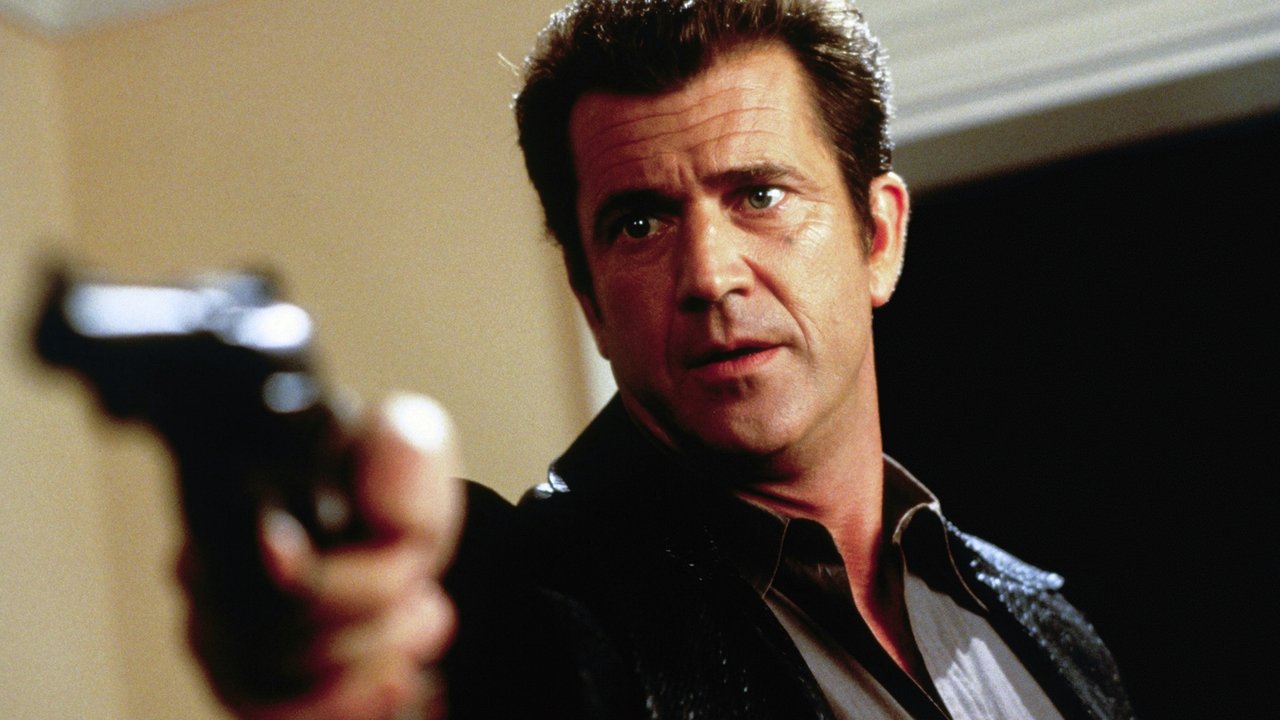
The action in Payback feels heavy and earned, a testament to a time when car crashes involved actual metal hitting actual metal. It’s a lean, mean 100 minutes that doesn't overstay its welcome or try to set up a "Porter Cinematic Universe." While the blue filter is a bit of a dated stylistic choice, it helps cement the film as a specific artifact of its time. If you’re looking for a crime thriller that prioritizes grit over glamour, this is a debt worth collecting.
Even if you’ve seen the "Straight Up" cut, the theatrical version is worth a revisit for the sheer charisma of the villains and the hilarious frustration of a mob that can't understand why a man would burn a city down for the price of a mid-range SUV. It’s a brutal, cynical, and surprisingly funny romp through the Chicago underworld. Just don't expect any heroes.
Keep Exploring...
-
Conspiracy Theory
1997
-

Get the Gringo
2012
-
The Siege
1998
-
Basic
2003
-
The Hunted
2003
-

Hackers
1995
-
Breakdown
1997
-
The Score
2001
-
Assassins
1995
-
A Knight's Tale
2001
-
Blood Work
2002
-

Domino
2005
-
Backdraft
1991
-
Edge of Darkness
2010
-

Double Impact
1991
-
Mercury Rising
1998
-

The Negotiator
1998
-
xXx
2002
-
Undisputed II: Last Man Standing
2006
-
United 93
2006