Pokémon the Movie 2000
"The power of one is the ultimate collection."
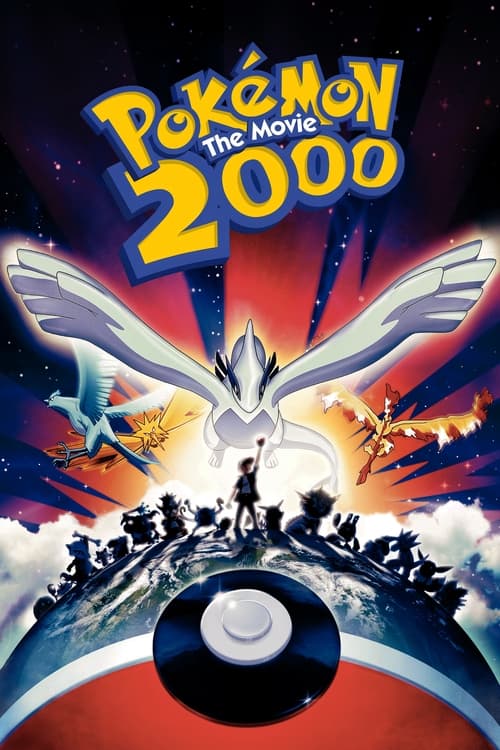
I remember the sticky floor of the General Cinema in 1999 like it was a sacred site. There was a specific, frantic energy in the air—a mix of sugar-high prepocescents and exhausted parents—all gathered for the second coming of a global obsession. We weren't just there for a movie; we were there for the "Ancient Mew" trading card handed out at the door. I actually watched my copy of Pokémon the Movie 2000 years later on a VHS tape I’d accidentally recorded over my older cousin’s wedding video, so the legendary birds’ battle was occasionally interrupted by a flickering shot of a floral centerpiece, but the sheer scale of the film still managed to cut through the tracking lines.
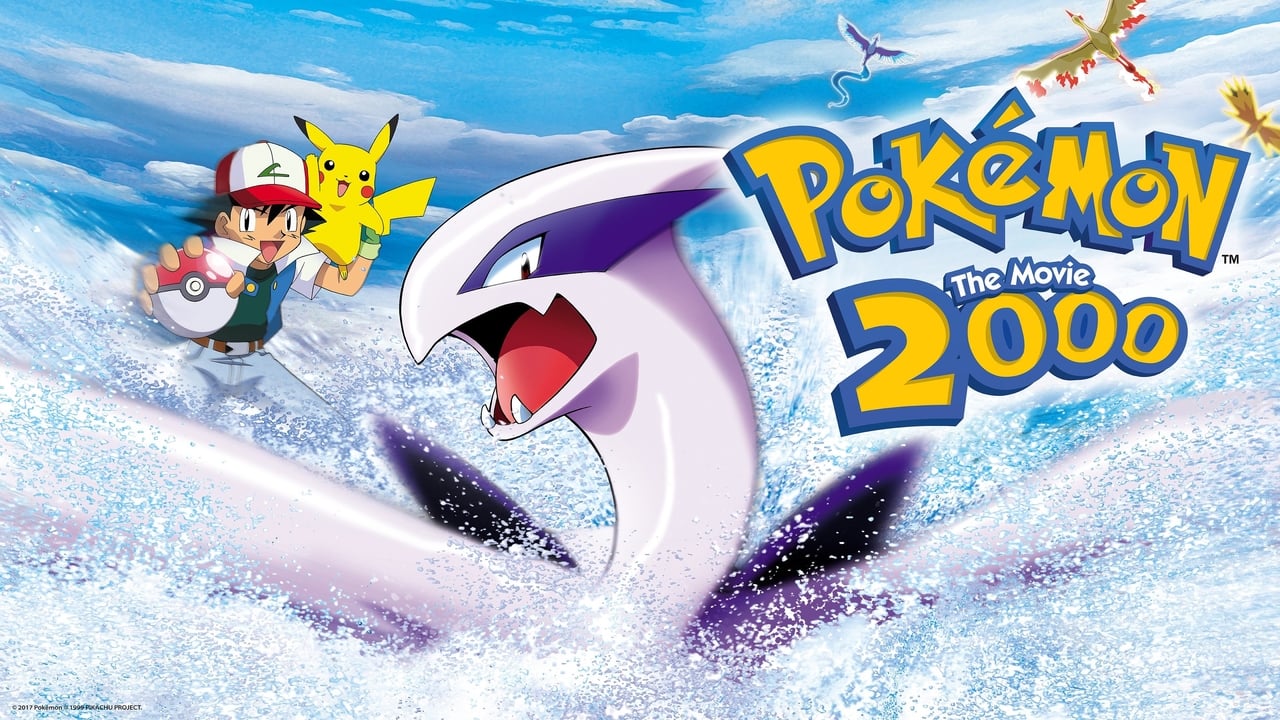
Looking back, Pokémon the Movie 2000 (or The Power of One) arrived at the absolute zenith of Poké-mania. It wasn't just a sequel; it was a victory lap for a franchise that had successfully colonized every lunchbox, Game Boy, and television set in the Western world.
The Industrial Pokémon Complex
By the time director Kunihiko Yuyama brought this second installment to theaters, the "Blockbuster" status of the franchise was a foregone conclusion. The film was a financial juggernaut, raking in over $133 million on a $30 million budget. But its success wasn't just measured in ticket sales; it was the sheer cultural penetration. This was the era of the Burger King gold-plated trading cards and a soundtrack that featured, for some reason, Donna Summer and a pre-stardom Christina Aguilera.
Watching it now, the film feels like a time capsule of that late-90s transition from analog to digital. You can see the production team at OLM experimenting with early CGI to render Lawrence III’s massive flying fortress and the swirling, apocalyptic whirlpools of the Orange Islands. While the 2D character animation of Rica Matsumoto’s Satoshi (Ash) and Ikue Otani’s Pikachu remains charmingly classic, the digital elements have that distinct, slightly jarring sheen of the Y2K era. It was ambitious for a "kids' movie," signaling the industry’s shift toward the computer-generated spectacles that would soon define the 2000s.
High-Tech Poaching and Sci-Fi Anxiety
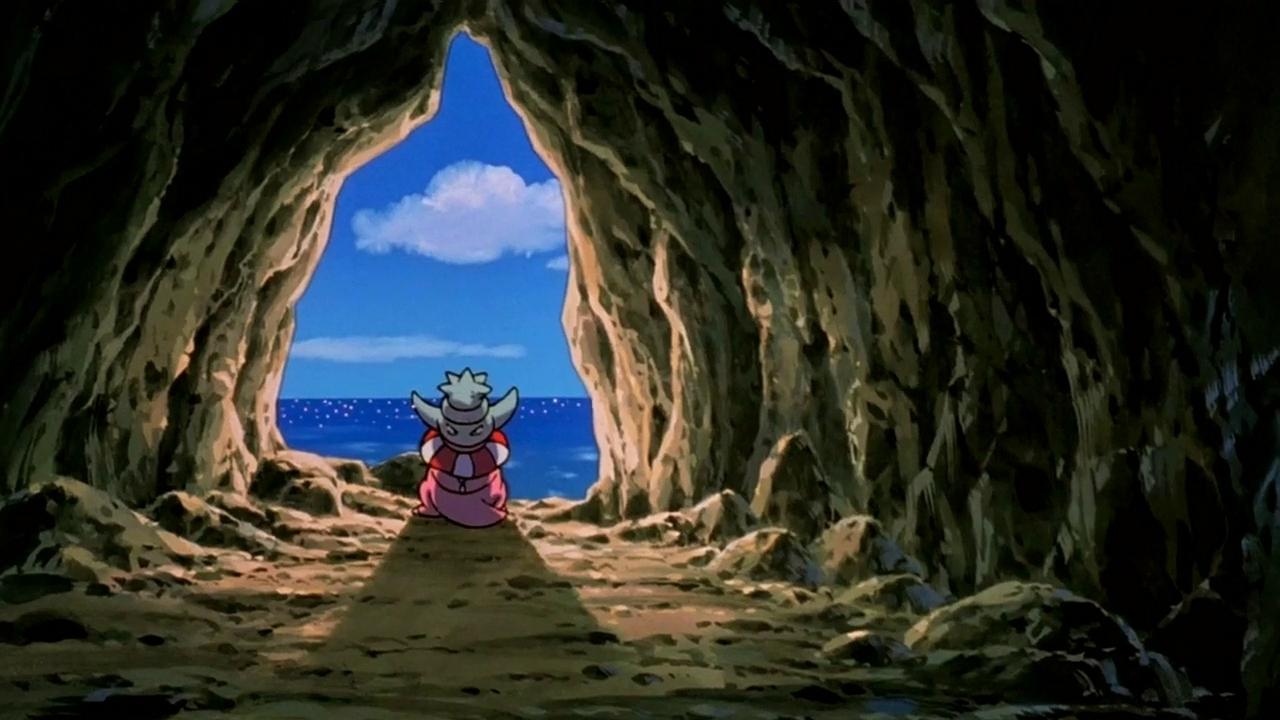
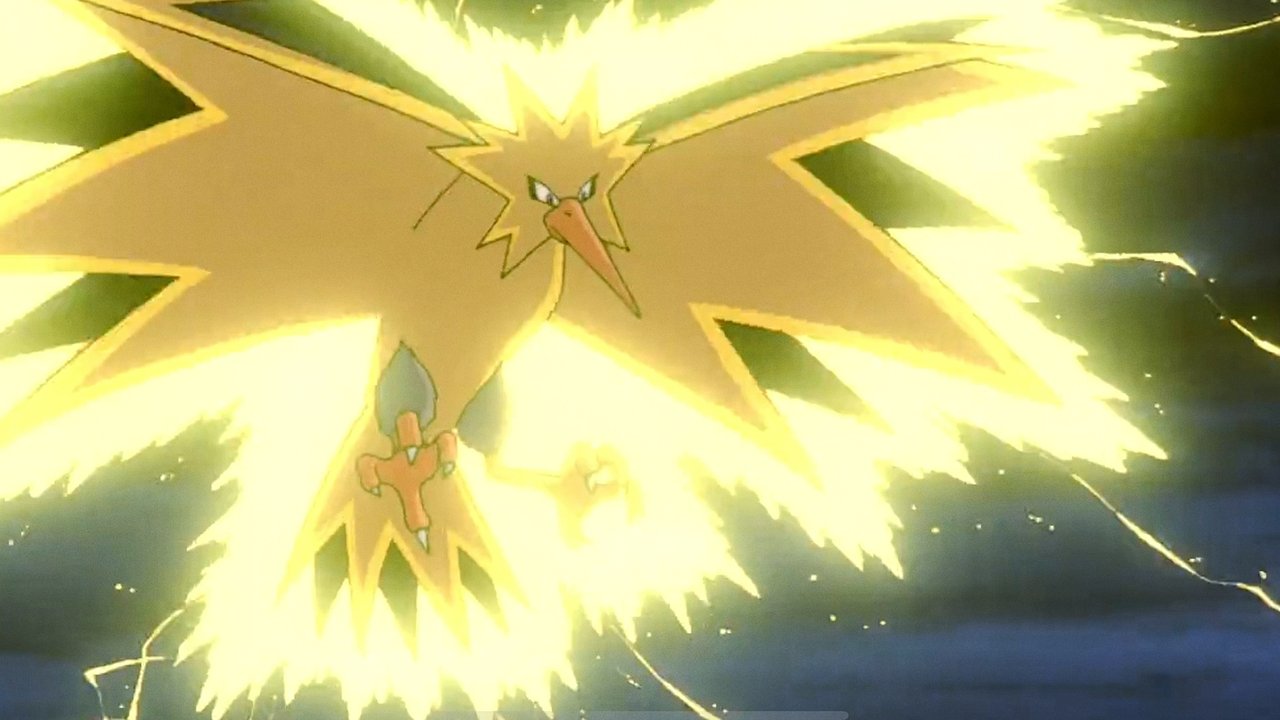
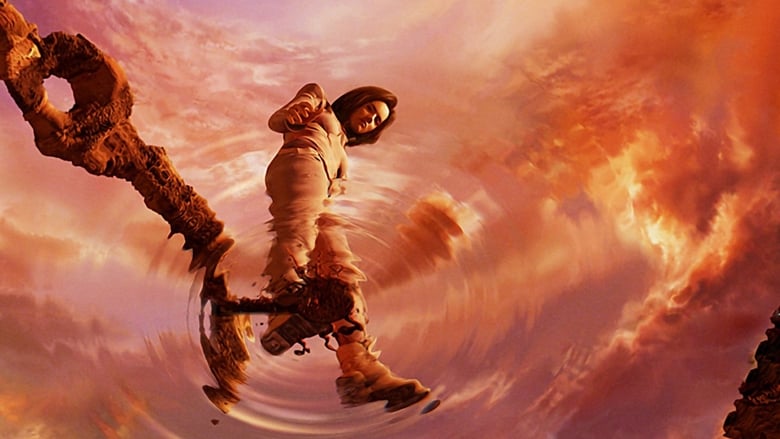
While we usually think of Pokémon as a fantasy adventure, The Power of One leans surprisingly hard into science fiction tropes. Our villain, Lawrence III, isn't a typical trainer; he’s a "collector." He views the natural world as a gallery of high-end acquisitions, using a futuristic airship that looks like it was stolen from the concept art of a discarded Final Fantasy title. His motive—capturing the legendary birds Moltres, Zapdos, and Articuno to summon the beast of the sea, Lugia—is a classic "man meddling with the balance of nature" narrative.
The screenplay by Takeshi Shudo (who also wrote the much-darker Mewtwo Strikes Back) carries a weight of environmental dread. When the ecological balance of the world breaks, the weather goes haywire. I always found it fascinating how the film used Pokémon as a proxy for the planet’s health. It’s "Soft Sci-Fi" at its most accessible, using speculative technology to threaten a prehistoric natural order. Lawrence’s ship, with its automated capture rings and cold, metallic interior, provides a sharp contrast to the lush, tribal aesthetic of Shamouti Island. It’s the classic 90s anxiety of technology vs. tradition, played out with colorful monsters.
The "Chosen One" and Franchise Fatigue
If the first movie was a philosophical debate about cloning and the soul, this one is a straight-up hero’s journey. Ash being the "Chosen One" is a trope we’ve seen a thousand times, and honestly, the plot is thinner than a wet Pokédex manual, but it works because of the stakes. The film understands that for a ten-year-old, the idea of the world ending because of a collector’s ego is genuinely terrifying.
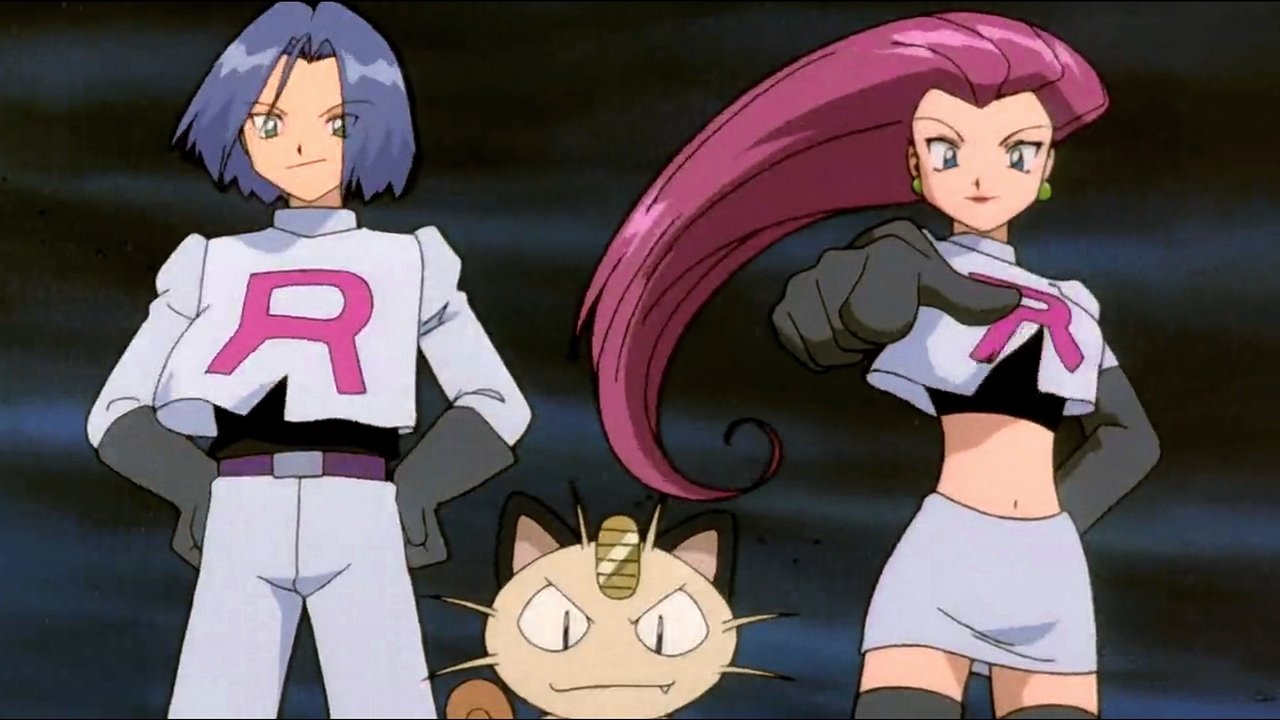
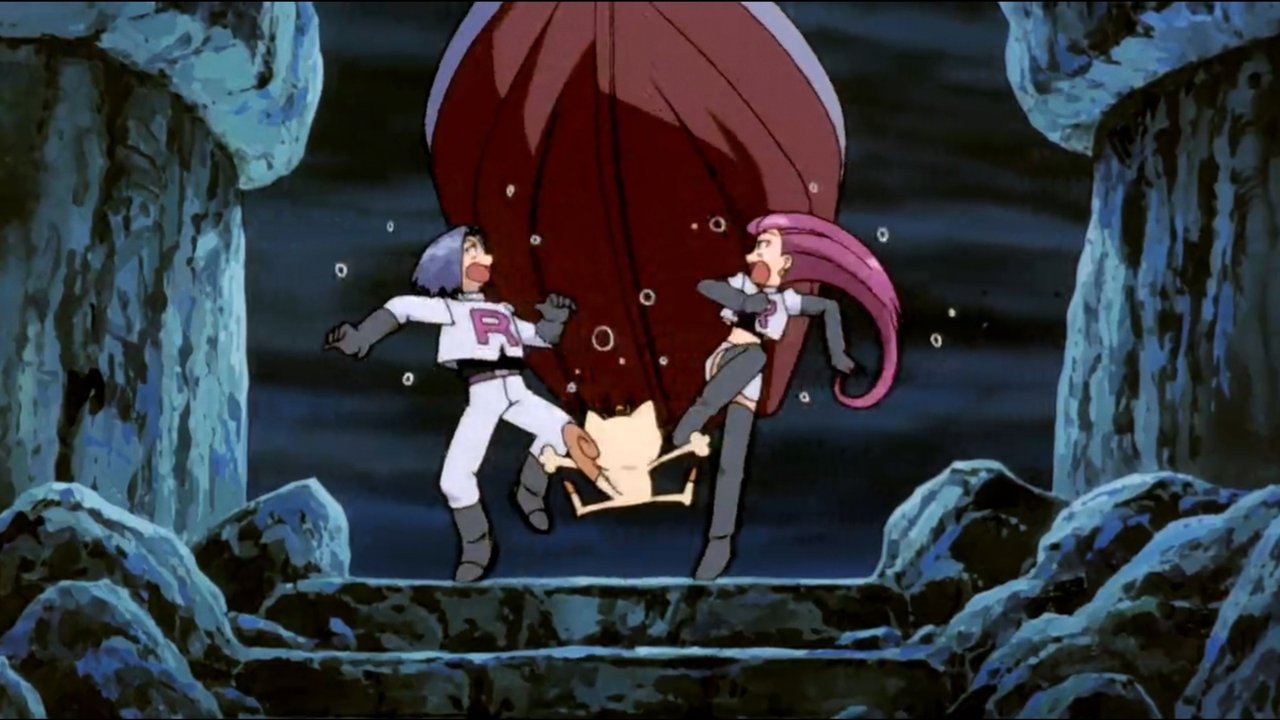
There’s also a strange, meta-commentary happening here. Lawrence III is essentially a high-stakes version of the audience—someone obsessed with "catching 'em all" regardless of the cost. It’s a bit of a bite at the hand that feeds, considering the film was designed to sell more toys and cards, but it gives the movie a layer of self-awareness that I appreciate more as an adult. The inclusion of Team Rocket—Megumi Hayashibara as Musashi (Jessie) and the rest—as reluctant heroes also adds a much-needed comedic levity to the apocalyptic proceedings. They’ve always been the most "human" part of this universe, and seeing them help save the world just because they have nothing better to do remains a highlight.
Ultimately, Pokémon the Movie 2000 is a fascinating relic of a time when a Japanese export could completely halt the spin of the American cultural globe. It lacks the raw emotional gut-punch of the first film’s "Pikachu crying" scene, but it makes up for it with a grander scale and a more cohesive world-building effort. It’s a vibrant, loud, and unashamedly commercial piece of Sci-Fi adventure that captures exactly what it felt like to be alive at the turn of the millennium. If you can ignore the slightly dated CGI and the heavy-handed prophecy dialogue, it’s still a hell of a ride through a storm-tossed ocean.
Keep Exploring...
-
Pokémon: The First Movie
1998
-
Treasure Planet
2002
-
Return to Never Land
2002
-

The SpongeBob SquarePants Movie
2004
-

The Swan Princess
1994
-
James and the Giant Peach
1996
-
Jimmy Neutron: Boy Genius
2001
-

The Cat Returns
2002
-
Shrek the Third
2007
-
Horton Hears a Who!
2008
-
Shrek Forever After
2010
-

Puss in Boots
2011
-
The Smurfs
2011
-

Frozen
2013
-
Anastasia
1997
-
Hercules
1997
-
The Road to El Dorado
2000
-
Titan A.E.
2000
-
Atlantis: The Lost Empire
2001
-
Final Fantasy: The Spirits Within
2001