Runaway Bride
"The reunion everyone wanted, with the eggs no one expected."

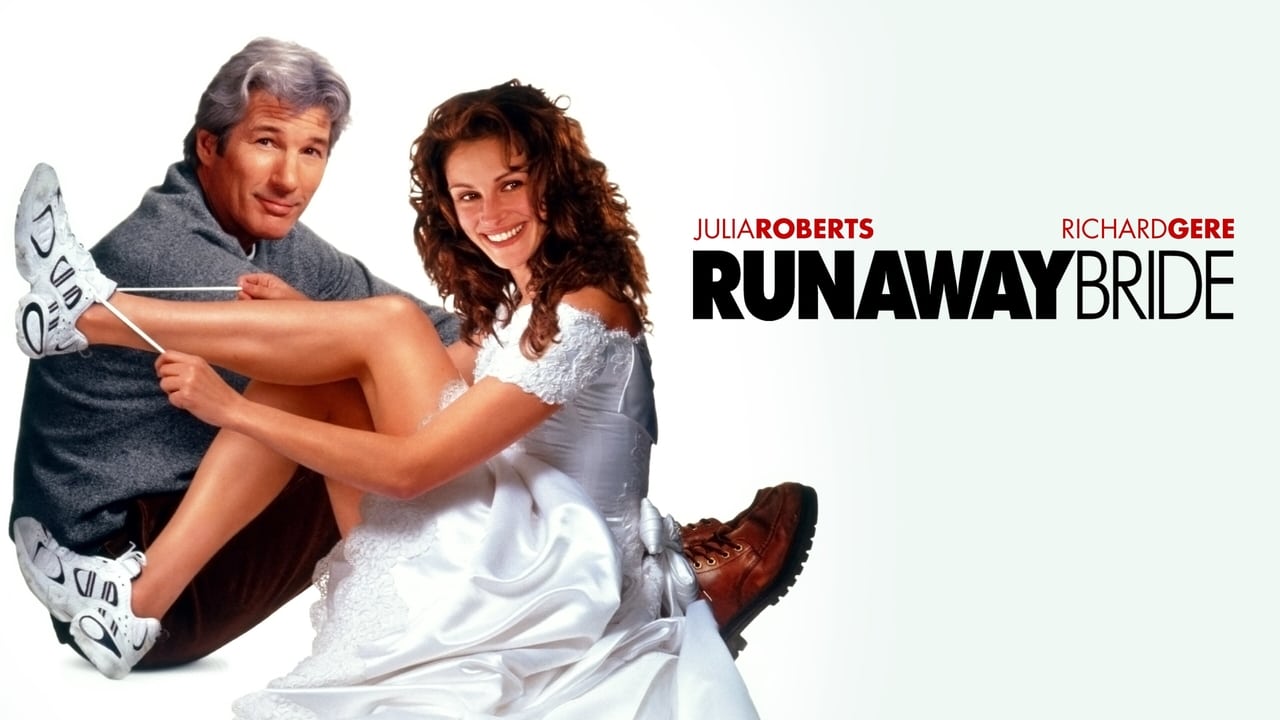
In the summer of 1999, the world was braced for Y2K, obsessed with The Matrix, and apparently, very worried about whether Julia Roberts would ever actually make it down an aisle. There’s something fascinating about the sheer industrial-strength star power of Runaway Bride. It wasn't just a movie; it was a tactical reunion of the Pretty Woman dream team. When Disney and Paramount teamed up to put Roberts, Richard Gere, and director Garry Marshall back in the same room, they weren't just making a romantic comedy—they were printing money. I remember watching this on a Tuesday night while wearing a pair of incredibly itchy wool socks my aunt gave me, and somehow, that cozy-but-slightly-irritating feeling perfectly mirrored the small-town Maryland vibe of the film.
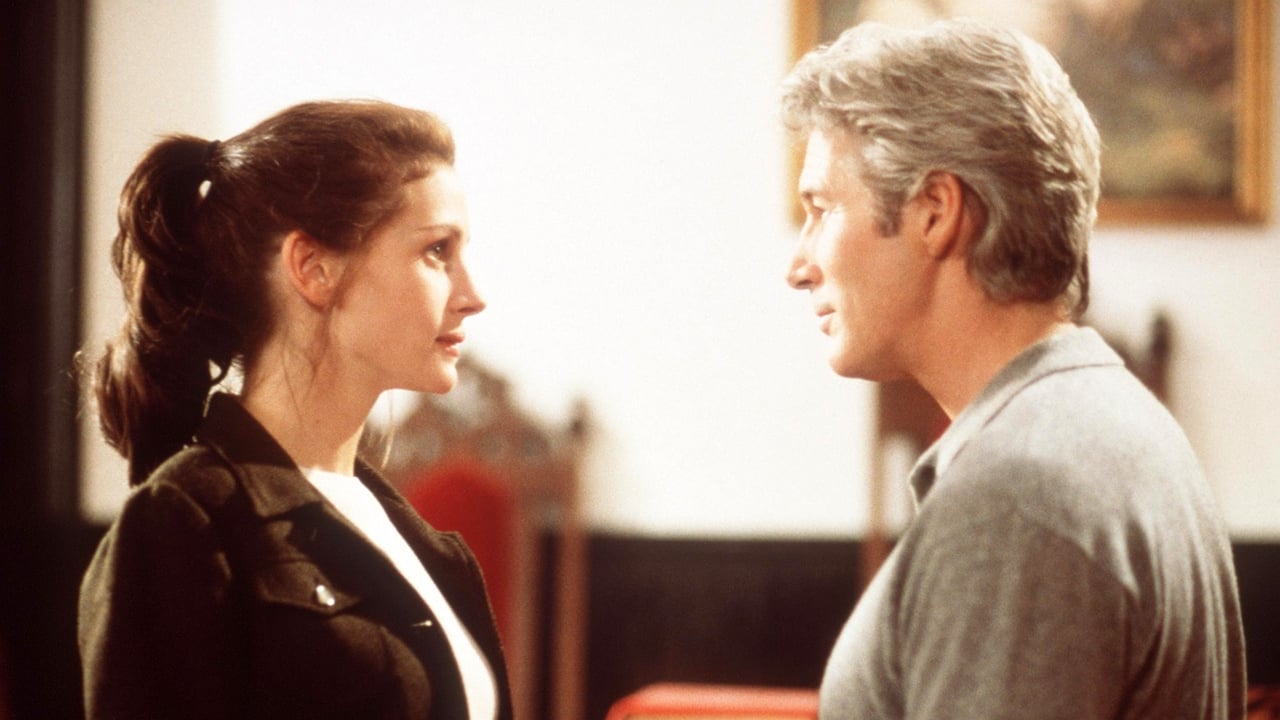
The Power of the "Pretty Woman" Hangover
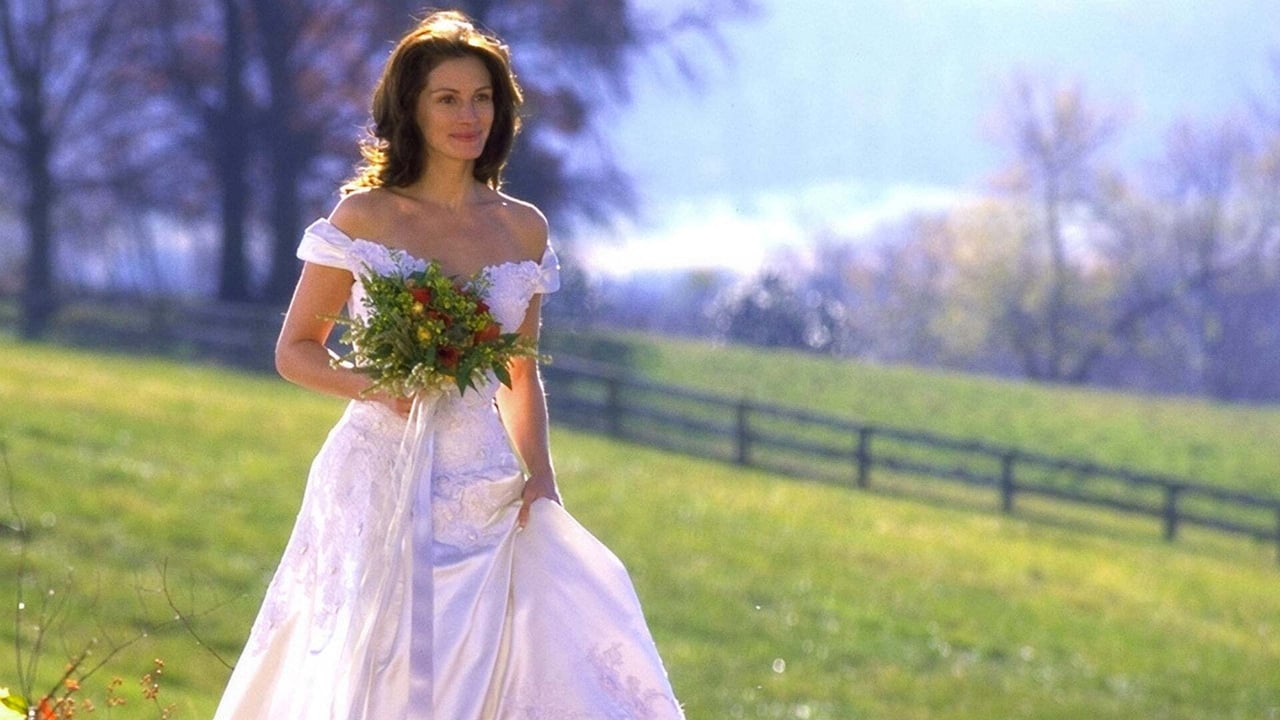
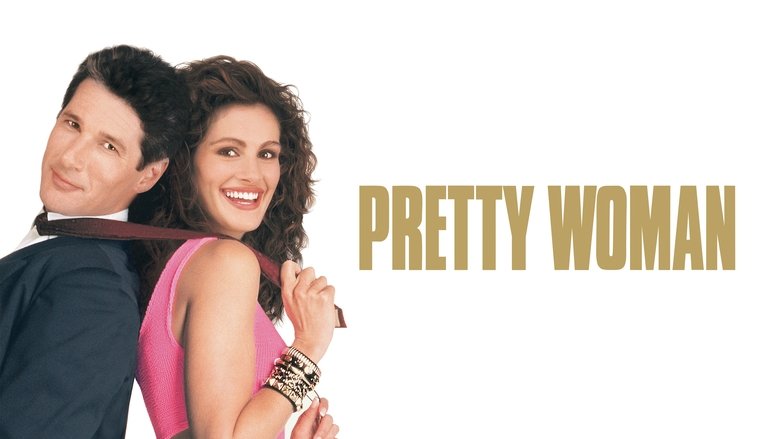
Let’s be honest: the only reason this movie exists is because the chemistry between Roberts and Gere in their 1990 collaboration was so explosive it practically necessitated a second act. By 1999, however, the landscape had shifted. We were moving away from the "corporate fairytale" and toward something a bit more grounded. Richard Gere trades his billionaire suit for the rumpled shirt of Ike Graham, a cynical New York columnist who gets fired for writing a half-cocked, somewhat misogynistic piece about Maggie Carpenter (Roberts), a woman who has left three men at the altar.
The film operates on a high-octane "battle of the sexes" energy that feels very specific to that late-90s window. It’s got that lush, golden-hour cinematography by Stuart Dryburgh that makes every street in the fictional town of Hale, Maryland, look like it’s being hugged by a sunset. The movie is secretly a psychological horror film about a woman with no personality who mimics her partners' breakfast orders, and yet, because it’s Julia Roberts, we find it absolutely charming rather than deeply concerning.
Scrambled, Poached, or Identity Crisis?
What makes Runaway Bride more than just a fluff piece is the "egg metaphor." If you haven’t seen it in a while, the central revelation is that Maggie doesn't actually know how she likes her eggs because she always just eats them however her current fiancé likes them. It’s a surprisingly sharp bit of character writing from Josann McGibbon and Sara Parriott. It shifts the movie from being a story about a "crazy" woman to a story about a woman who has completely lost herself in the pursuit of being what men want.
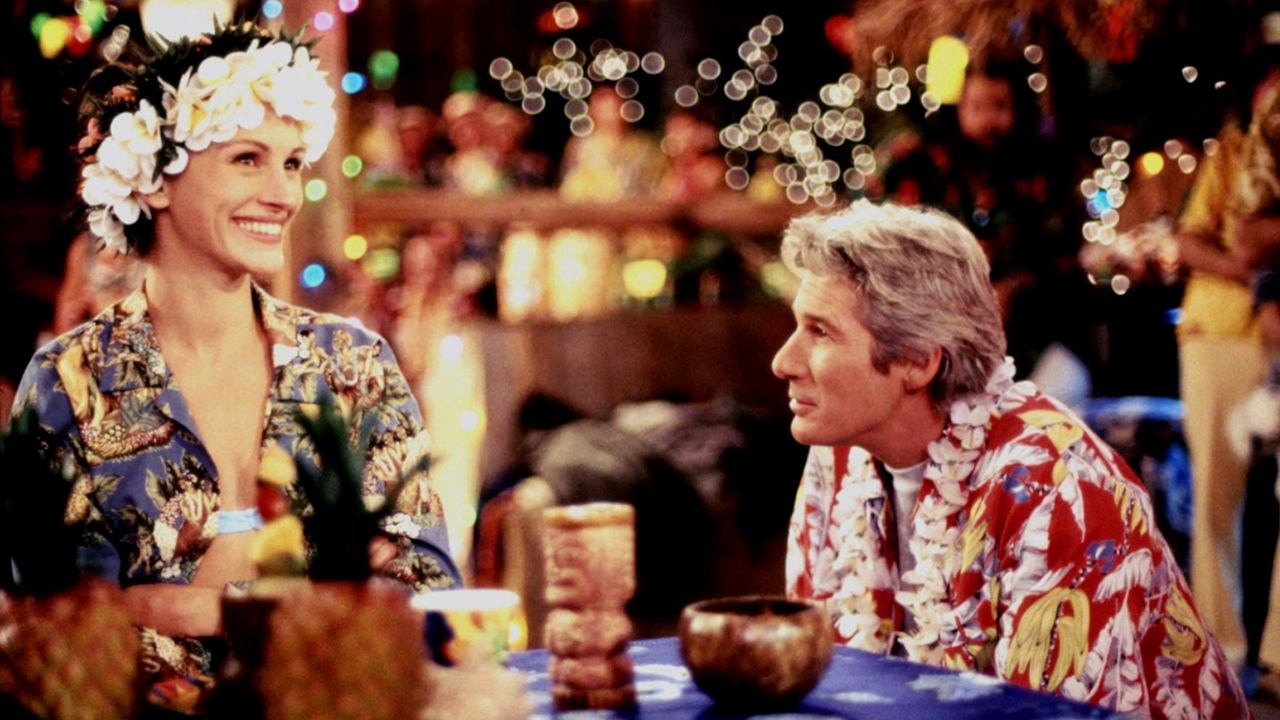
Julia Roberts is at the absolute peak of her powers here. She has this way of being clumsy and elegant at the same time—the way she runs in those wedding dresses is a masterclass in physical comedy. Richard Gere, meanwhile, leans into his "silver fox" era with a smirk that suggests he knows exactly how ridiculous the premise is, but he’s having too much fun to care. Their chemistry isn't the "opposites attract" lightning of Pretty Woman; it’s more of a slow-burn mutual respect. They feel like two people who actually talk to each other, even if most of that talk is Ike being a colossal jerk for the first forty-five minutes.
The Secret Weapons in the Wings
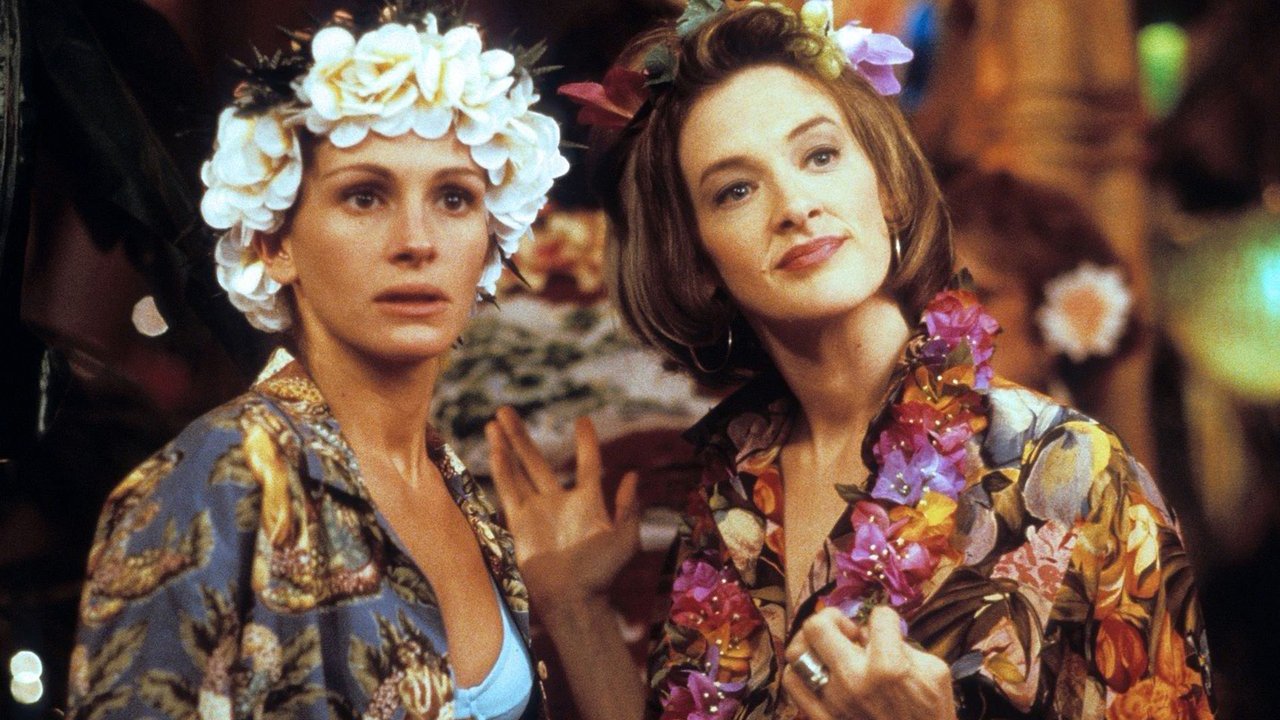
As with any Garry Marshall film (think The Princess Diaries or Overboard), the supporting cast is where the real texture lives. Joan Cusack is, as always, the MVP. As Peggy Flemming (not the skater!), she brings a frantic, loyal energy that keeps the movie from drifting too far into saccharine territory. Her delivery of lines like "I’m a physical person!" while trying to keep Maggie from bolting is pure comedy gold.
Then there’s Héctor Elizondo, Marshall's lucky charm. He’s appeared in every single movie Garry Marshall ever directed, and here, as the weary Fisher, he provides the dry wit that anchors the more absurd plot points. I also have to give a shoutout to Rita Wilson, who plays Ike’s ex-wife. Her scenes are brief, but they add a layer of "grown-up" reality to a movie that is otherwise a heightened romantic fantasy.
A Blockbuster by the Numbers
It’s easy to dismiss rom-coms as "small" movies, but Runaway Bride was a legitimate juggernaut. It had a $70 million budget—huge for the genre at the time—and it hauled in over $300 million worldwide. That’s the kind of success that modern studios only expect from superhero capes. Looking back, it’s a relic of an era where a movie could be a massive hit just by putting two charismatic people in a room and letting them bicker.
The trivia behind the scenes is just as chaotic as Maggie’s weddings. Did you know this project sat in "development hell" for over a decade? At various points in the early 90s, everyone from Geena Davis and Harrison Ford to Sandra Bullock and Chris O'Donnell were attached to star. There’s a version of this movie in an alternate universe where it’s a dark indie comedy, but I think the world preferred the glossy, James Newton Howard-scored version we eventually got. I’m glad it took ten years; the wait meant we got the specific Roberts/Gere alchemy that makes the ending—where she finally figures out her own egg preference—actually feel earned.
Ultimately, Runaway Bride is the cinematic equivalent of a warm blanket. It’s predictable, yes, but it’s executed with such high-level craft and charisma that you can’t help but be swept up. It captures a moment in time when movie stars were the biggest special effects on screen. If you’re looking for a breezy 5-minute distraction or a full-blown trip back to 1999, you could do a lot worse than chasing Maggie Carpenter down the street. It’s a comfort watch that reminds us that before we can say "I do" to someone else, we probably need to figure out our own breakfast order first.
Keep Exploring...
-
The Princess Diaries
2001
-
The Princess Diaries 2: Royal Engagement
2004
-

Valentine's Day
2010
-
My Best Friend's Wedding
1997
-
Pretty Woman
1990
-
America's Sweethearts
2001
-
Jerry Maguire
1996
-

George of the Jungle
1997
-
Stepmom
1998
-
You've Got Mail
1998
-
Meet the Parents
2000
-

What Women Want
2000
-
Mr. Deeds
2002
-
Two Weeks Notice
2002
-
American Wedding
2003
-
How to Lose a Guy in 10 Days
2003
-

Something's Gotta Give
2003
-
Meet the Fockers
2004
-
Shall We Dance?
2004
-

New Year's Eve
2011