Sleepy Hollow
"Behead the skeptic, believe the ghost."
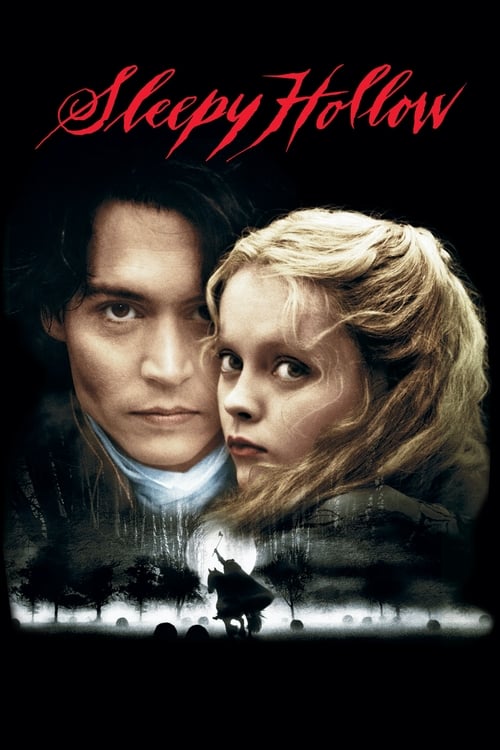
There is a specific, bone-chilling humidity that only Tim Burton seems capable of conjuring. I remember sitting in my college dorm room, the radiator clanking like a restless spirit in the corner, watching Sleepy Hollow for the third time on a DVD with a scratched case that smelled faintly of damp cardboard. That mundane smell of a basement-bound collection somehow perfectly complemented the film’s monochromatic, mud-caked aesthetic. It’s a movie that feels like it’s being exhaled from the lungs of an old, dying forest.
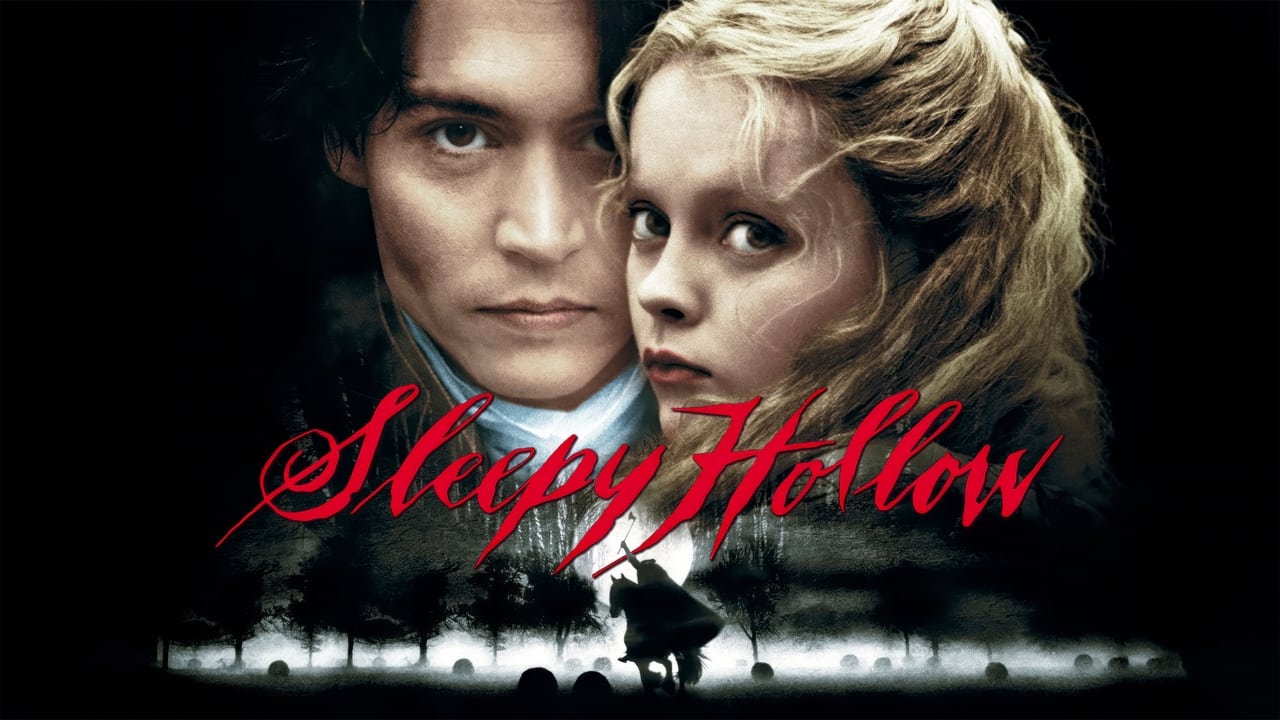
Released at the tail end of 1999, Sleepy Hollow arrived at a fascinating crossroads in cinema history. We were teetering on the edge of the digital revolution, yet Burton chose to plant his feet firmly in the tradition of Hammer Horror and grand, physical world-building. Looking back, it serves as a gorgeous, grim eulogy for a type of filmmaking that was about to be swallowed by the green-screen abyss.
The Gothic Architecture of Dread
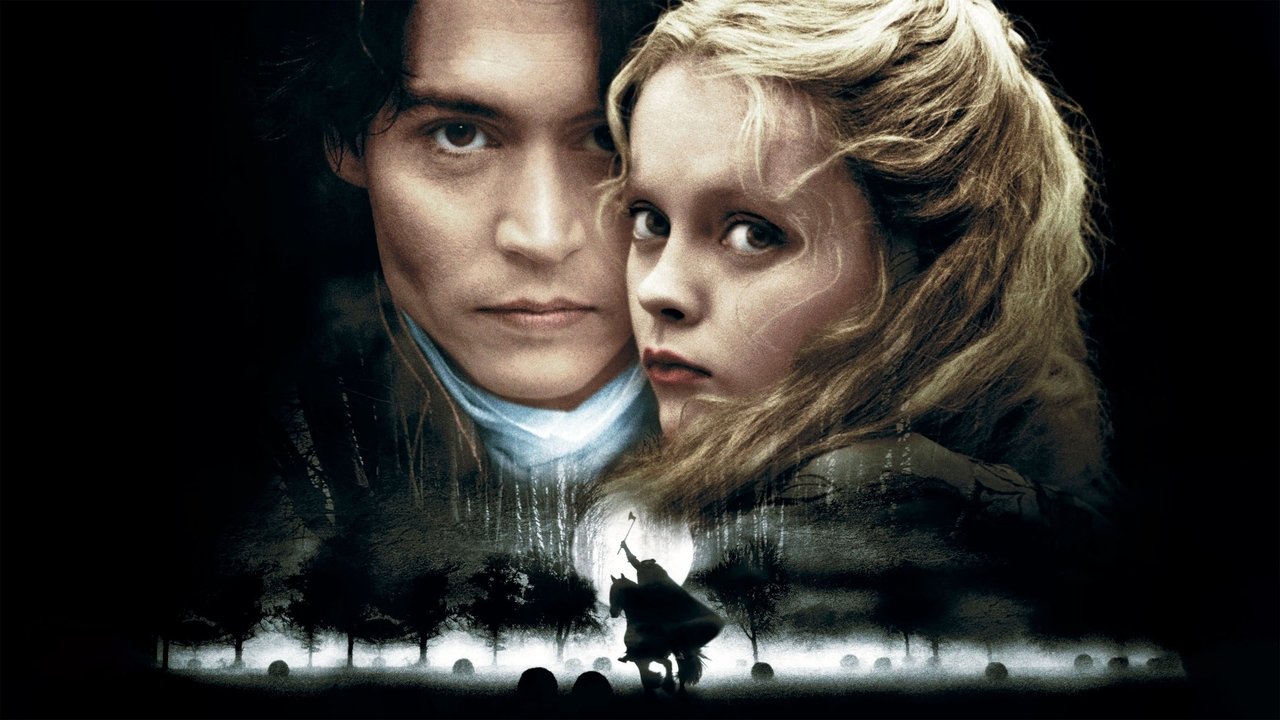
The plot takes Washington Irving’s classic folk tale and injects it with a shot of adrenaline and a lot of severed arteries. Johnny Depp plays Ichabod Crane, not as the schoolmaster we remember from cartoons, but as a twitchy, proto-forensic detective obsessed with "reason and causality." He is sent to the Hudson Highlands to investigate a series of decapitations, and it is here that Burton builds his most oppressive atmosphere.
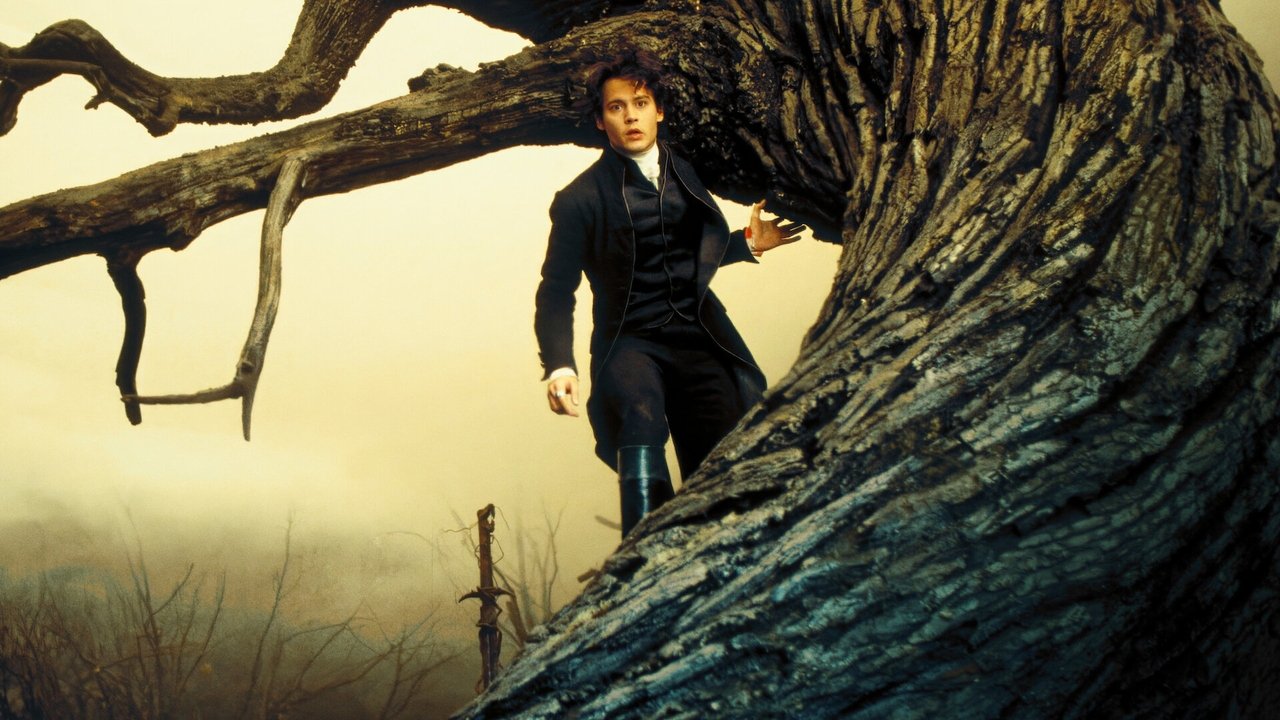
The cinematography by Emmanuel Lubezki (who would later go on to win three consecutive Oscars for films like Gravity and The Revenant) is nothing short of legendary. He used a heavy desaturation process that makes the film look like an old silver-nitrate print. Everything is grey, blue, and sallow, save for the startling, aggressive red of the blood. It’s a visual choice that demands you feel the cold. When the Headless Horseman—played with feral, toothy intensity by Christopher Walken in his brief flashes of life—emerges from the Tree of the Dead, it doesn’t feel like a CGI trick. It feels like a rupture in reality.
Johnny Depp’s performance here is a masterclass in the "vulnerable weirdo" archetype before he eventually leaned too hard into his own eccentricities. He plays Crane with a delightful sort of high-pitched cowardice that somehow makes his eventual bravery feel earned. Opposite him, Christina Ricci provides an ethereal, almost silent-film-star quality as Katrina Van Tassel. She is the anchor of the film’s more mystical elements, a perfect contrast to Crane’s rigid, failing logic.
Practical Sorcery and the Digital Dawn
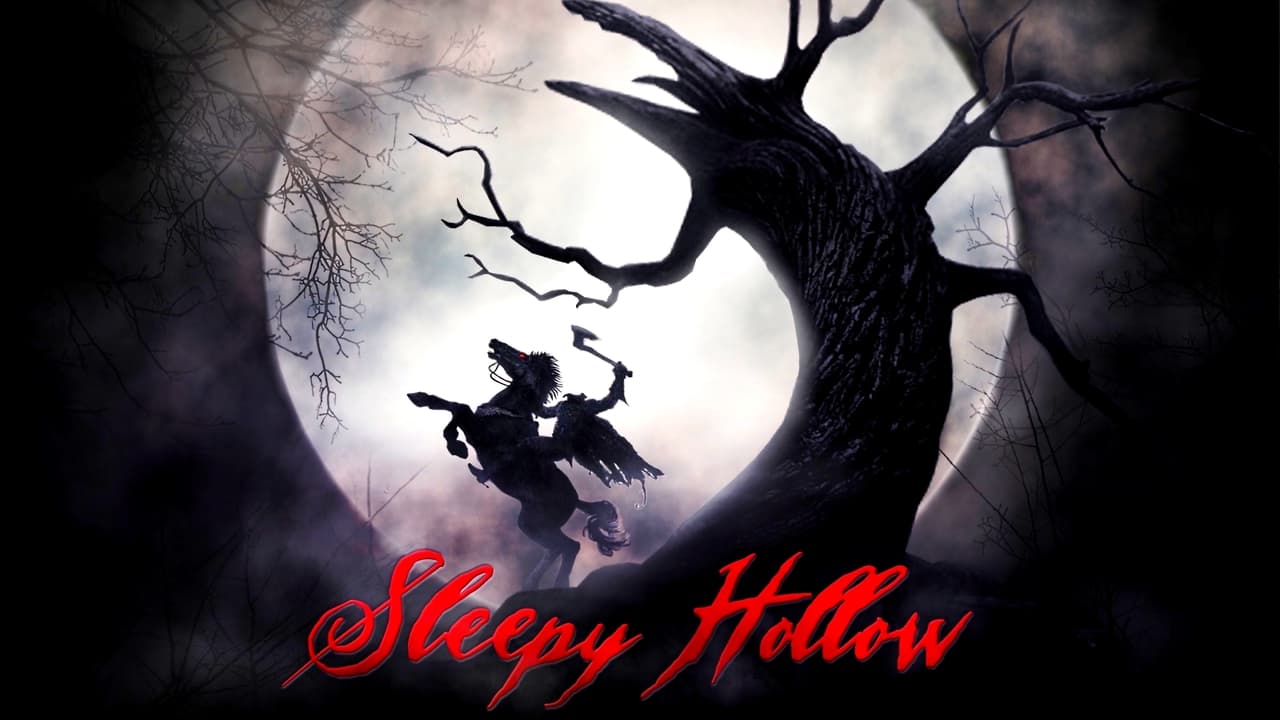
What makes Sleepy Hollow a fascinating artifact of its era is how it balanced the emerging CGI technology with massive, tactile sets. Production designer Rick Heinrichs built the entire town of Sleepy Hollow at Leavesden Studios in England because they couldn't find a location that felt "unnatural" enough. You can sense the weight of the timber and the depth of the fog. It’s a physical space that breathes.
The effects work, led by Kevin Yagher, manages to make decapitation look both like a brutal act of violence and a stylized piece of art. The Horseman’s sword-twirl after a kill is one of those iconic "cool horror" moments that defined the late 90s. While there is digital assistance—most notably in removing Christopher Walken’s head—the film relies on stunt work and mechanical rigs that give the action a kinetic, thumping heart. The action sequences in the final act are arguably more coherent and thrilling than 90% of the CGI-slop we see in modern blockbusters.
There is a weight to the violence here that is often missing from contemporary "dark" fantasy. When a head rolls, it thuds. When the Horseman’s steed, Daredevil, gallops through the woods, you feel the vibration in the floorboards. It’s a reminder of what was lost as studios moved toward the sterilized efficiency of the Marvel-era digital pipelines.
A Cult of Aesthetic
Though it was a commercial success, Sleepy Hollow has grown into a true cult staple for those who worship at the altar of "Spooky Season." It’s the ultimate October movie, a film that prioritizes vibe over complex plotting. The mystery itself—involving land deeds, secret lineages, and the formidable Miranda Richardson—is somewhat convoluted, but it almost doesn't matter. You aren't watching for a tight whodunnit; you're watching for the way the fog curls around the pumpkins.
The film also features a "who’s who" of British character actors—Michael Gambon, Ian McDiarmid, and Jeffrey Jones—all of whom treat the pulpy material with a Shakespearean gravity. They understand that for a horror film this stylized to work, the stakes must feel dire. There is no winking at the camera. Even when the Horseman is jumping through a stained-glass window, the terror is played straight.
Looking back, Sleepy Hollow feels like the last time Tim Burton was truly dangerous. It has an edge, a willingness to be truly grotesque, and a score by Danny Elfman that is perhaps his most operatic and menacing work. It captures the Y2K-era anxiety of "science vs. the unknown" and wraps it in a beautiful, blood-soaked ribbon.
Sleepy Hollow remains a towering achievement in atmospheric horror. It’s a film that understands that the most effective scares come from a place of sustained dread and impeccable craft rather than cheap jump-scares. While the plot occasionally trips over its own gothic robes, the sheer visual power of the Headless Horseman ensures that this remains a permanent fixture in the pantheon of seasonal cinema. If you haven't revisited it lately, turn off the lights, wait for a rainy night, and let the heads roll.
Keep Exploring...
-
The Ninth Gate
1999
-
From Hell
2001
-

The Game
1997
-
Inland Empire
2006
-
The Devil's Advocate
1997
-
Corpse Bride
2005
-

Blade II
2002
-
Sweeney Todd: The Demon Barber of Fleet Street
2007
-
The Others
2001
-
The Skin I Live In
2011
-
Edward Scissorhands
1990
-

Stir of Echoes
1999
-

Mars Attacks!
1996
-

The Devil's Backbone
2001
-
Big Fish
2003
-
Shutter
2004
-
Ed Wood
1994
-

The Crow
1994
-
From Dusk Till Dawn
1996
-
Gattaca
1997