Star Wars: Episode I - The Phantom Menace
"Before the Empire, there was only the hype."
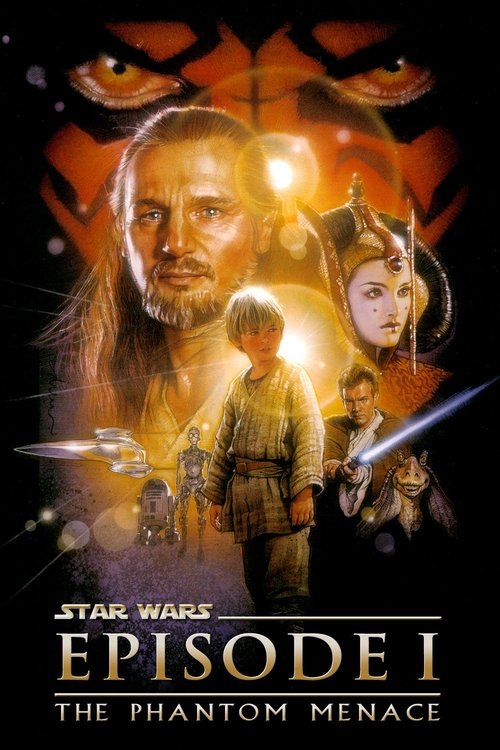
The world in May 1999 wasn't merely anticipating a movie; it was bracing for a secular miracle. After sixteen years of hibernation, George Lucas—the man who essentially invented the modern blockbuster with Star Wars (1977) and Indiana Jones—was returning to the director’s chair. The hype was a tangible, heavy thing that sat on the chest of pop culture. I recall seeing people camping outside theaters weeks in advance, a phenomenon that feels like ancient history in our era of digital pre-orders and day-and-date streaming. This wasn't just a film; it was the birth of the "prequel" as a massive industrial complex.
The Digital Frontier and Gungan Growing Pains
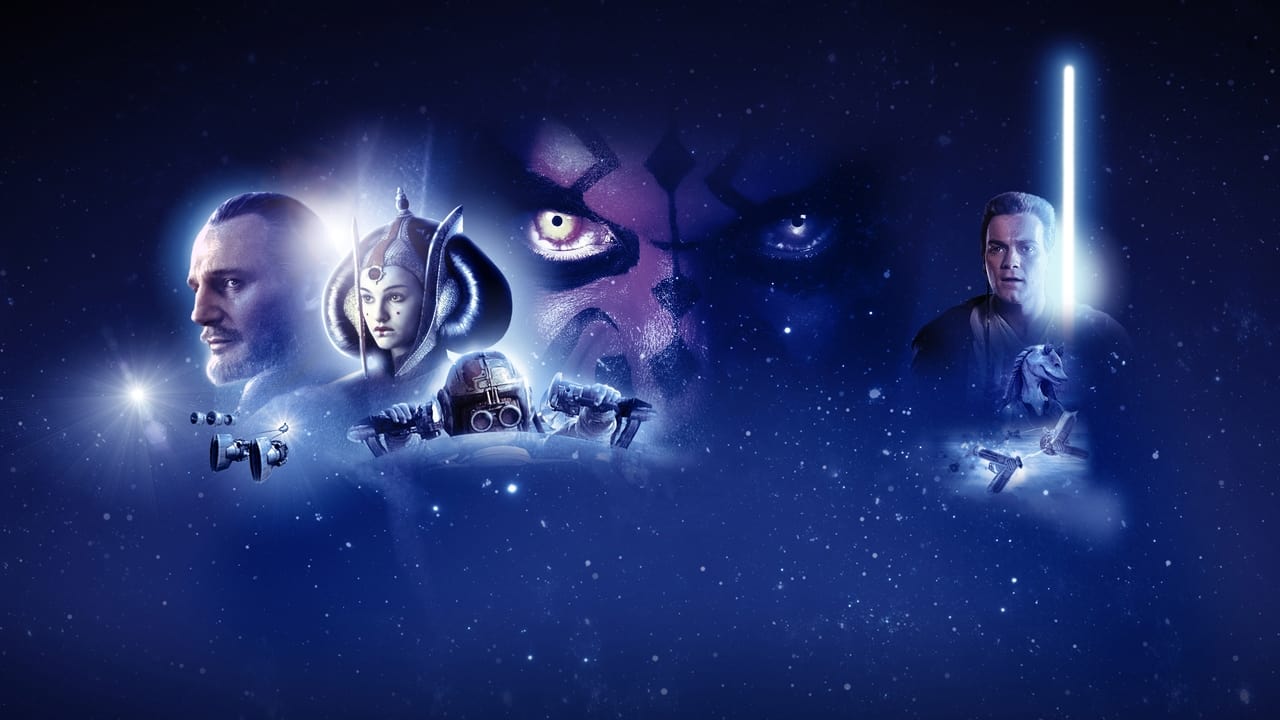
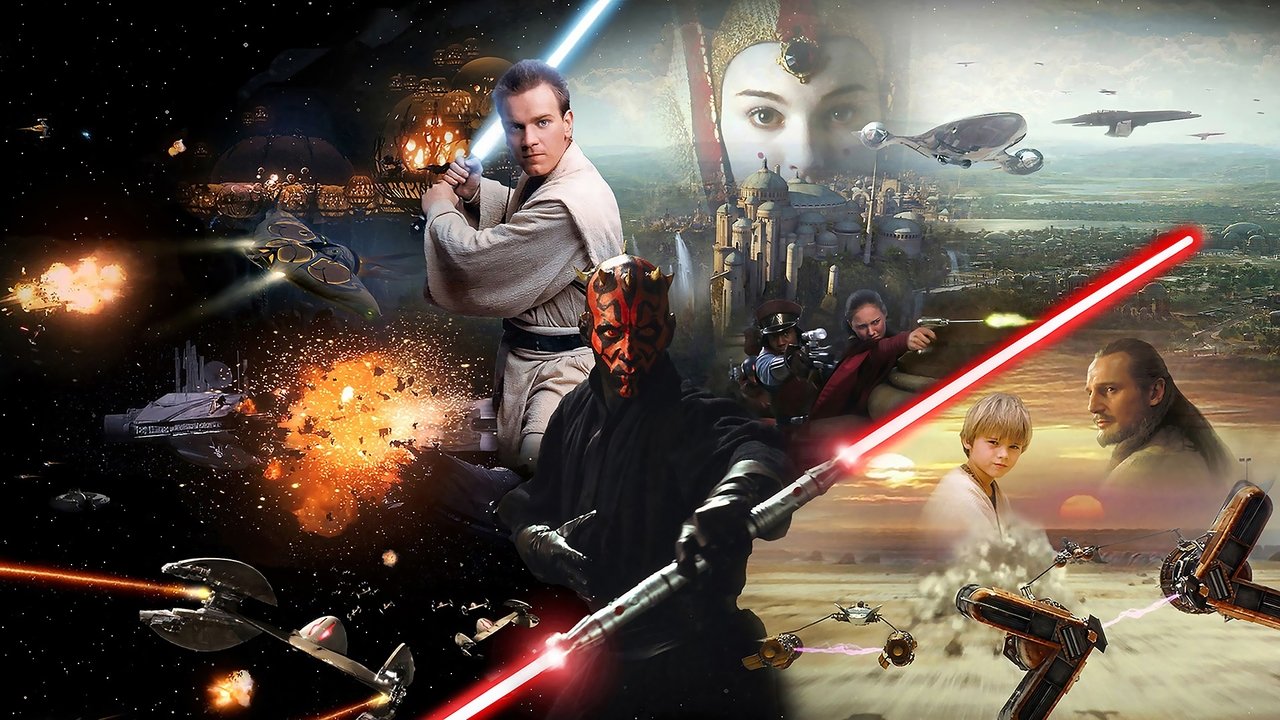
Looking back, The Phantom Menace serves as a fascinating, slightly awkward time capsule for the moment cinema decided to leave the physical world behind. This was the era where Industrial Light & Magic (ILM) was flexing its muscles, trying to see if they could create entirely digital characters and landscapes that didn't look like a screensaver. Sometimes it’s breathtaking—the sprawling, Italian-inspired vistas of Naboo still have a lush, painterly quality. Other times, the early CGI has aged like milk left in a hot car.
The elephant in the room—or rather, the Gungan in the swamp—is Jar Jar Binks. While the internet has spent twenty-five years sharpening its knives for poor Ahmed Best, I find the character more of a technical curiosity than a personal affront these days. He was the prototype for Gollum and the Na’vi, a high-wire act of motion capture that paved the way for modern cinema. Does he belong in a movie about trade taxation and political blockades? Probably not. But Jar Jar is a symptom of a film that can't decide if it’s a high-stakes political thriller or a Saturday morning cartoon.
Gravitas vs. The Galactic Senate
The casting remains one of the film’s strongest suits, even when the script forces them to speak in a way that suggests they’ve all been breathing too much starship exhaust. Liam Neeson is wonderful as Qui-Gon Jinn, bringing a weary, bohemian sensibility to the Jedi that we hadn't seen before. He’s the only person in the film who feels like a real human being with a pulse. Beside him, Ewan McGregor (fresh off the grime of Trainspotting) does a valiant job channeling a young Alec Guinness, though he’s mostly relegated to standing in the background looking concerned for the first hour.
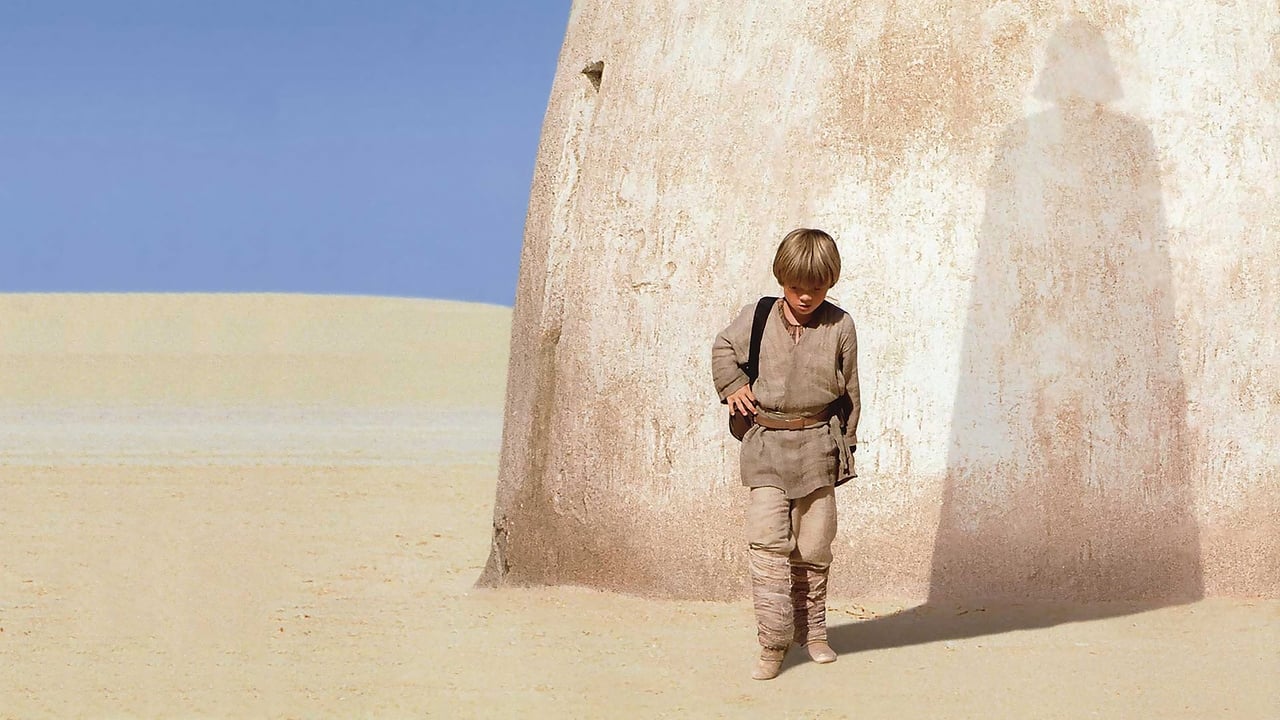
Then there is the politics. I watched this again recently while trying to peel a particularly stubborn, thick-skinned orange, and I realized I had finished the orange and cleaned my hands before the Senate scene even reached a point. The decision to ground a space fantasy in the intricacies of trade routes and bureaucratic stagnation is... bold? Or perhaps just misguided. It’s hard to get the pulse pounding over a "Vote of No Confidence," no matter how much Ian McDiarmid purrs his lines with Shakespearean villainy.
The Duel that Saved the Movie
If The Phantom Menace is a sprawling, messy experiment, the final twenty minutes are the successful result. The "Duel of the Fates" is, in my humble opinion, the high-water mark for the entire prequel trilogy. When those laser doors hiss open to reveal Ray Park as Darth Maul, the movie suddenly remembers it’s supposed to be fun. The choreography is a lightning-fast departure from the clunky broadsword style of the original trilogy, turning the lightsaber duel into a deadly, rhythmic dance.
Behind the scenes, the production was a massive undertaking. Did you know that Liam Neeson was so tall that the production had to rebuild all the door sets for the Jedi scenes, costing an extra $150,000? Or that the "comlink" Qui-Gon uses to talk to his ship is actually just a slightly modified Gillette Sensor Excel women’s razor? It’s these little practical details—the bits of the real world poking through the digital sheen—that make the film endearing in retrospect. Even the budget, a then-staggering $115 million, seems quaint now compared to the $300 million behemoths of the 2020s.
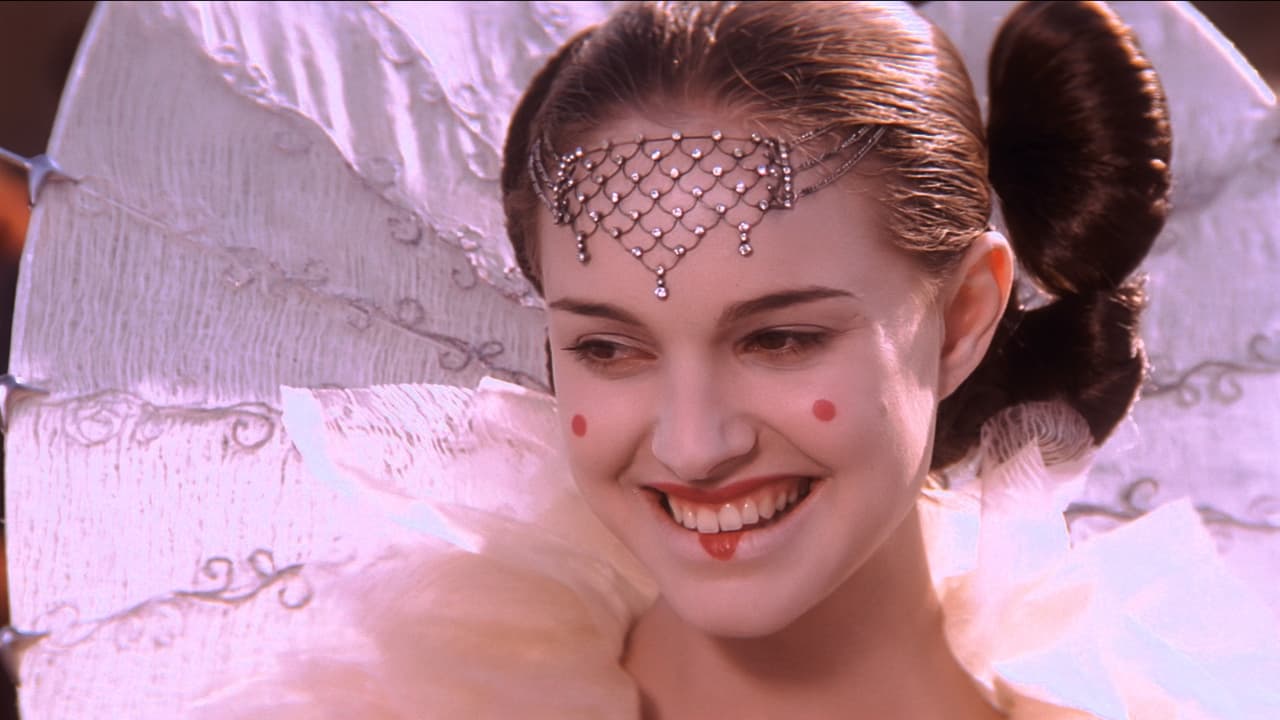
Ultimately, The Phantom Menace is a film of incredible highs and baffling lows. It gave us John Williams' most iconic score since the 70s and the visceral thrill of the podrace, but it also gave us midichlorians and the concept of "virgin birth" for a kid who just likes fixing droids. It’s a messy, ambitious, and undeniably earnest attempt to push the boundaries of what technology could do for storytelling. It’s the sound of a creator with too much power and not enough pushback, but I’d still take its weird, singular vision over a dozen committee-made sequels.
The film remains a monumental piece of late-90s pop culture, a bridge between the practical effects of the past and the digital future we now live in. It's not the masterpiece we were promised in those grainy QuickTime trailers, but it's a hell of a lot more interesting than most modern blockbusters. If you haven't revisited it lately, skip the Senate scenes, turn up the volume for the podrace, and just enjoy the spectacle of George Lucas playing with the world's most expensive toy box. There’s a charm to its clunkiness that I’ve grown to appreciate more with every passing decade.
Keep Exploring...
-
Star Wars: Episode II - Attack of the Clones
2002
-

Star Wars: Episode III - Revenge of the Sith
2005
-
Star Wars
1977
-
Star Wars: The Last Jedi
2017
-
Return of the Jedi
1983
-
Star Wars: The Force Awakens
2015
-
Star Wars: The Rise of Skywalker
2019
-
The Empire Strikes Back
1980
-
Stargate
1994
-
Congo
1995
-
Independence Day
1996
-

The Lost World: Jurassic Park
1997
-
Armageddon
1998
-

X-Men
2000
-

Jurassic Park III
2001
-
Planet of the Apes
2001
-

The Matrix Reloaded
2003
-
Star Trek: Generations
1994
-
Spy Kids
2001
-
Spy Kids 2: The Island of Lost Dreams
2002