Stigmata
"God has a message. The Church has a secret."
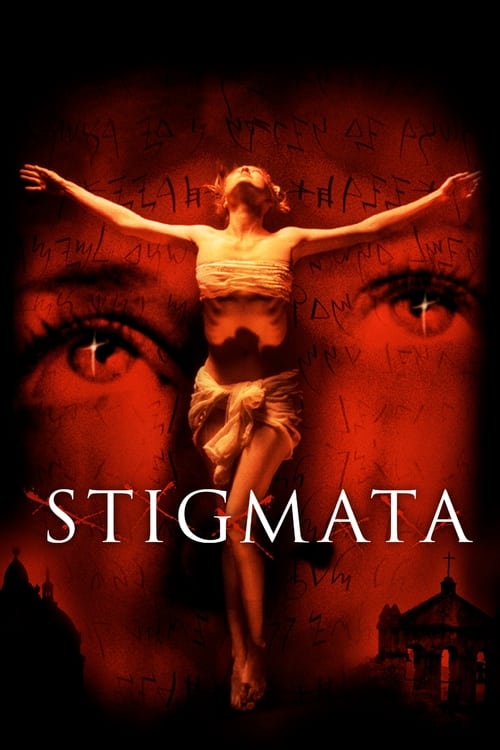
The year 1999 didn't just give us the fear of a Y2K digital apocalypse; it gave us an entire subgenre of movies that looked like they were filmed through a lens smeared with holy water and cigarette ash. It was a time of rain-slicked streets, industrial soundtracks, and a deep-seated suspicion that the institutions meant to save our souls were actually the ones trying to silence them. Sitting right at the intersection of a Nine Inch Nails music video and a Vatican conspiracy theory is Stigmata, a film that is arguably the most "1999" thing to ever happen to a movie screen.
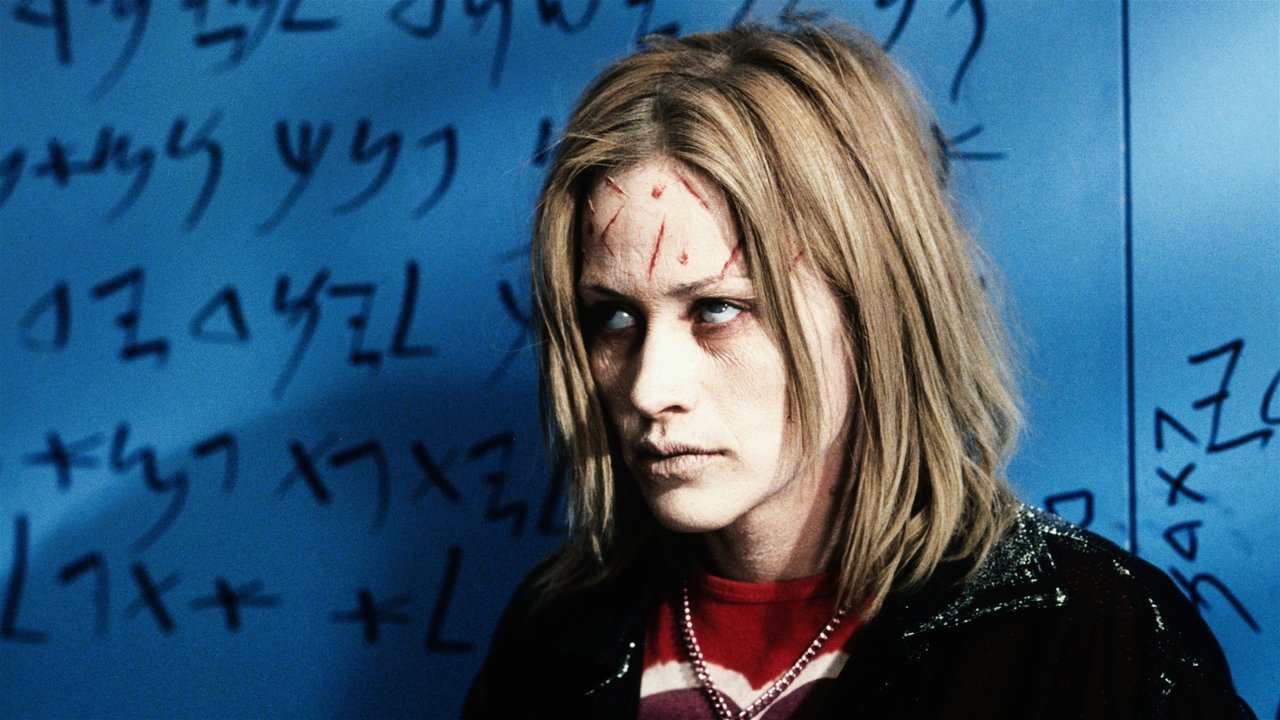
I recently revisited this one on a humid Tuesday night while struggling with a faulty air conditioner that kept dripping in a rhythmic, unsettling way. Oddly enough, the sound of the leaking unit perfectly complemented the film’s hyper-stylized, "everything is damp" aesthetic.
The Gospel of the Grunge Era
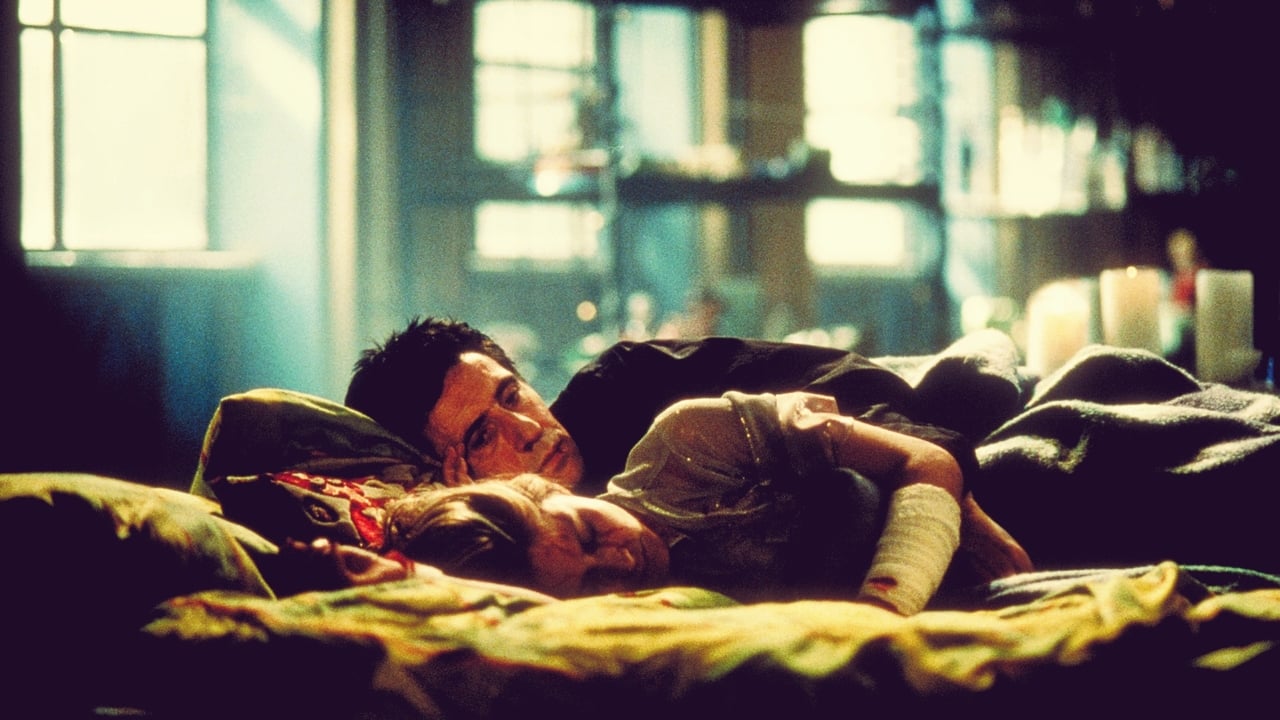
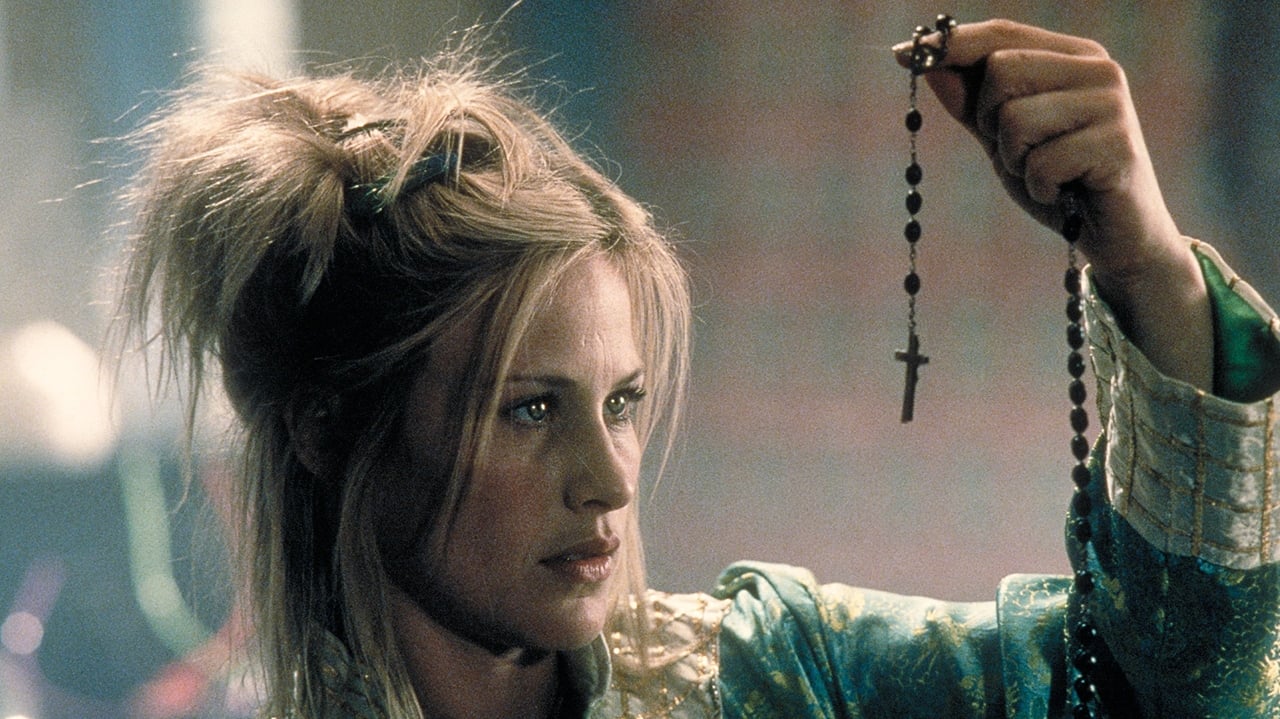
If you’ve never seen it, the setup is pure late-90s theological pulp. Frankie Paige, played with a frantic, trembling vulnerability by Patricia Arquette, is a Pittsburgh hairdresser who wouldn't know a rosary from a hair tie. She’s the ultimate "secular victim," which makes it all the more jarring when she starts sprouting bleeding holes in her wrists and getting whipped by invisible Roman soldiers in the middle of a subway car.
The Vatican sends in Father Andrew Kiernan, portrayed by Gabriel Byrne—who, let’s be honest, has the market cornered on "exhausted priests who look like they haven’t slept since the Council of Trent." Kiernan is a scientist first, a skeptic second, and a priest third. He’s there to debunk the miracle, but instead, he finds a woman being physically dismantled by a message that the high-ranking Cardinal Houseman (Jonathan Pryce) wants buried at all costs.
What makes Stigmata stand out in the crowded field of religious thrillers from that era—looking at you, End of Days and Lost Souls—is its visual language. Director Rupert Wainwright came from the world of music videos, and it shows in every frame. The editing is frantic, the color palette is a bruised mix of deep reds and sickly greens, and the score by Billy Corgan (of Smashing Pumpkins fame) and Elia Cmíral feels like a sonic panic attack. It’s basically a religious horror version of a perfume commercial directed by someone having a spiritual crisis.
Faith, Blood, and Lost Foundations
Watching this through a modern lens, I’m struck by how much it relies on the "lost gospel" craze that eventually fueled The Da Vinci Code. The film centers on the Gospel of Thomas, a real-life Gnostic text that suggests God is found within the self, not in buildings of wood and stone. In 1999, this felt genuinely transgressive to a mainstream audience. Today, it feels like a precursor to the "spiritual but not religious" movement, but with significantly more arterial spray.
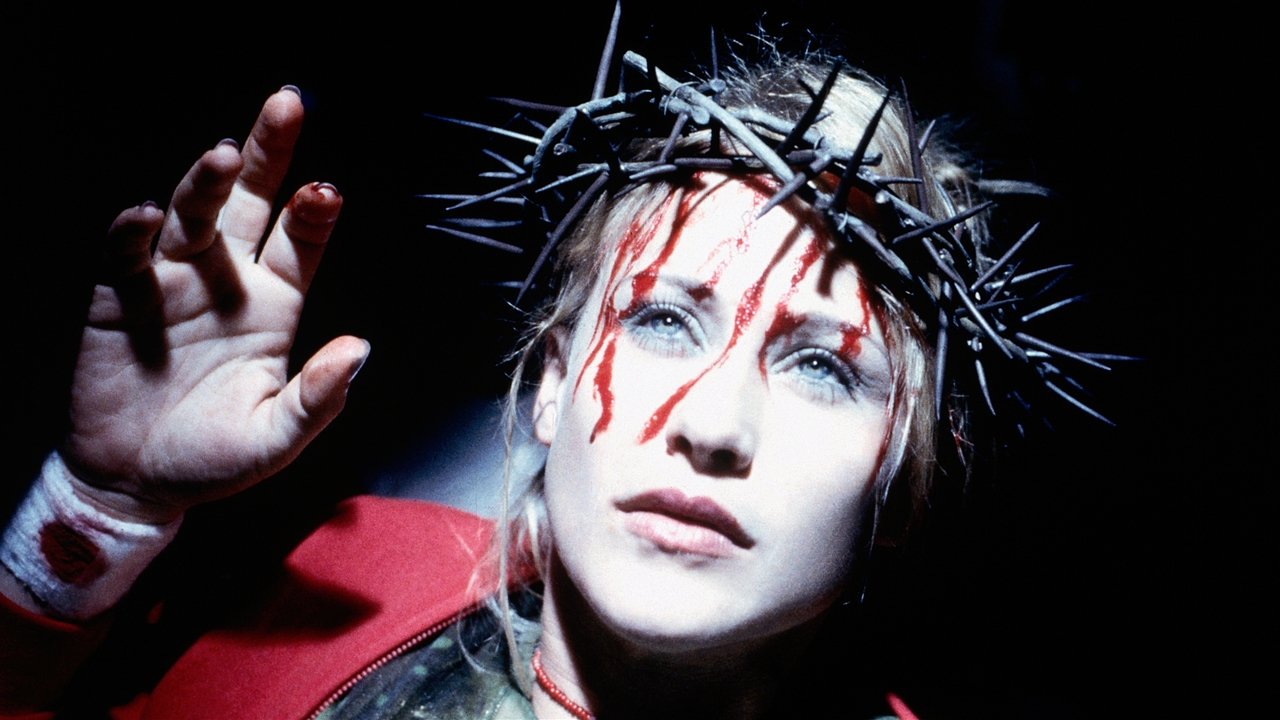
The effects are a fascinating time capsule of that transitional period between practical gore and early digital manipulation. When Frankie is being tormented, the camera moves with a jerky, stop-motion energy that was very trendy post-Seven. Some of the "bleeding walls" effects haven't aged gracefully—they look a bit like digital strawberry jam—but the physical makeup on Patricia Arquette remains genuinely gnarly. There is a weight to her suffering that keeps the movie from drifting into total camp. Arquette is doing about 40% more acting than this script actually requires, and her commitment is the only reason the emotional beats land.
The Beauty of the "Near-Miss"
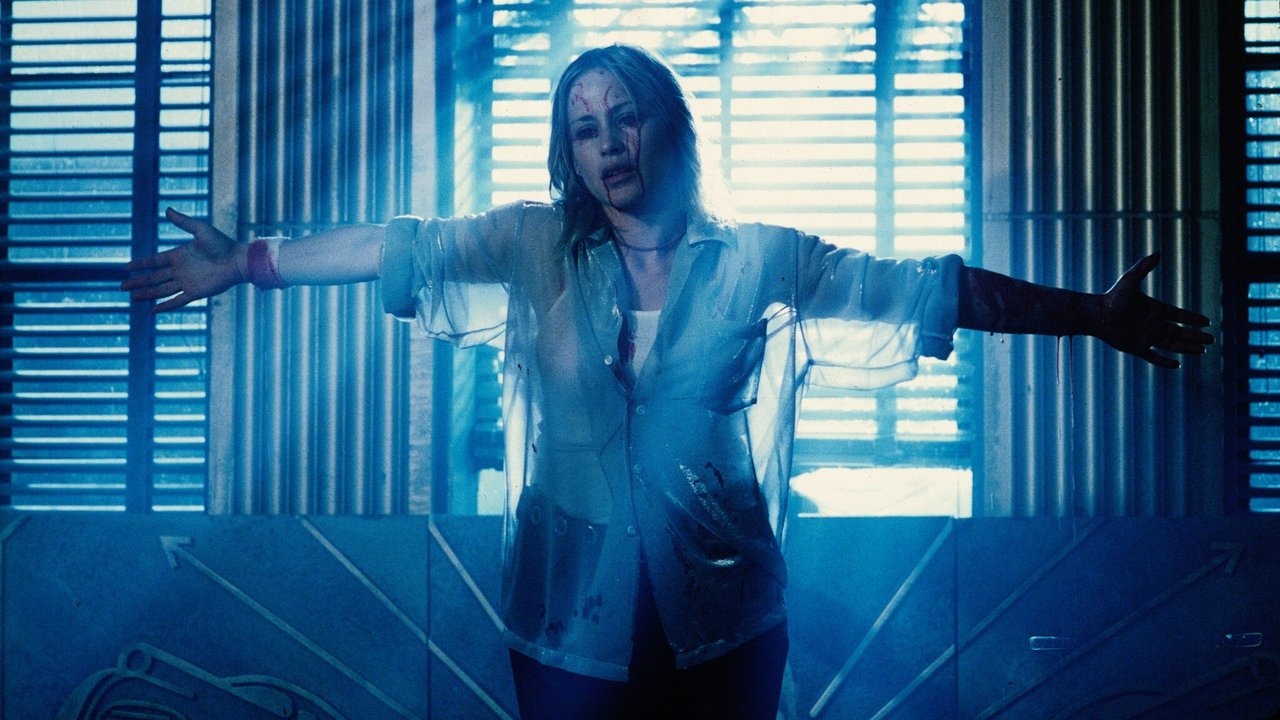
Is it a masterpiece? Absolutely not. Jonathan Pryce plays his villainous Cardinal with such a mustache-twirling lack of subtlety that I expected him to start taxing the Pittsburgh air. The logic of how the stigmata actually "transfers" via a stolen rosary is never quite explained—it’s more of a supernatural game of hot potato.
However, there is something deeply admirable about its ambition. In an era where studios were starting to pivot toward the bland corporate polish we see in modern franchises, Stigmata was weird, loud, and genuinely angry at the Catholic Church. It’s a film that leans into the "The messenger must be silenced" tagline with a grim intensity. Even when it’s being silly, it’s being sincerely silly.
I also can't ignore the supporting cast. Having Nia Long as the best friend and Rade Šerbedžija as a rogue priest gives the movie a texture it wouldn't have otherwise. It feels like a lived-in world, even if that world is perpetually raining and lit by a single 40-watt bulb.
Ultimately, Stigmata is a film that thrives on atmosphere over logic. It’s the kind of movie you’d find on a dusty DVD shelf in a vacation rental and find yourself mesmerized by its sheer late-90s bravado. It’s not as scary as The Exorcist, and it’s not as smart as The Name of the Rose, but it has a jagged, industrial soul that I find oddly comforting. If you want to see a movie where faith is treated like a virus and the Vatican behaves like a mid-level tech corporation protecting its intellectual property, this is your holy grail.
Keep Exploring...
-

Ginger Snaps
2001
-

Inland Empire
2006
-
Don't Be Afraid of the Dark
2010
-
End of Days
1999
-

Sleepy Hollow
1999
-

Blade II
2002
-
New Nightmare
1994
-

Village of the Damned
1995
-
The Craft
1996
-
Halloween H20: 20 Years Later
1998
-
Vampires
1998
-
Lake Placid
1999
-

Stir of Echoes
1999
-

The Gift
2000
-
Eight Legged Freaks
2002
-
Quarantine
2008
-
The Eye
2008
-
What Lies Beneath
2000
-

Final Fantasy: The Spirits Within
2001
-
Dragonfly
2002