Stuart Little
"Big heart. Small sweater. Huge adventure."

I recently revisited Stuart Little while wearing a particularly scratchy wool sweater that made me feel exactly like a small, slightly uncomfortable rodent, and I realized something: 1999 was a weirdly confident year for cinema. It was the year of The Matrix, Fight Club, and The Phantom Menace, yet tucked between those giants was a film about a human family that walks into an orphanage and chooses to adopt a mouse instead of a human child. The most "1999" part? Nobody in the movie thinks this is particularly strange.
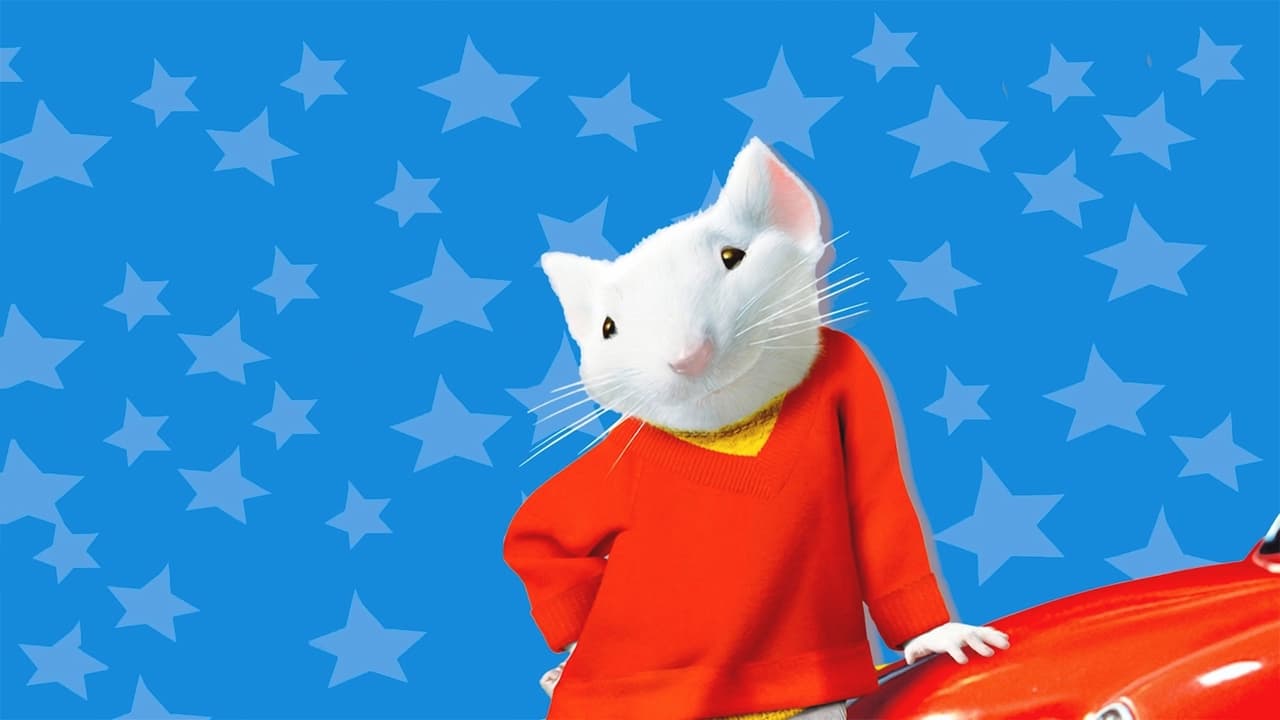
There is a charming, almost surreal earnestness to Rob Minkoff’s adaptation of the E.B. White classic. It exists in a version of New York City that feels like a snow-globe world—a hybrid of 1950s suburban warmth and late-90s technicolor vibrance. While the premise is objectively absurd, the film treats Stuart’s predicament with the kind of high-stakes emotional gravity usually reserved for Dickensian orphans. It’s this total lack of cynicism that makes it such a fascinating relic of the pre-9/11 family film era.
The Mouse Who Saved the Digital Revolution
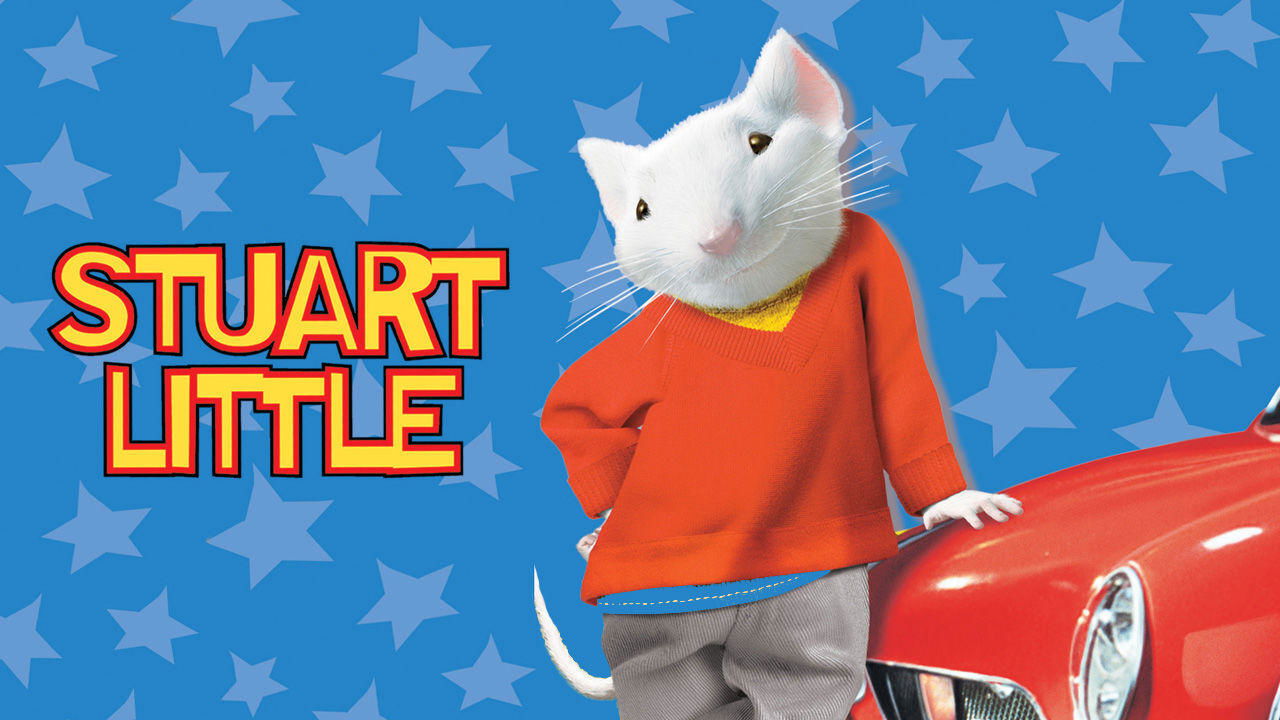
Looking back, it’s easy to forget how much of a technological gamble this movie was. In 1999, we were still figuring out how to make digital characters interact with the real world without looking like they were vibrating on top of the film stock. While The Lion King director Rob Minkoff had mastered 2D animation, Stuart Little required Sony Pictures Imageworks to push the envelope on digital fur—a notorious nightmare for processors at the time.
To be honest, the CGI mouse holds up better than the CGI in most $200 million Marvel movies today. There’s a tactile weight to Stuart. When Michael J. Fox (delivering a vocal performance that captures that perfect "plucky underdog" energy) sighs, you can see the individual hairs move. It’s early CGI that was driven by necessity and character rather than just visual noise. Compare this to the digital uncanny valley of the early 2000s, and you’ll realize that Stuart Little was a pioneer in making us believe a digital entity could have a soul.
The adventure elements are surprisingly robust, too. The Central Park boat race remains a masterclass in scale and pacing. By dropping the camera down to the water line, Minkoff turns a hobbyist pond into a churning, high-seas epic. It’s a sequence that understands the core tenet of adventure: it’s not about the size of the world, but the size of the obstacles relative to the hero.
The Secret Script and a Lost Masterpiece
If you want to win a pub quiz, just remind people that the screenplay for this whimsical mouse movie was co-written by M. Night Shyamalan. Yes, the master of the "twist ending" wrote the movie where a cat tries to put a hit out on a mouse. In retrospect, you can actually see his fingerprints on the script—there’s a heavy emphasis on the "chosen family" dynamic and a certain stilted, formal way the characters speak that feels very Sixth Sense (which, funnily enough, came out the same year).
But the weirdest bit of trivia isn't in the script; it’s on the wall. For years, art historians were looking for a "lost" Hungarian avant-garde painting titled Sleeping Lady with Black Guitar by Róbert Berény. It had been missing since the 1920s. In 2009, an art historian was watching Stuart Little with his daughter and spotted the multimillion-dollar masterpiece hanging in the background of the Little family’s living room. A set designer had bought it at an antique shop for next to nothing, completely unaware they were using a historical treasure as a prop for a movie about a talking mouse.
The Mouse Mafia and the Cast of Giants
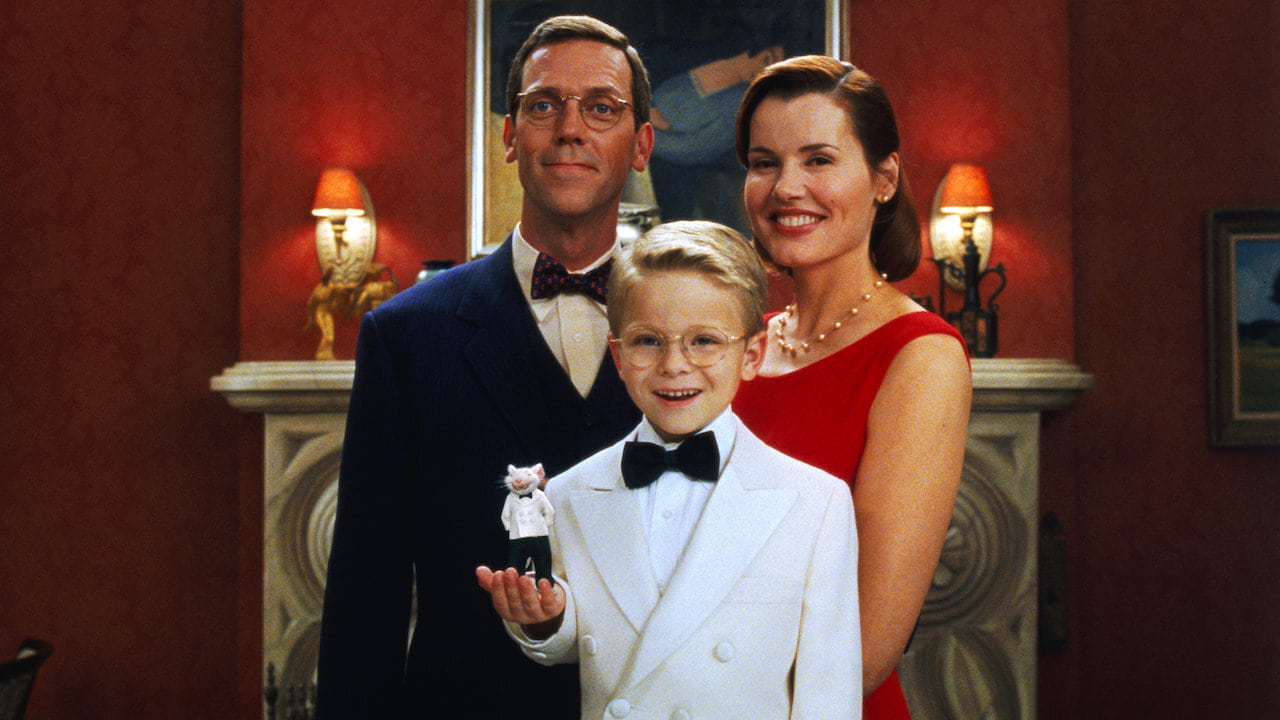
The human cast is what really anchors the madness. Hugh Laurie (long before he became the grumpy House) and Geena Davis play Mr. and Mrs. Little with a level of sincere, wide-eyed goodness that would feel saccharine if they weren't so committed. They treat Stuart’s arrival with the same delicate care they give their human son, George, played by a post-Jerry Maguire Jonathan Lipnicki.
However, the real "cult" joy of the film lies with the cats. Nathan Lane voicing Snowbell is a stroke of genius. He brings a Borscht Belt comedian’s timing to a Persian cat who is rightfully humiliated by the fact that his new "master" is a snack-sized rodent. The "Mouse Mafia" subplot—featuring Chazz Palminteri as the voice of Smokey—is a hilarious nod to 90s gangster tropes. The scene where a group of alley cats holds a secret meeting to discuss "the mouse problem" is more entertaining than most actual noir films.
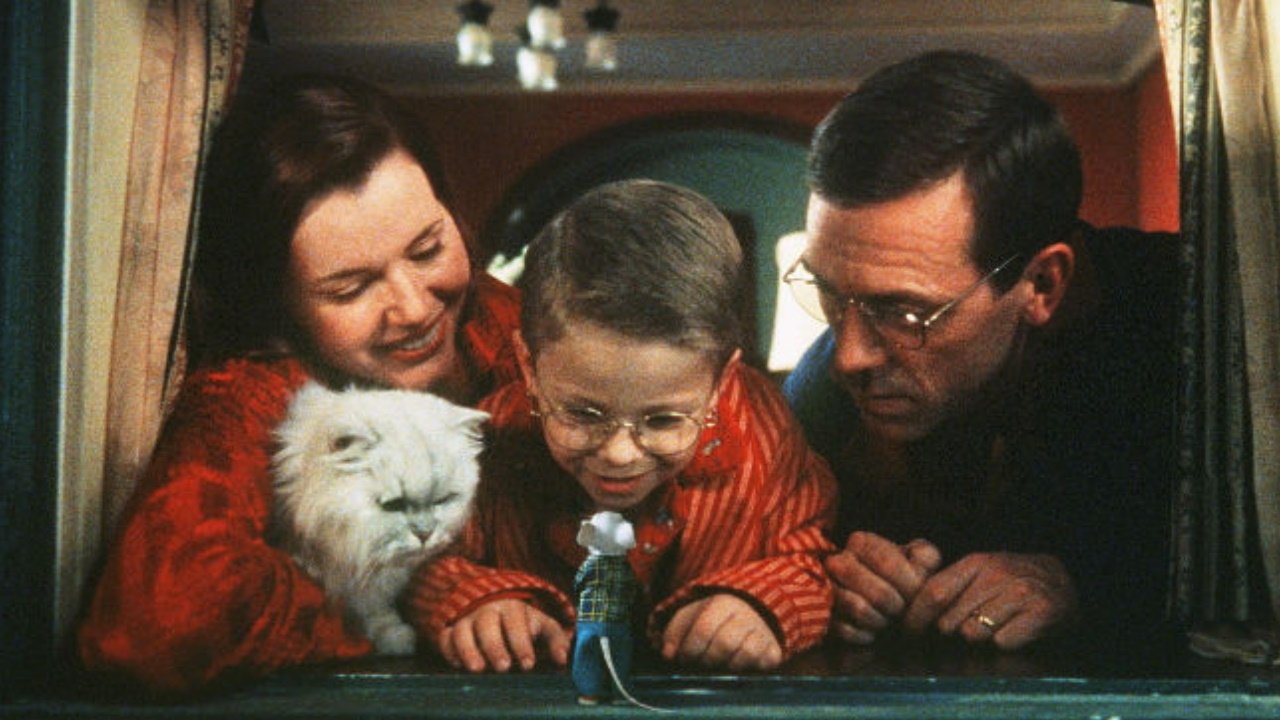
Looking back, Stuart Little represents a specific moment in cinema where practical sets and digital innovation met in the middle. It’s an adventure that scales down its world to make a small hero feel titanic. It reminds me of a time when family films weren't just 90-minute commercials for toy lines, but genuine attempts to build a world that felt both familiar and impossibly magical.
Ultimately, Stuart Little is a film that earns its place in the 90s pantheon through sheer force of personality. It’s a movie that asks you to accept a ridiculous premise and then rewards your suspension of disbelief with genuine heart and surprisingly high production values. Whether you’re here for the nostalgia, the "lost" Hungarian art, or the sight of Hugh Laurie being a doting mouse-dad, it’s an adventure that still has plenty of pluck.
Stuff You Didn't Notice
The boat race sequence was filmed at the conservatory water in Central Park, but the production had to build a massive, oversized replica of the pond's edge to make the remote-controlled boats look like real racing yachts from Stuart's perspective. Michael J. Fox recorded most of his lines while he was already dealing with the public revelation of his Parkinson's diagnosis; his ability to project such vibrant, youthful energy into Stuart is a testament to his incredible talent. The film’s score was composed by Alan Silvestri (Back to the Future, Avengers), which explains why the music feels so much more "epic" than your standard family comedy. The "Little" house was a massive set built on a soundstage, designed to look like a "thin" house squeezed into the New York skyline—a visual metaphor for the family's unique status. * Christopher Walken was reportedly considered for the voice of Smokey the cat before Chazz Palminteri took the role, which would have made the cat-mafia scenes even more delightfully bizarre.
Keep Exploring...
-
Stuart Little 2
2002
-
The Haunted Mansion
2003
-
Mr. Peabody & Sherman
2014
-

Sinbad: Legend of the Seven Seas
2003
-
Mirror Mirror
2012
-
Last Action Hero
1993
-
Night at the Museum: Battle of the Smithsonian
2009
-
Brave
2012
-
Night at the Museum: Secret of the Tomb
2014
-

Asterix and Obelix vs. Caesar
1999
-
Hercules
1997
-

The Emperor's New Groove
2000
-
The Road to El Dorado
2000
-

The Swan Princess
1994
-
Jingle All the Way
1996
-
Antz
1998
-
How the Grinch Stole Christmas
2000
-
Lemony Snicket's A Series of Unfortunate Events
2004
-
Hook
1991
-

Asterix & Obelix: Mission Cleopatra
2002