Tarzan
"Two worlds, one family, and a lot of Phil Collins."
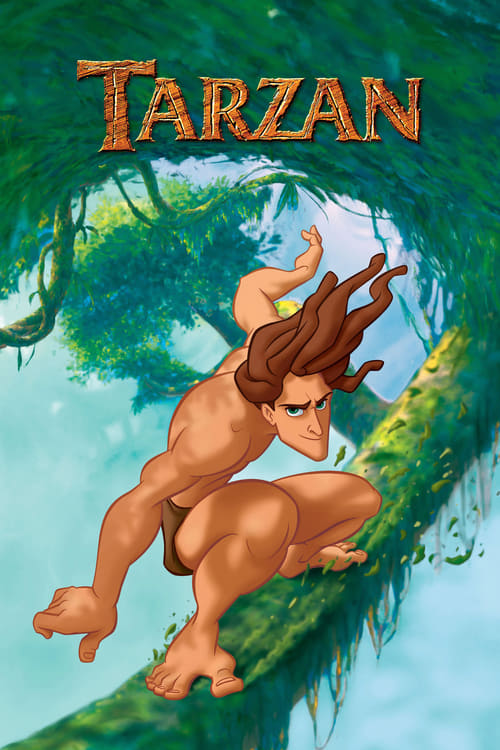
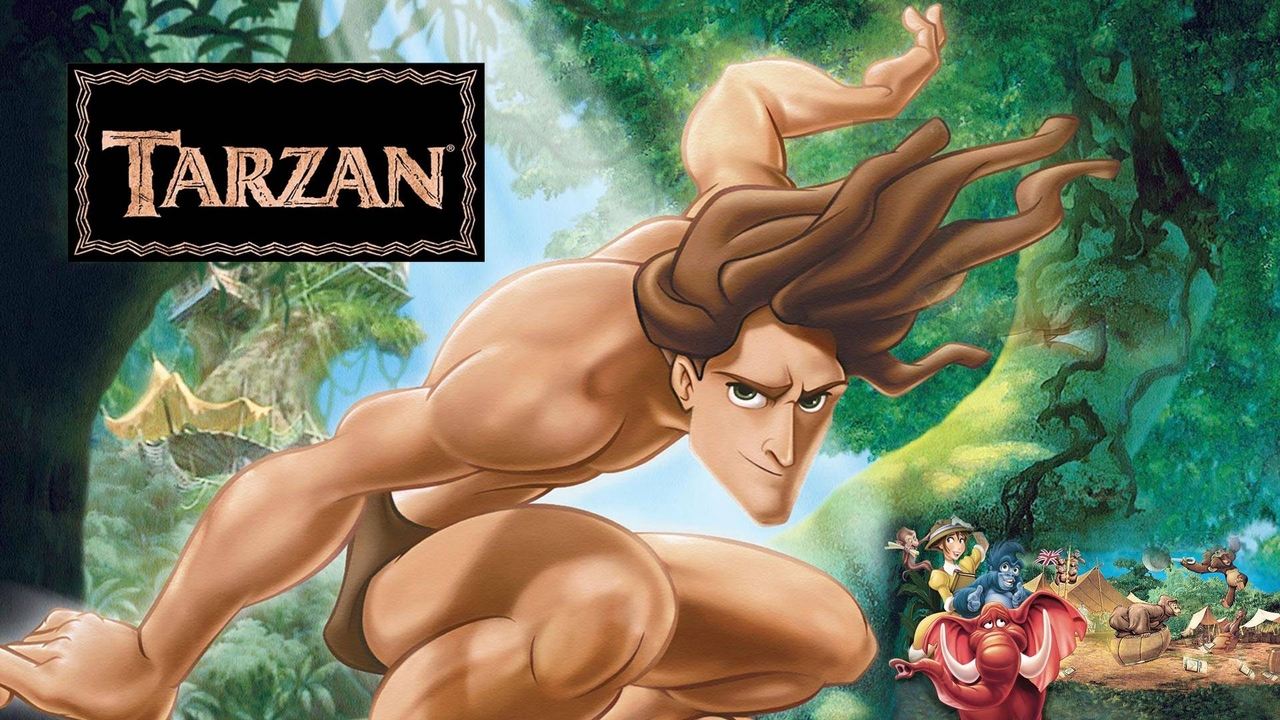
The 1990s ended not with a whimper, but with a roar—and a very specific, tree-surfing slide. By 1999, the Disney Renaissance was technically cooling off, but Tarzan felt like the studio's final, desperate attempt to sprint toward the millennium at full speed. It didn't just want to tell a story; it wanted to change how we looked at 2D animation. Watching it today, I’m struck by how it feels like a bridge between two eras of filmmaking: the hand-drawn artistry of the past and the high-octane, tech-heavy future of the digital revolution.
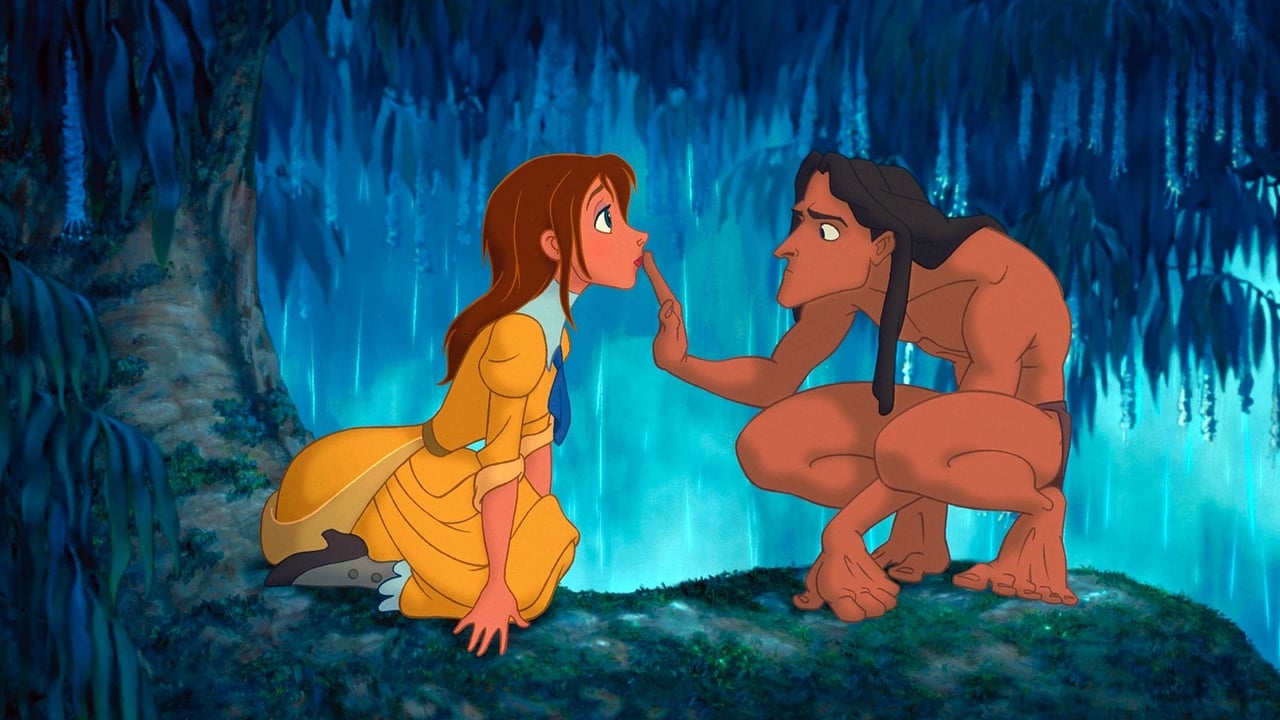
The Physics of the Jungle
The first thing that hits you about Tarzan isn't the story, but the sheer, kinetic momentum. Before the MCU gave us Spider-Man swinging through Queens, Disney gave us a man who treated the jungle like a skate park. I watched this on a laptop while sitting in a very cramped dentist's waiting room, and even on a small screen, the sense of depth is dizzying. This was thanks to a proprietary software called "Deep Canvas," which allowed animators to create 3D environments that still looked like they were painted by hand.
It was a staggering technical achievement for the time. At a production cost of $130 million—the most expensive animated film ever made at that point—Disney was betting big on the idea that audiences wanted more than just "Happily Ever After." They wanted an adrenaline rush. The way the camera swoops behind Tony Goldwyn’s Tarzan as he navigates the canopy isn’t just animation; it’s cinematography. It’s the kind of visual language that paved the way for the immersive worlds of Avatar a decade later.
A Different Kind of Drama
While the action is loud, the heart of the film is surprisingly quiet and grounded in heavy themes of identity and adoption. The "drama" here isn't just about fighting a leopard; it’s about the soul-crushing weight of not belonging. Glenn Close provides the emotional anchor as Kala, Tarzan's adoptive ape mother. Her performance is a masterclass in vocal subtlety; she brings a maternal warmth that makes the "human vs. wild" conflict feel deeply personal rather than just a plot point.
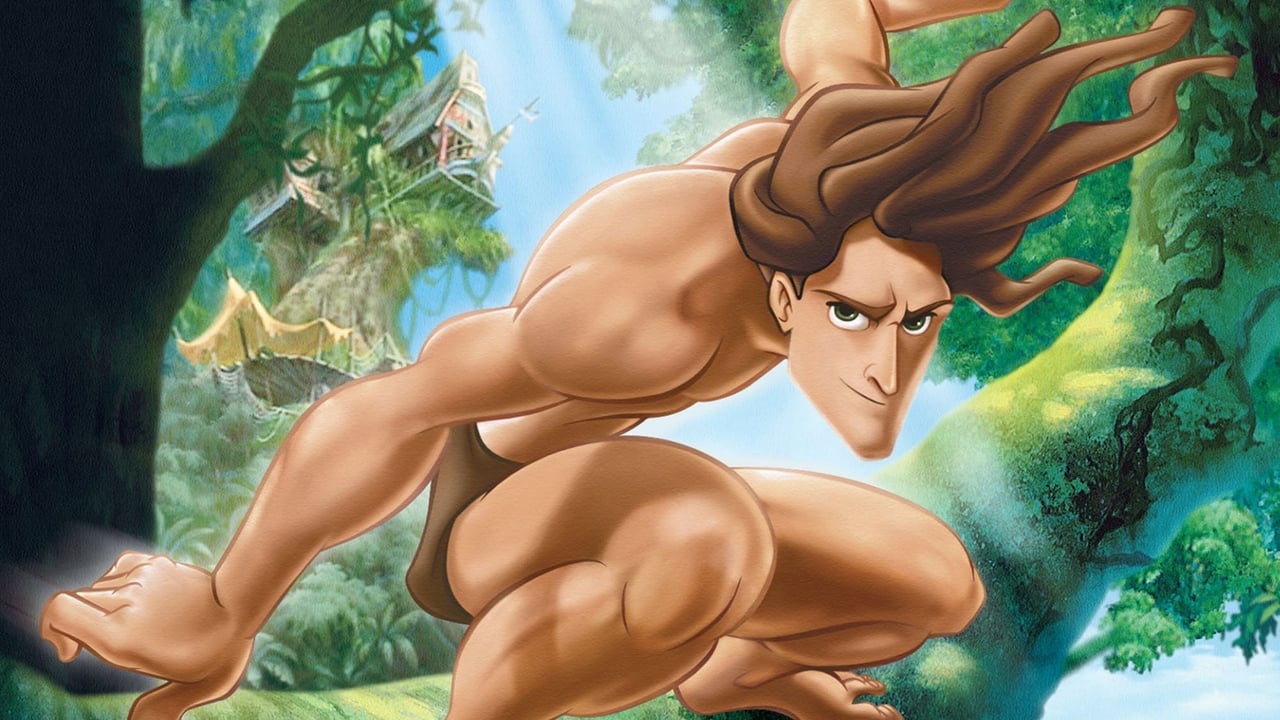
Then there’s Jane Porter, voiced by Minnie Driver. In a decade full of "feisty" Disney heroines, Jane stands out because she feels like a real person who just happens to be in a cartoon. Her chemistry with Tony Goldwyn is palpable, aided by the fact that the two actors reportedly recorded many of their scenes together—a rarity in animation that allowed for overlapping dialogue and genuine comedic timing. Driver’s frantic, rambling energy makes Jane one of the most relatable characters in the Disney canon.
Of course, no discussion of Tarzan is complete without the Phil Collins of it all. Choosing to ditch the "characters singing to the audience" trope in favor of a powerhouse pop soundtrack was a massive gamble. Phil Collins went harder on this soundtrack than any man has ever gone for a cartoon about a loincloth. The decision to have him record the songs in five different languages (English, French, German, Italian, and Spanish) ensured the film’s cultural penetration was absolute. It wasn't just a movie; it was a global chart-topping event.
The Shadow of the Villain
Every great drama needs a foil, and Brian Blessed delivers a chilling performance as Clayton. Blessed is known for his boisterous, room-shaking voice, but he finds a sinister, colonizer-chic gear here that is genuinely unsettling. The film’s climax, which involves a remarkably dark bit of visual storytelling involving a jungle vine and a shadow, remains one of the most macabre moments in Disney history. It’s a reminder that the late 90s weren't afraid to let the stakes feel life-and-death.
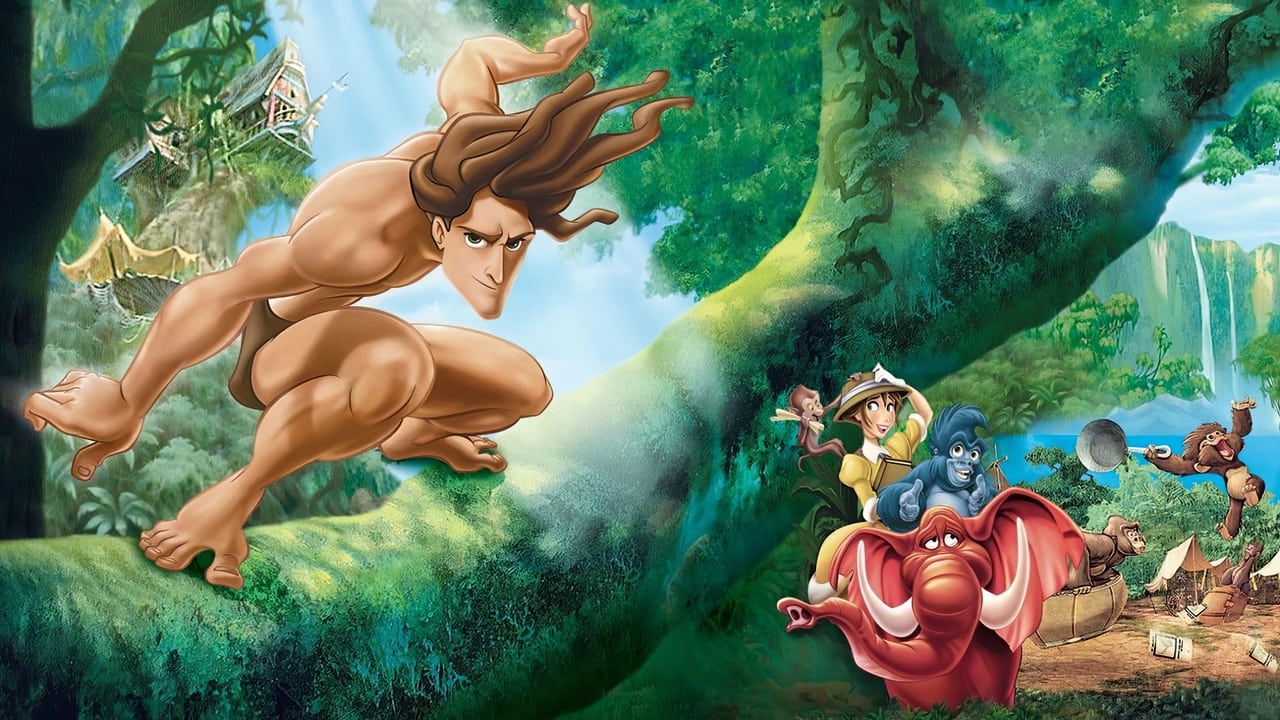
Despite its success—raking in over $448 million worldwide and spawning everything from a Broadway musical to a highly underrated PlayStation game—Tarzan often gets lost in the conversation between the "classic" Renaissance hits like The Lion King and the Pixar takeover. But looking back, it’s a film that holds up remarkably well. It captures that Y2K-era anxiety of transition, trying to balance traditional hand-drawn beauty with the "extreme" culture of the late 90s (Tarzan’s movement was literally modeled after pro-skater Tony Hawk).
Tarzan is a technical marvel that refuses to let its gadgets outshine its guts. It manages to be a high-stakes adventure, a touching family drama, and a definitive 90s time capsule all at once. Whether you're there for the pioneering "Deep Canvas" visuals or just to hear Phil Collins scream-sing about the circle of life, it’s a ride that earns every bit of your attention. It’s the perfect example of a blockbuster that actually has something to say about where we belong.

Keep Exploring...
-
Tarzan II
2005
-

Frozen
2013
-
The Prince of Egypt
1998
-
A Goofy Movie
1995
-
The Hunchback of Notre Dame
1996
-
Dinosaur
2000
-
Spirit: Stallion of the Cimarron
2002
-
The Lion King
1994
-
The Lion King II: Simba's Pride
1998
-

Pocahontas
1995
-
Anastasia
1997
-

A Bug's Life
1998
-
Mulan
1998
-
Atlantis: The Lost Empire
2001
-
Shrek
2001
-

Ice Age
2002
-
Brother Bear
2003
-
Shrek 2
2004
-
The Incredibles
2004
-
Frozen II
2019