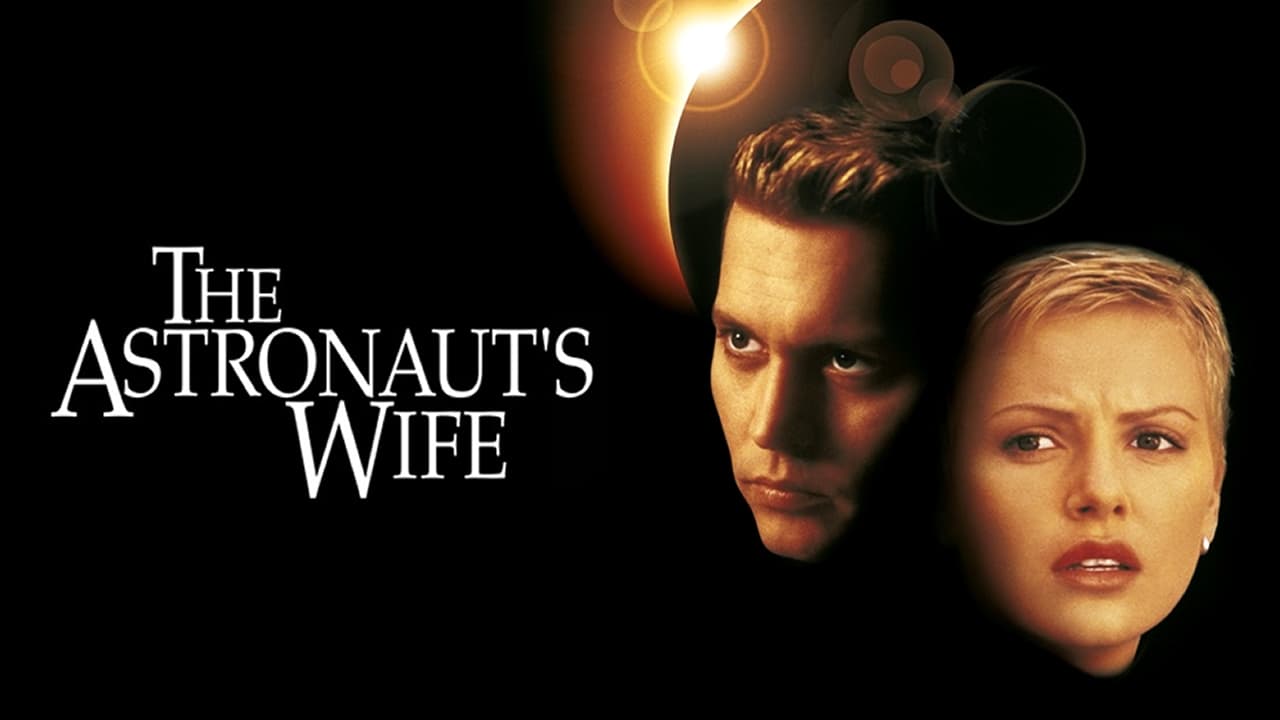
The Astronaut's Wife
"He’s back from space, but he’s not alone."
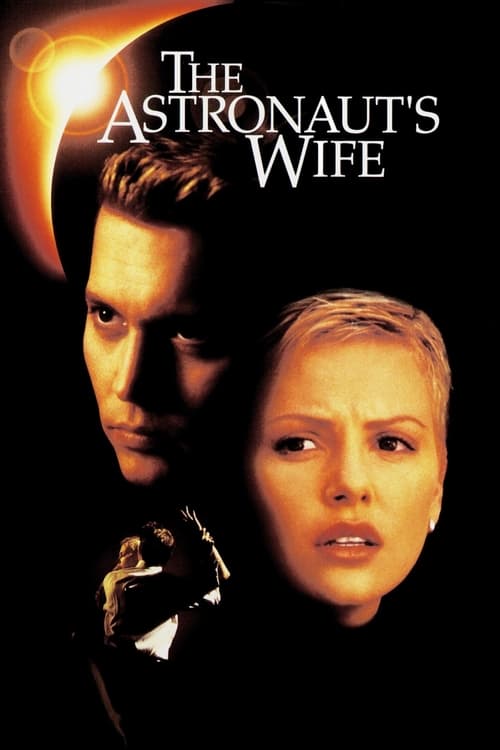
1999 was a hell of a year for cinema. While The Matrix was rewriting the rules of reality and The Blair Witch Project was making everyone afraid of the woods, a $75 million psychological sci-fi thriller arrived with the kind of star power that should have guaranteed a hit. Instead, The Astronaut's Wife crashed into theaters and vanished almost instantly, leaving behind little more than a massive tax write-off and a very short haircut for Charlize Theron. Watching it now, I’m struck by how much it feels like a relic of that specific pre-millennial tension—a time when we were obsessed with the idea that the technology or the "other" we were inviting into our lives might actually be hollow shells for something sinister.
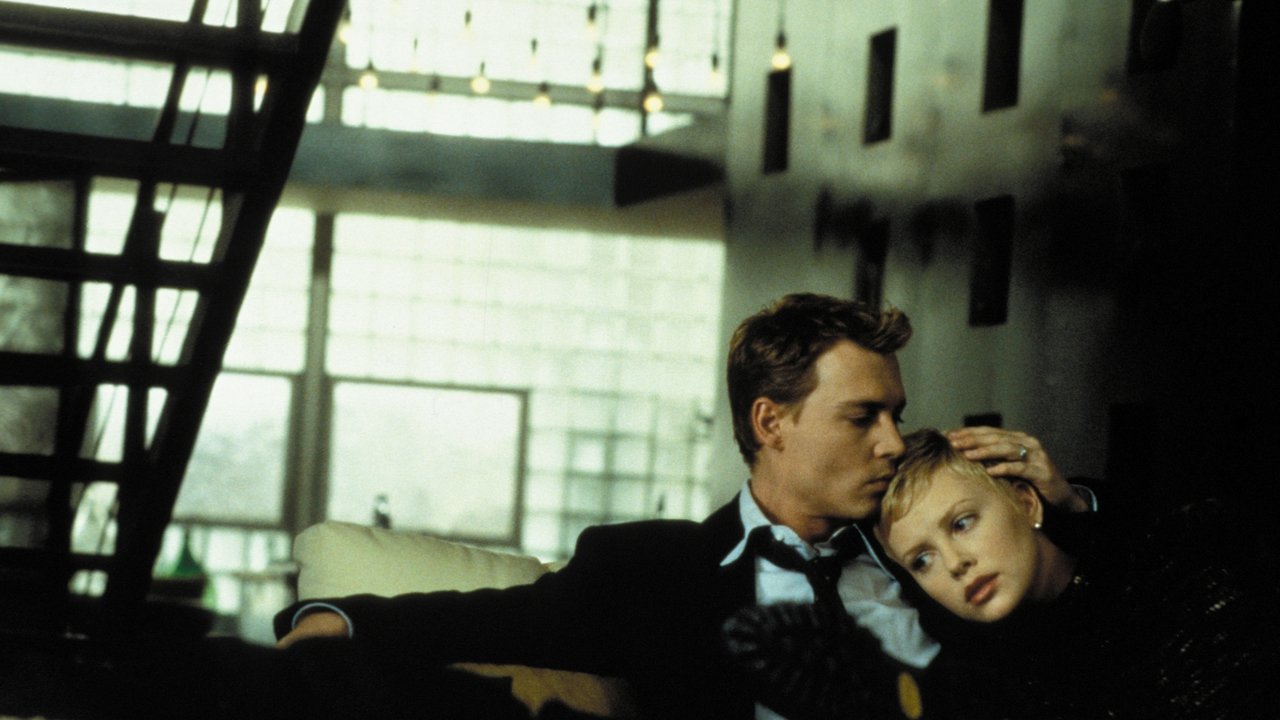
I watched this on a Tuesday night while my radiator was making a rhythmic, metallic clanking sound that honestly provided a better jump scare than anything in the actual third act.
Rosemary’s Space Baby
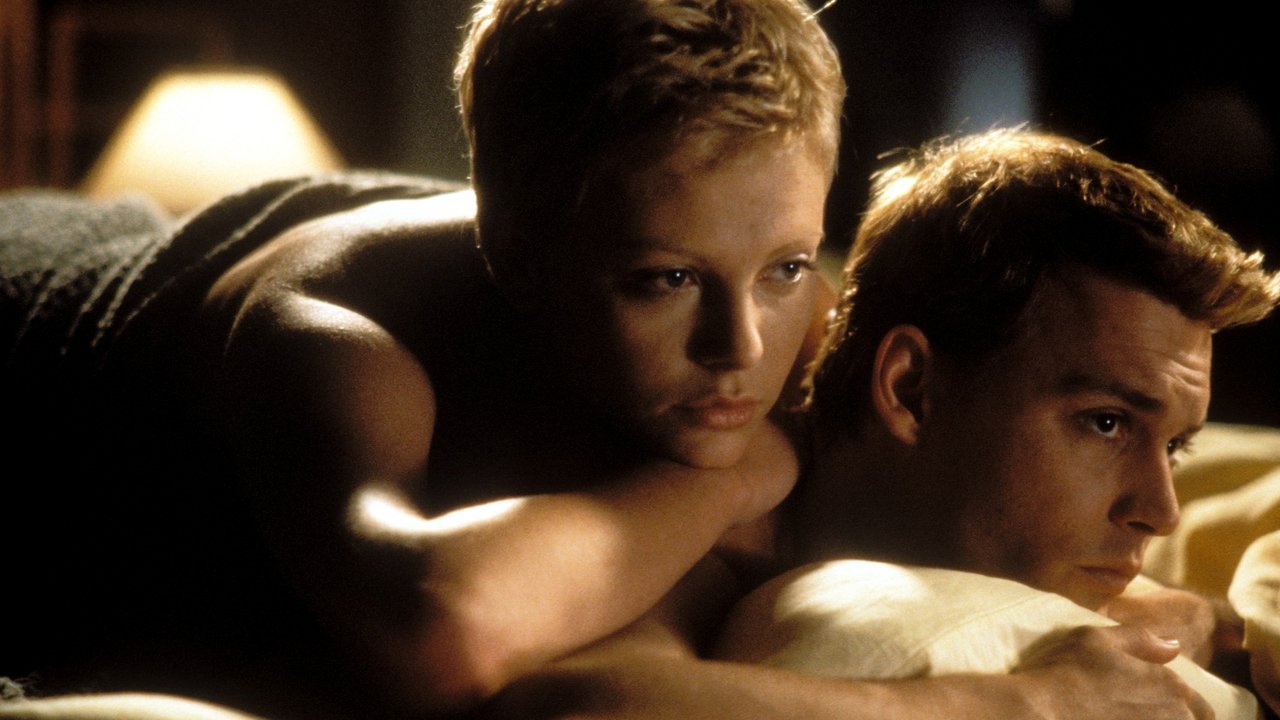
The premise is basically Rosemary’s Baby with a NASA badge. Johnny Depp plays Commander Spencer Armacost, a swaggering, Southern-fried pilot who goes into orbit to fix a satellite. Something goes "boom," there’s a two-minute window of radio silence where he and his partner, played by Nick Cassavetes, are essentially dead, and then—miraculously—they’re back. But Spencer isn't the same. He quits NASA, takes a high-power executive job in New York, and starts behaving with a cold, robotic efficiency that would make a T-800 blush.
His wife, Jillian (Charlize Theron), is the first to notice the shift. Theron is doing a lot of heavy lifting here, sporting a pixie cut that screams Mia Farrow and delivering a performance rooted in genuine, shaky-handed anxiety. She’s the emotional core of a movie that is otherwise remarkably chilly. I found myself rooting for her not just to escape her husband, but to escape the oppressive, blue-tinted cinematography of Allen Daviau. Daviau, who shot E.T. for Steven Spielberg, gives the film a high-gloss, expensive sheen that makes every kitchen counter look like it belongs in a gallery. It’s beautiful, but it’s also remarkably sterile.
The Problem with Pretty
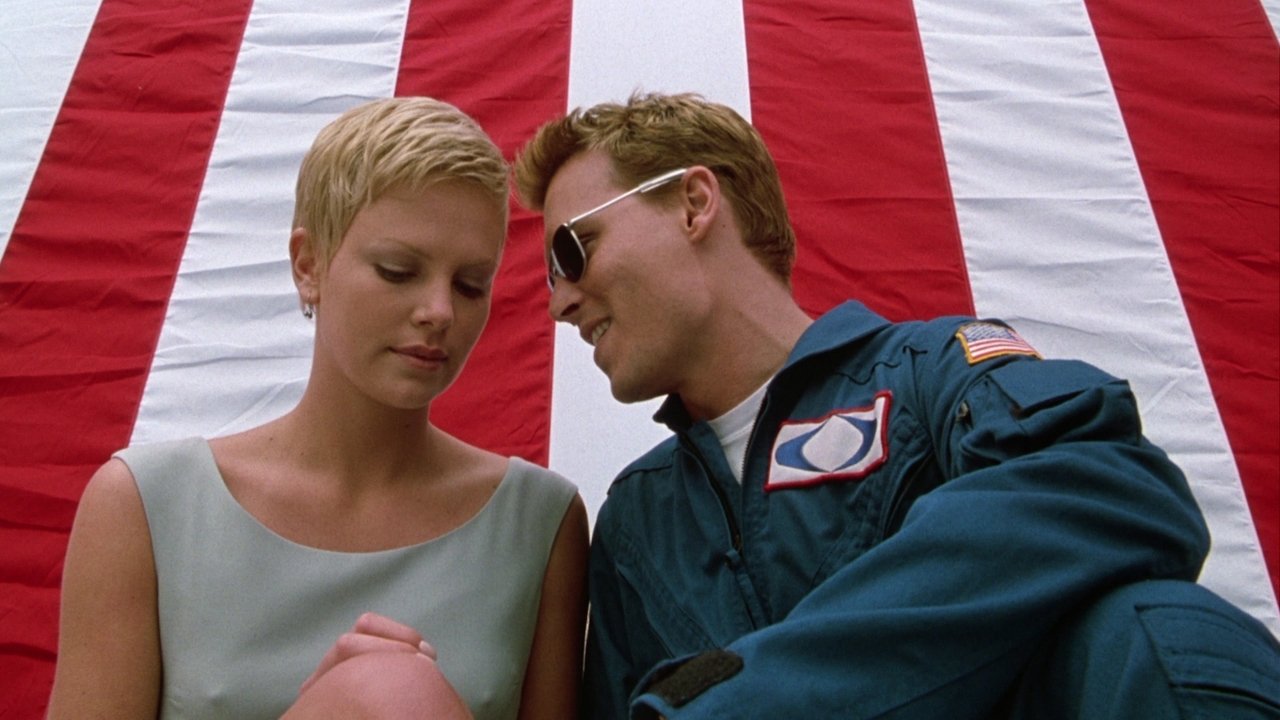
By 1999, Johnny Depp was at a fascinating crossroads. He hadn't yet become the "scarf-and-hat" caricature of his later career; he was still the indie darling of Edward Scissorhands and Ed Wood. Here, he’s playing against type as a hyper-masculine hero, but he spends most of the movie looking like he’s bored out of his mind. The film is essentially a perfume commercial that slowly curdles into a nightmare, and while Depp’s bleached hair and blank stares are meant to be unsettling, they often just come across as flat.
The real tension should come from the gaslighting of Jillian, but director Rand Ravich (who also wrote the script) tips his hand far too early. We know Spencer is "wrong" from the moment he steps off the shuttle. There’s no ambiguity, which leaves us waiting for Jillian to catch up to the audience for about 90 minutes. Along the way, we get Joe Morton (the legendary Miles Dyson from Terminator 2) as a disgraced NASA official who shows up to deliver the necessary exposition via some grainy VHS tapes. It’s a classic 90s trope: the man who knows too much and pays for it with his life, usually in a scene involving a lot of heavy breathing and a dark apartment.
Why It Stayed in the Hangar
It’s easy to see why this didn't land with audiences. It’s a "prestige" sci-fi film that lacks the philosophical depth of Contact or the visceral thrills of Alien. It’s a slow-burn drama that forgets to keep the fire stoked. In the era of the DVD revolution, the special features on this one were notoriously thin—partly because the studio seemed to lose faith in it almost immediately. There are rumors of a much more nihilistic original ending that was softened after test screenings, leaving us with a finale that feels both rushed and strangely campy.
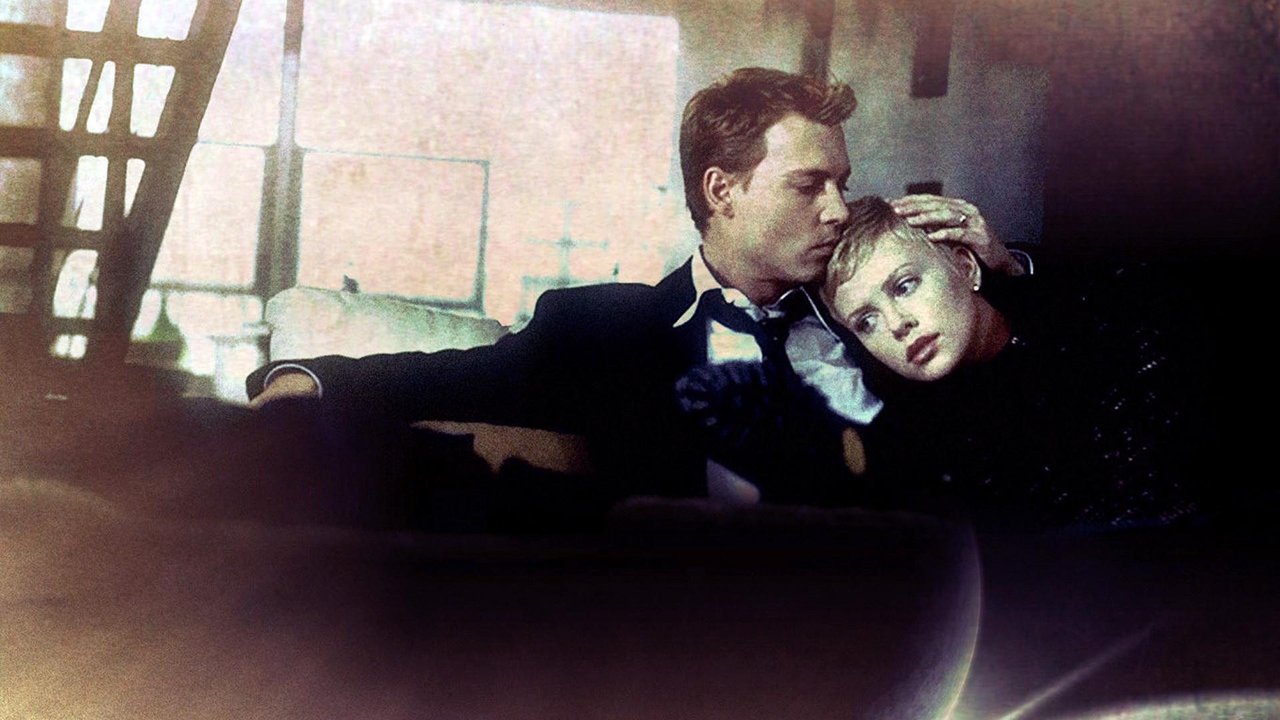
What’s interesting in retrospect is how it captures the Y2K-era fear of the domestic space. Our homes were becoming more high-tech, our careers more corporate, and the "perfect" American life was starting to feel like a facade. Jillian’s pregnancy becomes the ultimate invasion-of-the-body-snatchers metaphor, but the film is too polished to ever feel truly dangerous. It’s a "vibes" movie before that was a term, relying on mood and star power to cover up a script that doesn’t have much to say beyond "men from space are bad at being husbands."
Ultimately, The Astronaut's Wife is a fascinating failure. It represents that brief window in Hollywood where you could throw $75 million at a slow, moody psychological horror movie just because you had two of the most beautiful people on the planet in the lead roles. It’s worth a watch if you’re a Theron completist or if you have a soft spot for the clinical, over-produced aesthetics of late-90s thrillers. Just don't expect it to stick with you much longer than it takes to walk from the sofa to the fridge.
Keep Exploring...
-
Volcano
1997
-

Dreamcatcher
2003
-
The Forgotten
2004
-

Transcendence
2014
-
Star Trek: Insurrection
1998
-
The 6th Day
2000
-
Dragonfly
2002
-

Paycheck
2003
-
Carriers
2009
-
Blindness
2008
-
Chain Reaction
1996
-
Escape from L.A.
1996
-

The Devil's Own
1997
-
The Saint
1997
-
Soldier
1998
-
Sphere
1998
-
Red Planet
2000
-

Final Fantasy: The Spirits Within
2001
-

Collateral Damage
2002
-

Murder by Numbers
2002