The Blair Witch Project
"The scariest thing you'll never see."
I remember the first time I saw that grainy, pixelated website in the summer of 1999. It looked like something a high schooler built in their basement, full of "missing person" reports and police dossiers. Back then, the internet was a Wild West of unverified claims, and The Blair Witch Project exploited that digital infancy with a ruthlessness we haven’t seen since. I watched the film for the first time on a tiny CRT television while eating a bowl of cold SpaghettiOs, and even with the hum of the fridge in the background, I was convinced I was watching someone actually die.
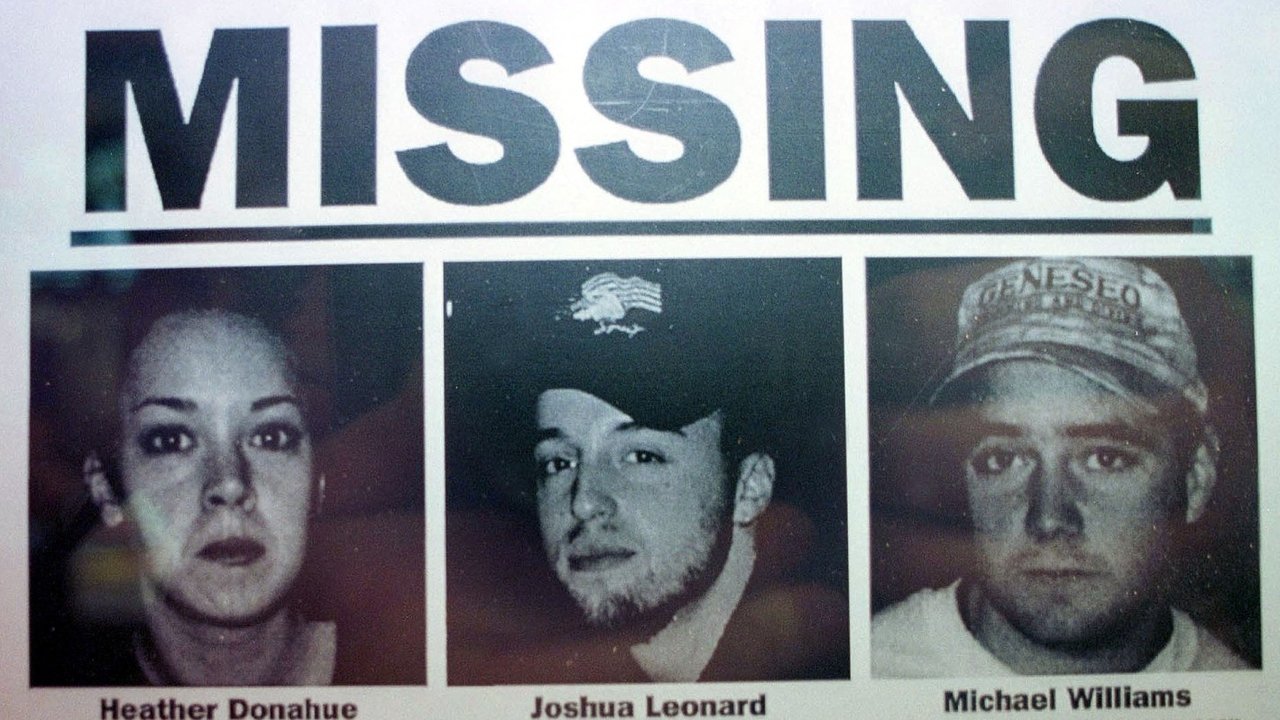
Looking back, The Blair Witch Project wasn't just a movie; it was a cultural hijacking. Directors Eduardo Sánchez and Daniel Myrick (who also did Altered and The Objective) didn't just make a horror flick—they invented a new way to lie to the public. By the time the film hit theaters, half the audience genuinely didn't know if the footage was real or a clever ruse. It remains the gold standard for "less is more" filmmaking, proving that a pile of rocks and some snapped twigs are infinitely more terrifying than a $100 million CGI monster.
The Method to the Madness
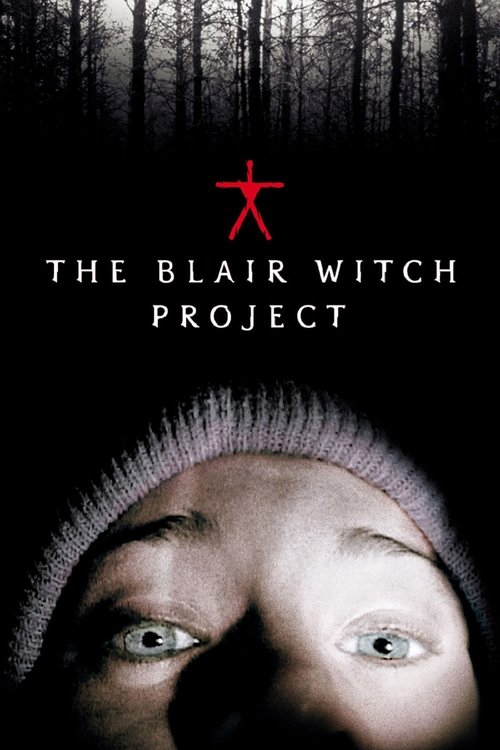
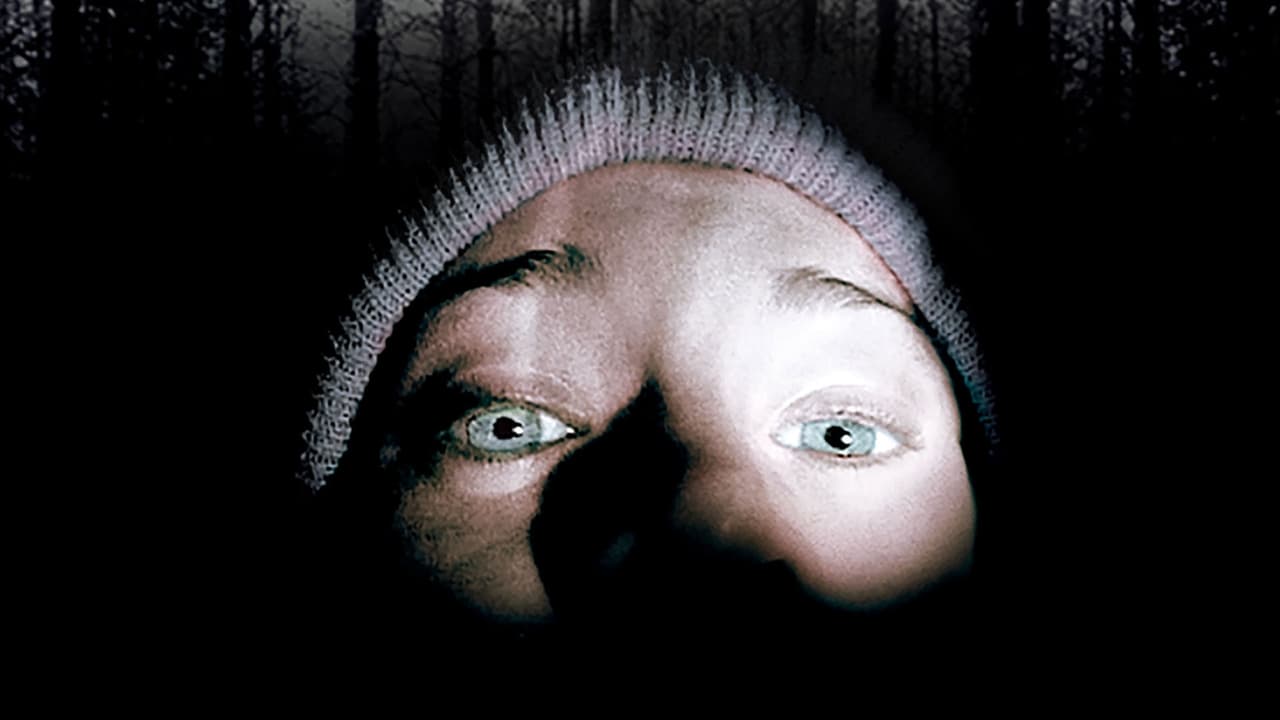
The production of this film is the stuff of indie legend. Heather Donahue, Joshua Leonard, and Michael C. Williams weren’t just actors following a script; they were participants in a psychological experiment. The directors dropped them in the Maryland woods with GPS units and gave them less food every day to ensure they stayed irritable and exhausted. When you see Heather Donahue's iconic close-up—the one with the tears and the infamous snot—that isn't a "glamour shot" prepared by a makeup team. That’s a woman who is genuinely freezing, tired, and tired of her co-stars' crap.
The brilliance of the "found footage" gimmick here, before it was run into the ground by a thousand sequels and imitators, was its tactile nature. It was shot on a mix of 16mm film and Hi8 video. The Hi8 stuff, specifically, captures that specific 90s domesticity. It looks like your aunt’s wedding or a high school graduation video, which makes the descent into chaos feel uncomfortably close to home. When the camera shakes, it’s not for "style"; it’s because the characters are sprinting for their lives. It was the movie that launched a thousand motion-sickness lawsuits, yet we all kept going back for more.
The Sound of Silence and Snapping Twigs
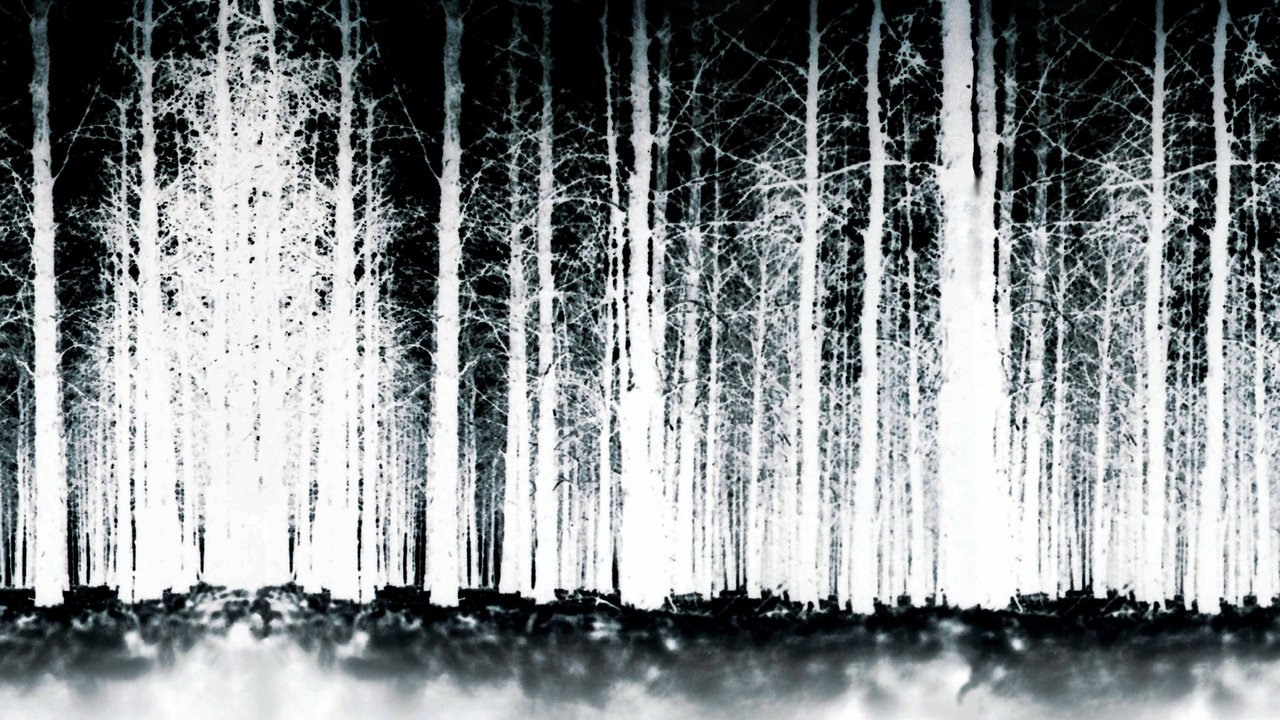
One thing I appreciate more now than I did at nineteen is the sound design. There is no traditional score. There’s no Tony Cora orchestral swell to tell you when to be scared. Instead, you get the oppressive silence of the woods at 3:00 AM, occasionally broken by something that sounds like a heavy footfall or a child’s laugh. Because we never actually see "The Witch," our brains fill in the gaps with the worst possible imagery. My brain always imagined something tall, spindly, and impossibly fast, while a friend of mine was convinced it was just an old woman in a shawl. That’s the power of this film: it custom-tailors its scares to your specific neuroses.
The financial impact of this tiny project is still staggering. With a production budget of roughly $60,000, it eventually raked in nearly $250 million worldwide. It’s the ultimate "David vs. Goliath" story of the 90s, where two guys from Florida and a few unknown actors out-scared the big-budget spectacles of the era. It captured a very specific Y2K anxiety—the fear that for all our technology and maps, we could still get hopelessly lost in our own backyard.
A Legacy Left in the Corner
Does it still hold up in an era of 4K streaming and social media sleuthing? Surprisingly, yes. While the "Is it real?" mystery is long gone, the sheer atmosphere of dread remains potent. The ending—that final shot of someone standing in the corner of a basement—is still one of the most chilling images in cinema history because it’s so quiet and inexplicable. It’s a masterclass in spatial storytelling. We know exactly what that corner represents because of a throwaway line of dialogue earlier in the film about the Rustin Parr murders. It’s a payoff that requires you to actually pay attention, a rarity in modern jump-scare-heavy horror.
We saw the rise of the "Sundance Generation" in the 90s, but The Blair Witch Project was the movement’s chaotic peak. It democratized filmmaking, telling every kid with a camcorder that they could be the next big thing. The film is essentially a high-stakes camping trip gone wrong, and that simplicity is why it still works. It doesn't need lore dumps or an expanded universe (though they certainly tried with the sequels). It just needs the dark and the sound of something moving outside your tent.
The Blair Witch Project is a landmark of low-budget ingenuity that remains deeply unsettling decades later. It perfectly captured the transition from the analog world to the digital age, using the internet to tell a lie that the world wanted to believe. Even if you know it’s "just a movie," those final ten minutes will still make you want to leave the lights on. It’s a reminder that the most effective special effect is, and always will be, a well-primed imagination.
***
Cool Details
The actors used their real names because the directors wanted the "documentary" to feel as authentic as possible, which unfortunately led to Heather Donahue’s mother receiving sympathy cards from people who thought her daughter actually died. The "twigs" and "teeth" found in the bundles were actually real human teeth supplied by a local dentist, and the hair was real hair from Joshua Leonard. The film held the Guinness World Record for "Most Productive Box Office" for years, with a return of over $4,000 for every $1 spent on production. To keep the actors on edge, the directors would sneak up to their tents at night and play recordings of children playing or make loud crashing noises in the woods without warning them.
Keep Exploring...
-
I Know What You Did Last Summer
1997
-

Scream 2
1997
-
The Ring
2002
-
The Grudge
2004
-
Paranormal Activity
2007
-
Paranormal Activity 2
2010
-
Session 9
2001
-
Final Destination 3
2006
-

The Omen
2006
-
1408
2007
-
Final Destination 5
2011
-
Paranormal Activity 3
2011
-
Saw
2004
-
New Nightmare
1994
-

In the Mouth of Madness
1995
-
Sleepy Hollow
1999
-

Stir of Echoes
1999
-
The Ninth Gate
1999
-
Scream 3
2000
-

The Gift
2000